


Welded vs Bolted Silos: Engineering Trade-Offs for Bulk Storage
Jun Mon, 2026
Why Silo Joint Type Matters in Bulk Storage Design
Selecting between welded and bolted steel silos is a critical engineering decision that affects structural performance, installation logistics, and long-term operating costs. While both systems store bulk solids such as cement, grain, or chemicals, their joint configurations introduce distinct behaviors under load, environmental exposure, and maintenance cycles. This article presents a technical comparison grounded in design standards, field data, and failure analysis to help engineers make an informed choice.
Welded Steel Silos: Continuous Strength and Sealing
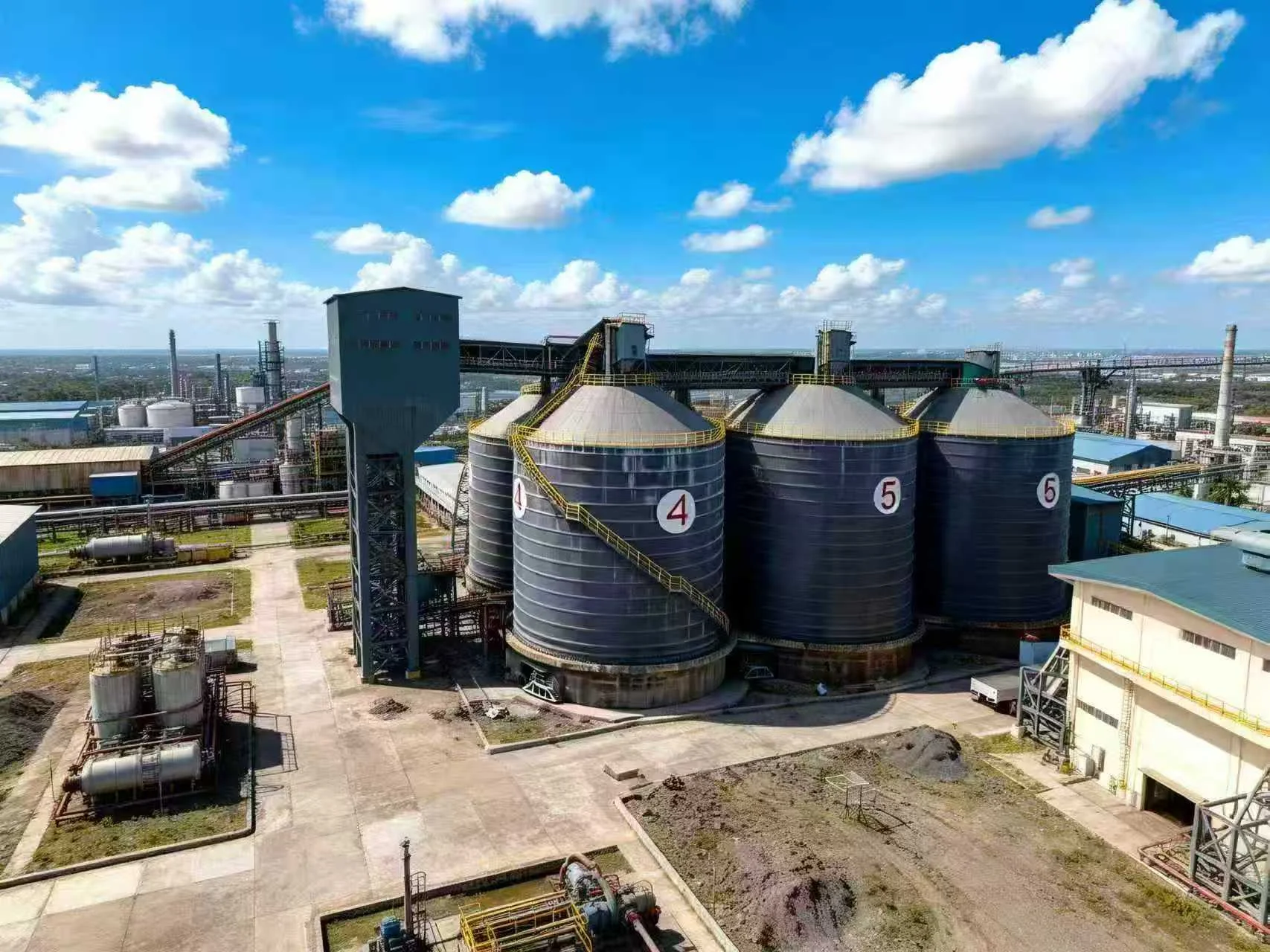
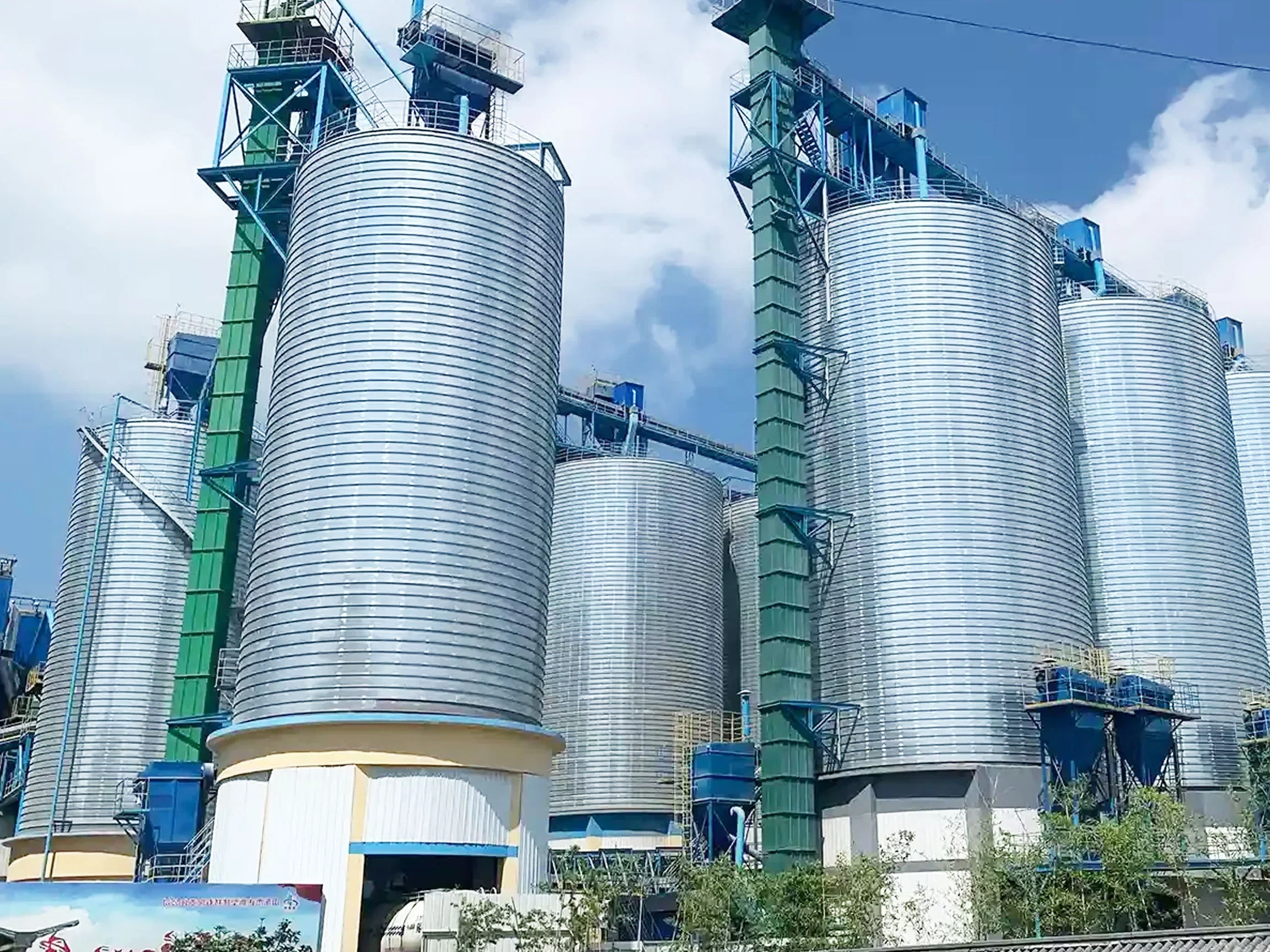
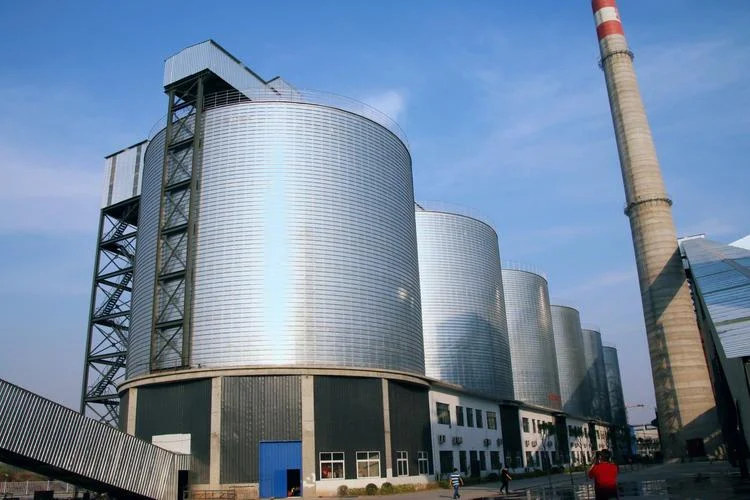
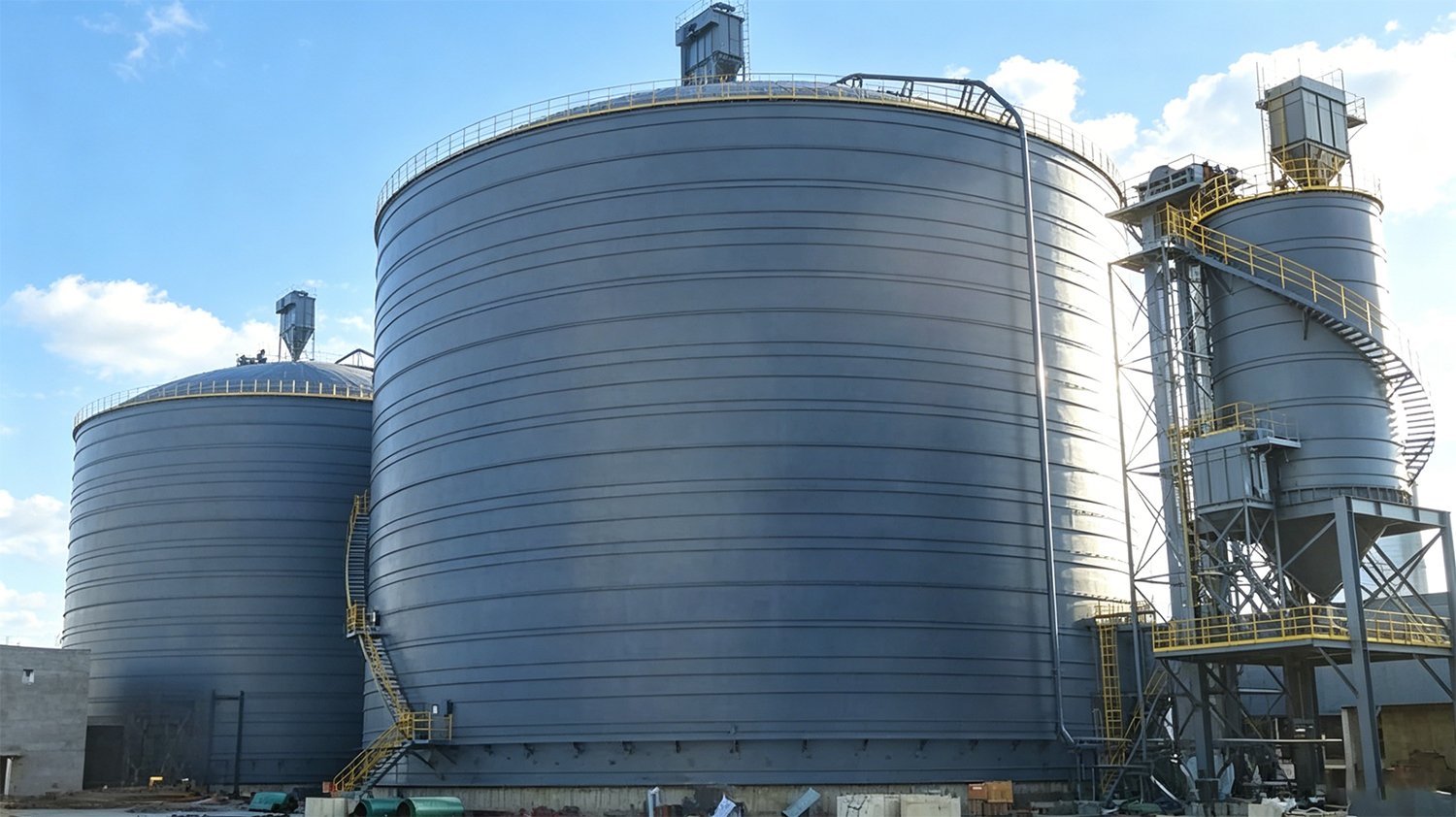
Welded silos are fabricated from steel plates joined by full-penetration or fillet welds, creating a monolithic shell. They are typically shop-welded in large rings or field-welded for larger diameters. Key characteristics include:
Structural continuity: Welds provide full-strength joints, distributing loads smoothly and eliminating bolt-hole stress concentrations. This makes welded silos ideal for high seismic zones or cyclic loading from eccentric discharge.
Air and moisture tightness: A continuous weld seam prevents leakage, essential for hygroscopic materials like cement or flour that require low humidity storage.
Fatigue resistance: Welded joints, when properly detailed and inspected, offer superior fatigue life compared to bolted connections under frequent pressure or temperature cycling.
Erection challenges: Field welding demands skilled labor, strict quality control (e.g., UT/RT inspection), and weather protection. For remote sites, mobilizing certified welders can double installation time.
Design standards such as ACI 313 and Eurocode 3 Part 4-1 provide specific requirements for welded silo shells, including minimum weld sizes, heat treatment, and inspection frequencies.
Bolted Steel Silos: Modular Assembly and Field Adaptability
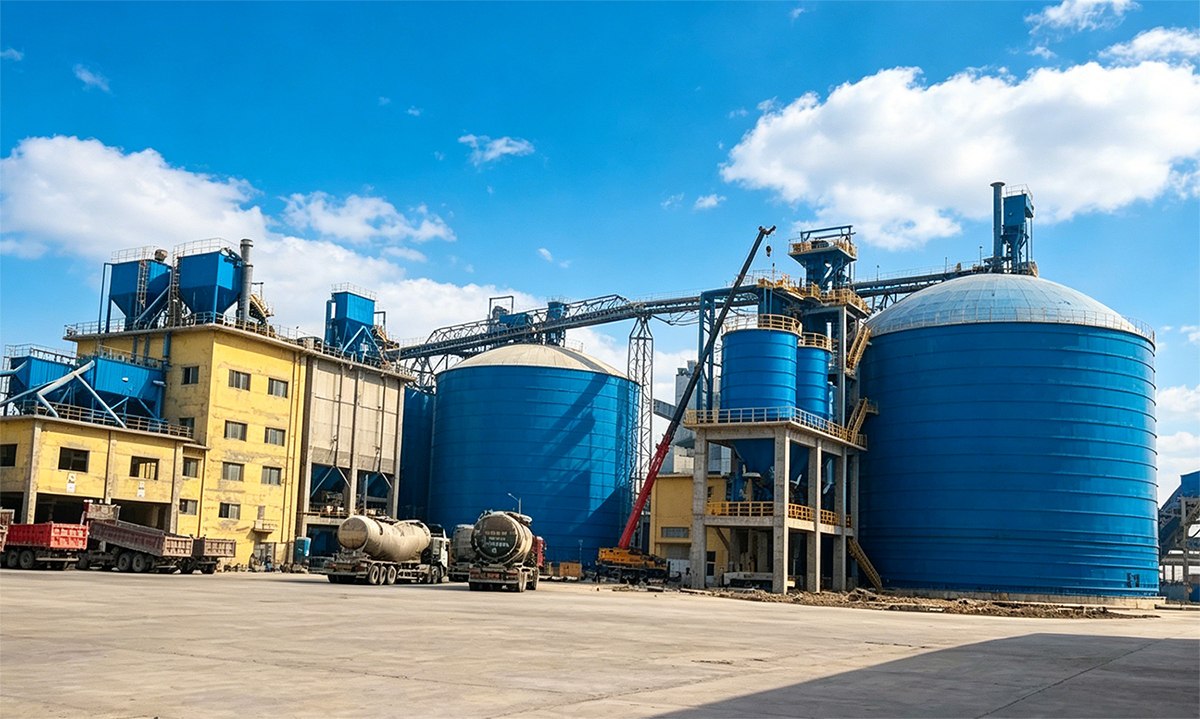
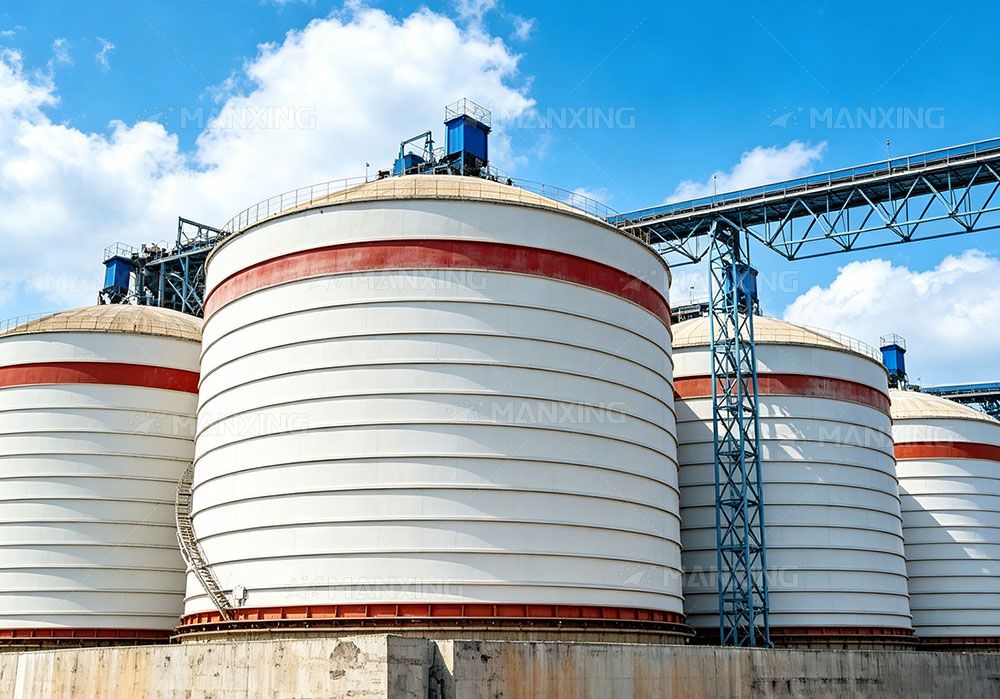
Bolted silos consist of pre-punched steel panels joined by high-strength bolts (typically ASTM A325 or A490) and sealed with gaskets. They are popular for rapid installation and relocatability. Engineering considerations include:
Modularity: Panels are factory-made with consistent tolerances, enabling fast bolting on site—often 30–50% faster than welding for the same capacity. This reduces labor cost and schedule risk.
Joint behavior: Bolted connections introduce flexibility. Under seismic or wind loads, joint slip can dissipate energy but may also cause permanent deformation or leakage if gaskets fail. Design per AISC 360 requires careful bolt group slip-critical connections.
Corrosion vulnerability: Bolt holes and lap joints create crevices where moisture and dust accumulate, accelerating corrosion. Hot-dip galvanizing of panels and bolts is common, but field touch-up is difficult.
Leakage risk: Gasket compression must be uniform. Temperature changes can relax bolt tension, requiring periodic retorquing. For fine powders, even minor gaps cause dust emissions.
Standards like EN 1993-4-1 and ISO 28765 address bolted silo design, including joint stiffness, bolt preload, and sealing performance.
Head-to-Head Technical Comparison
The following metrics summarize typical differences based on industry data and published research:
Initial cost (per ton stored): Welded silos cost $120–$180/ton; bolted silos $90–$140/ton. Bolted is generally cheaper for capacities under 5,000 tons due to lower fabrication and erection costs.
Erection time: Welded requires 6–12 weeks for a 3,000-ton silo; bolted can be completed in 3–6 weeks, depending on crew size.
Lifespan: Welded silos last 30–50 years with proper coating maintenance; bolted silos average 20–35 years due to corrosion at joints and bolt fatigue.
Maintenance frequency: Welded needs coating inspection every 5–7 years; bolted requires annual bolt torque checks and gasket replacement every 10 years.
Seismic performance: Welded shells behave monolithically, withstanding 0.4g PGA (peak ground acceleration) per ACI 313. Bolted silos can achieve similar performance with slip-critical joints but may experience residual drift after major events.
Air tightness: Welded achieves leak rates below 0.1% volume per hour at 0.5 psi; bolted with gaskets typically 0.5–1.0% under same conditions.
Failure Modes and Prevention Strategies
Understanding how each system fails helps engineers design for reliability:
Weld cracking: Occurs due to hydrogen embrittlement, restraint, or thermal cycling. Prevention: use low-hydrogen electrodes, preheat, and post-weld heat treatment. Inspect with dye penetrant or magnetic particle testing.
Bolt relaxation: Vibration or thermal cycling loosens bolts. Use lock washers, thread-locking compounds, or direct tension indicators. Schedule retorquing after first fill and annually.
Corrosion at joints: In bolted silos, crevice corrosion initiates under bolt heads and between lap plates. Apply zinc-rich primer to faying surfaces, and use sealed gaskets to exclude moisture.
Foundation issues: Both types require ring or mat foundations designed for vertical load and overturning. Differential settlement can distort bolted panels more than welded shells, causing bolt misalignment.
Decision Framework for Engineers
Choose welded silos when: material requires airtight storage (cement, flour), site is in high seismic or wind zone, long lifespan (>30 years) is needed, and skilled welding labor is available. Choose bolted silos when: budget is constrained, rapid deployment is critical, capacity is under 5,000 tons, or the silo may be relocated. For intermediate cases, a hybrid design—welded lower rings with bolted upper rings—can optimize cost and performance.
Conclusion
Both welded and bolted steel silos have proven track records, but the choice hinges on specific project requirements. Welded silos offer superior structural integrity and longevity at higher initial cost, while bolted silos provide speed and economy with acceptable performance for many applications. Engineers should base decisions on life-cycle cost analysis, material properties, and site conditions. For a detailed evaluation, consult a structural engineer experienced in silo design and reference the applicable standards.
FAQ
Which silo type is better for storing cement? Welded silos are preferred due to airtightness and moisture control.
Can bolted silos be used in seismic regions? Yes, with slip-critical joints and proper bracing, but welded offers better residual strength.
What is the typical cost difference? Bolted silos are 20–30% cheaper upfront, but welded may have lower lifetime cost due to longer lifespan.
How often should bolted silo bolts be retorqued? After first fill, then annually, or per manufacturer specifications.
Оглавление
PDF
Download File
Manxing Industrial Silo Brochure
Manxing_Industrial_Silo_Brochure.pdf
Open the download form to unlock this file. The download will start automatically after submission.
Запросить расценки
Мы стремимся предоставить вам исключительный сервис и обеспечить беспрепятственный процесс покупки. Пожалуйста, отправьте нам ваш запрос, и мы ответим с подробным коммерческим предложением.