


Selection Guide:Bolted, Spiral, or Welded Cement Silos
Feb Thu, 2026
Bolted, Spiral, or Welded Cement Silos: Which Storage Solution Fits Your Project?
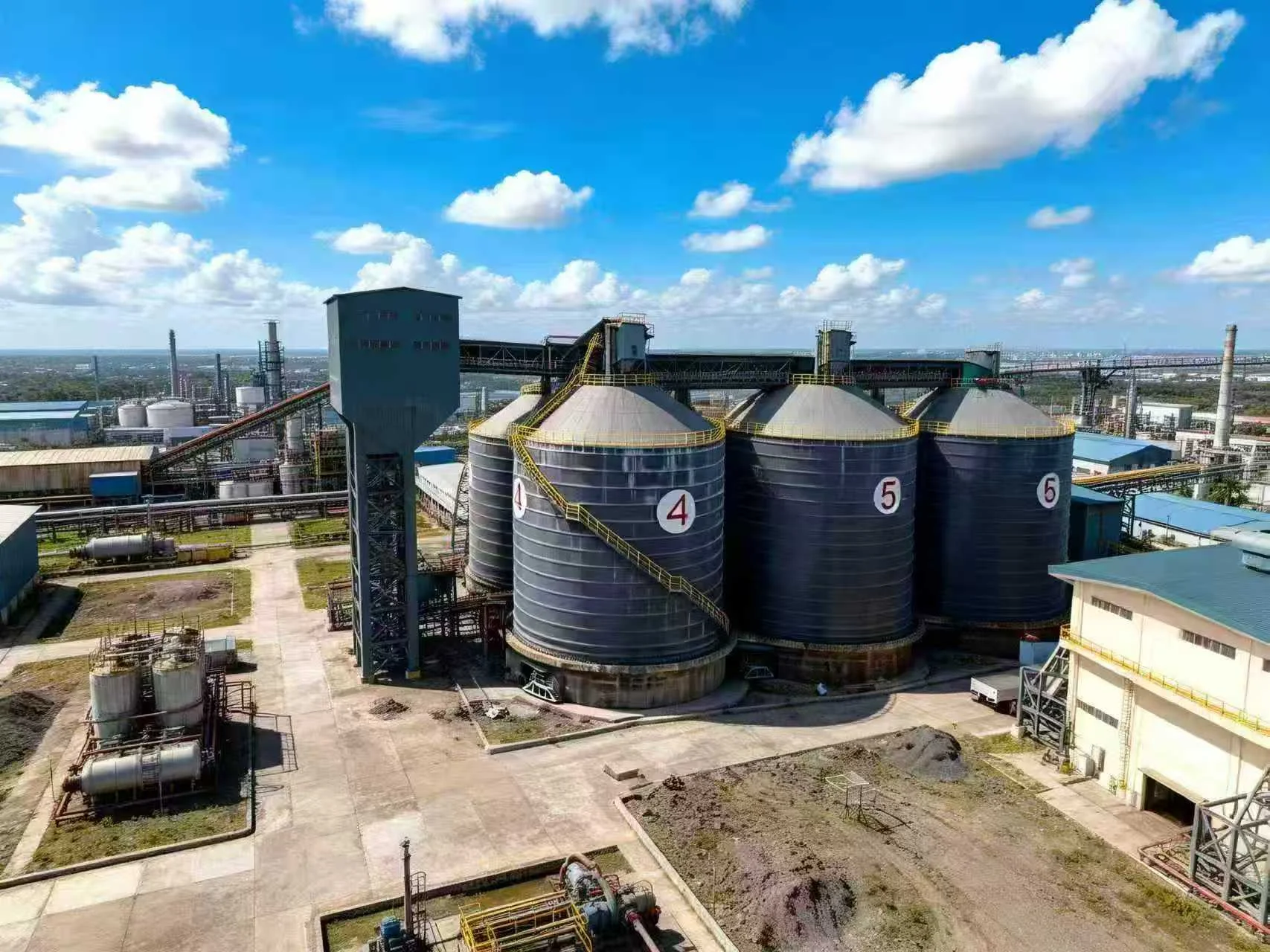
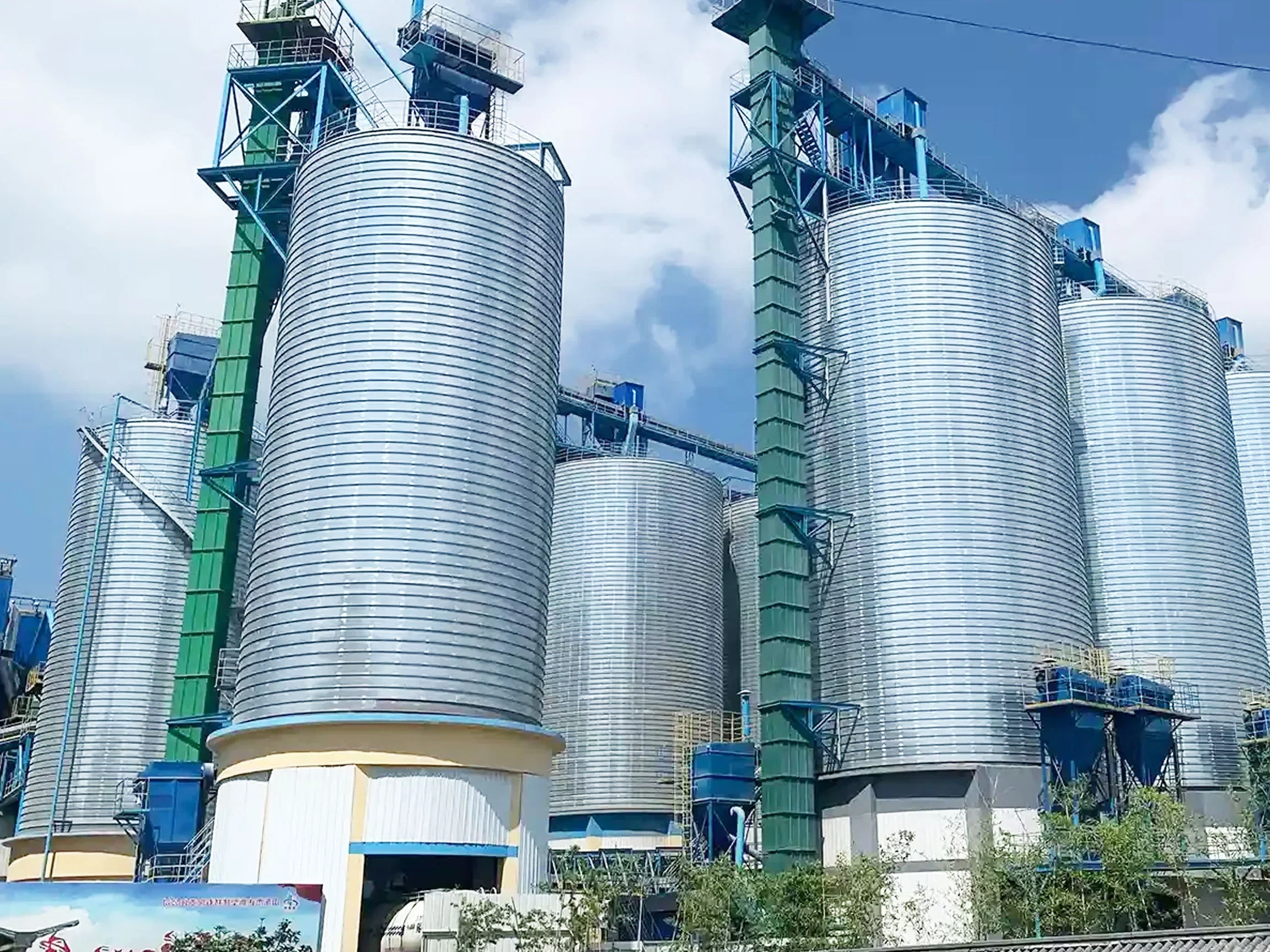
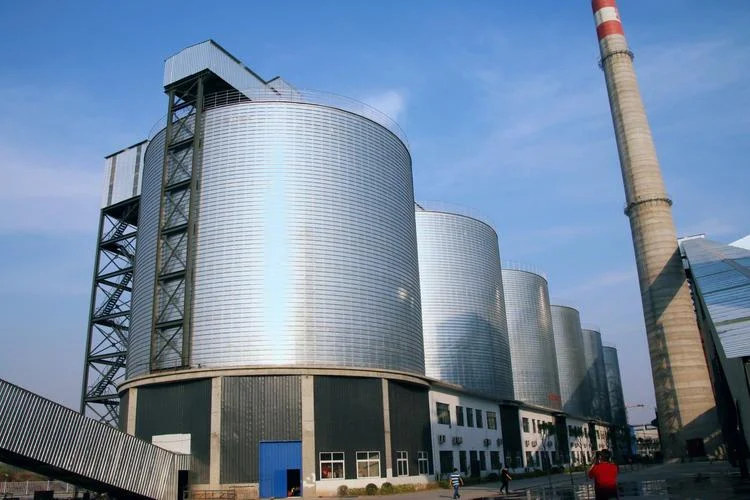
Cement silos are available in several structural forms, each designed for different project scenarios. Understanding the advantages and limitations of bolted, spiral, and welded silos helps project owners select the most efficient and economical solution.
Bolted Cement Silos: Flexible and Mobile
Bolted silos consist of factory-prefabricated flat panels and stiffeners assembled on site using high-strength bolts.
Best suited for:
Concrete batching plants
Temporary construction projects
Overseas projects requiring containerized transport
Advantages:
Easy to dismantle and relocate
Low transportation cost
Fast installation for small to medium capacities
Spiral Cement Silos: Balanced Cost and Performance
Spiral silos offer a balance between structural integrity and investment efficiency.
Advantages:
Excellent air-tightness for moisture-sensitive materials
On-site fabrication reduces transportation limits
Suitable for medium to large fixed installations
Welded Cement Silos: Maximum Safety for Critical Storage
Welded silos are the preferred option for very large capacities and critical storage functions.
Advantages:
Highest safety margin
Suitable for high seismic and wind-load regions
Designed for long-term, high-level operation
Discharge & Safety System Design
Regardless of silo type, a reliable discharge and safety system is essential:
Proper hopper angle design
Aeration and arch-breaking devices
Dust collection and sealing systems
Level sensors, pressure relief valves, grounding and lightning protection
Recommendation
Long-term fixed plants: Welded or reinforced spiral silos
Temporary or mobile projects: Bolted silos
High-risk environments: Welded silos with enhanced safety design
A well-engineered cement silo system reduces operational risk, improves efficiency, and maximizes return on investment.
Table of Contents
PDF
Download File
Manxing Industrial Silo Brochure
Manxing_Industrial_Silo_Brochure.pdf
Open the download form to unlock this file. The download will start automatically after submission.
Request a Quote
We are committed to providing you with exceptional service and ensuring a seamless buying experience. Please send us your inquiry, and we will respond with a detailed quotation.