


How to Choose the Right Cement Silo
Feb Thu, 2026
How to Choose the Right Cement Silo: Capacity, Climate, and Operating Conditions Explained
Why Cement Silo Selection Matters
Cement silo selection should never be based on price alone. A well-matched silo system ensures smooth material flow, stable production output, and lower long-term maintenance costs. Selection must consider operating conditions, climate, storage duration, and project scale as a complete system.
Understanding Cement Silo Capacity Requirements
The required silo capacity should be calculated by:
Daily cement consumption
Delivery frequency and supply stability
Production peak demand
A recommended practice is to reserve 10–20% extra capacity to handle supply fluctuations. High-capacity batching plants often benefit from multiple silos arranged in parallel to improve operational flexibility.
Climate and Environmental Considerations
High-humidity or coastal areas:
Require high air-tightness, corrosion-resistant coatings, and ventilation or dehumidification systems.
Cold regions:
Thermal insulation, anti-freezing discharge design, and arch-breaking devices are critical.
High wind or snow load regions:
Structural reinforcement, anchoring systems, and wind-load design must be carefully verified.
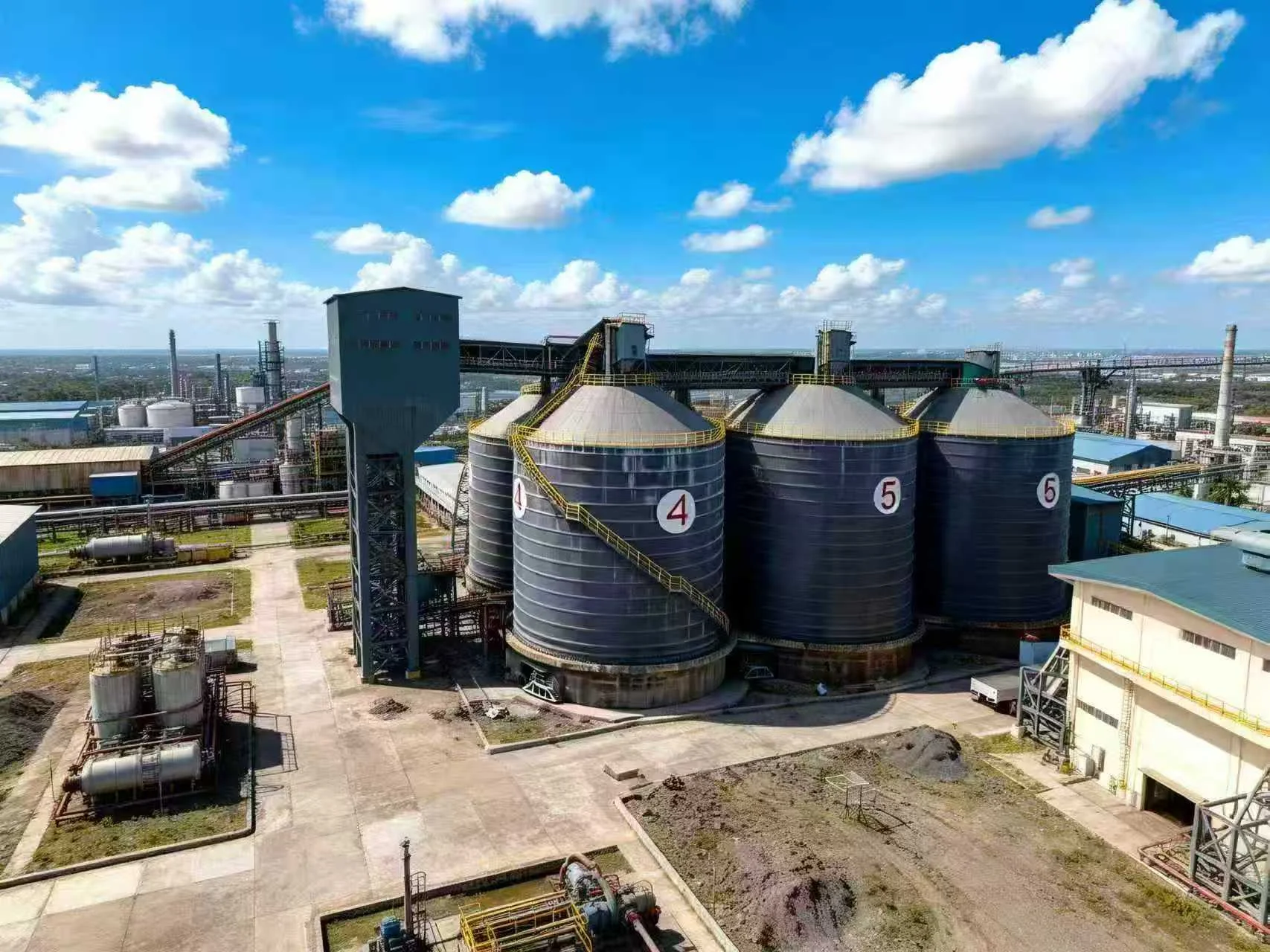
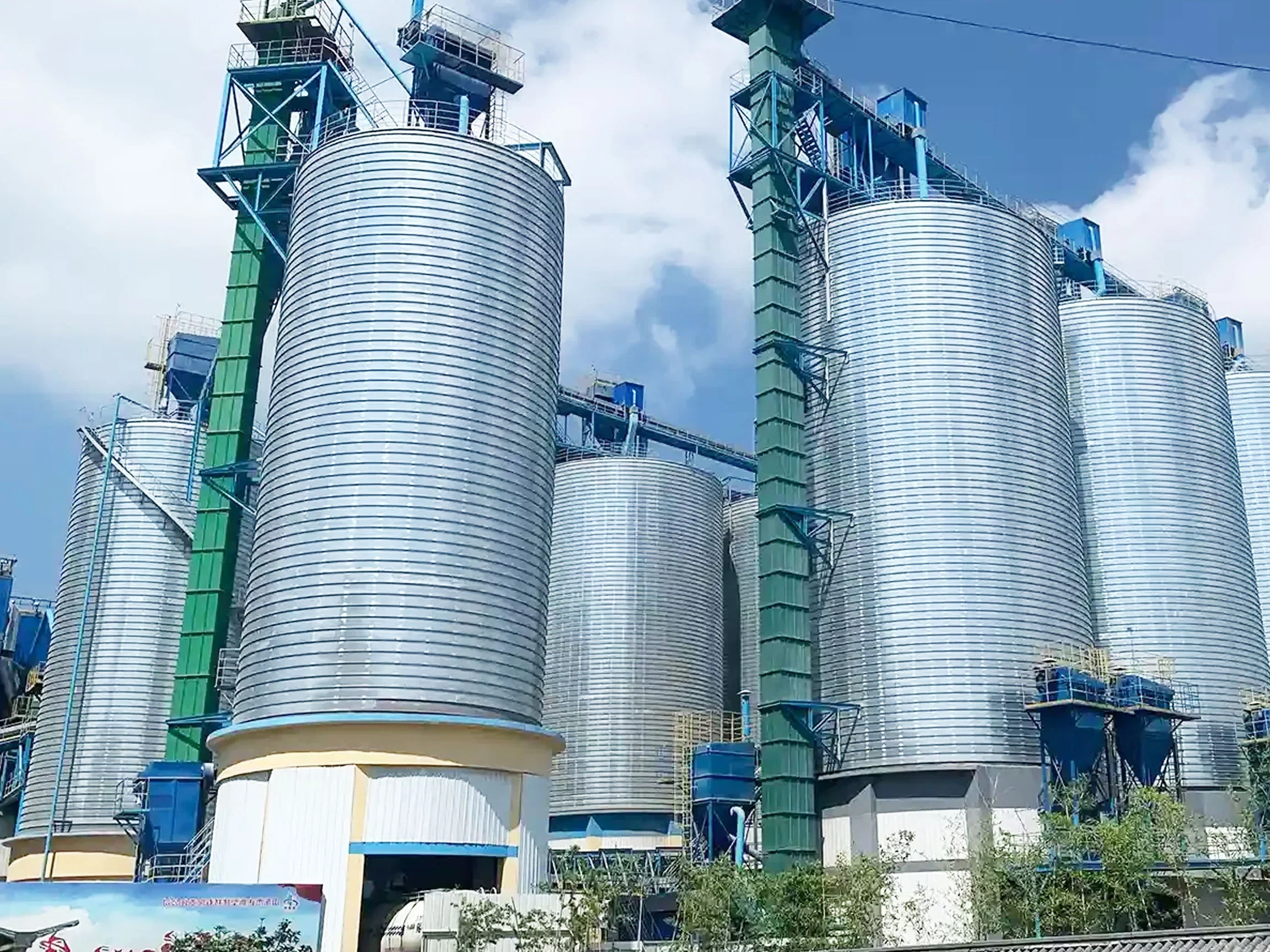
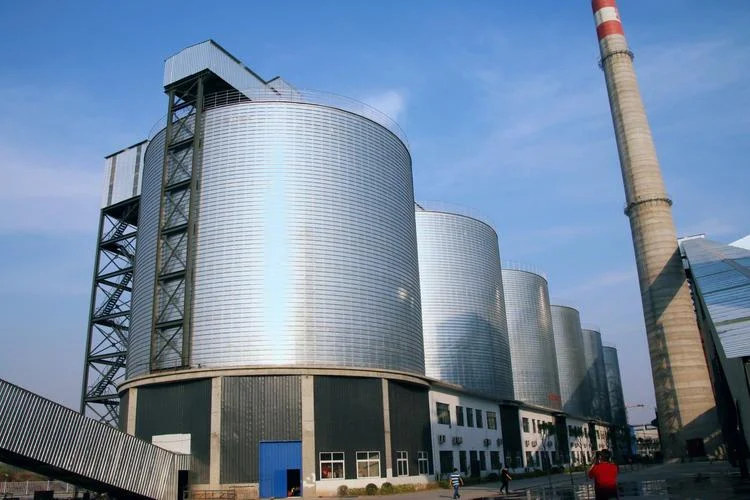
Comparing Common Cement Silo Types
| Silo Type | Silo Type | Key Advantage | Typical Use |
| Spiral Steel Silo | 100–8,000 t | Cost-effective, good sealing | Fixed industrial storage |
| Welded Steel Silo | 1,000–100,000 t | Maximum safety & strength | Core plant storage |
| Bolted Silo | 30–2,000 t | Easy transport & relocation | Temporary or overseas projects |
Operational & Maintenance Considerations
Spiral silos generally require simpler maintenance
Welded silos demand periodic inspection of weld seams and coatings
Bolted silos require routine bolt tightening and seal replacement
Evaluating total lifecycle cost instead of initial investment leads to better long-term performance.
Selecting the right cement silo means balancing capacity, environment, installation conditions, and operational cost. A systematic evaluation ensures stable production, reduced downtime, and improved project profitability.
Table of Contents
PDF
Download File
Manxing Industrial Silo Brochure
Manxing_Industrial_Silo_Brochure.pdf
Open the download form to unlock this file. The download will start automatically after submission.
Request a Quote
We are committed to providing you with exceptional service and ensuring a seamless buying experience. Please send us your inquiry, and we will respond with a detailed quotation.