


Cement Silo Selection Guide
Feb Thu, 2026
Choosing the Right Silo Type for Long-Term Industrial Projects
A cement silo is far more than a simple storage container. It directly affects production efficiency, environmental control, maintenance cost, and overall plant safety. Choosing the right silo type at the early stage of a project can significantly reduce material loss, prevent caking and leakage, shorten commissioning time, and improve long-term operational stability. Conversely, an improper selection may lead to frequent downtime, higher maintenance costs, and even safety risks.
This guide explains the main cement silo types and how to select the most suitable solution for long-term industrial applications.
Main Cement Silo Types for Industrial Use
Spiral Folded Steel Silo (Spiral Silo / Lipp Silo)
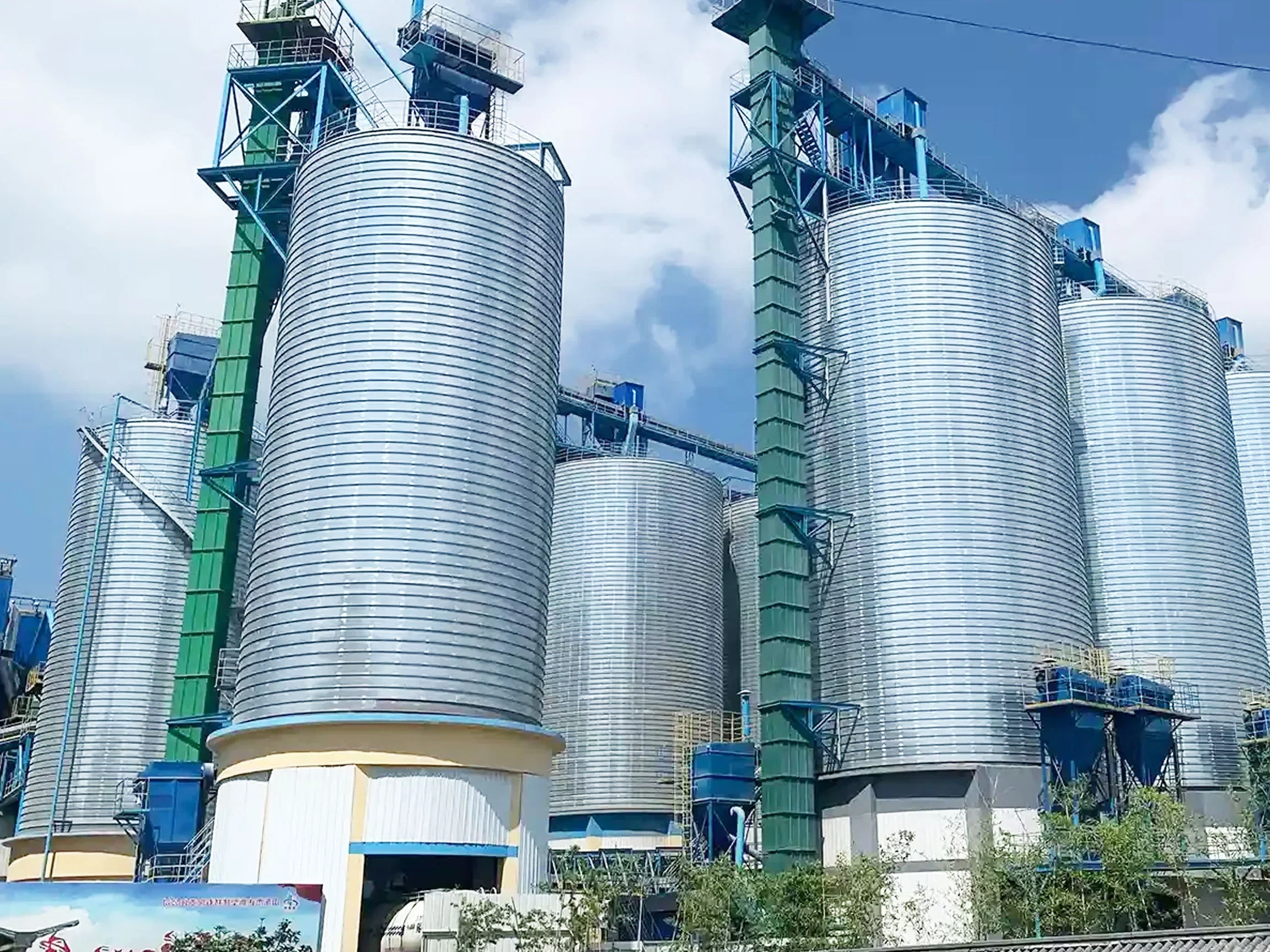
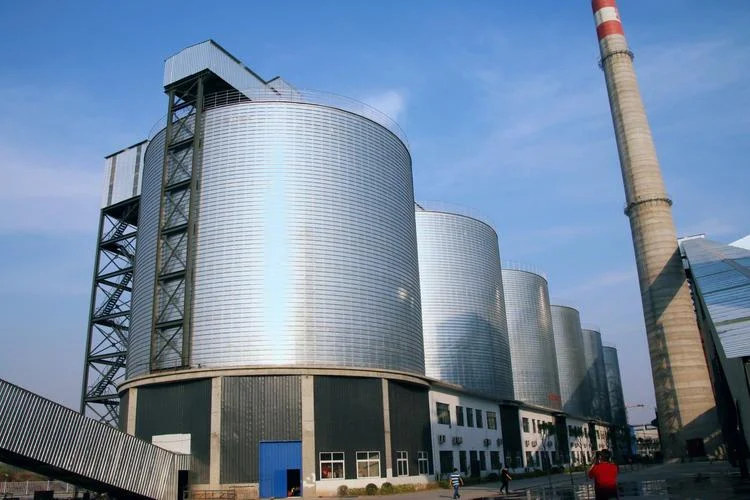
Spiral silos are formed on site using a special roll-forming machine. Steel coils are continuously cold-rolled into a cylindrical shell with a spiral seam and double-folded edge.
Key characteristics:
Typical capacity: 100–5,000 tons (up to ~8,000 tons for large designs)
Excellent air-tightness and moisture resistance
Lower steel consumption and lighter self-weight
Suitable for cement, fly ash, slag powder, and other fine powders
Ideal for sites with limited installation space
Typical applications:
Cement grinding stations and transfer terminals
Finished cement, fly ash, and mineral powder storage
Urban or port projects requiring large capacity but limited footprint
Welded Steel Plate Silo
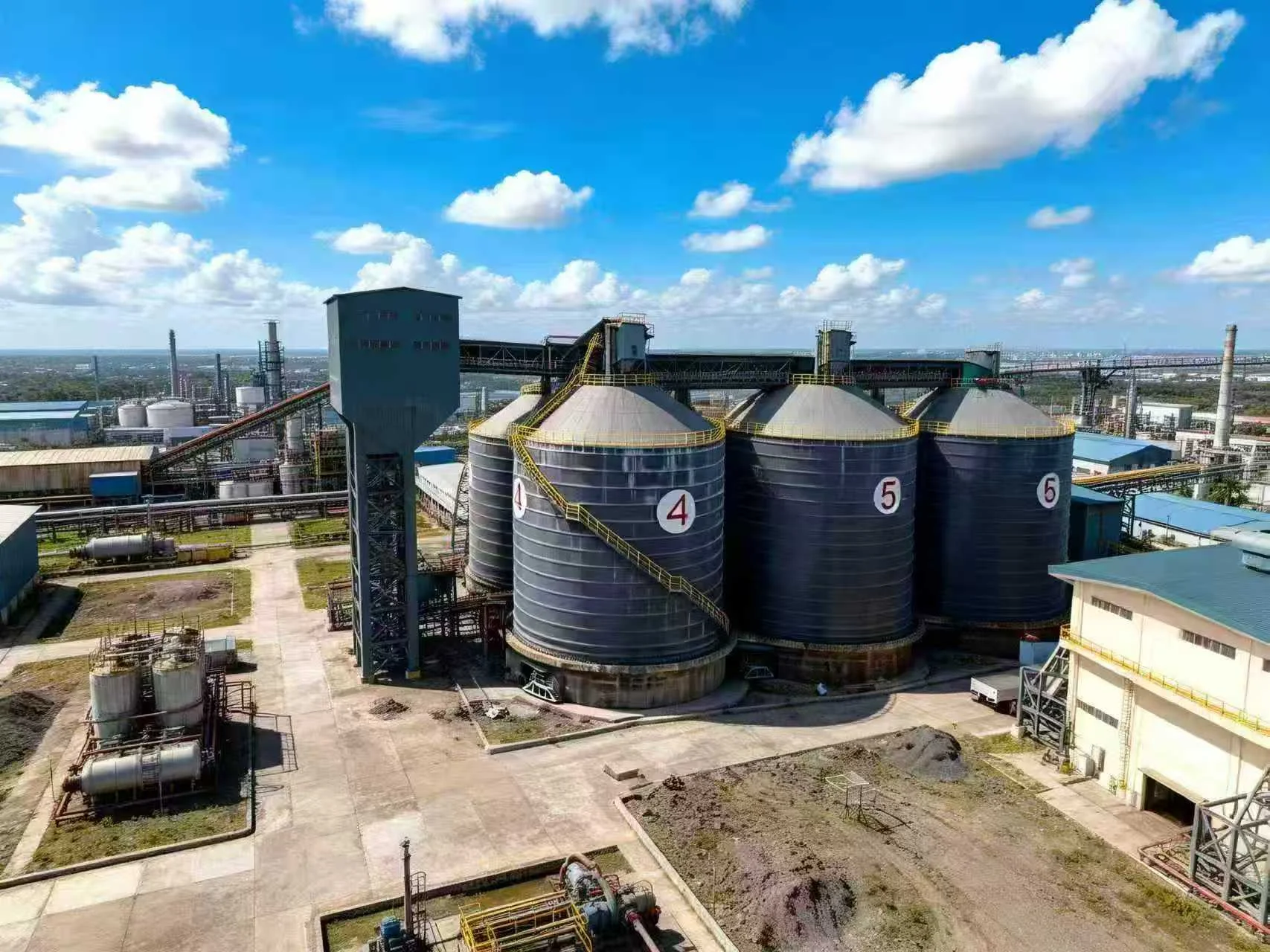
Welded silos are assembled on site using thick steel plates and fully welded into a monolithic structure. Additional stiffening systems ensure maximum structural strength.
Key characteristics:
Capacity range: 1,000–100,000 tons
Highest structural rigidity and load-bearing capability
Excellent performance under high wind, seismic, and high material-level conditions
Suitable for complex internal systems such as aeration floors and homogenization systems
Typical applications:
Large cement plants and clinker storage facilities
High-throughput port and terminal projects
Projects in high seismic or typhoon-prone regions
Key Factors in Cement Silo Selection
Material properties: Cement type, bulk density, flowability, and moisture sensitivity
Required capacity: Based on daily consumption and supply cycle, with 10–20% safety margin
Site conditions: Foundation bearing capacity, transportation limits, and available installation space
Climate conditions: Humidity, temperature extremes, wind and snow loads
Lifecycle cost: Total cost of ownership including installation, maintenance, and service life
For long-term, fixed industrial projects, spiral silos and welded steel silos are the preferred solutions. Proper silo selection improves safety, reduces operating risks, and optimizes long-term investment returns.
Table of Contents
PDF
Download File
Manxing Industrial Silo Brochure
Manxing_Industrial_Silo_Brochure.pdf
Open the download form to unlock this file. The download will start automatically after submission.
Request a Quote
We are committed to providing you with exceptional service and ensuring a seamless buying experience. Please send us your inquiry, and we will respond with a detailed quotation.