


Key Design Considerations for Large Fly Ash Steel Silos
Feb Thu, 2026
Key Design Considerations for Large Fly Ash Steel Silos
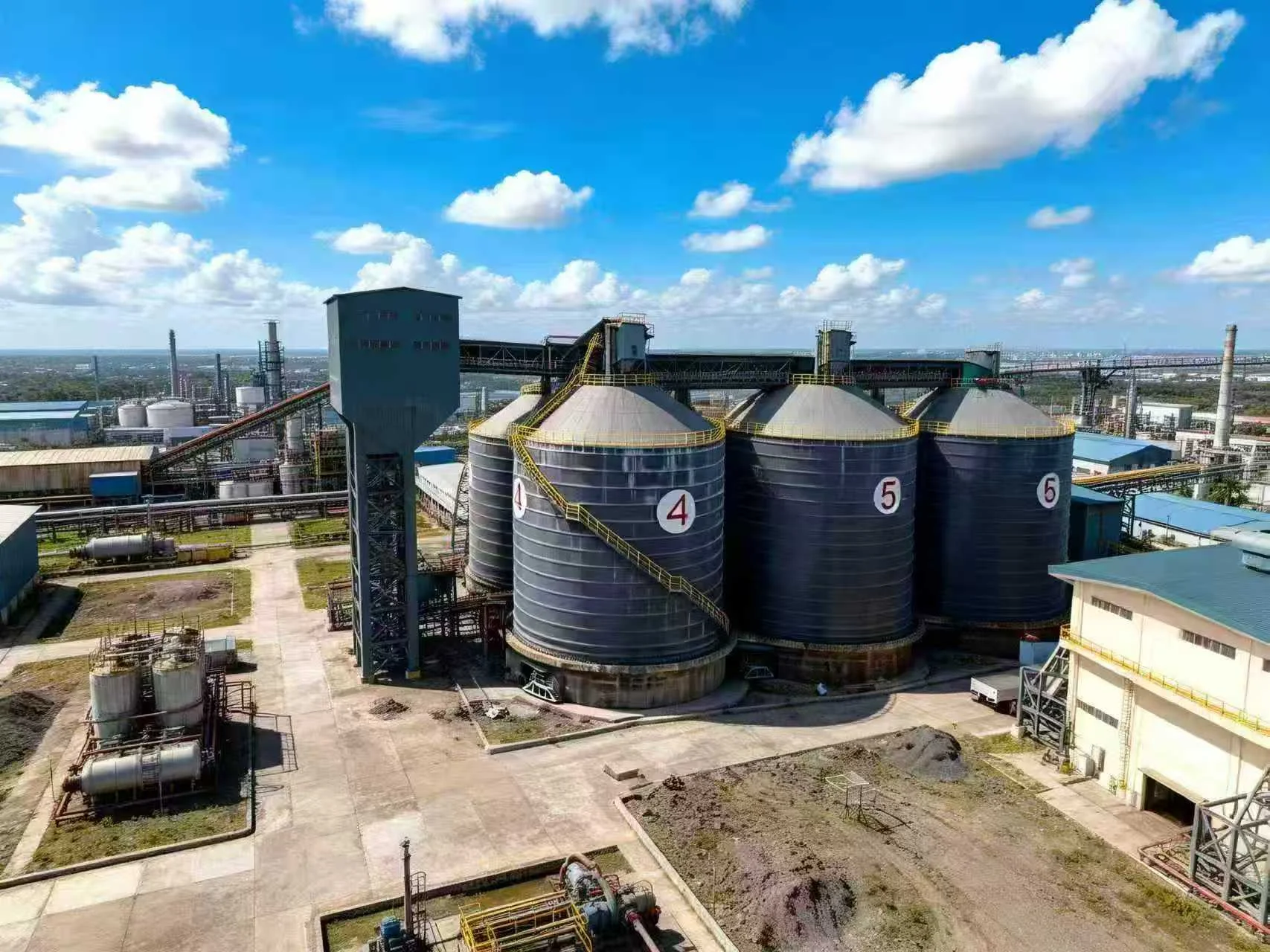
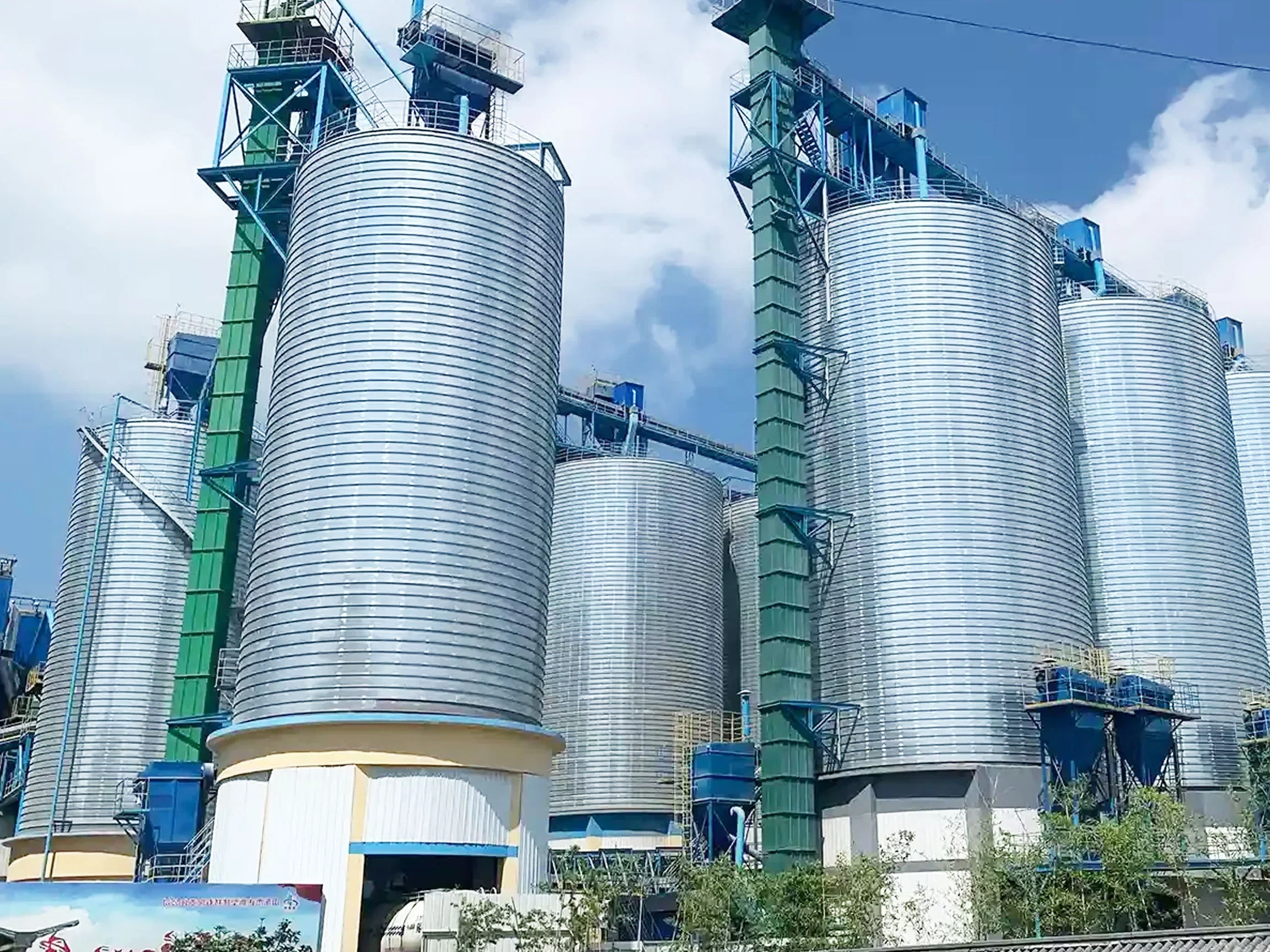
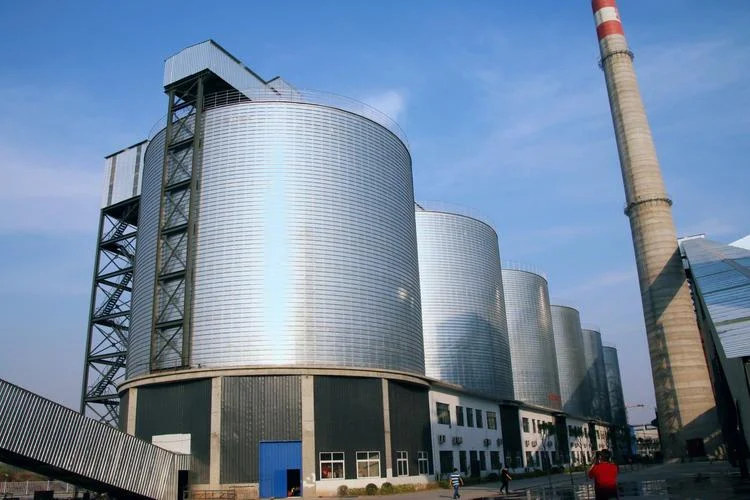
Large fly ash steel silos play a critical role in industrial production, bulk material storage, and long-term operational safety. Due to their large storage capacity, significant height, and complex structural behavior, the design of large steel silos must prioritize safety, reliability, and durability throughout their service life.
Importance of Structural Safety in Large Steel Silos
Scientific and rational silo design must fully consider the physical characteristics of stored materials such as density, flowability, and potential explosiveness. At the same time, the silo structure must remain stable under various external actions, including wind load, seismic load, temperature variation, and long-term operational conditions.
Inadequate design may result in serious accidents such as silo collapse, material blockage, fires, or dust explosions, leading to severe casualties and economic losses. Therefore, the design of large steel silos should integrate structural integrity, process requirements, and safety monitoring systems to ensure safe storage, efficient operation, and sustainable development for enterprises.
Challenges in Designing Large Fly Ash Steel Silos
Large fly ash steel silos are characterized by:
Large storage volume
High structural height
Complex stress distribution
Significant influence of dynamic loads such as wind and earthquakes
These factors make structural safety and reliability essential considerations in the design phase.
Finite Element Analysis for Structural Reliability
Due to the complex force conditions of large steel silos, theoretical calculations alone are often insufficient. In this project, advanced finite element analysis software such as STAAD was used to establish an integrated model of the silo body and roof structure.
Finite element analysis was conducted under multiple load cases and combinations, including:
Dead load
Stored material load
Live load
Wind load
Seismic action
This approach allows precise evaluation of stress distribution and deformation characteristics, ensuring that the structural design meets safety and reliability requirements under all operating conditions.
Roof Structure Design
Taking a 63,000 m³ fly ash steel silo as an example, the silo adopts a large welded steel plate structure with a domed roof design. The dome roof provides excellent load-bearing capacity and drainage performance.
Key roof parameters include:
Roof rise: 8 meters
Roof plate thickness: 5 mm
Structural form: truss system
The roof truss system consists of truss beams, circumferential tie rods, cross bracing, and stiffened flat steel, significantly enhancing the overall stability and safety of the roof structure.
Wall Structure and Reinforcement System
The silo wall is fabricated by welding steel plates of varying thicknesses. From bottom to top, the wall is divided into 20 steel plate sections, all made of Q355B structural steel.
Structural reinforcement includes:
Channel steel used as primary supports
Vertical stiffeners inside the silo
Circumferential stiffeners on the outer wall
Full welding between stiffeners and wall plates
Both vertical and circumferential stiffeners are made of Q355B steel, ensuring sufficient strength and long-term durability.
The safe design of large fly ash steel silos requires a comprehensive approach that integrates material properties, structural mechanics, and advanced numerical analysis. Through finite element modeling, optimized roof and wall structures, and robust reinforcement systems, large steel silos can achieve safe, stable, and efficient long-term operation.
Table of Contents
PDF
Download File
Manxing Industrial Silo Brochure
Manxing_Industrial_Silo_Brochure.pdf
Open the download form to unlock this file. The download will start automatically after submission.
Request a Quote
We are committed to providing you with exceptional service and ensuring a seamless buying experience. Please send us your inquiry, and we will respond with a detailed quotation.