
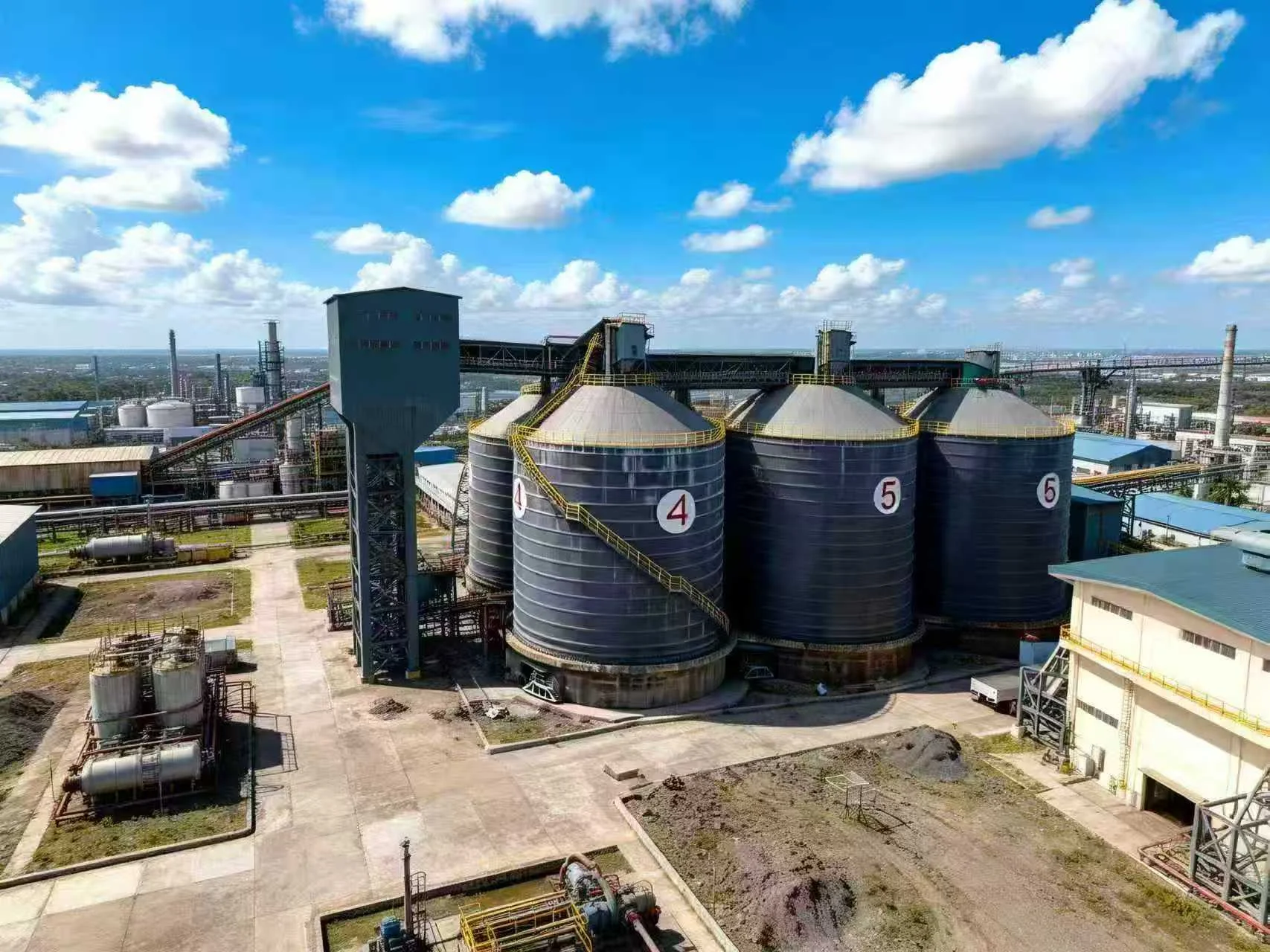
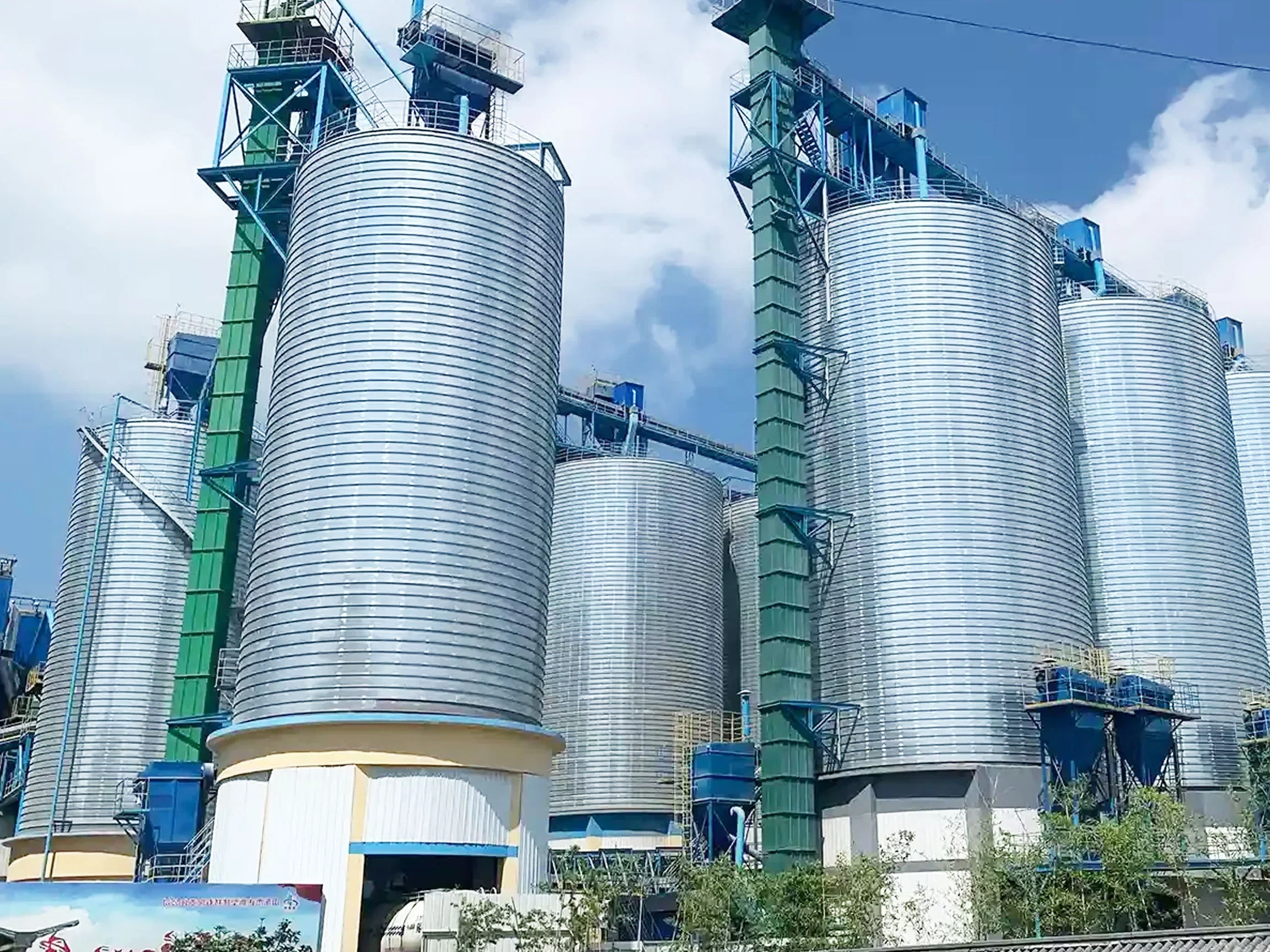
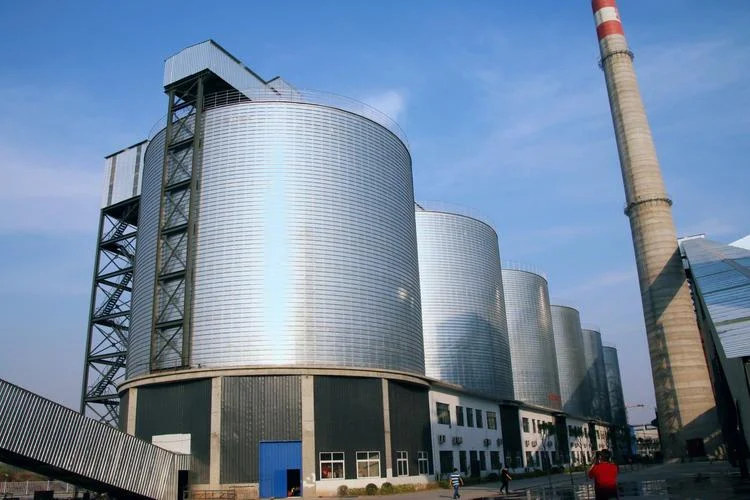


Spiral Steel Silos: Engineering Principles and Structural Advantages
Feb Thu, 2026
Spiral steel silos represent an advanced solution for bulk material storage in industries such as cement, fly ash, grain, and mining. As demand for higher efficiency, safety, and cost control continues to grow, spiral folded steel silos have become a preferred choice due to their innovative forming technology and superior structural performance.
Engineering Background of Spiral Steel Silos
Early steel silos were mainly used for grain storage and were constructed using thick steel plates joined by riveting or welding. While welding technology improved construction efficiency, it was the introduction of spiral folding technology in 1968 by German companies that marked a major breakthrough in steel silo engineering.
By adopting continuous spiral double-folded seams, spiral steel silos achieve high circumferential tensile strength and excellent resistance to radial pressure even with steel plates as thin as 3–4 mm. This design significantly improves material utilization while ensuring structural reliability and long-term durability.
Mechanical Spiral Forming Technology
Spiral steel silos are manufactured on-site using fully mechanized equipment imported from Germany. The silo body is formed through a continuous spiral rolling process, eliminating the need for welding or bolted connections.
The spiral ribs created during forming act as continuous stiffening rings, enhancing overall rigidity, seismic resistance, and deformation control. Combined with vertical columns installed progressively during construction, the silo structure maintains excellent stability even at large diameters and heights.
Structural Performance and Safety
Thanks to the integrated spiral ribs and optimized column layout, spiral steel silos offer:
High structural strength and stiffness
Excellent seismic and wind resistance
Uniform stress distribution along the silo wall
Reliable performance under long-term operational loads
This engineering-oriented design makes spiral steel silos particularly suitable for large-capacity industrial storage applications requiring high safety standards.
From an engineering perspective, spiral steel silos combine advanced forming technology with optimized structural mechanics. Their high strength-to-weight ratio, mechanical reliability, and proven safety performance make them a modern and efficient alternative to traditional welded steel silos.
Table of Contents
PDF
Download File
Manxing Industrial Silo Brochure
Manxing_Industrial_Silo_Brochure.pdf
Open the download form to unlock this file. The download will start automatically after submission.
Request a Quote
We are committed to providing you with exceptional service and ensuring a seamless buying experience. Please send us your inquiry, and we will respond with a detailed quotation.