


Essential Steel Silo Design Factors for Bulk Material Storage
Apr Wed, 2026
Introduction to Modern Steel Silo Engineering
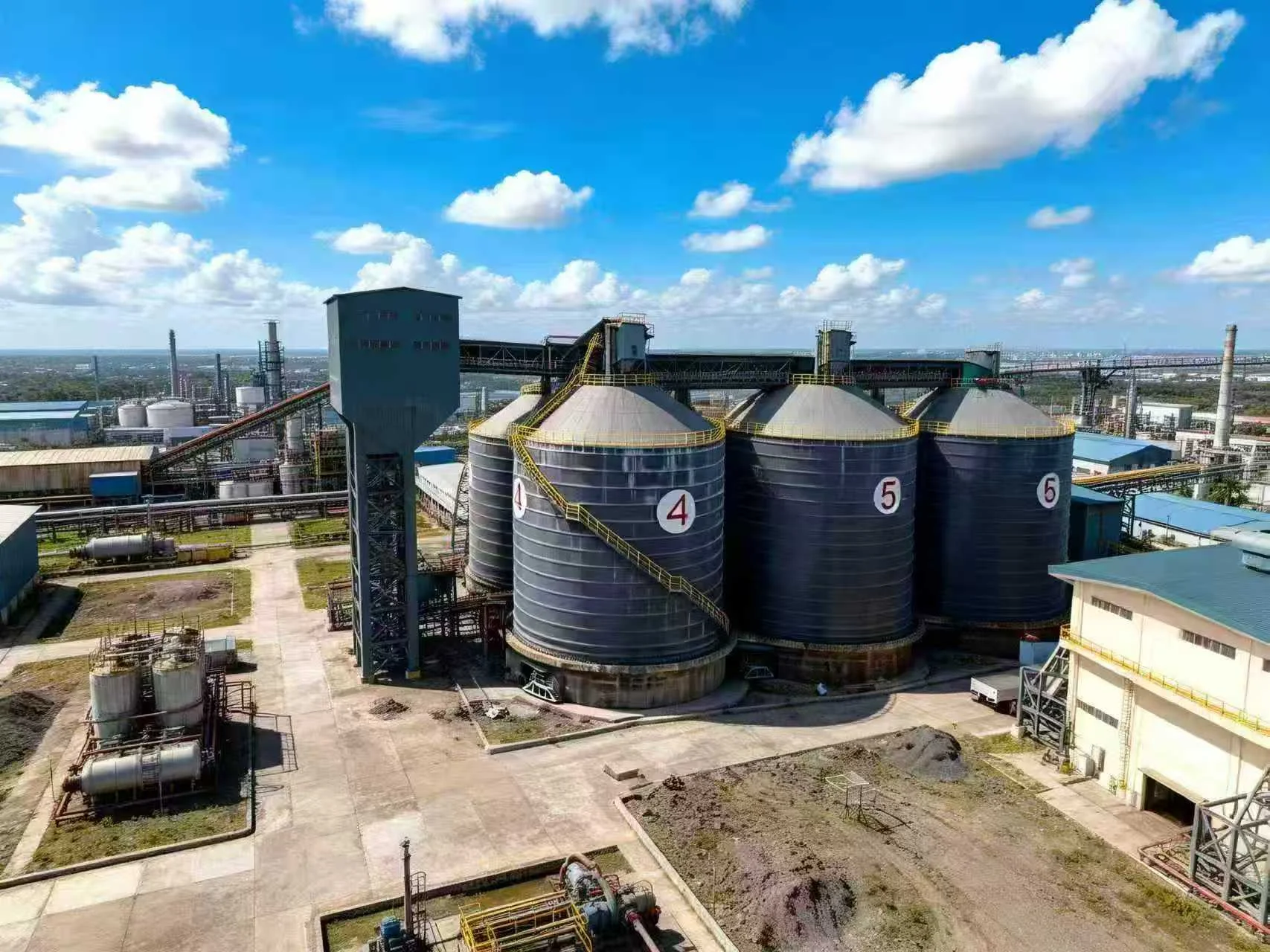
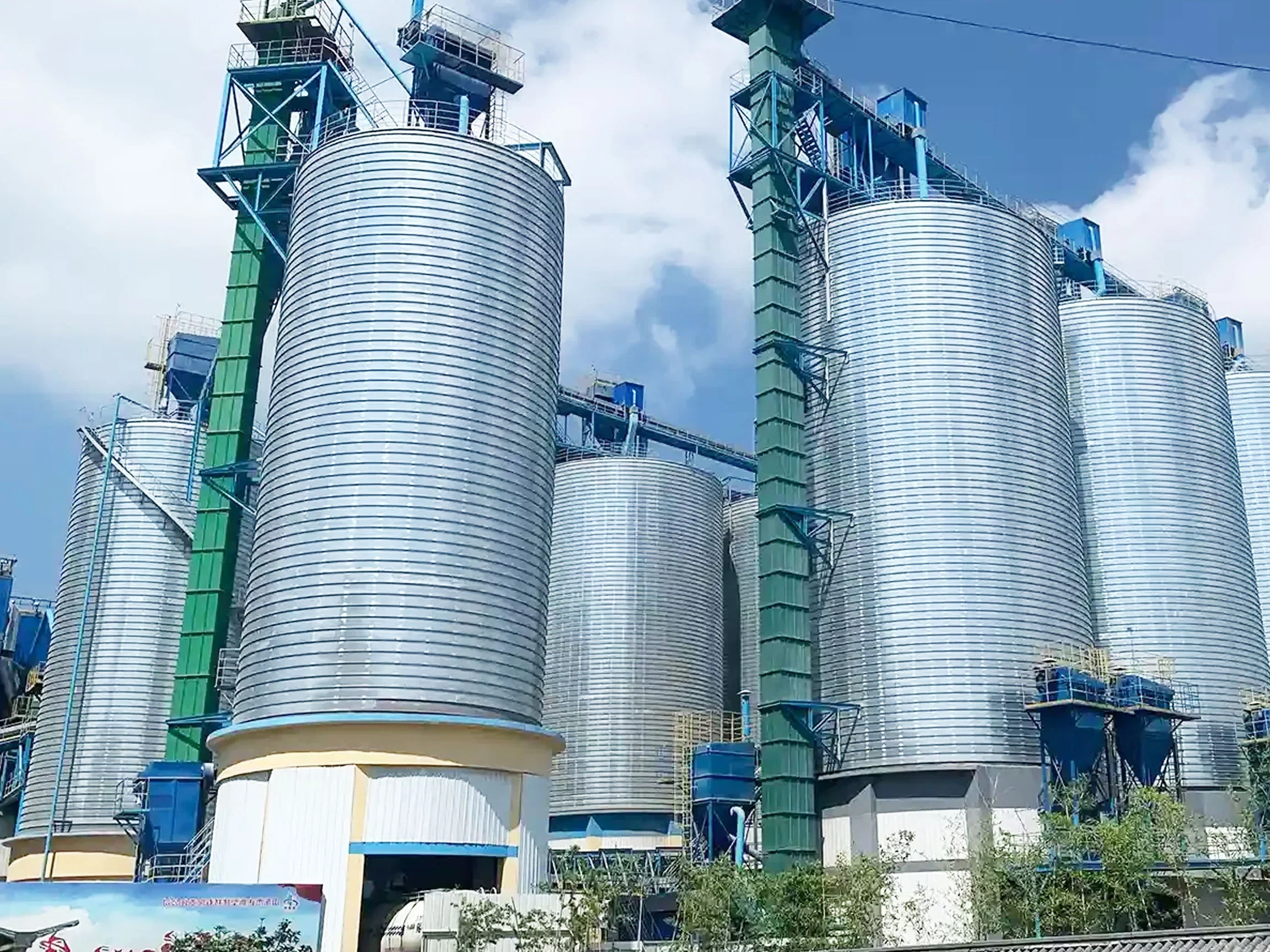
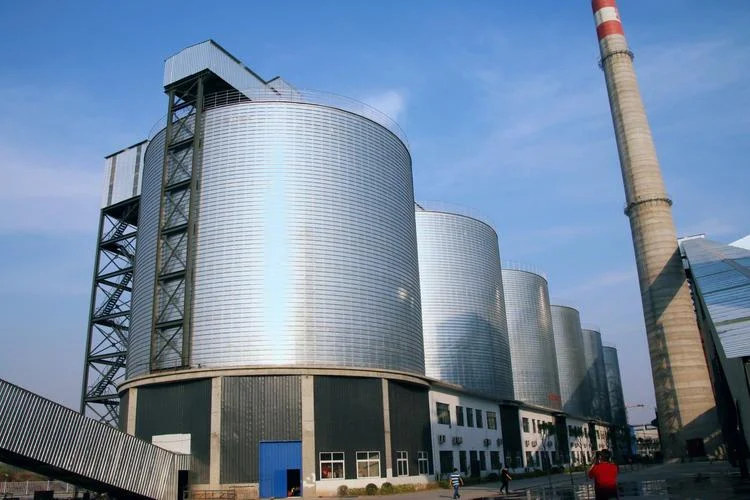
In today's industrial landscape, steel silos have evolved from simple storage containers to sophisticated engineering structures that form the backbone of material handling systems across multiple sectors. From agricultural facilities storing grains and feed to cement plants managing powder materials and mining operations handling ores, these structures must withstand complex loading conditions while maintaining operational efficiency. The transition toward larger storage capacities—with some modern silos exceeding 8,000 mm in cylindrical height and 6,000 mm in conical sections—has introduced new engineering challenges that demand comprehensive design approaches. Unlike smaller storage units, these industrial-scale structures require meticulous attention to structural integrity, material compatibility, and long-term reliability.
The growing demand for bulk material storage solutions reflects broader trends in industrial production and logistics optimization. Engineers and project managers now face the task of designing silos that not only meet capacity requirements but also address safety concerns, environmental factors, and operational flexibility. This engineering-focused examination explores the critical design considerations that determine the success of steel silo projects, providing practical insights for professionals involved in specification, procurement, and implementation phases.
Structural Load Analysis and Capacity Planning
Accurate load calculation forms the foundation of any successful silo design project. Engineers must consider both static and dynamic forces acting on the structure throughout its operational lifecycle. The total load comprises multiple components: the weight of stored materials, the self-weight of the silo structure, environmental loads from wind and seismic activity, and operational loads from filling and discharge processes. For a typical industrial silo with dimensions like 8,975 mm cylindrical height and 6,500 mm conical section, material weight alone can exceed 1,000 metric tons, creating significant pressure on structural elements.
Pressure distribution within the silo varies considerably depending on material characteristics and operational conditions. Janssen's theory provides the mathematical framework for calculating lateral pressures in deep storage structures, while Reimbert's method offers alternatives for specific material types. Maximum tensile stresses in the silo shell can reach critical levels—engineering calculations often reveal values around 700 MPa in high-load scenarios—necessitating careful material selection and reinforcement strategies. The transition zone between cylindrical and conical sections represents a particular concern, as stress concentrations in these areas can lead to structural failure if not properly addressed during design.
Material Properties and Storage Compatibility
The physical and chemical characteristics of stored materials directly influence silo design parameters. Bulk solids exhibit diverse behaviors that engineers must accommodate through structural adaptations. Key material properties affecting design include particle size distribution, moisture content, angle of repose, bulk density, and flow characteristics. Cohesive materials like cement powder create different pressure patterns than free-flowing grains, while abrasive materials like certain ores require specialized lining systems to prevent excessive wear.
Material-induced loads represent a complex engineering challenge that extends beyond simple weight calculations. The phenomenon of arching—where materials form stable bridges that interrupt flow—requires specific hopper designs with appropriate angles and surface finishes. Segregation tendencies in materials with varying particle sizes necessitate careful consideration of discharge mechanisms. Corrosive materials demand corrosion-resistant steel grades or protective coatings, while temperature-sensitive products may require insulation systems. Understanding these material-specific behaviors enables engineers to design silos that maintain material quality while ensuring reliable operation.
Geometric Configuration and Structural Optimization
Silo geometry plays a crucial role in determining both storage capacity and structural performance. The relationship between diameter, height, and hopper angle creates a multidimensional optimization problem where engineers balance storage efficiency against construction costs and structural requirements. Larger diameters reduce wall pressures through increased cross-sectional area but increase foundation loads and wind exposure. Taller silos maximize land use efficiency but introduce additional challenges related to material discharge and structural stability.
The hopper design deserves particular attention in geometric planning. Conical hoppers with angles between 45 and 60 degrees typically provide reliable flow for most materials, while shallower angles may be necessary for particularly cohesive products. Transition sections between different geometric elements require reinforcement to manage stress concentrations. For structures with significant heights—such as those exceeding 15 meters—engineers must consider buckling resistance, particularly in slender configurations where diameter-to-height ratios create vulnerability to compressive failure. Modern computational tools enable detailed finite element analysis of these geometric factors, allowing optimization before construction begins.
Welding Techniques and Connection Design
Welded connections form the structural backbone of steel silos, with their quality directly impacting overall integrity and longevity. Large welded steel silos present unique challenges compared to smaller bolted structures, as welding-induced stresses and distortions can significantly affect performance. The selection of welding processes—whether submerged arc welding for main seams or shielded metal arc welding for attachments—depends on material thickness, accessibility, and quality requirements. Proper joint design, including preparation, fit-up, and sequencing, helps minimize residual stresses that could compromise structural behavior.
Connection details between different structural elements require careful engineering consideration. The junction between shell plates and stiffening rings, the attachment of hopper sections to cylindrical walls, and the interface with support structures all represent potential failure points if not properly designed. Engineers must account for load transfer mechanisms, fatigue considerations in cyclic loading environments, and compatibility with thermal expansion. Non-destructive testing methods, including ultrasonic examination and radiographic inspection, provide quality assurance for critical welds in safety-sensitive applications. The development of automated welding systems has improved consistency in large-scale silo construction while reducing human error in repetitive joining operations.
Foundation Design and Support Systems
The interface between silo structure and foundation represents a critical engineering consideration that often determines long-term performance. Foundation systems must accommodate substantial vertical loads—sometimes exceeding 1,100 metric tons for fully loaded industrial silos—while managing uneven settlement and lateral forces. Soil investigation provides essential data for foundation design, with parameters like bearing capacity, settlement characteristics, and groundwater conditions influencing system selection. Common foundation types include reinforced concrete rafts for uniform soil conditions and piled foundations for weaker substrates.
Support configurations vary based on silo geometry and operational requirements. Column-supported silos allow clearance beneath the hopper for discharge equipment but introduce concentrated loads that require careful distribution. Skirt-supported designs provide continuous load transfer to foundations but limit access to the discharge area. Engineers must consider thermal effects on support systems, particularly in environments with significant temperature variations that cause expansion and contraction. The integration of seismic design principles becomes essential in earthquake-prone regions, where base isolation systems or specially designed ductile connections may be necessary to ensure structural survival during seismic events.
Safety Factors and Regulatory Compliance
Industrial silo design incorporates multiple safety considerations that extend beyond basic structural adequacy. Engineering standards such as Eurocode 1 Part 4, API 650, and various national codes provide frameworks for addressing loads, materials, and construction practices. These standards typically specify load combinations that include dead loads, live loads, wind loads, seismic loads, and temperature effects, with appropriate factors applied to each based on probability and consequence of failure. The partial safety factor approach common in modern codes allows more refined risk management than traditional working stress methods.
Operational safety features represent an increasingly important aspect of silo design. Pressure relief systems prevent catastrophic failure during overfilling or gas generation scenarios, while access platforms and fall protection enable safe maintenance activities. Dust control systems address both environmental concerns and explosion risks in certain material applications. The design of inspection ports, level indicators, and monitoring systems facilitates ongoing assessment of structural condition and material status. Engineers must also consider constructability and maintenance access during the design phase, ensuring that safety systems remain functional throughout the structure's service life.
Maintenance Considerations and Lifecycle Management
Effective silo design incorporates maintenance requirements from the initial planning stages, recognizing that accessibility and inspectability significantly impact long-term performance. Corrosion protection systems—whether through protective coatings, cathodic protection, or material selection—require periodic assessment and renewal. Interior surfaces subject to abrasion may need replaceable liners or specially hardened materials in high-wear areas. The design of manways, inspection openings, and cleaning systems should accommodate the specific maintenance needs of stored materials, particularly those prone to buildup or degradation.
Lifecycle management extends beyond physical maintenance to include monitoring and assessment protocols. Structural health monitoring systems can track parameters like strain, vibration, and settlement, providing early warning of potential issues. Regular inspection programs should address both visible conditions and hidden deterioration, with particular attention to areas prone to stress concentration or environmental exposure. The design of ancillary systems—including filling and discharge equipment, dust collection, and temperature control—should facilitate maintenance without requiring silo evacuation or extended downtime. By integrating these considerations into the initial design, engineers create structures that maintain reliability throughout their intended service life while minimizing operational disruptions.
Conclusion and Implementation Guidance
Successful steel silo design requires a holistic approach that balances structural requirements, material characteristics, operational needs, and lifecycle considerations. The engineering principles discussed here provide a framework for developing storage solutions that meet today's industrial demands while anticipating future challenges. As bulk material storage needs continue to evolve, engineers must remain informed about technological advancements in materials, analysis methods, and construction techniques.
For organizations planning new storage facilities or upgrading existing infrastructure, engaging experienced engineering partners early in the process ensures that design decisions align with operational objectives and regulatory requirements. Comprehensive feasibility studies that address site conditions, material properties, and capacity needs provide valuable data for informed decision-making. By applying these design considerations systematically, industrial operations can achieve reliable, efficient bulk material storage that supports their production goals while maintaining safety and sustainability standards. Further exploration of specific applications or technical challenges can help tailor these general principles to particular operational contexts.
Table of Contents
PDF
Download File
Manxing Industrial Silo Brochure
Manxing_Industrial_Silo_Brochure.pdf
Open the download form to unlock this file. The download will start automatically after submission.
Request a Quote
We are committed to providing you with exceptional service and ensuring a seamless buying experience. Please send us your inquiry, and we will respond with a detailed quotation.