


Steel Silos: Optimizing Bulk Material Logistics Operations
Apr Wed, 2026
Introduction: Revolutionizing Material Flow in Industrial Operations
In today's competitive industrial landscape, logistics managers face constant pressure to streamline material handling while controlling costs. Traditional storage methods often create bottlenecks, increase material loss, and require extensive labor. Steel silos have emerged as a transformative solution, offering engineered structures specifically designed to enhance bulk material logistics. These vertical and horizontal storage systems provide operational advantages that extend far beyond simple containment, creating integrated handling ecosystems that boost efficiency throughout the supply chain.
Engineered for Rapid Deployment and Operational Flexibility
Unlike conventional welded storage structures that require lengthy on-site construction, modern steel silos feature precision-engineered components that enable remarkably fast deployment. Bolted panel systems arrive pre-fabricated and ready for assembly, significantly reducing installation timelines. This accelerated setup means operations can commence weeks earlier than with traditional alternatives, providing immediate return on investment.
The modular nature of these systems offers exceptional adaptability for evolving operational needs. Logistics managers can easily expand storage capacity by adding additional silo units or reconfigure layouts to accommodate changing material flows. This flexibility proves particularly valuable in dynamic industrial environments where production requirements fluctuate seasonally or in response to market demands. The standardized components ensure consistent quality while allowing for customized configurations to match specific site constraints and material characteristics.
Integrated Material Handling: From Receiving to Distribution
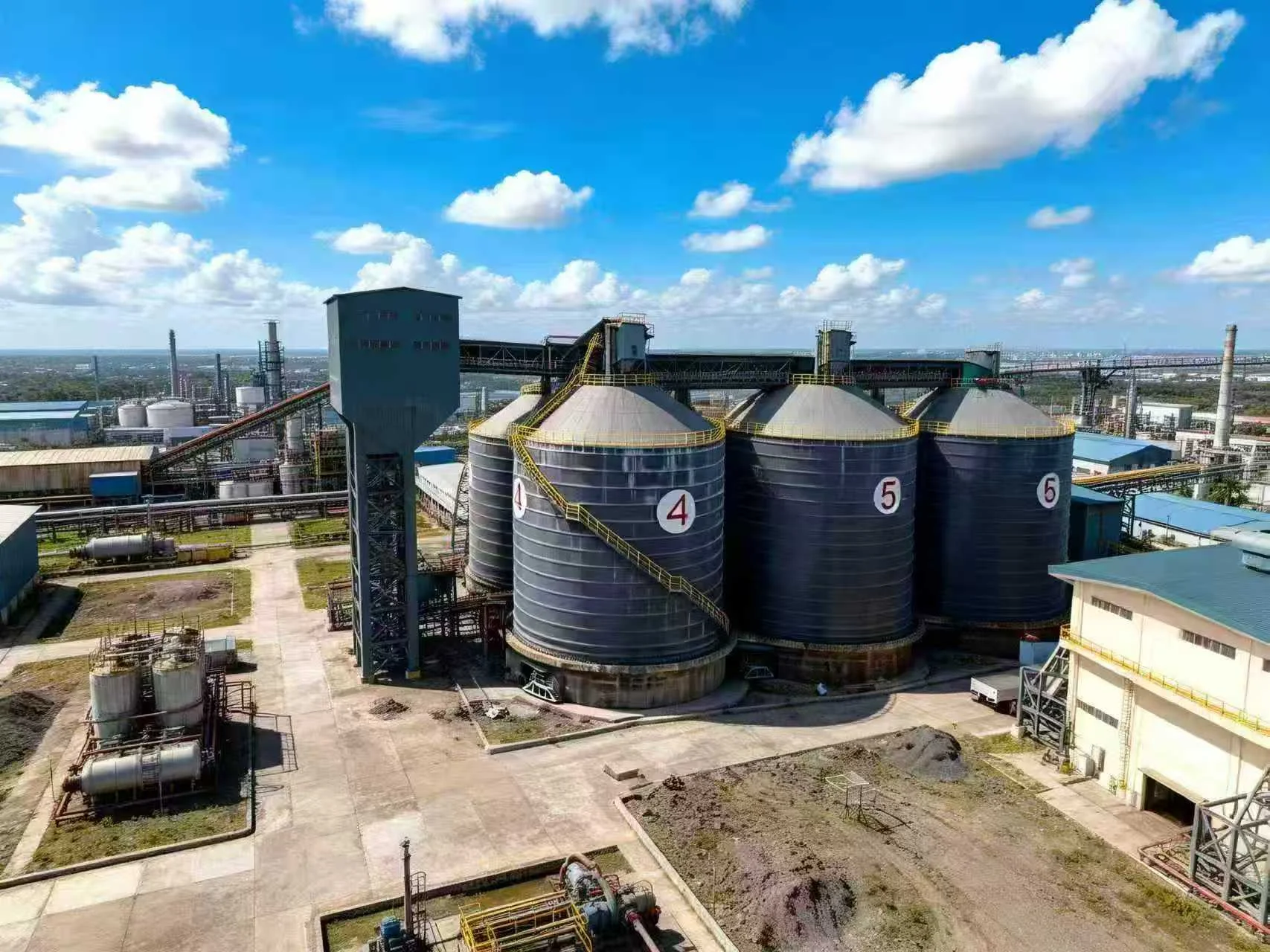
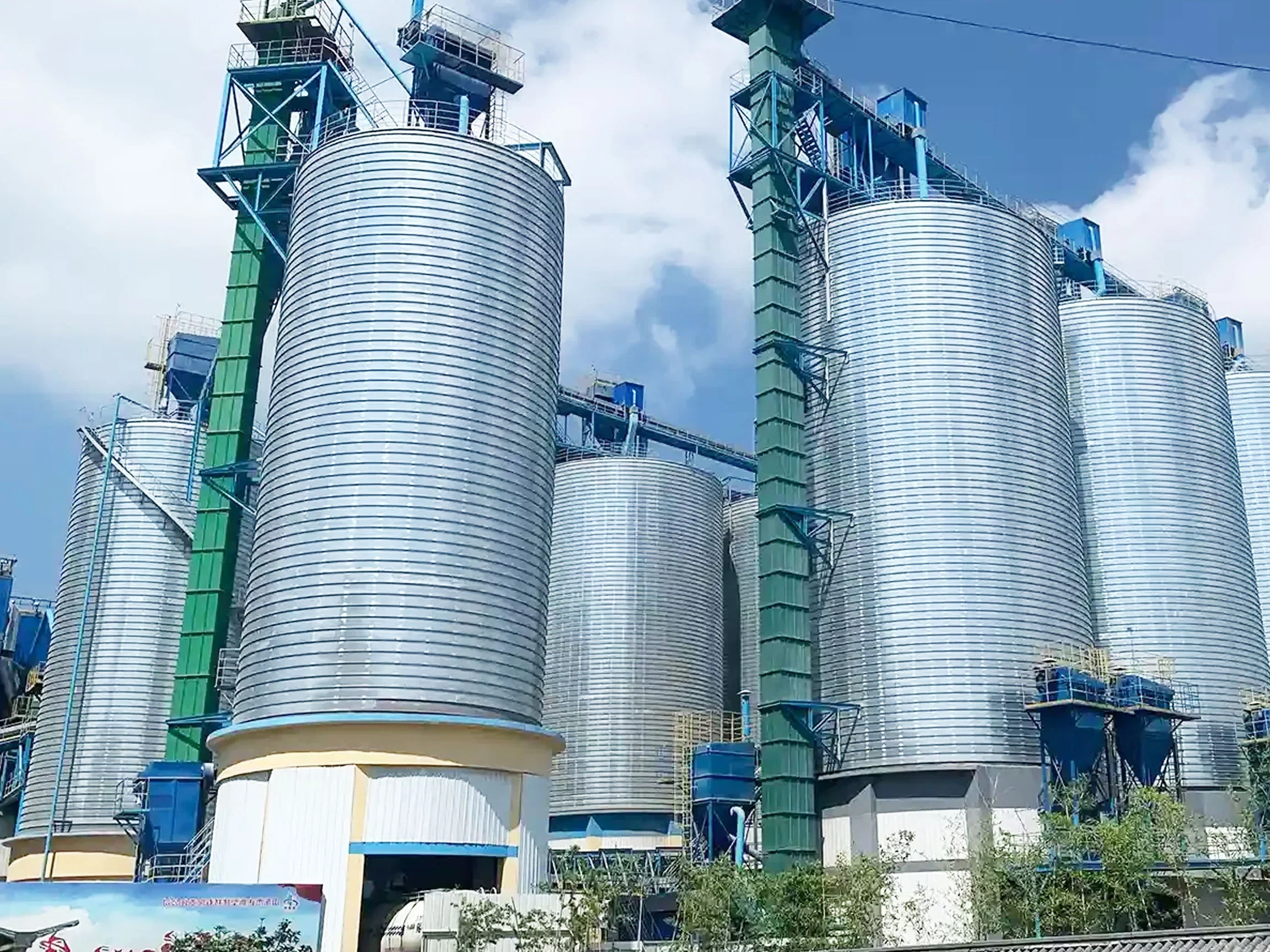
Steel silos function as central hubs within comprehensive material handling ecosystems. Bulk transport vehicles deliver materials directly to these storage structures, where specialized unloading equipment facilitates efficient transfer. Pneumatic conveying systems or mechanical feeders then move materials into the silos with minimal manual intervention, reducing labor requirements and enhancing safety.
Within the storage environment, advanced features ensure optimal material preservation and flow:
Temperature and humidity monitoring systems prevent spoilage of sensitive materials
Automated level indicators provide real-time inventory data for precise logistics planning
Discharge systems with variable flow rates enable controlled material release
Integrated dust collection maintains clean operations and regulatory compliance
Segregation capabilities allow multiple material types within single installations
Cost Optimization Through Operational Efficiency
The economic advantages of steel silo integration extend across multiple operational dimensions. Reduced material loss represents a significant financial benefit, as enclosed storage prevents contamination and minimizes spillage during handling. The durability of galvanized or stainless steel construction ensures long service life with minimal maintenance requirements, lowering total cost of ownership.
Operational cost savings manifest in several key areas:
Labor requirements decrease through automated loading and unloading processes
Energy consumption reduces with efficient material flow designs
Space utilization improves through vertical storage configurations
Transportation costs decline with optimized inventory management
Insurance premiums often lower due to enhanced safety features
Enhancing Supply Chain Resilience and Continuity
Steel silos contribute significantly to operational reliability by providing buffer storage that decouples production processes from supply chain fluctuations. This buffer capacity enables continuous operations even during transportation delays or supplier disruptions. The robust construction withstands environmental challenges, ensuring material protection under varying conditions.
For logistics managers, this resilience translates to several strategic advantages:
Production continuity maintained during external supply interruptions
Quality consistency achieved through controlled storage environments
Scalability accommodated without major infrastructure investments
Regulatory compliance simplified with contained handling systems
Safety standards elevated through reduced manual material contact
Technical Considerations for Optimal Integration
Successful steel silo implementation requires careful consideration of material characteristics and operational parameters. Material flow properties, including angle of repose and abrasiveness, influence silo design and discharge mechanisms. Corrosion resistance needs vary based on stored materials, with options ranging from mild steel with protective coatings to stainless steel for aggressive substances.
Key technical specifications that impact performance include:
Capacity requirements based on consumption rates and delivery schedules
Structural design accounting for seismic and wind loads in specific regions
Material compatibility with lining systems for specialized applications
Automation integration capabilities with existing control systems
Maintenance access provisions for inspection and cleaning operations
Future-Proofing Operations with Smart Storage Solutions
Modern steel silos increasingly incorporate digital technologies that transform them from passive storage vessels into intelligent components of material handling networks. Sensor arrays monitor conditions in real time, while connectivity enables remote management and predictive maintenance scheduling. These smart features provide logistics managers with unprecedented visibility and control over material inventories.
The integration potential extends to broader operational systems:
Inventory management software synchronization for accurate stock tracking
Automated replenishment triggering based on consumption patterns
Performance analytics identifying optimization opportunities
Energy management systems reducing operational costs
Safety monitoring with automated alerts for abnormal conditions
Conclusion: Strategic Advantage Through Engineered Storage
Steel silos represent more than mere storage containers; they serve as foundational elements of efficient bulk material handling systems. Their engineered design, rapid deployment capabilities, and integration potential make them indispensable tools for logistics managers seeking to optimize operations. By reducing material loss, lowering handling costs, and enhancing supply chain resilience, these structures deliver measurable improvements across industrial operations.
As material handling requirements continue evolving, steel silos provide the flexibility and durability needed to adapt to changing conditions while maintaining operational efficiency. Their role in modern industrial logistics will only expand as automation and digital integration advance. To explore how engineered storage solutions can transform your material handling operations, consider consulting with specialists who can assess your specific requirements and recommend optimal configurations.
Table of Contents
PDF
Download File
Manxing Industrial Silo Brochure
Manxing_Industrial_Silo_Brochure.pdf
Open the download form to unlock this file. The download will start automatically after submission.
Request a Quote
We are committed to providing you with exceptional service and ensuring a seamless buying experience. Please send us your inquiry, and we will respond with a detailed quotation.