


Cement Silo Aeration Systems: Technical Guide for Engineers
Apr Tue, 2026
Introduction: The Critical Role of Aeration in Cement Storage
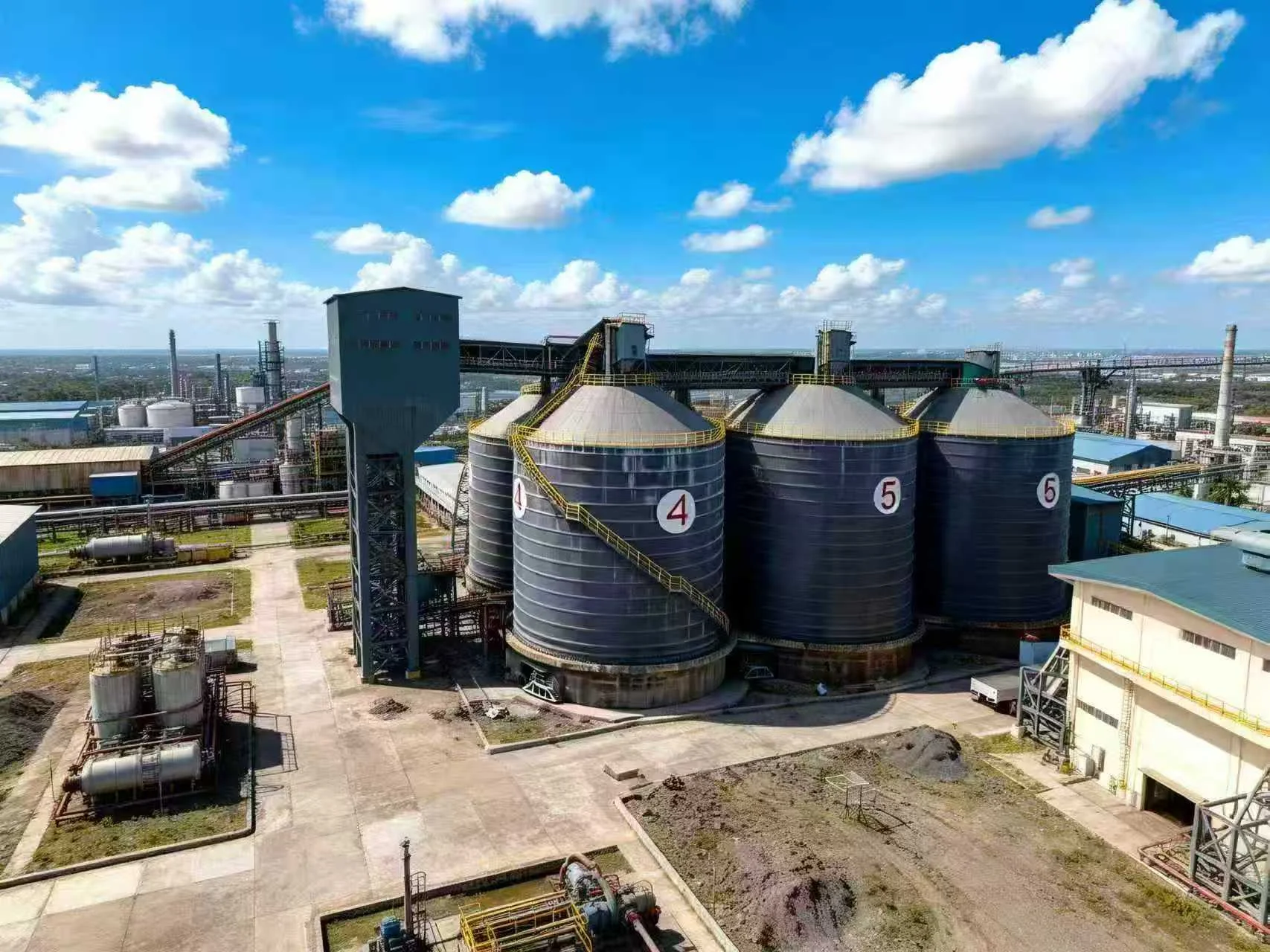
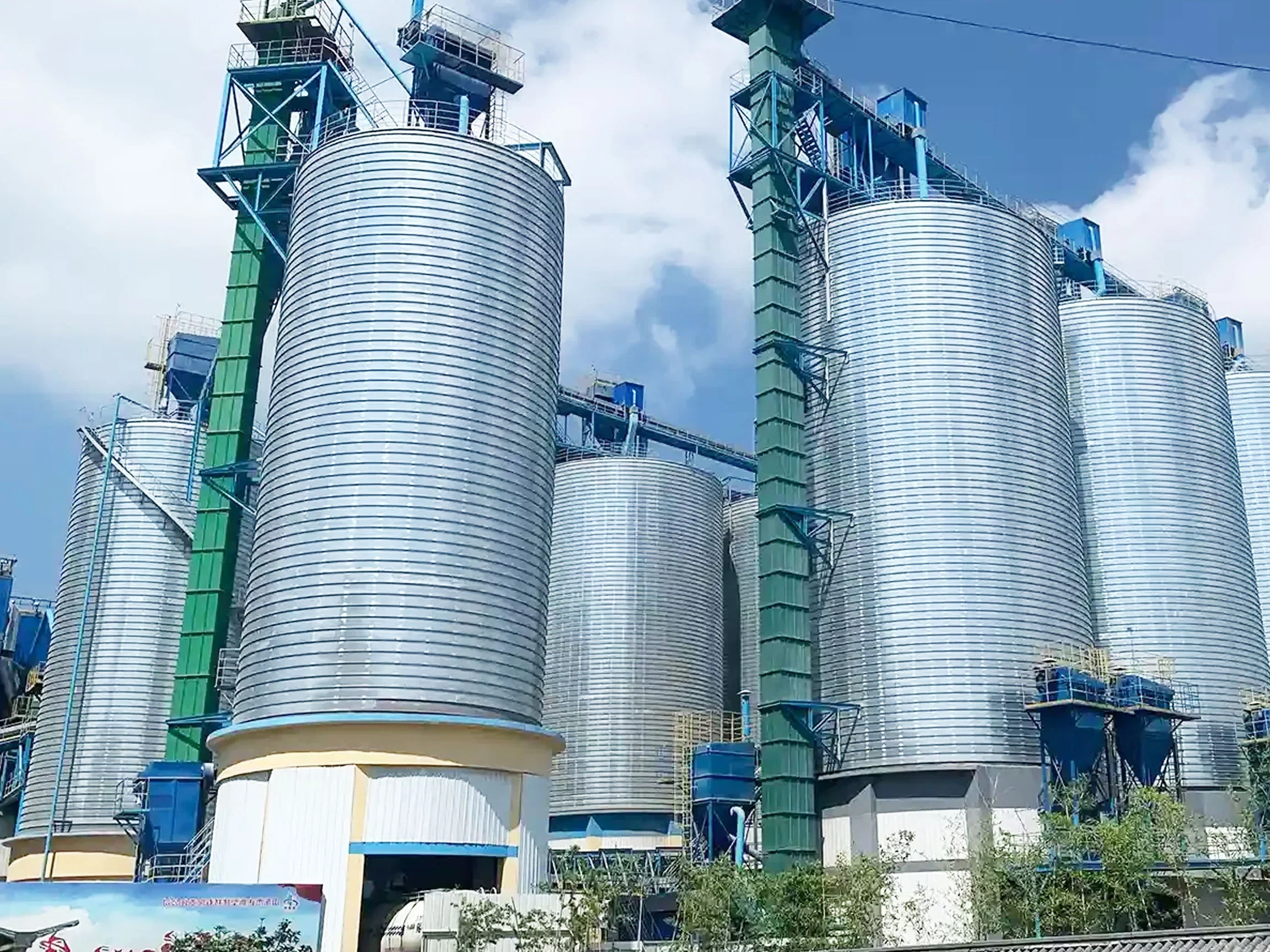
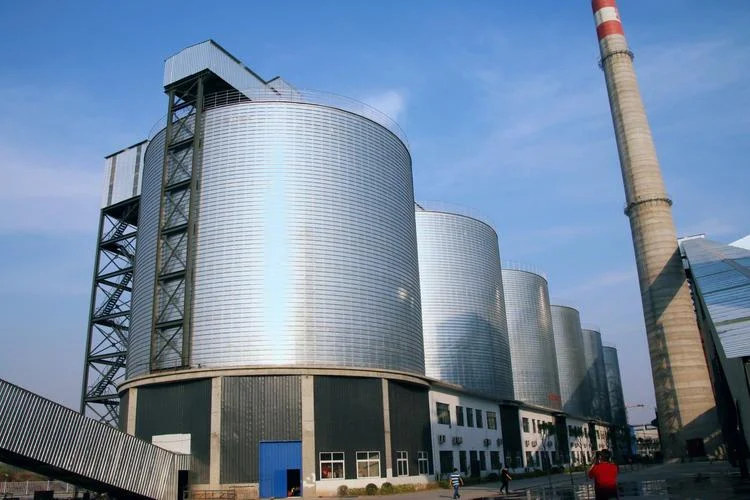
In industrial cement storage operations, maintaining consistent material flow represents one of the most significant engineering challenges. Without proper aeration systems, cement powder can compact, bridge, or rat-hole within silos, leading to operational disruptions, increased maintenance costs, and reduced storage efficiency. Modern aeration technologies have evolved from simple air injection methods to sophisticated, automated systems that optimize material fluidization while minimizing energy consumption. This technical guide examines the engineering principles behind effective cement silo aeration, providing practical insights for engineers designing or upgrading storage facilities.
Core Components of Cement Silo Aeration Systems
Effective aeration systems for cement silos consist of several integrated components working in harmony. The foundation lies in strategically placed aeration pads or channels installed along the silo bottom and walls. These components distribute low-pressure air uniformly through the stored material, creating a fluidized zone that reduces internal friction and promotes gravity flow. The air supply system typically includes roots blowers or similar positive displacement compressors capable of delivering consistent airflow at pressures ranging from 0.5 to 1.5 bar, depending on silo configuration and material characteristics.
Control systems represent the intelligence behind modern aeration installations. Programmable logic controllers (PLCs) manage blower operation, monitor pressure differentials, and coordinate aeration sequences across different silo zones. Advanced systems incorporate material level sensors and flow meters to adjust aeration parameters dynamically based on real-time conditions. Properly engineered systems include fail-safe mechanisms and alarm notifications that alert operators to potential issues before they escalate into operational problems.
Design Considerations for Optimal Aeration Performance
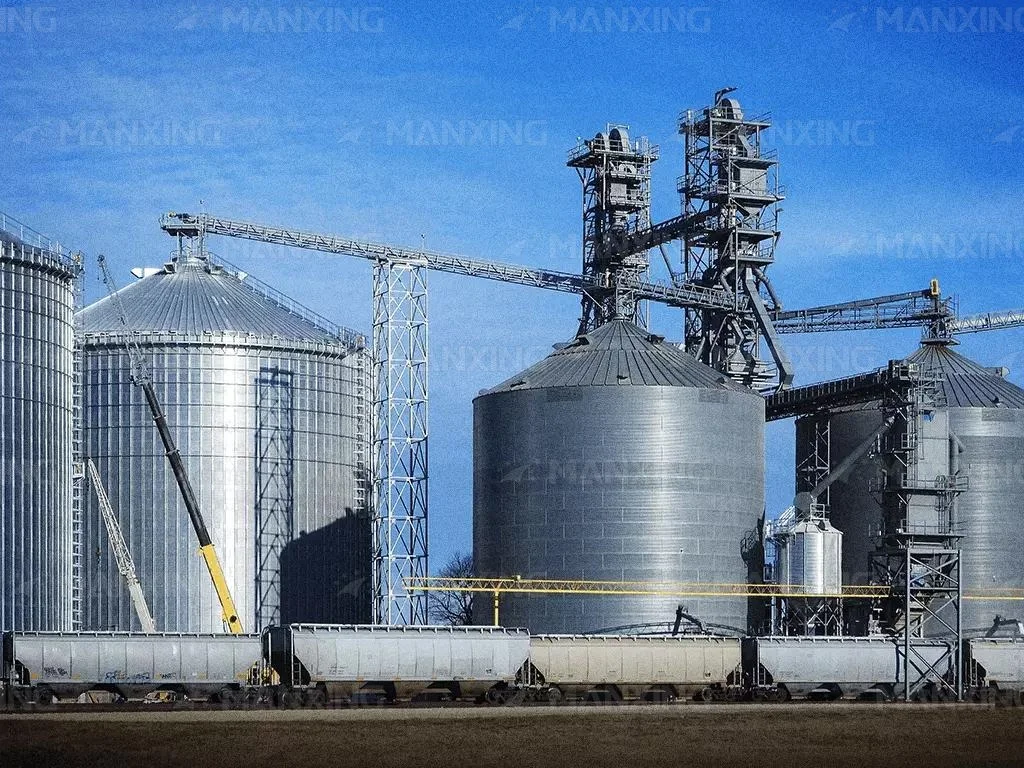
Engineers must address several critical factors when designing aeration systems for cement storage applications. Silo geometry significantly influences aeration requirements—flat-bottom silos demand more comprehensive aeration coverage compared to hopper-bottom configurations. Material characteristics including particle size distribution, moisture content, and chemical composition affect fluidization behavior and must be considered during system specification. The relationship between silo volume and aeration duration follows established engineering principles, with larger capacities requiring proportionally longer ventilation cycles to achieve uniform fluidization throughout the stored material.
System layout requires careful planning to ensure complete material mobilization. Aeration zones should be arranged to prevent dead spots where material might accumulate and compact. For silos exceeding 500 cubic meters capacity, engineers often implement segmented aeration with independently controlled sections. This approach allows targeted fluidization where needed most, conserving energy while maintaining discharge efficiency. Proper air distribution piping design, including appropriate manifold sizing and valve placement, ensures consistent pressure delivery to all aeration elements.
Advanced Aeration Technologies and Implementation Strategies
Recent technological advancements have transformed cement silo aeration from basic air injection to sophisticated material management systems. Full-floor pneumatic reclaim systems represent the current state of the art, utilizing air and gravity to achieve material recovery rates exceeding 99% in properly designed installations. These systems employ precisely engineered air channels that create progressive fluidization patterns, systematically moving material toward discharge points without creating preferential flow paths that can lead to rat-holing.
Implementation strategies vary based on operational requirements and existing infrastructure. For new construction projects, engineers can integrate aeration systems during initial silo fabrication, optimizing component placement and control integration. Retrofit applications require careful assessment of existing structures to determine feasible modifications without compromising structural integrity. Successful implementations typically follow a phased approach: initial system design based on material testing and operational requirements, followed by controlled commissioning with performance validation at incremental capacity levels.
Operational Best Practices and Maintenance Protocols
Proper operation and maintenance ensure long-term aeration system reliability and performance. Operators should establish baseline performance metrics during initial commissioning, including standard aeration durations for various fill levels, typical pressure differentials, and energy consumption patterns. Regular monitoring of these parameters helps identify developing issues before they affect material flow. Maintenance protocols should include periodic inspection of aeration pads for wear or clogging, verification of air distribution uniformity, and calibration of control system sensors.
Common operational challenges include moisture ingress, material segregation, and control system drift. Preventive measures include installing moisture removal systems in compressed air lines, implementing material loading procedures that minimize particle separation, and scheduling regular control system validation. Engineers should design systems with adequate diagnostic capabilities, including pressure monitoring at multiple points and airflow measurement for individual aeration zones. These features facilitate troubleshooting and optimize maintenance scheduling based on actual system performance rather than fixed time intervals.
Performance Metrics and System Optimization
Quantifying aeration system performance requires tracking several key metrics. Discharge efficiency, measured as the percentage of total stored material successfully removed during standard operations, provides the most direct indicator of system effectiveness. Energy efficiency calculations compare power consumption against material throughput, helping identify opportunities for optimization. System reliability metrics track mean time between failures and maintenance requirements, supporting lifecycle cost analysis for different aeration approaches.
Optimization strategies focus on balancing performance with operational costs. Variable frequency drives (VFDs) on blower motors allow precise airflow adjustment based on real-time requirements, reducing energy consumption during partial load conditions. Advanced control algorithms can learn from historical performance data, automatically adjusting aeration sequences to match specific material characteristics and storage conditions. Engineers should establish regular review cycles to assess system performance against design specifications and identify potential upgrades that could enhance efficiency or reliability.
Conclusion: Engineering Excellence in Cement Storage
Modern cement silo aeration systems represent a sophisticated integration of mechanical engineering, fluid dynamics, and control technology. When properly designed and implemented, these systems transform cement storage from a potential bottleneck into a reliable, efficient component of material handling operations. The engineering principles discussed here provide a foundation for evaluating aeration requirements, selecting appropriate technologies, and implementing systems that deliver consistent performance across varying operational conditions. As cement storage technology continues to evolve, engineers who master these aeration fundamentals will be well-positioned to design facilities that maximize material flow while minimizing operational challenges. For project-specific guidance on implementing or upgrading cement silo aeration systems, consult with experienced engineering specialists who can translate these principles into practical solutions tailored to your operational requirements.
Table of Contents
PDF
Download File
Manxing Industrial Silo Brochure
Manxing_Industrial_Silo_Brochure.pdf
Open the download form to unlock this file. The download will start automatically after submission.
Request a Quote
We are committed to providing you with exceptional service and ensuring a seamless buying experience. Please send us your inquiry, and we will respond with a detailed quotation.