


Top 5 Cement Silo Installation Errors and Prevention Guide
Apr Tue, 2026
Introduction: Why Proper Installation Matters for Cement Silos
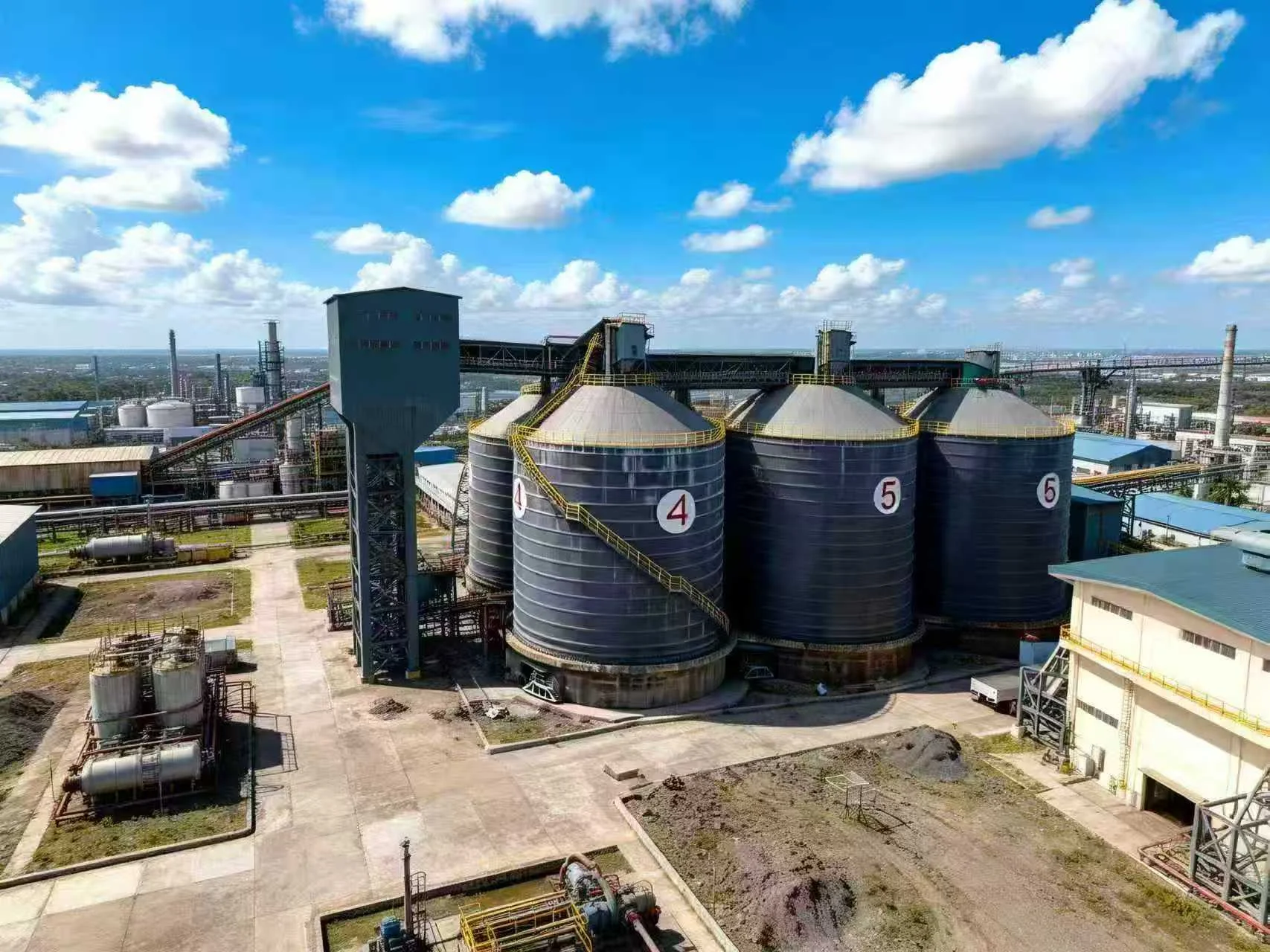
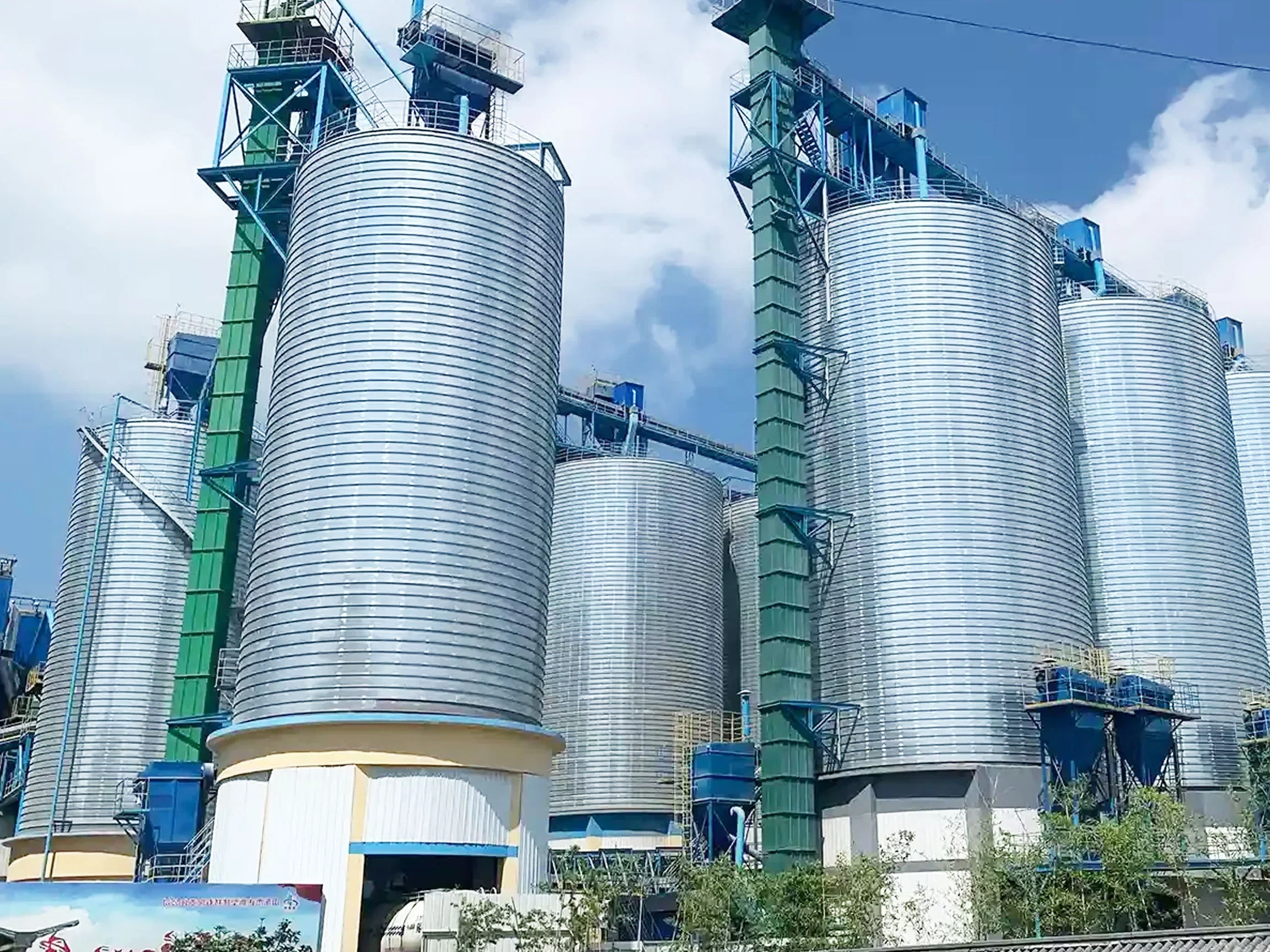
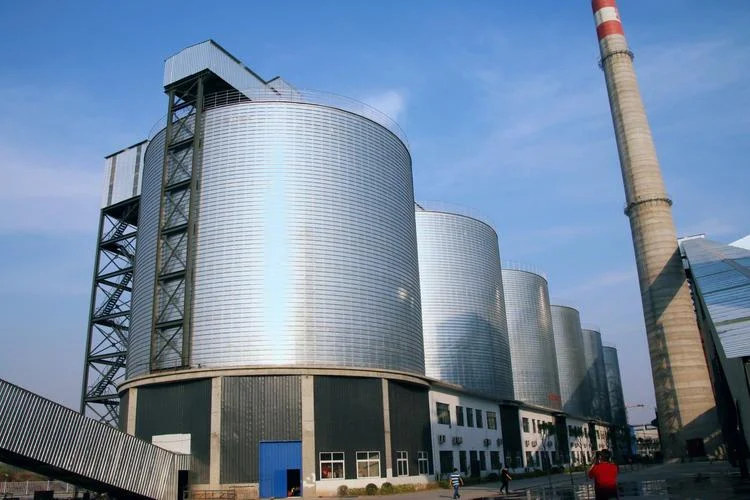
Cement silos represent significant capital investments for construction projects, with installation quality directly impacting structural safety, operational efficiency, and lifespan. Unlike temporary equipment, these storage structures must withstand decades of material loading, environmental stresses, and operational demands. Yet many construction teams underestimate the complexity of proper installation, leading to preventable failures that compromise entire projects. This guide identifies the five most critical installation errors and provides actionable solutions based on engineering principles and field experience.
Inadequate Site Assessment and Foundation Design
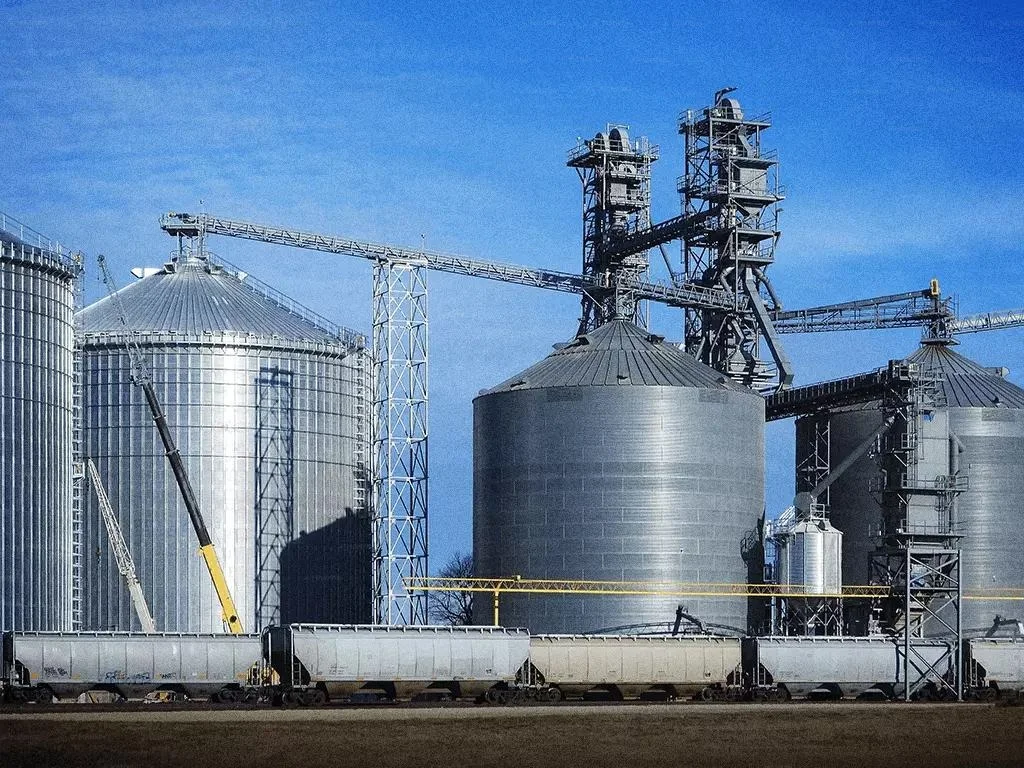
One of the most fundamental yet frequently overlooked steps involves comprehensive site evaluation. Construction teams often proceed without proper geotechnical analysis, assuming standard foundation designs will suffice. This approach ignores critical factors like soil bearing capacity, groundwater levels, and seismic activity that vary significantly between locations. For instance, a silo installed on clay-rich soil without proper drainage can experience differential settlement, leading to structural misalignment within months.
Proper foundation design requires calculating both dead loads (silo weight) and live loads (cement weight plus operational forces). A common mistake involves using generic foundation specifications rather than engineering calculations specific to the silo's capacity and local conditions. For a 100-ton capacity silo, foundation requirements differ substantially between stable bedrock and compressible soils. Teams should conduct soil testing to determine bearing capacity and consult structural engineers to design reinforced concrete foundations with appropriate thickness and reinforcement spacing.
- Conduct thorough geotechnical surveys before site preparation
- Design foundations based on actual soil conditions, not assumptions
- Include proper drainage systems to prevent water accumulation
- Use engineered calculations for reinforcement requirements
- Allow adequate curing time for concrete foundations before loading
Improper Assembly and Alignment Procedures
During silo assembly, teams frequently rush through critical alignment steps, assuming minor deviations won't affect performance. However, even slight misalignment during panel installation creates cumulative errors that compromise structural integrity. Vertical alignment tolerances typically should not exceed 1/500 of the silo height—meaning a 15-meter silo requires alignment within 30 millimeters. Exceeding these tolerances creates uneven stress distribution that accelerates fatigue and increases failure risk.
Proper assembly requires systematic procedures, beginning with establishing precise reference points and maintaining consistent checks throughout construction. Teams should use laser levels and theodolites rather than relying on visual assessments. Each panel connection must achieve proper bolt tension as specified by manufacturers, typically requiring calibrated torque wrenches rather than impact tools. Welding procedures should follow established codes with qualified welders performing critical joints, particularly in seismic zones where connection integrity is paramount.
- Establish precise reference points before assembly begins
- Use professional alignment tools, not visual estimates
- Follow manufacturer specifications for bolt tension and sequencing
- Implement quality control checks at each assembly stage
- Document alignment measurements for verification
Neglecting Ventilation and Moisture Control Systems
Cement's hygroscopic nature makes moisture control critical, yet many installations treat ventilation as an optional feature rather than essential infrastructure. Without proper airflow, moisture accumulates within stored material, leading to clumping, reduced flowability, and potential structural damage from pressure buildup. In humid climates, inadequate ventilation can cause moisture-related issues within weeks of operation.
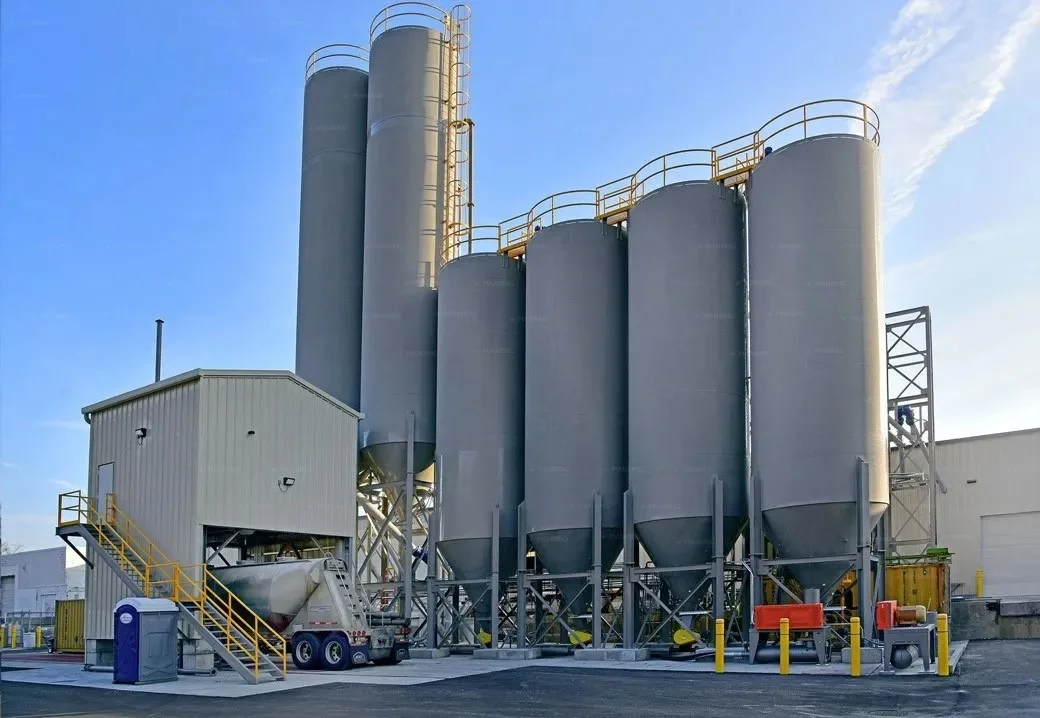
Effective ventilation design considers both passive and active systems based on local climate conditions and silo usage patterns. Passive systems typically include properly sized vents and breathable membranes, while active systems may incorporate dehumidification equipment for high-humidity environments. Teams should calculate required air exchange rates based on silo volume and cement characteristics, ensuring systems prevent condensation without creating excessive dust emissions. Proper installation includes sealing all potential moisture entry points while maintaining adequate airflow pathways.
- Design ventilation based on local humidity and temperature patterns
- Install moisture barriers at all potential entry points
- Size vents appropriately for silo volume and material characteristics
- Consider active dehumidification for high-humidity environments
- Test ventilation systems before loading with material
Incorrect Safety Systems and Access Installation
Safety systems often receive inadequate attention during installation, treated as secondary considerations rather than integral components. This includes improper installation of access ladders, platforms, fall protection, and pressure relief devices. Teams sometimes modify safety features to expedite installation, compromising their effectiveness. For example, extending ladder rung spacing beyond code requirements increases fall risk during maintenance operations.
Proper safety installation begins during planning, with designs incorporating OSHA or equivalent standards for access systems and fall protection. Platforms should provide adequate working space with proper guardrails and toe boards. Pressure relief valves must be correctly sized and positioned to prevent catastrophic failures during overpressure events. Teams should conduct thorough safety inspections before commissioning, verifying all systems meet regulatory requirements and manufacturer specifications.
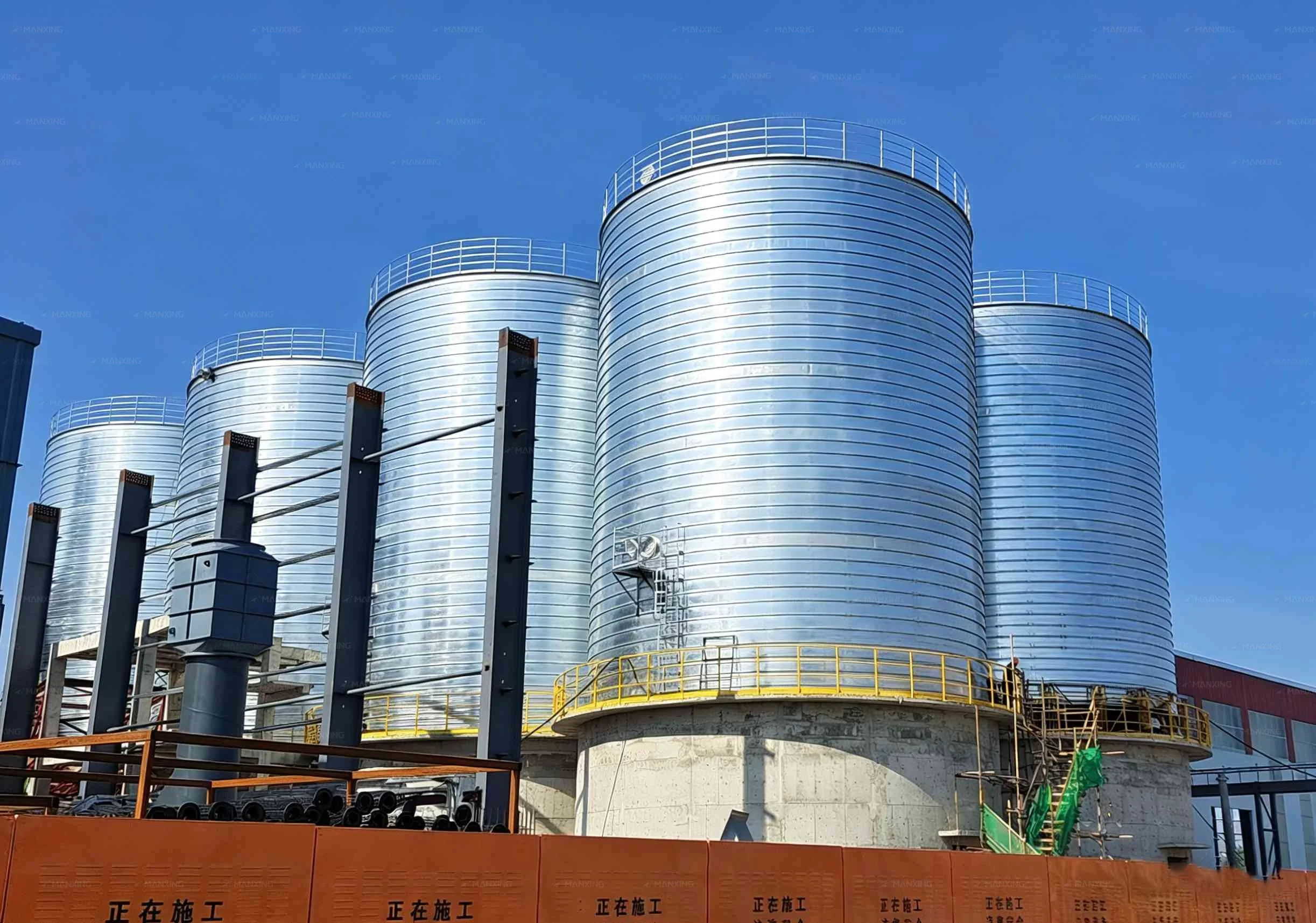
- Design access systems according to relevant safety standards
- Install proper fall protection at all elevated work areas
- Size and position pressure relief devices correctly
- Include adequate lighting for safe nighttime access
- Conduct pre-commissioning safety inspections
Poor Commissioning and Initial Loading Practices
The final critical error involves rushing through commissioning and initial loading procedures. Teams eager to begin operations often skip systematic testing and gradual loading sequences. This approach misses opportunities to identify installation defects before full operational stress. Initial loading should follow a controlled sequence, typically beginning with 25% capacity, then progressing to 50%, 75%, and finally full capacity over several days.
During commissioning, teams should monitor for signs of distress including unusual noises, visible deformations, or unexpected settlement. Instrumentation like strain gauges and settlement markers provides quantitative data for comparison with design expectations. Proper commissioning includes functional testing of all systems—discharge mechanisms, level indicators, safety devices—under controlled conditions before full operation. Documentation of commissioning procedures creates valuable baseline data for future maintenance comparisons.
- Implement gradual loading sequences rather than immediate full capacity
- Monitor for structural responses during initial loading phases
- Test all operational systems under controlled conditions
- Document commissioning procedures and observations
- Establish baseline measurements for future comparison
Conclusion: Building for Decades of Reliable Service
Avoiding these five common installation errors requires disciplined planning, proper engineering, and systematic execution. While cutting corners might save time initially, the long-term costs of structural failures, operational inefficiencies, and safety incidents far outweigh any temporary advantages. By investing in proper site assessment, precise assembly, adequate ventilation, comprehensive safety systems, and thorough commissioning, construction teams ensure cement silos deliver decades of reliable service. For teams planning new installations, consulting with experienced engineers and following manufacturer specifications provides the foundation for success. Remember that quality installation isn't just about completing a project—it's about creating infrastructure that supports operations safely and efficiently for years to come.
Table of Contents
PDF
Download File
Manxing Industrial Silo Brochure
Manxing_Industrial_Silo_Brochure.pdf
Open the download form to unlock this file. The download will start automatically after submission.
Request a Quote
We are committed to providing you with exceptional service and ensuring a seamless buying experience. Please send us your inquiry, and we will respond with a detailed quotation.