


Essential Cement Silo Accessories for Peak Performance
Apr Tue, 2026
Introduction: Elevating Cement Silo Capabilities Through Strategic Accessories
Cement silos serve as critical infrastructure in construction and batching operations, but their true potential is unlocked through carefully selected accessories. These components transform basic storage vessels into sophisticated systems that deliver precise material management, enhanced safety protocols, and operational reliability. For engineers overseeing concrete production facilities or material handling projects, understanding which accessories provide maximum value is essential for optimizing both capital investment and long-term performance. This article examines the key accessories that directly impact silo functionality, focusing on practical implementation and measurable benefits.
Level Monitoring Systems: The Foundation of Inventory Control
Accurate material level measurement prevents costly operational disruptions caused by overfilling or unexpected stockouts. Modern level indicators employ various technologies to deliver real-time data that integrates seamlessly with plant control systems. Capacitance probes offer reliable point-level detection for high and low alarms, while ultrasonic sensors provide continuous monitoring without physical contact with the cement. For applications requiring extreme precision, radar-based systems maintain accuracy even in dusty conditions common in cement handling. Implementing these monitoring solutions typically reduces material waste by 3-5% through better inventory management and prevents structural damage from overpressure situations.
Engineers should consider the specific characteristics of their stored cement when selecting level indicators. Factors like material density variations, moisture content, and particle size distribution can affect sensor performance. Proper calibration during installation and regular maintenance checks ensure consistent readings. Many facilities now utilize wireless connectivity to transmit level data directly to mobile devices, enabling remote monitoring and proactive replenishment scheduling that minimizes downtime during peak production periods.
Discharge Optimization Components: Ensuring Consistent Material Flow
Cement's cohesive properties often lead to bridging, rat-holing, and inconsistent discharge rates that disrupt batching operations. Specialized accessories address these challenges through mechanical and pneumatic solutions. Vibratory dischargers mounted to silo walls break up compacted material with controlled frequency oscillations, typically operating between 3,000 and 9,000 vibrations per minute depending on silo capacity and cement characteristics. For larger installations, fluidization systems introduce low-pressure air through strategically placed nozzles to create a semi-fluid state that promotes gravity flow.
Discharge gates and valves represent another critical component category. Heavy-duty slide gates provide positive shut-off for maintenance isolation, while rotary valves meter precise quantities of cement into conveying systems. Butterfly valves offer quick operation for process control applications. Engineers must match valve specifications to pressure ratings and flow requirements, with many industrial cement silos utilizing valves rated for pressures up to 15 psi and temperatures exceeding 150°F. Proper installation includes consideration of access space for manual operation or actuator mounting when automated control is required.
Dust Management and Safety Systems
Cement dust presents significant health, safety, and environmental challenges that require engineered solutions. Pulse-jet dust collectors with automatic cleaning mechanisms maintain filtration efficiency above 99.9% for particles as small as 5 microns. These systems typically incorporate differential pressure monitoring to signal when filter cleaning is required, preventing excessive pressure drop that could impede material discharge. For silos receiving pneumatic deliveries, vent filters sized appropriately for filling rates prevent dust emissions during transfer operations.
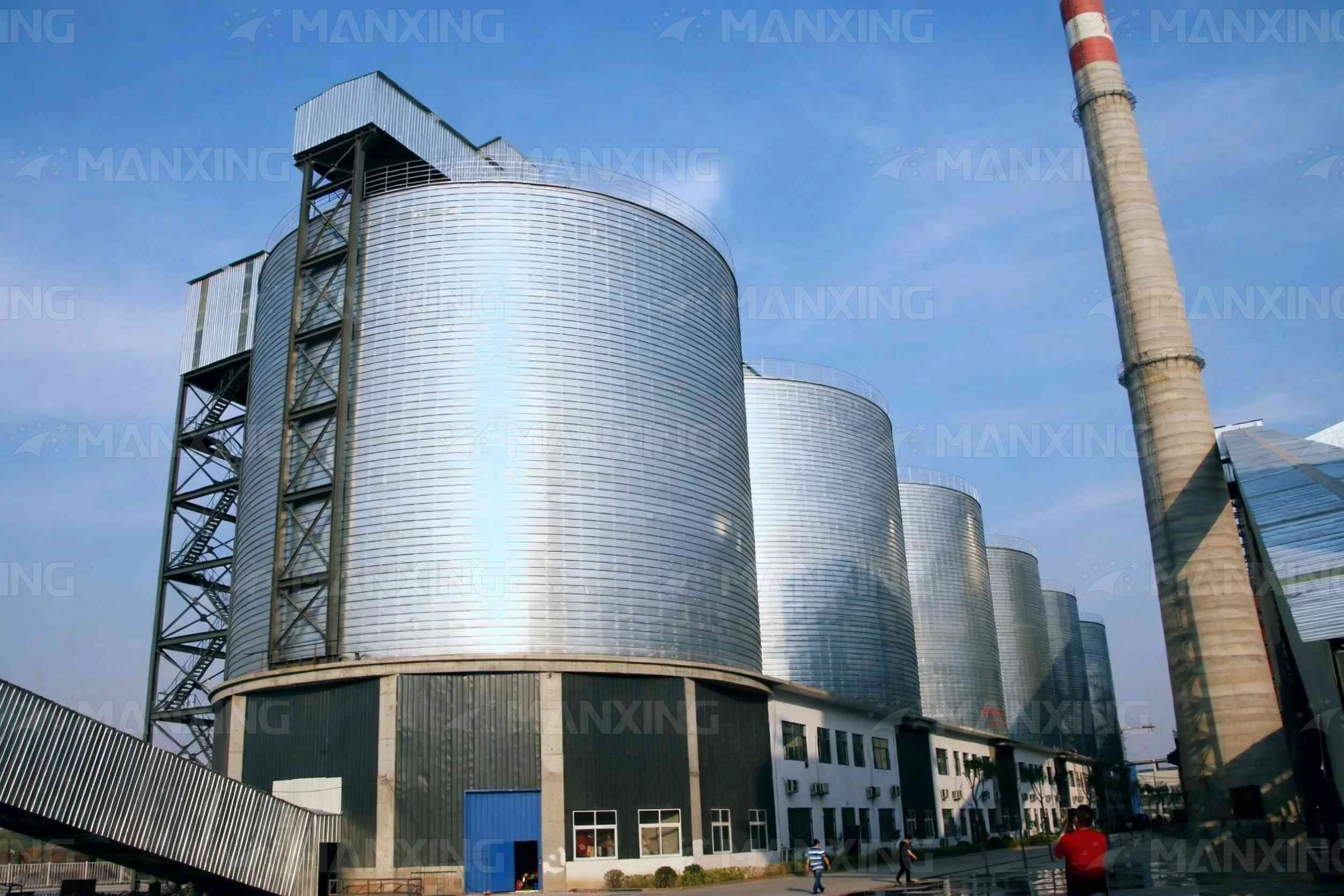
Safety accessories address both personnel protection and equipment integrity. Pressure relief valves prevent catastrophic structural failure by venting excess pressure during filling or temperature fluctuations, with settings calibrated to silo design specifications. High-level indicators with redundant switches provide fail-safe protection against overfilling. Access platforms, safety ladders, and fall protection systems enable safe inspection and maintenance activities. Many jurisdictions now require continuous monitoring of these safety systems with automatic alerts to plant operators when parameters exceed safe thresholds.
Aeration and Material Conditioning Equipment
Aeration systems improve cement flow characteristics by introducing controlled air through porous membranes or nozzle arrays. These systems typically operate at pressures between 2 and 10 psi, with air volume adjusted based on silo diameter and discharge requirements. Proper aeration reduces bridging tendencies and ensures consistent bulk density readings critical for batching accuracy. Engineers should design aeration patterns that create uniform flow across the entire silo cross-section, avoiding preferential flow channels that lead to material segregation.
Material conditioners address specific challenges like moisture absorption or temperature variations that affect cement properties. Insulation systems maintain consistent internal temperatures in extreme climates, while moisture barriers prevent condensation during seasonal transitions. For facilities handling multiple cement types, segregation reducers installed at filling points maintain material homogeneity. These conditioning accessories become particularly important when silos store specialty cements with strict quality requirements for construction projects.
Integration and Control Systems
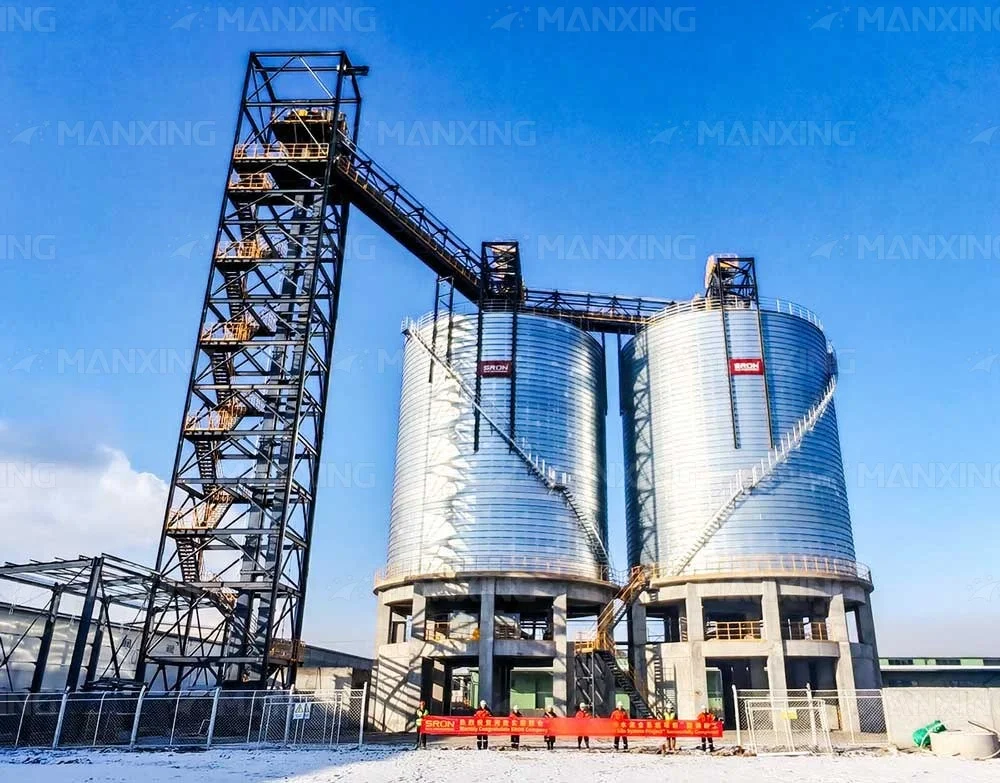
Modern silo accessories increasingly incorporate smart technology that enables centralized monitoring and control. Programmable logic controllers coordinate accessory operation based on material level, pressure readings, and production schedules. Sensors transmit data via industrial communication protocols like Modbus or Ethernet/IP to supervisory control systems. This integration allows for automated sequences where vibrators activate only when level indicators detect stagnant material, or dust collectors increase cleaning cycles during filling operations.
Data analytics platforms transform accessory performance information into actionable insights. Trend analysis of pressure differentials across filters predicts maintenance needs before efficiency declines. Discharge rate monitoring identifies flow restrictions developing in conveying systems. Engineers can establish performance baselines during commissioning, then track deviations that indicate wear or required adjustments. This proactive approach extends accessory service life by 20-30% compared to reactive maintenance strategies while ensuring consistent silo performance.
Maintenance Considerations for Long-Term Reliability
Accessory longevity depends on systematic maintenance practices tailored to each component type. Dust collector filters require periodic replacement based on pressure differential readings, typically every 12-18 months in continuous operation. Vibratory systems need inspection of mounting hardware and electrical connections quarterly, with eccentric weight adjustments to maintain optimal amplitude. Level sensor calibration should occur during scheduled silo emptying to verify accuracy against known empty and full conditions.
Preventive maintenance programs should document all accessory specifications, including model numbers, pressure ratings, and replacement part information. Many facilities establish maintenance checklists that align with production schedules, performing thorough inspections during planned downtime. Keeping detailed records of accessory performance and maintenance history supports informed decisions about upgrades or replacements, ensuring that silo systems continue meeting operational requirements as production needs evolve.
Conclusion: Strategic Accessory Selection for Enhanced Silo Performance
Cement silo accessories represent more than optional additions—they are integral components that determine overall system efficiency, safety, and reliability. By implementing appropriate level monitoring, discharge optimization, dust management, and control systems, engineers transform basic storage vessels into precision material handling assets. The most effective approach combines thorough needs assessment during design phases with regular performance evaluation throughout operational lifecycles. As construction projects demand increasingly precise material specifications and tighter production schedules, properly accessorized silos provide the consistency and control needed to maintain competitive advantage while ensuring regulatory compliance and workplace safety.
Table of Contents
PDF
Download File
Manxing Industrial Silo Brochure
Manxing_Industrial_Silo_Brochure.pdf
Open the download form to unlock this file. The download will start automatically after submission.
Request a Quote
We are committed to providing you with exceptional service and ensuring a seamless buying experience. Please send us your inquiry, and we will respond with a detailed quotation.