


Cement Silo Innovations: Materials, Automation & Digital Trends
Apr Wed, 2026
Introduction: The Evolving Landscape of Cement Storage Technology
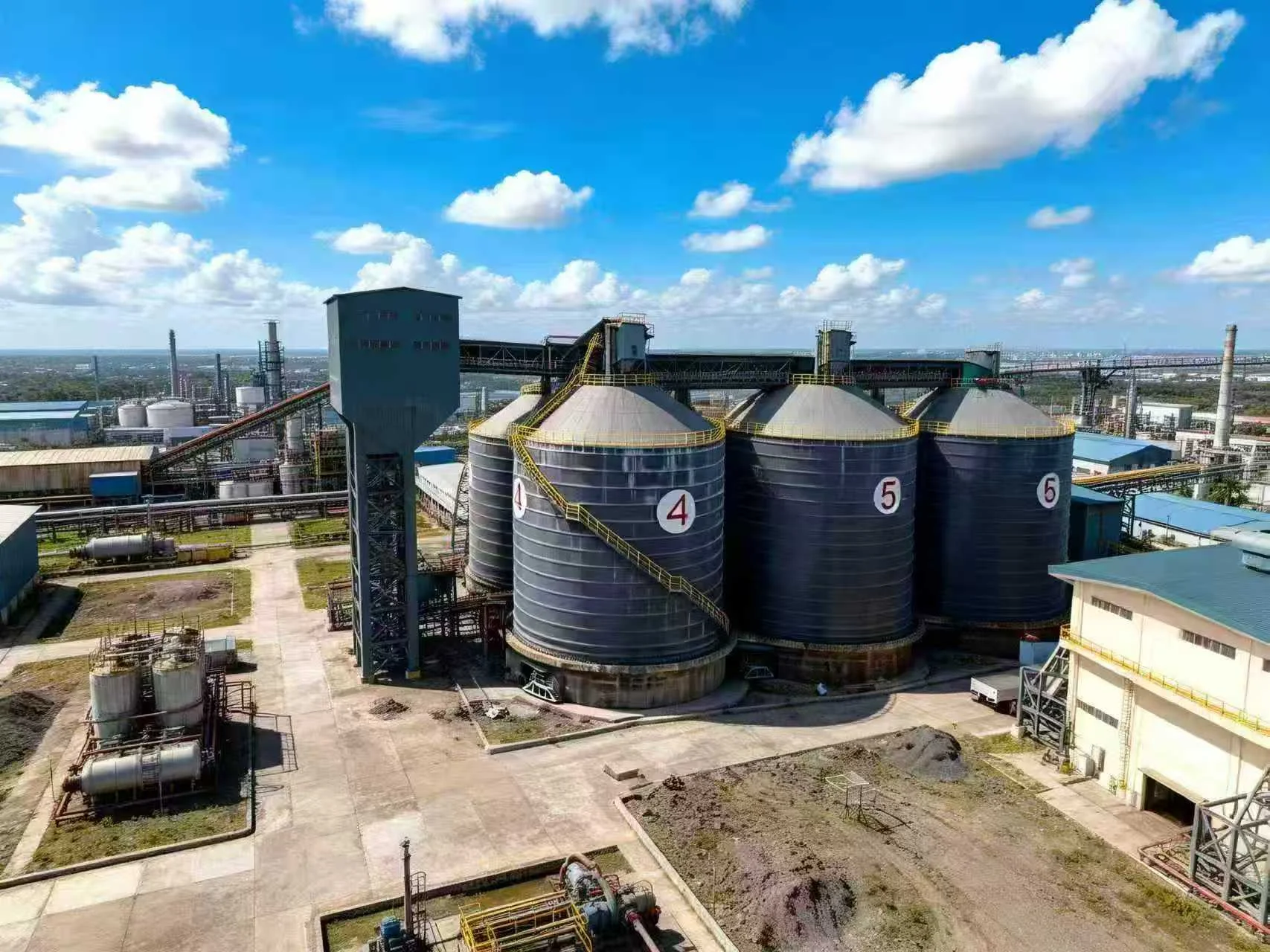
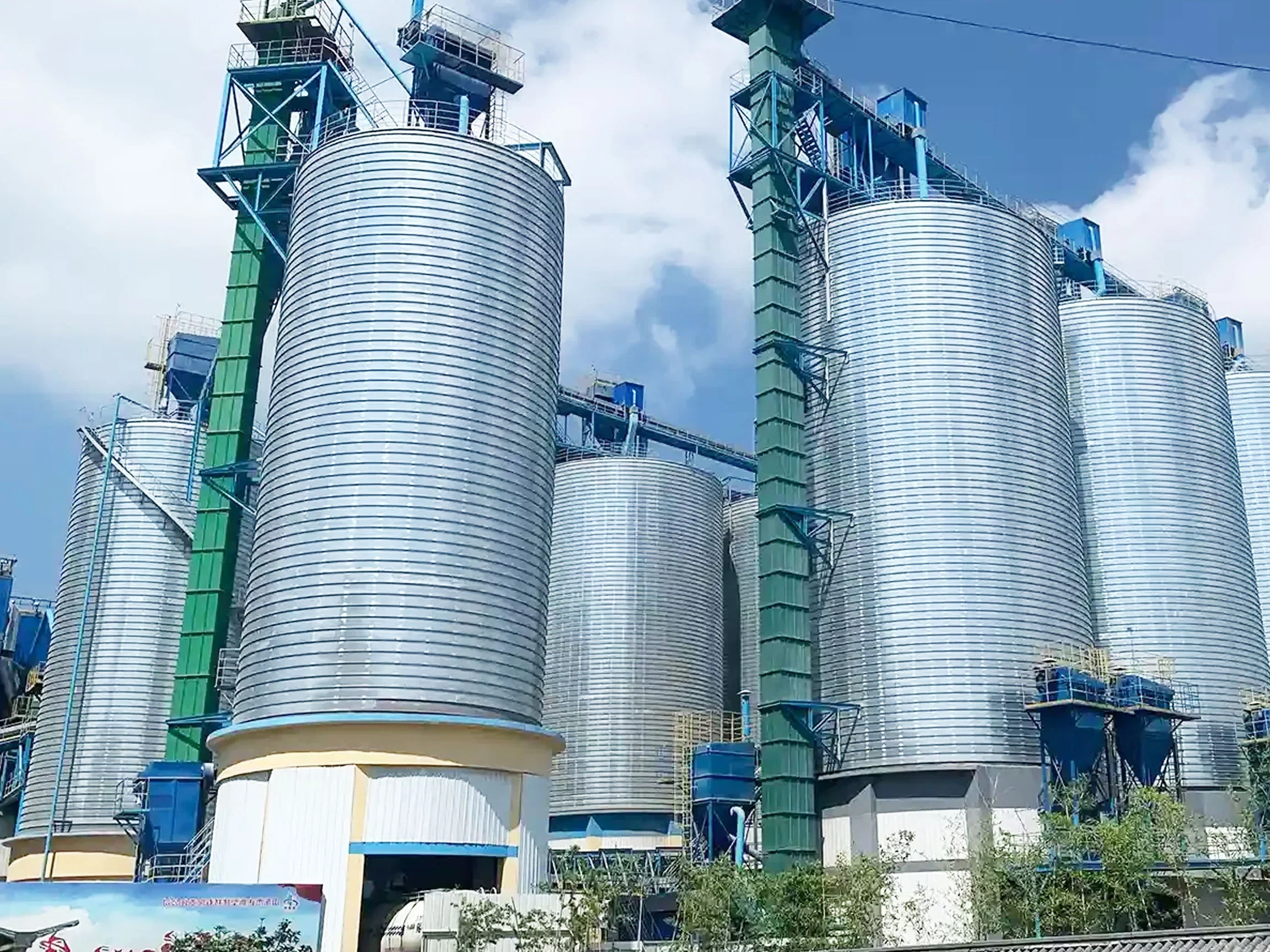
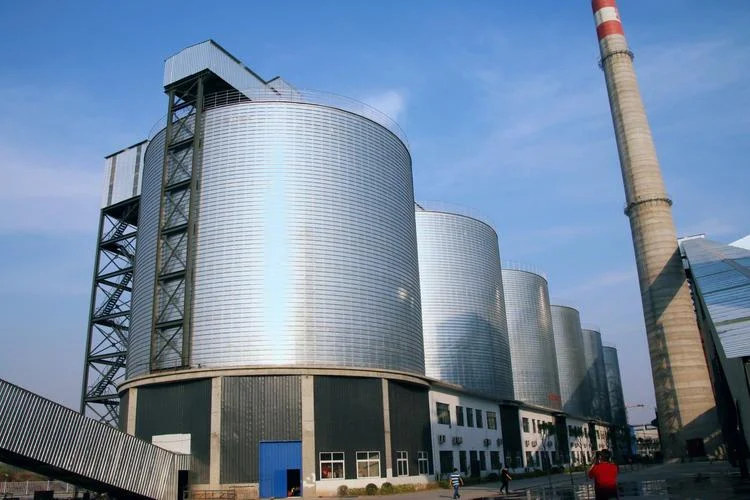
As global construction demands intensify and sustainability requirements tighten, cement storage infrastructure is undergoing a fundamental transformation. What was once considered a simple containment vessel has evolved into a sophisticated technological asset that directly impacts production efficiency, material quality, and operational costs. Modern cement silos now integrate advanced engineering principles with digital intelligence, creating systems that not only store materials but actively manage them throughout their lifecycle. This evolution represents a significant shift from passive storage to active material management platforms.
Advanced Materials and Structural Engineering Breakthroughs
The foundation of modern cement silo innovation begins with materials science and structural optimization. Contemporary silo construction utilizes high-strength, corrosion-resistant steel alloys that significantly extend service life while reducing maintenance requirements. These materials are specifically engineered to withstand the abrasive nature of cement particles and the chemical reactions that can occur during storage. Beyond material selection, structural design has been revolutionized through computational methods that ensure optimal performance under varying load conditions.
High-performance steel grades with yield strengths exceeding 355 MPa for enhanced durability
Specialized anti-corrosion coatings that provide 25+ years of protection in harsh environments
Computer-aided design (CAD) systems enabling precise component fabrication with minimal material waste
Finite element analysis (FEA) simulations that predict structural behavior under seismic loads and temperature variations
Modular construction techniques allowing for rapid deployment and future capacity expansion
Automation Systems Revolutionizing Material Handling
Automation represents the most visible transformation in cement silo operations, replacing manual processes with precise, reliable systems. Modern silos incorporate comprehensive automation packages that manage everything from material intake to discharge, with integrated sensors providing real-time monitoring of critical parameters. These systems not only improve operational efficiency but also enhance safety by reducing human exposure to potentially hazardous environments. The implementation of programmable logic controllers (PLCs) and distributed control systems (DCS) has become standard in new installations.
Key automation components include precision weighing systems with accuracy within 0.1% of total capacity, automated aeration systems that prevent material bridging and ensure consistent flow, and dust collection systems that maintain environmental compliance. Advanced silos feature predictive maintenance capabilities through vibration analysis and thermal imaging, identifying potential issues before they cause operational disruptions. These integrated automation solutions typically reduce manual intervention by 70-80% compared to traditional systems.
Digital Integration and Intelligent Management Platforms
The most significant advancement in cement silo technology is the transition from isolated storage units to connected components within broader digital ecosystems. Modern silos function as intelligent nodes in supply chain networks, providing continuous data streams that inform decision-making across multiple operational areas. This digital transformation enables unprecedented visibility into material conditions, inventory levels, and equipment performance.
Cloud-based monitoring platforms providing remote access to silo performance metrics
Internet of Things (IoT) sensors tracking temperature, humidity, and pressure variations
Inventory management systems with predictive analytics for optimal replenishment scheduling
Integration with enterprise resource planning (ERP) software for seamless supply chain coordination
Mobile applications enabling on-the-go monitoring and control for facility managers
Real-World Applications and Operational Benefits
The practical implementation of these innovations delivers measurable improvements across multiple operational dimensions. In large-scale cement production facilities, integrated silo systems have demonstrated capacity utilization improvements of 15-20% through optimized material flow and reduced dead storage areas. Transportation logistics benefit from precise inventory data that enables just-in-time delivery scheduling, reducing fleet idle time and associated fuel costs. Quality control has been enhanced through continuous monitoring of stored cement conditions, preventing degradation that can compromise final product performance.
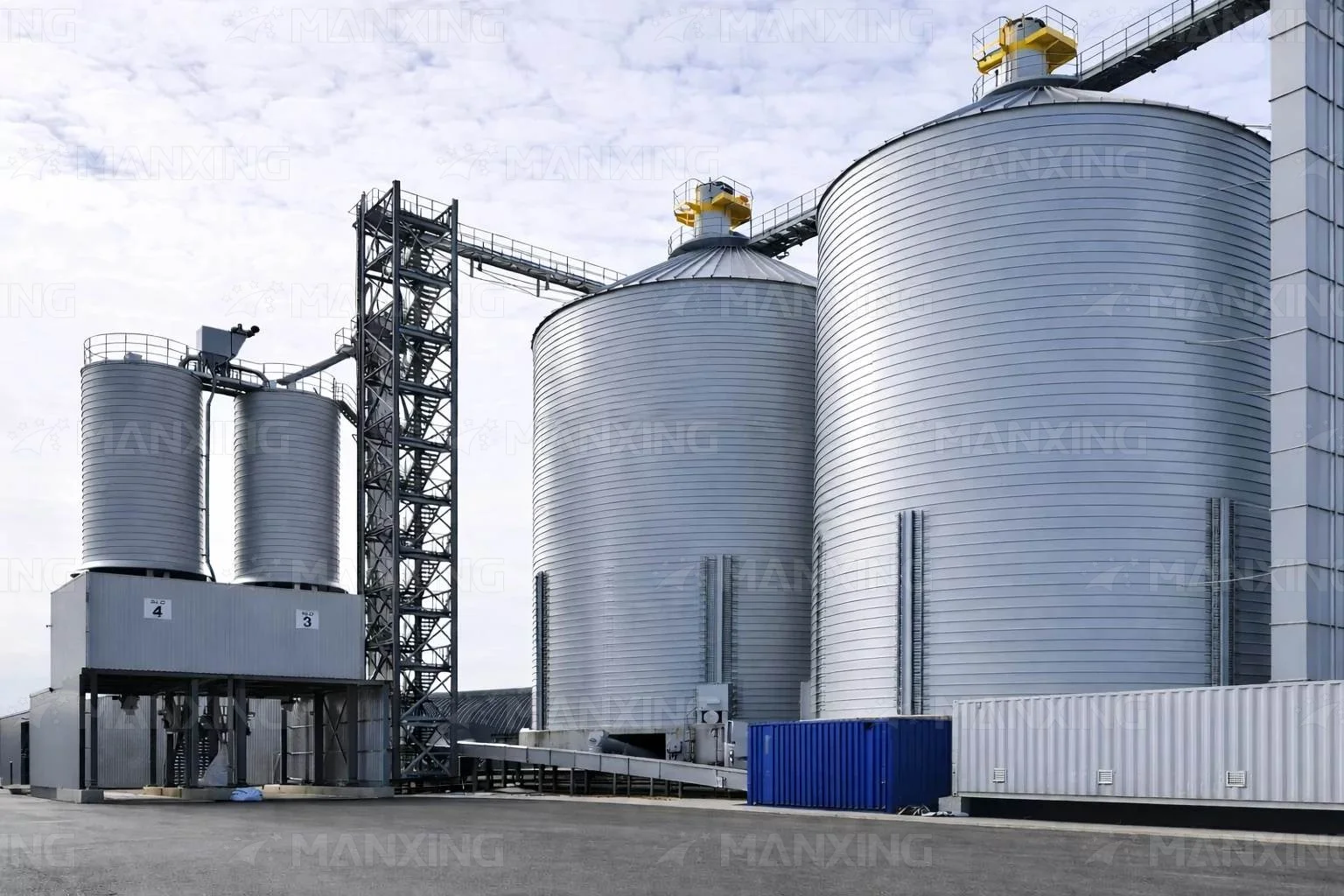
Case studies from recent installations show maintenance cost reductions of 30-40% through predictive analytics and remote diagnostics. Energy consumption in material handling operations has decreased by 25-35% through optimized equipment scheduling and reduced manual intervention. Safety metrics have improved significantly with automated systems minimizing worker exposure to confined spaces and moving machinery. These benefits collectively contribute to faster return on investment for upgraded storage infrastructure.
Sustainability and Environmental Considerations
Modern cement silo design increasingly incorporates sustainability principles that address both operational efficiency and environmental impact. Energy-efficient aeration systems utilize variable frequency drives (VFDs) to match power consumption to actual requirements, reducing electricity usage during low-demand periods. Advanced dust collection technology captures particulate matter with efficiency rates exceeding 99.9%, ensuring compliance with increasingly stringent air quality regulations. Material conservation is enhanced through precise discharge control that minimizes waste during transfer operations.
Solar-powered monitoring systems for remote installations reducing grid dependency
Rainwater collection and filtration systems integrated into silo designs
Thermal insulation materials that maintain consistent internal temperatures with minimal energy input
Recyclable steel components facilitating end-of-life material recovery
Noise reduction engineering that minimizes acoustic impact on surrounding communities
Future Directions and Emerging Technologies
The evolution of cement silo technology continues with several promising developments on the horizon. Autonomous inspection systems using drones and robotic crawlers are being tested for internal condition assessment without requiring human entry. Advanced material tracking through RFID and blockchain technology promises enhanced traceability from production through final application. Machine learning algorithms are being developed to optimize silo operation based on historical performance data and external factors like weather patterns and market demand fluctuations.
Research into smart materials that can self-monitor structural integrity shows potential for further reducing maintenance requirements. Integration with renewable energy systems, particularly in regions with abundant solar or wind resources, could make silo operations increasingly energy-independent. These developments point toward fully autonomous storage facilities that require minimal human oversight while maximizing efficiency and reliability.
Conclusion: Embracing the Intelligent Storage Revolution
The transformation of cement silo technology represents more than incremental improvement—it signifies a fundamental reimagining of how industrial materials are stored and managed. By integrating advanced materials, sophisticated automation, and digital intelligence, modern silo systems deliver tangible benefits across operational, financial, and environmental dimensions. For engineering professionals and facility managers, understanding these innovations is essential for making informed decisions about storage infrastructure investments. As the construction industry continues to evolve, intelligent storage solutions will play an increasingly critical role in ensuring efficient, sustainable, and profitable operations. To explore how these technologies can be implemented in your specific operational context, consult with specialized engineering partners who can provide tailored solutions based on your unique requirements and objectives.
Table of Contents
PDF
Download File
Manxing Industrial Silo Brochure
Manxing_Industrial_Silo_Brochure.pdf
Open the download form to unlock this file. The download will start automatically after submission.
Request a Quote
We are committed to providing you with exceptional service and ensuring a seamless buying experience. Please send us your inquiry, and we will respond with a detailed quotation.