


Choosing the Right Welded Steel Silo: A Buyer's Guide
Apr Wed, 2026
Introduction: The Critical Role of Welded Steel Silos
Selecting the appropriate welded steel silo represents a significant investment decision that extends far beyond basic storage requirements. These structures serve as the backbone of material handling systems across agriculture, construction, and industrial sectors, where their performance directly influences operational efficiency, safety compliance, and long-term cost management. Unlike temporary storage solutions, welded silos offer permanent infrastructure that must withstand decades of service under demanding conditions. This guide provides engineering professionals and project managers with the technical insights needed to make informed decisions when specifying welded steel silos for their projects.
Understanding Welded Silo Construction Methods
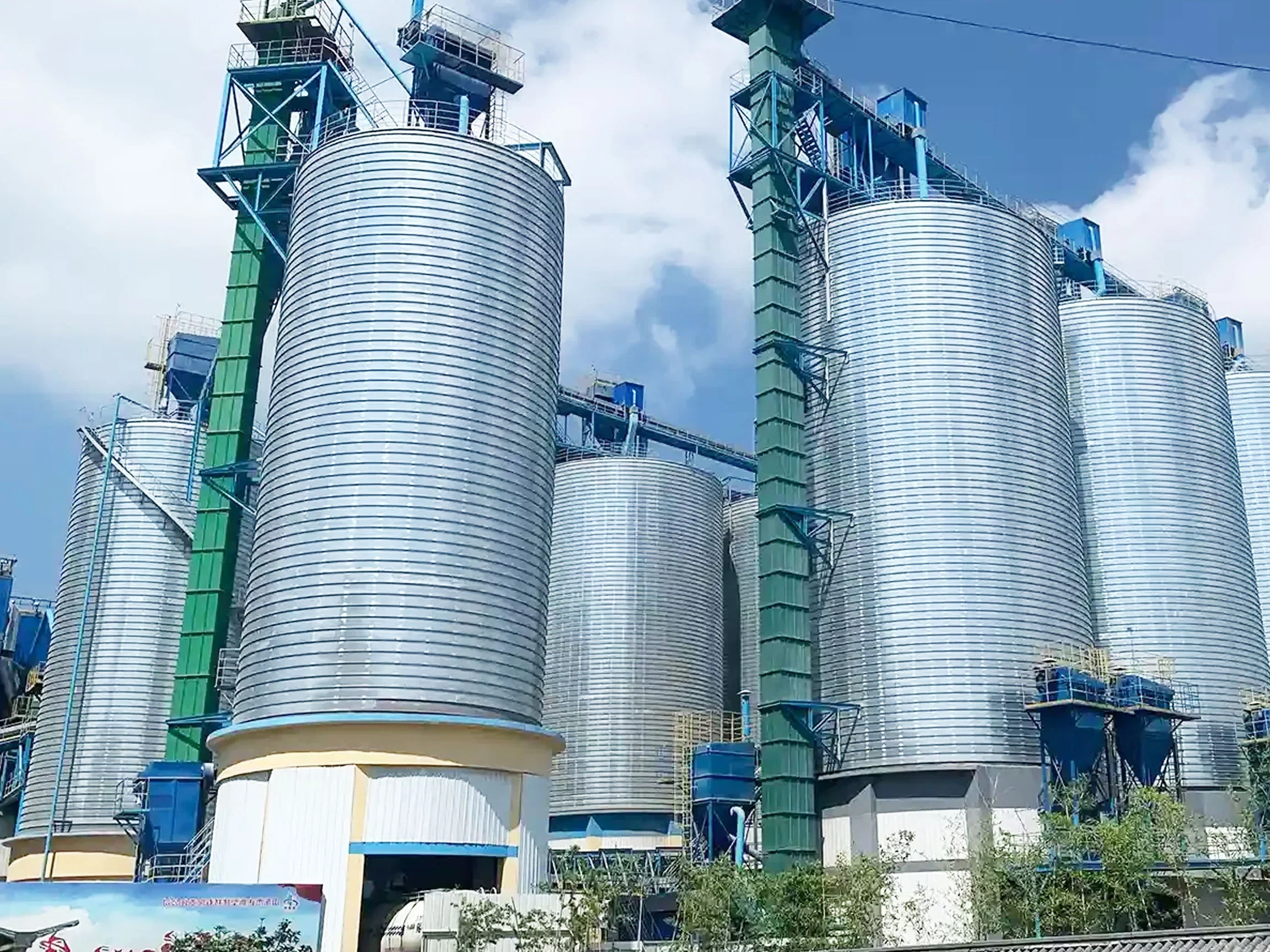
Welded steel silos come in several distinct construction configurations, each offering unique advantages for specific applications. The most common approaches include field-welded construction, where components are assembled and welded on-site, and shop-welded modular designs that arrive as pre-fabricated sections. Field welding typically allows for larger capacities and custom dimensions but requires skilled labor and favorable weather conditions during installation. Shop-welded modules offer faster installation times and consistent quality control but may have size limitations for transportation. A third approach combines both methods, with critical components shop-welded and final assembly completed on-site, balancing quality control with flexibility.
- Field-welded construction: Best for large-capacity projects exceeding 5,000 cubic meters
- Shop-welded modular designs: Ideal for projects with tight installation schedules
- Hybrid approaches: Suitable for complex projects requiring both customization and quality control
Key Engineering Factors for Silo Selection
Several technical considerations must guide your welded silo specification process. Material characteristics represent the primary factor—cement storage requires different design considerations than grain storage due to differences in bulk density, flow properties, and potential for segregation. Structural design must account for both static loads from stored materials and dynamic loads from filling and emptying operations, with seismic considerations crucial in certain geographic regions. Wall thickness calculations should incorporate corrosion allowances based on material abrasiveness and environmental conditions, with typical specifications ranging from 4mm to 12mm depending on capacity and material stored.
- Material properties: Bulk density, angle of repose, and flow characteristics
- Load calculations: Static, dynamic, wind, and seismic loading requirements
- Corrosion protection: Galvanization, painting systems, or specialized coatings
- Foundation requirements: Soil analysis and bearing capacity assessments
Capacity Planning and Configuration Options
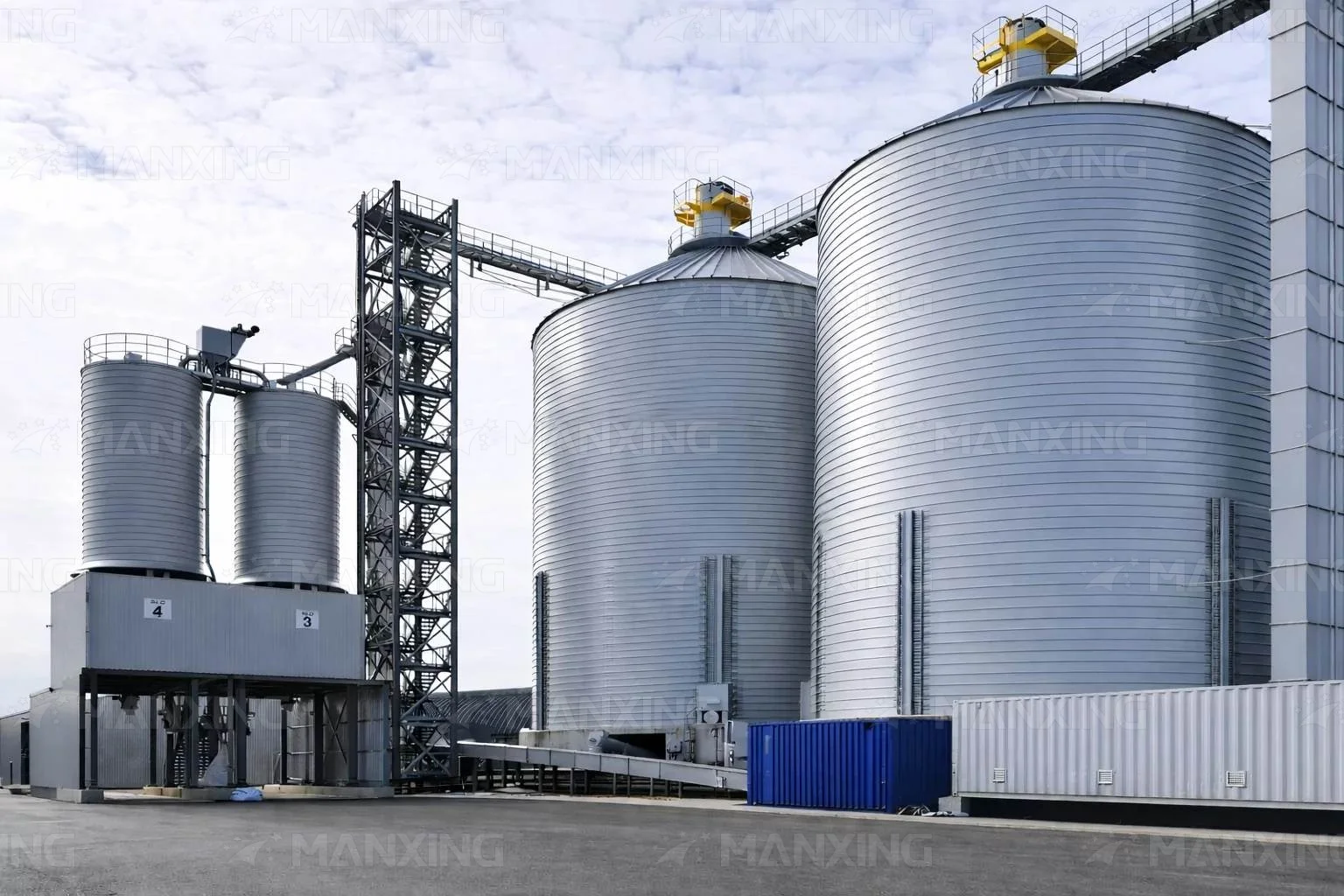
Determining the optimal capacity involves more than calculating current storage needs. Consider future expansion requirements, seasonal fluctuations in material availability, and throughput rates for loading and unloading operations. Welded silos typically offer capacities ranging from 50 to 10,000 cubic meters, with larger installations often utilizing multiple interconnected units. Configuration options include flat-bottom designs for materials with good flow characteristics and hopper-bottom designs for materials requiring complete discharge. Diameter-to-height ratios significantly impact structural stability and material flow, with common ratios between 1:1.5 and 1:3 depending on material characteristics and site constraints.
- Capacity planning: Current needs plus 20-30% for future expansion
- Bottom configurations: Flat, conical, or multiple-hopper designs
- Accessory integration: Manholes, ladders, safety cages, and inspection ports
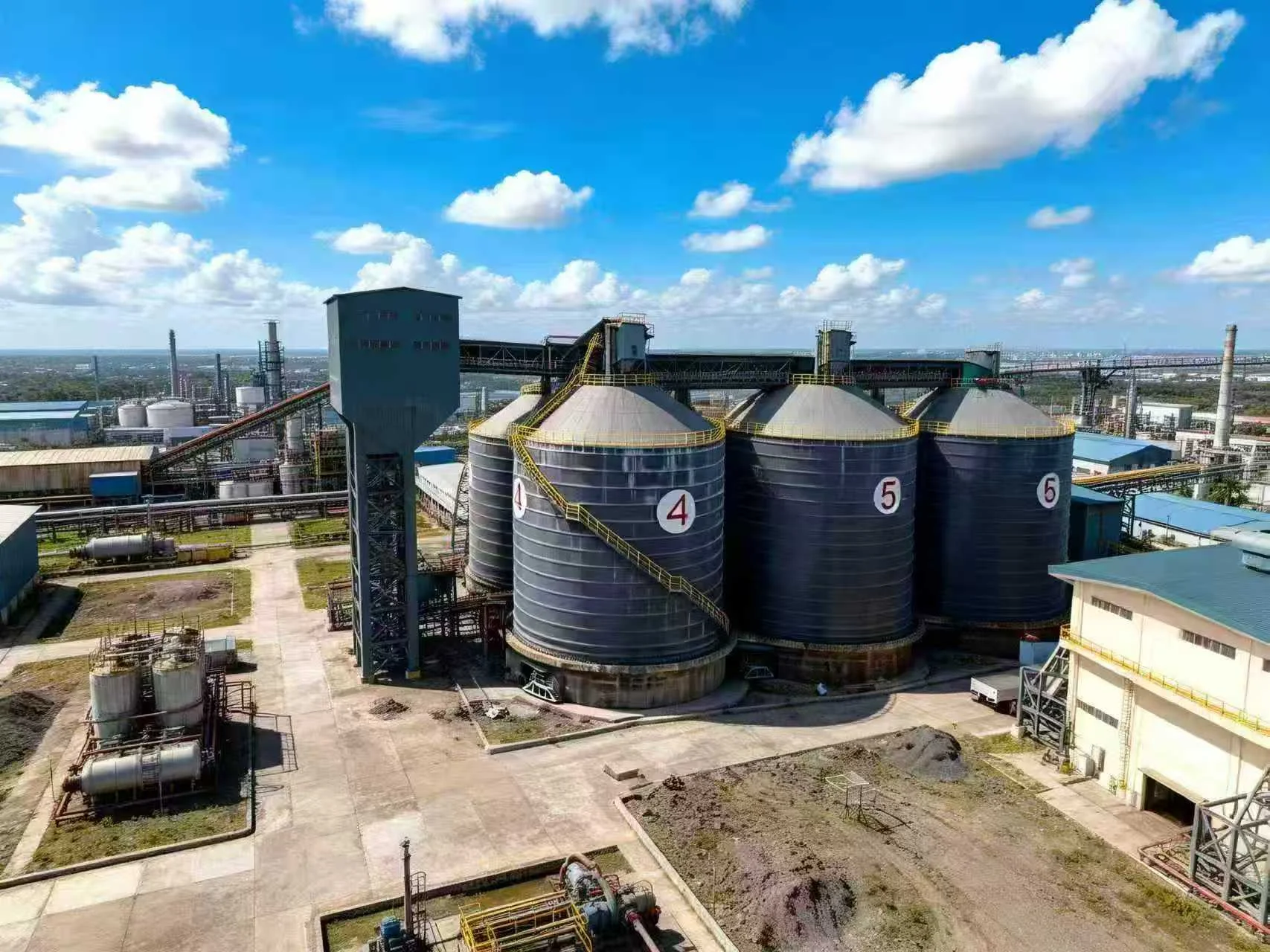
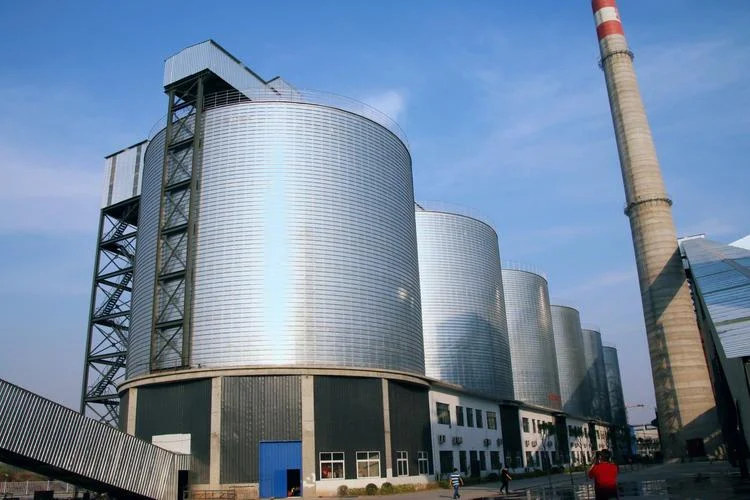
- Multiple silo arrangements: Parallel, series, or circular configurations
Operational Efficiency and Maintenance Considerations
The operational performance of welded steel silos depends significantly on proper specification during the design phase. Material flow characteristics dictate discharge system requirements, with some materials requiring specialized equipment like fluidization systems or vibratory dischargers. Aeration systems may be necessary for certain agricultural products to prevent spoilage, while temperature monitoring becomes critical for cement storage to prevent quality degradation. Maintenance accessibility should be designed into the structure, with adequate platforms, ladders, and inspection points specified from the outset. Properly designed welded silos can achieve discharge efficiencies exceeding 98% with minimal material residue.
- Discharge systems: Gravity, mechanical, or pneumatic options
- Environmental controls: Ventilation, temperature monitoring, and moisture protection
- Maintenance planning: Corrosion inspection schedules and structural assessments
- Safety features: Pressure relief valves, level indicators, and access safety systems
Cost Analysis and Lifecycle Considerations
Evaluating welded silo investments requires a comprehensive lifecycle cost analysis rather than focusing solely on initial capital expenditure. While welded construction typically involves higher upfront costs compared to some alternative methods, it offers superior longevity and lower maintenance requirements over decades of service. Consider not only material and fabrication costs but also installation expenses, ongoing maintenance requirements, energy consumption for material handling, and potential costs associated with downtime. Properly specified welded silos can deliver service lives exceeding 30 years with appropriate maintenance, making them cost-effective solutions for permanent storage needs.
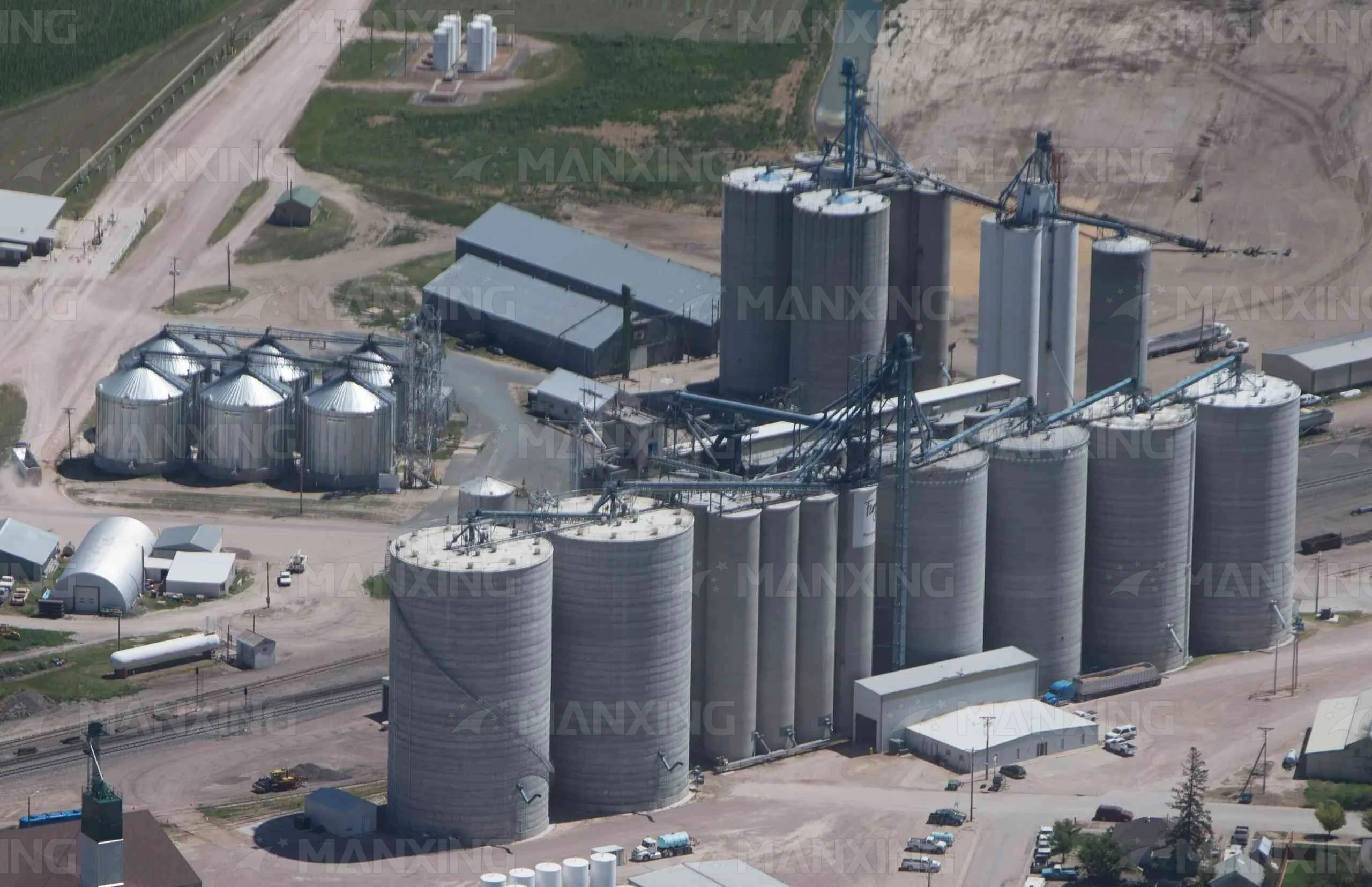
- Initial costs: Materials, fabrication, transportation, and installation
- Operational costs: Energy consumption, maintenance labor, and replacement parts
- Long-term value: Service life expectancy and residual value
- Risk mitigation: Costs associated with structural failure or operational downtime
Regulatory Compliance and Safety Standards
Welded steel silos must comply with numerous industry standards and regulatory requirements that vary by application and location. Structural design should adhere to relevant codes such as AISC standards in North America or Eurocodes in European markets. For food-grade applications, materials and fabrication processes must meet sanitary requirements, while industrial applications may require compliance with environmental regulations for dust control and emissions. Safety considerations include proper design of access systems, fall protection, confined space entry provisions, and pressure relief systems for certain materials. Documentation requirements typically include material certifications, welding procedure specifications, and non-destructive testing reports.
- Structural standards: Local building codes and industry-specific requirements
- Material certifications: Mill test reports and traceability documentation
- Safety compliance: OSHA or equivalent regulations for access and operation
- Environmental regulations: Dust control, spill containment, and emissions standards
Conclusion: Making an Informed Decision
Selecting the right welded steel silo requires careful consideration of multiple technical, operational, and economic factors. By thoroughly evaluating your specific material characteristics, capacity requirements, site conditions, and long-term operational goals, you can specify a solution that delivers optimal performance throughout its service life. The investment in proper engineering analysis during the specification phase pays dividends through improved operational efficiency, reduced maintenance costs, and enhanced safety compliance. For complex projects or applications with unique requirements, consulting with experienced engineering professionals can help ensure your welded silo solution meets both current needs and future challenges.
Table of Contents
PDF
Download File
Manxing Industrial Silo Brochure
Manxing_Industrial_Silo_Brochure.pdf
Open the download form to unlock this file. The download will start automatically after submission.
Request a Quote
We are committed to providing you with exceptional service and ensuring a seamless buying experience. Please send us your inquiry, and we will respond with a detailed quotation.