


Calculating Cement Silo Load Capacities: Technical Guide
Apr Wed, 2026
Introduction: The Critical Role of Load Calculations in Silo Design
Accurate load capacity determination forms the foundation of safe and efficient cement silo engineering. For structural engineers and project managers, understanding how to properly calculate and verify these limits isn't just theoretical—it's essential for preventing structural failures, optimizing material handling, and ensuring long-term operational reliability. This technical deep-dive explores the methodologies, considerations, and practical approaches that experienced professionals use when designing and evaluating cement storage structures.
Fundamental Load Categories for Cement Silos
Every cement silo design must account for multiple load types that interact throughout the structure's lifecycle. The primary categories include dead loads from the silo's own structural components, live loads from stored cement, and environmental forces such as wind and seismic activity. Secondary considerations encompass thermal effects, differential settlement, and dynamic loads during filling and discharge operations. Engineers typically organize these into load combinations following established building codes, with specific attention to how cement's unique properties influence pressure distributions within the structure.
- Dead loads: Structural steel, concrete components, and permanent equipment
- Live loads: Cement storage at maximum capacity with proper density considerations
- Environmental loads: Wind pressure based on local codes and seismic zone requirements
- Operational loads: Dynamic effects during filling, vibration from equipment, and temperature variations
Janssen's Theory: The Foundation of Silo Pressure Calculations
For over a century, Janssen's theory has provided the fundamental framework for calculating pressures in silos containing granular materials like cement. This approach accounts for the frictional interaction between stored material and silo walls, recognizing that vertical pressure doesn't increase linearly with depth due to wall friction. The theory requires accurate input parameters including cement's internal friction angle, wall friction coefficient, and bulk density—values that vary significantly between cement types and moisture conditions. Modern applications often enhance Janssen's original equations with empirical adjustments based on decades of field measurements and research.
Practical implementation involves calculating both vertical and horizontal pressures at various depths, then determining the corresponding wall friction forces. These calculations become particularly critical in taller silos where pressure distributions can create complex loading patterns. Engineers must also consider how pressure patterns change during different operational phases, as filling and emptying create distinct pressure regimes that affect structural integrity differently.
Code Compliance and International Standards
While fundamental theories provide the mathematical basis, practical design requires adherence to recognized engineering standards. Different regions follow various codes, with ACI 313 serving as a prominent American standard for concrete silos and DIN EN 1991-4 providing European guidelines. These documents offer methodologies for load combination, safety factors, and design approaches, though experienced engineers often supplement code minimums with practical knowledge gained from actual silo performance.
- ACI 313-97 and subsequent revisions for concrete silo design in North America
- DIN EN 1991-4 for European projects with specific provisions for silo actions
- Local building codes that may impose additional requirements for wind and seismic zones
- Industry-specific standards for cement handling and storage facilities
Structural Analysis and Support System Design
Once loads are properly calculated, engineers must translate these forces into practical structural designs. Support systems typically involve columns, braces, and foundations that work together to transfer loads safely to the ground. Steel pipe columns often serve as primary supports due to their favorable strength-to-weight ratio and resistance to buckling. Design checks include verifying member capacities under combined axial and bending stresses, ensuring connection details can transfer calculated forces, and confirming foundation designs accommodate all load combinations.
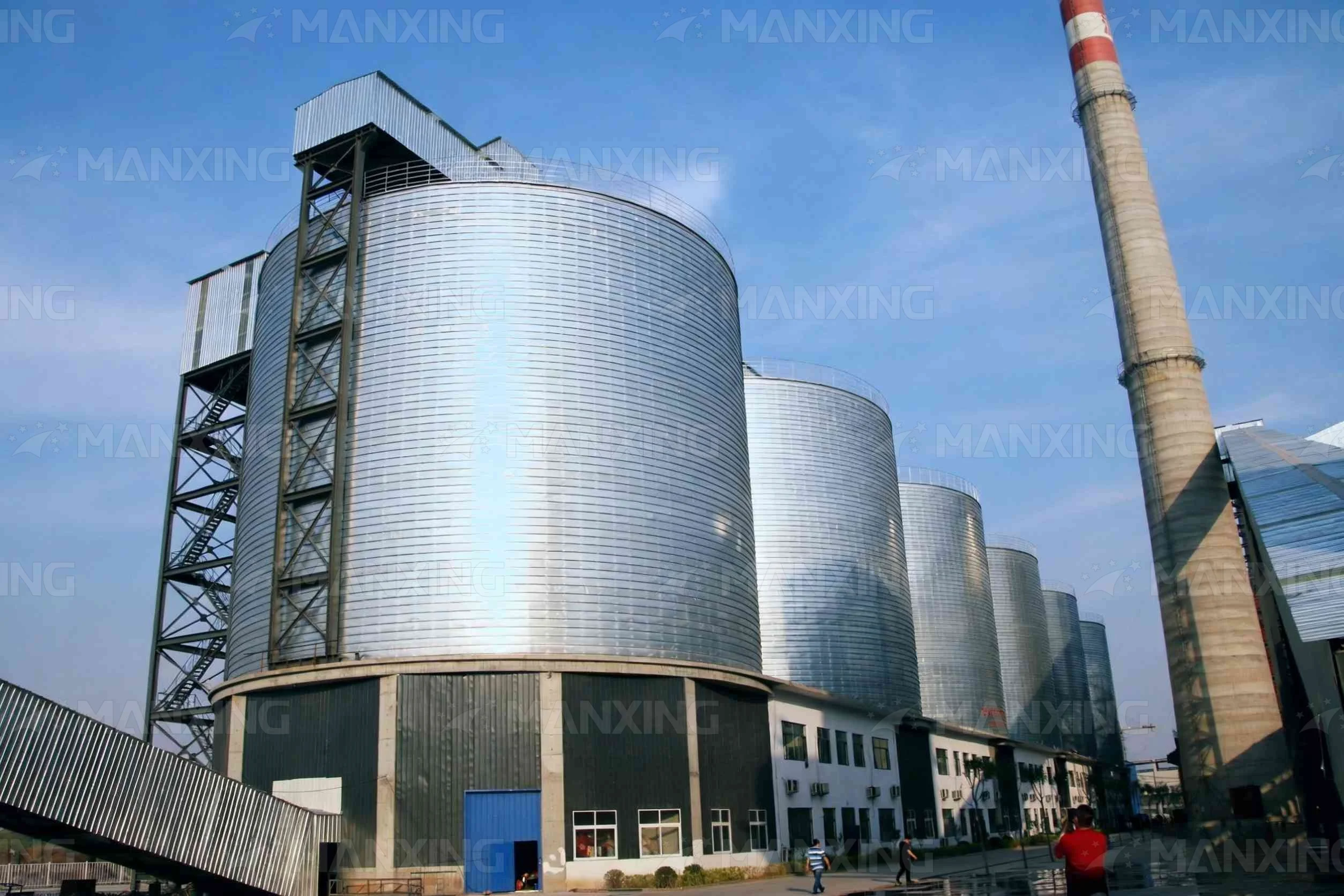
For batching plant applications where silos experience frequent loading cycles, fatigue considerations become important. Engineers analyze stress ranges at critical connections and implement detailing strategies that minimize stress concentrations. In seismic zones, additional considerations include ductility requirements, connection capacities under cyclic loading, and potential for soil-structure interaction effects that might amplify seismic forces.
Practical Verification and Field Considerations
Theoretical calculations require validation through practical methods. Field measurements using strain gauges and pressure sensors provide real-world data that can confirm or refine design assumptions. Monitoring programs during initial filling operations help verify that actual pressures align with predicted values, allowing for adjustments before full operational capacity is reached. Experienced engineers also conduct regular inspections looking for signs of distress such as wall deformations, cracking patterns, or connection failures that might indicate load-related issues.
- Instrumentation strategies for pressure and strain monitoring during commissioning
- Visual inspection protocols for identifying early signs of structural distress
- Load testing methodologies for verifying capacity before full operation
- Maintenance considerations for long-term load capacity preservation
Advanced Considerations for Special Applications
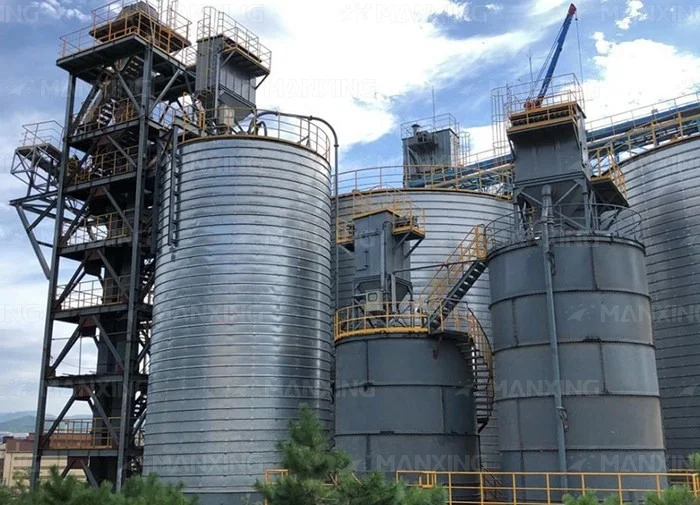
Certain cement storage scenarios require specialized approaches beyond standard calculations. Tall silos exceeding conventional height ratios may experience amplified dynamic effects during filling. Silos in corrosive environments need additional capacity margins to account for material degradation over time. Facilities handling multiple cement types with different flow characteristics require adaptable designs that accommodate varying pressure distributions. Engineers addressing these challenges often employ finite element analysis to model complex behaviors that simplified calculations might miss.
Temperature effects present another advanced consideration, particularly in regions with significant seasonal variations. Cement properties change with temperature, affecting both material behavior and structural responses. Thermal gradients through silo walls can create additional stresses that standard load calculations might overlook. Engineers account for these through material property adjustments and sometimes through active temperature management systems.
Conclusion: Integrating Theory with Practical Expertise
Proper cement silo load capacity determination represents a sophisticated integration of theoretical principles, code requirements, and practical engineering judgment. While calculation methods provide essential frameworks, successful designs emerge from understanding how these theories apply to real-world conditions with actual cement materials. The most reliable approaches combine rigorous mathematical analysis with insights gained from observing silo performance across decades of operation. For engineers seeking to deepen their understanding, continued education in both theoretical developments and practical case studies offers the best path toward mastering this critical aspect of industrial structure design.
Ready to apply these principles to your next project? Consider consulting with specialists who bring both theoretical knowledge and extensive field experience to ensure your silo designs meet all safety and performance requirements.
Table of Contents
PDF
Download File
Manxing Industrial Silo Brochure
Manxing_Industrial_Silo_Brochure.pdf
Open the download form to unlock this file. The download will start automatically after submission.
Request a Quote
We are committed to providing you with exceptional service and ensuring a seamless buying experience. Please send us your inquiry, and we will respond with a detailed quotation.