


How to Design Fly Ash Silos for Optimal Storage: A Practical Guide for Engineers
Apr Wed, 2026
Introduction to Fly Ash Silo Design
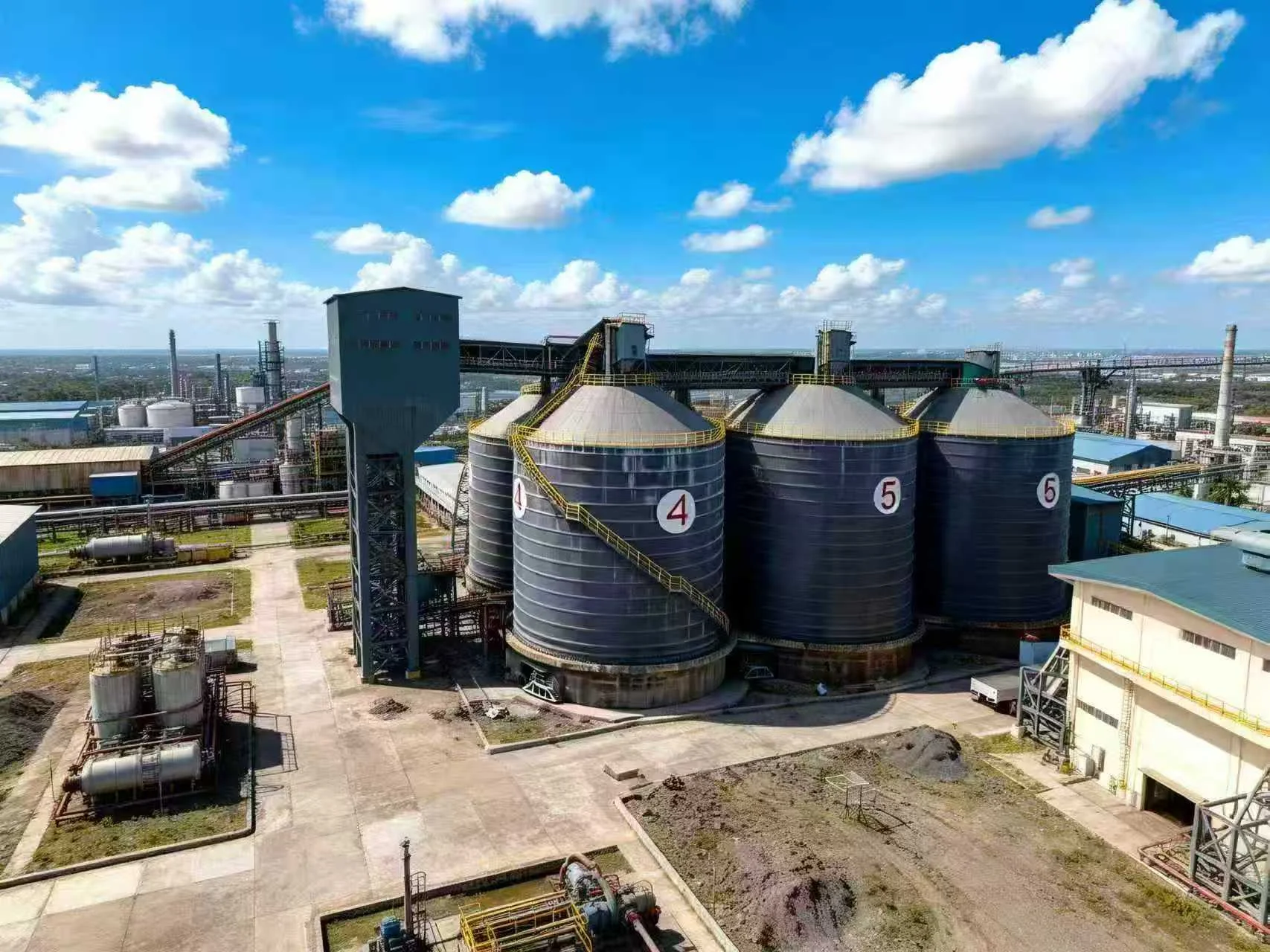
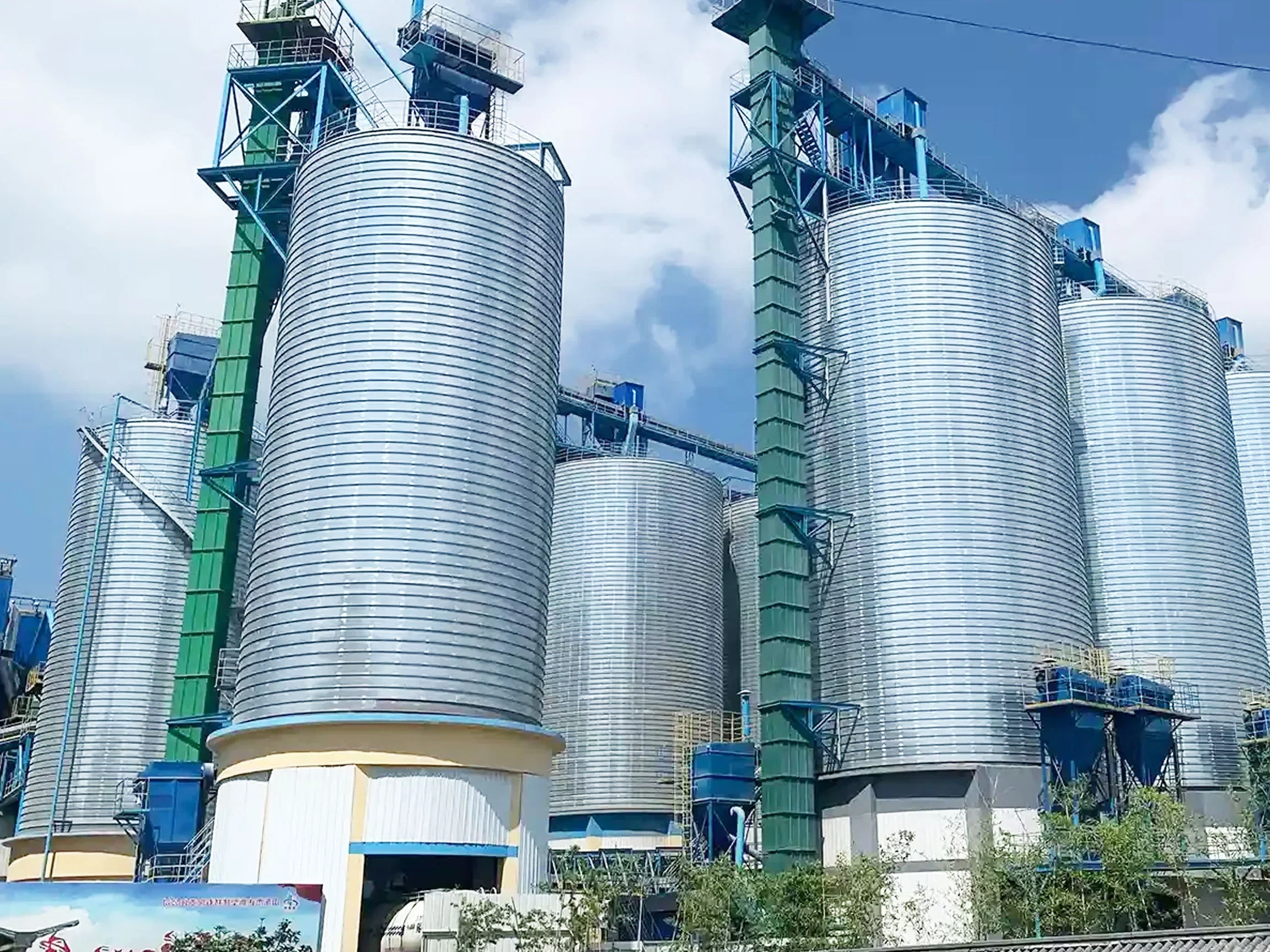
Fly ash, a byproduct of coal combustion in power plants, presents unique storage challenges due to its fine particle size, variable moisture content, and potential for compaction. Proper silo design is crucial to prevent flow issues, structural failures, and material degradation. This practical guide provides engineers with essential steps for designing fly ash silos that ensure optimal storage efficiency, safety, and longevity. By focusing on capacity calculations, flow properties, and structural requirements, you can create systems that handle fly ash effectively in industrial applications.
Calculating Storage Capacity and Dimensions
Accurate capacity calculation is the foundation of effective fly ash silo design. Start by determining the required storage volume based on production rates, usage patterns, and buffer needs. For cylindrical silos, use the formula: Volume = π × (radius²) × height. Consider bulk density variations—fly ash typically ranges from 600 to 900 kg/m³ depending on moisture and compaction. Always include a safety margin of 10-15% to account for material swelling and operational fluctuations. In a real-world case, a power plant in the Midwest designed a 500-ton capacity silo by calculating daily ash production of 50 tons and allowing for 10 days of storage, resulting in dimensions of 8 meters in diameter and 15 meters in height.
- Determine daily fly ash production and required storage duration
- Account for bulk density variations (600-900 kg/m³)
- Use volume formulas with safety margins
- Consider future expansion needs in initial design
Analyzing Flow Properties and Discharge Systems
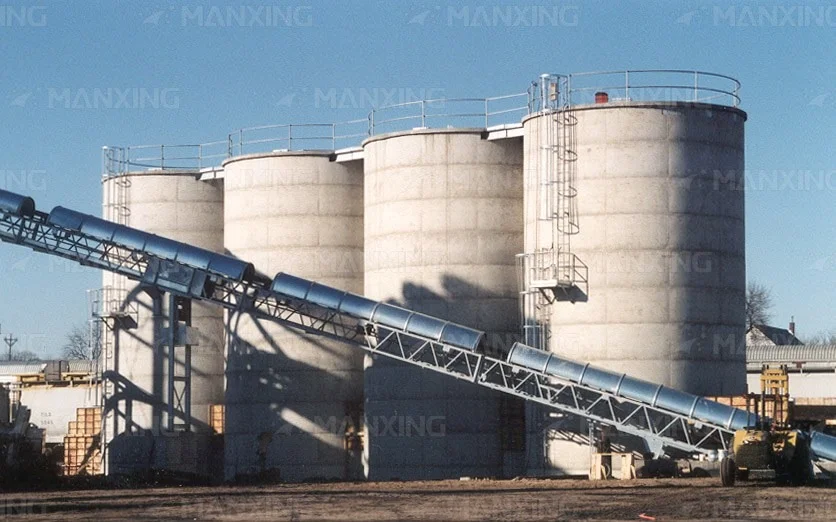
Fly ash is prone to arching, ratholing, and segregation due to its cohesive nature and fine particles. Conduct flow property testing to measure parameters like angle of repose (typically 30-40 degrees), cohesion, and internal friction. Design discharge systems to promote mass flow rather than funnel flow, using steep hopper angles (60-70 degrees from horizontal) and smooth interior surfaces. Vibrators, air cannons, or fluidization systems may be necessary to prevent material hang-ups. For example, a cement plant in Texas reduced discharge problems by installing conical hoppers with 65-degree angles and pneumatic fluidization pads, improving material flow consistency by 40%.
- Test flow properties: angle of repose, cohesion, friction
- Design for mass flow with steep hopper angles
- Select appropriate discharge aids (vibrators, air cannons)
- Ensure smooth interior surfaces to reduce friction
Structural Requirements and Material Selection
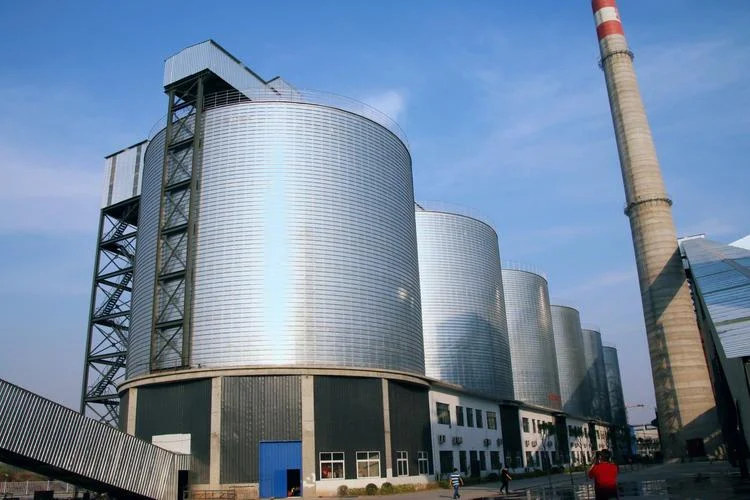
Fly ash silos must withstand significant static and dynamic loads while resisting corrosion and abrasion. Structural design should account for dead loads (self-weight), live loads (material weight), wind loads, seismic forces, and thermal expansion. Use structural steel or reinforced concrete with appropriate safety factors—typically 1.5 for steel and 2.0 for concrete. Interior linings like epoxy coatings or stainless steel cladding protect against corrosion from moisture in fly ash. In cold climates, consider insulation to prevent condensation and freezing. A case study from a Canadian utility shows how galvanized steel silos with epoxy linings and seismic bracing successfully withstood -30°C temperatures and earthquake zone requirements.
- Calculate loads: dead, live, wind, seismic, thermal
- Select materials: steel or concrete with corrosion protection
- Apply appropriate safety factors (1.5-2.0)
- Include insulation for temperature control in extreme climates
Integration with Handling Systems and Safety Features
Effective fly ash silo design extends beyond the storage structure to include integration with conveying, loading, and dust control systems. Coordinate silo outlets with pneumatic or mechanical conveyors, ensuring compatible flow rates and pressures. Implement level indicators (radar, ultrasonic) to monitor inventory and prevent overfilling. Safety features must include pressure relief valves, explosion vents (for potential combustible dust), access platforms, and fall protection. Proper ventilation and dust collection systems are essential to maintain air quality and prevent emissions. An industrial facility in Ohio improved operational safety by integrating silos with automated conveying and real-time monitoring systems, reducing manual handling incidents by 60%.
- Coordinate with conveying systems for seamless material transfer
- Install level monitoring and inventory management tools
- Include safety features: relief valves, explosion vents, access systems
- Implement dust control and ventilation for environmental compliance
Conclusion and Implementation Recommendations
Designing fly ash silos for optimal storage requires a comprehensive approach that balances capacity, flow, structure, and integration. By following the practical steps outlined—from accurate capacity calculations and flow property analysis to robust structural design and system integration—engineers can create efficient, safe, and durable storage solutions. Remember to conduct site-specific assessments, consult relevant codes (such as ACI 313 for concrete or AISC for steel), and consider lifecycle costs including maintenance and operational efficiency. For personalized guidance on your fly ash storage project, consult with experienced engineering professionals who can tailor designs to your specific requirements and regulatory environment.
Table of Contents
PDF
Download File
Manxing Industrial Silo Brochure
Manxing_Industrial_Silo_Brochure.pdf
Open the download form to unlock this file. The download will start automatically after submission.
Request a Quote
We are committed to providing you with exceptional service and ensuring a seamless buying experience. Please send us your inquiry, and we will respond with a detailed quotation.