


Concrete Silo Buyer's Guide: Key Selection Factors for Managers
Apr Tue, 2026
Introduction: Beyond Simple Storage Solutions
For procurement managers in the construction industry, selecting concrete silo systems represents a critical decision that extends far beyond basic storage requirements. These specialized structures serve as the backbone of material management in ready-mix operations, precast manufacturing facilities, and on-site batching plants. The right silo system enhances operational efficiency, ensures material quality preservation, and contributes to environmental compliance, while an inappropriate selection can lead to material degradation, frequent maintenance issues, and compromised project timelines. This comprehensive guide provides procurement professionals with the essential framework for making informed decisions that balance technical requirements with budgetary considerations.
Understanding Your Material Storage Requirements
Before evaluating specific silo options, procurement managers must thoroughly analyze the characteristics of materials to be stored. Different cementitious materials—including ordinary Portland cement, mineral powders, fly ash, and silica fume—possess distinct physical properties that directly influence silo design requirements. Bulk density variations, ranging from 1,100 to 1,600 kg/m³ depending on material composition, determine structural loading calculations. Particle size distribution affects flow characteristics, with finer materials requiring specialized discharge systems to prevent bridging and rat-holing. Moisture sensitivity represents another critical consideration, as certain materials demand enhanced sealing systems to prevent hydration and clumping that can compromise material quality and create operational bottlenecks.
Real-world applications demonstrate how material characteristics drive silo selection. In ready-mix concrete production facilities handling multiple cement types, compartmentalized silos with separate loading and discharge systems prevent cross-contamination while maintaining material integrity. Precast concrete manufacturers storing specialized admixtures often require silos with precise temperature and humidity controls to preserve chemical properties. Understanding these material-specific requirements forms the foundation for selecting appropriate silo configurations that maintain material quality throughout storage cycles.
Capacity Planning and Operational Considerations
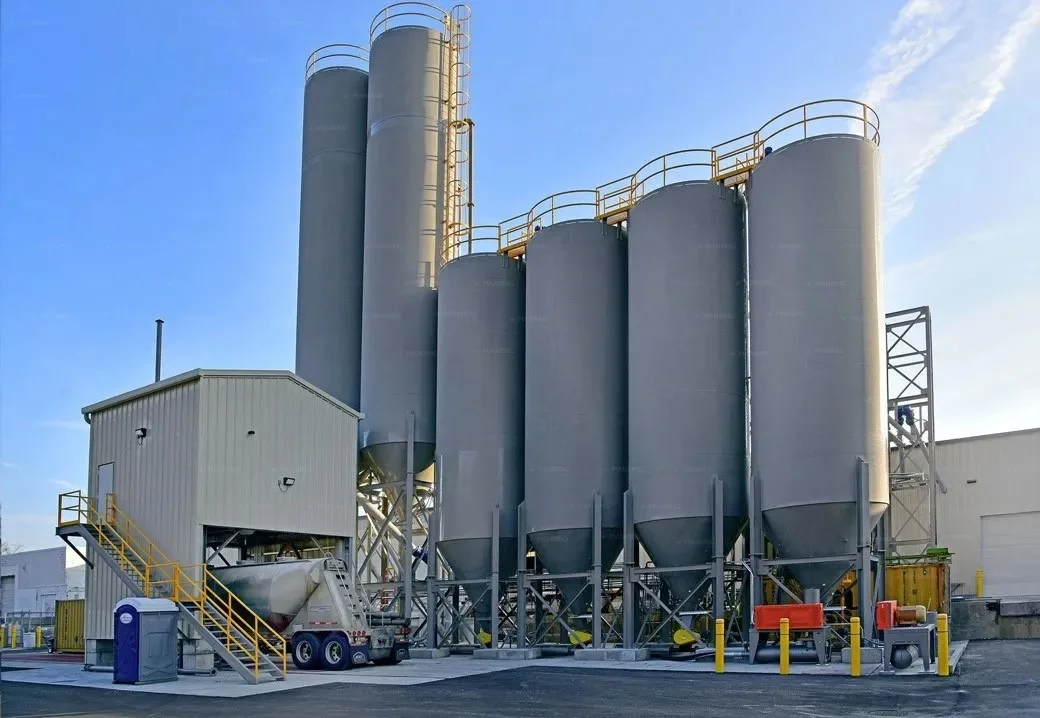
Determining optimal silo capacity involves more than calculating maximum storage volume. Procurement managers must consider both immediate operational needs and future expansion requirements while balancing capital investment against operational efficiency. For high-volume production facilities, larger capacity silos (typically 100-500 tons) reduce material delivery frequency and associated logistics costs, but require careful site planning and foundation engineering. Mobile and low-profile silos (20-100 tons) offer flexibility for temporary construction sites or facilities with space constraints, though they may necessitate more frequent refilling operations.
Operational factors significantly influence capacity decisions. Batching frequency, production schedules, and supplier delivery lead times should inform capacity calculations to prevent production interruptions. Facilities operating multiple shifts typically require larger buffer capacities than single-shift operations. Environmental regulations may impose additional considerations, as some jurisdictions limit storage duration for certain materials to prevent quality degradation. Practical capacity planning incorporates safety margins of 10-15% above calculated requirements to accommodate production fluctuations and unexpected delays, ensuring continuous operations without excessive capital expenditure on oversized equipment.
Construction Types: Technical Comparison and Applications
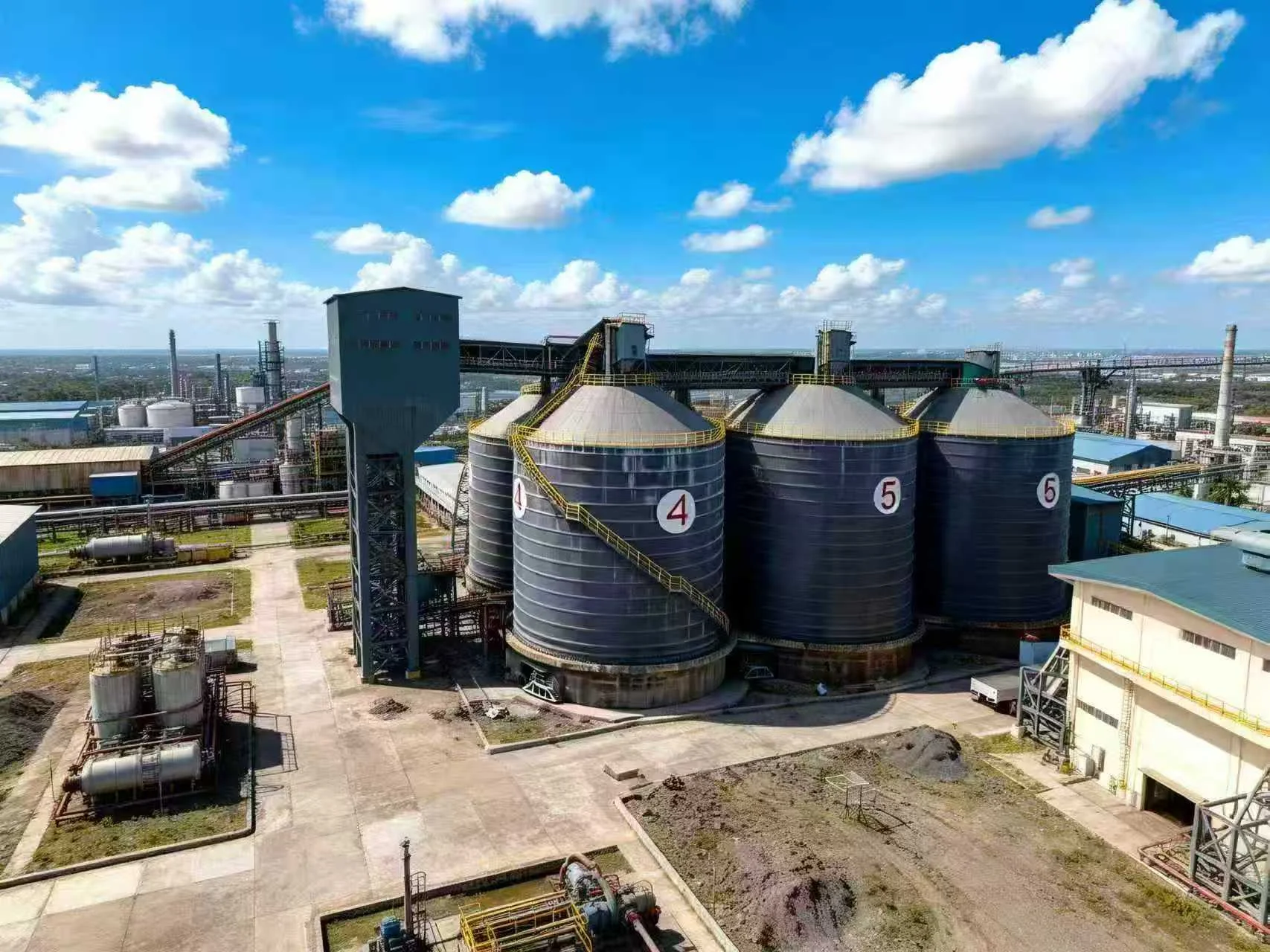
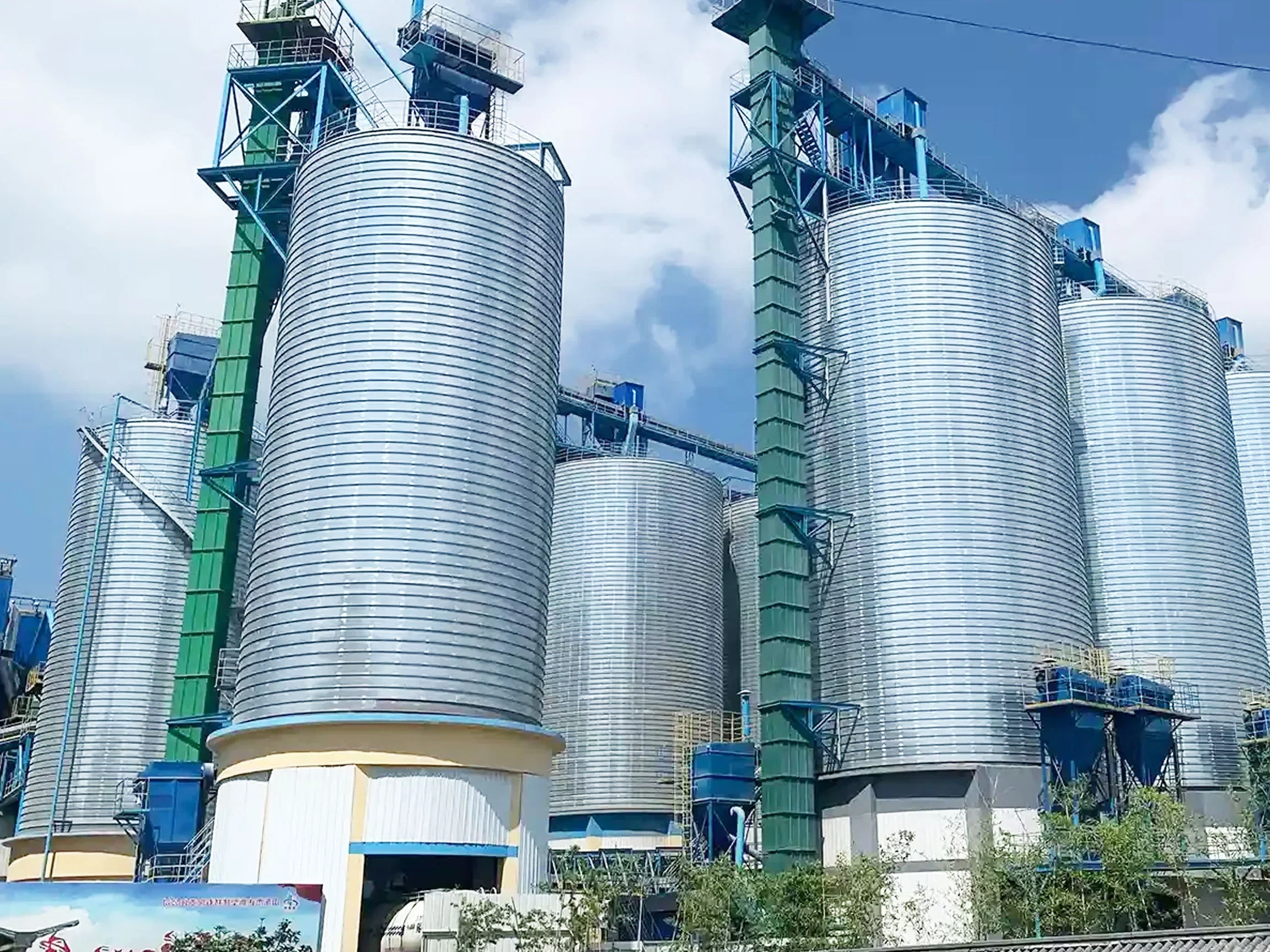
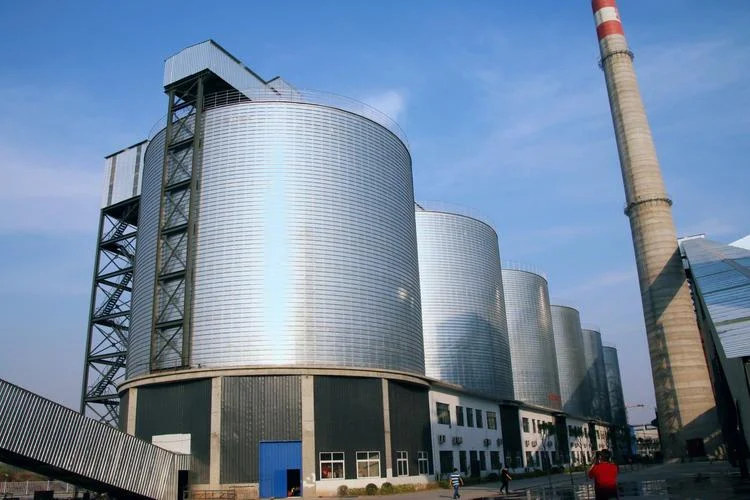
Concrete silos employ three primary construction methodologies, each offering distinct advantages for specific applications. Spiral seam silos utilize continuously wound steel strips to create seamless cylindrical structures, providing excellent structural integrity and resistance to material bridging. These systems typically offer faster installation times and cost advantages for standard applications, making them suitable for bulk storage of common cement types in ready-mix operations.
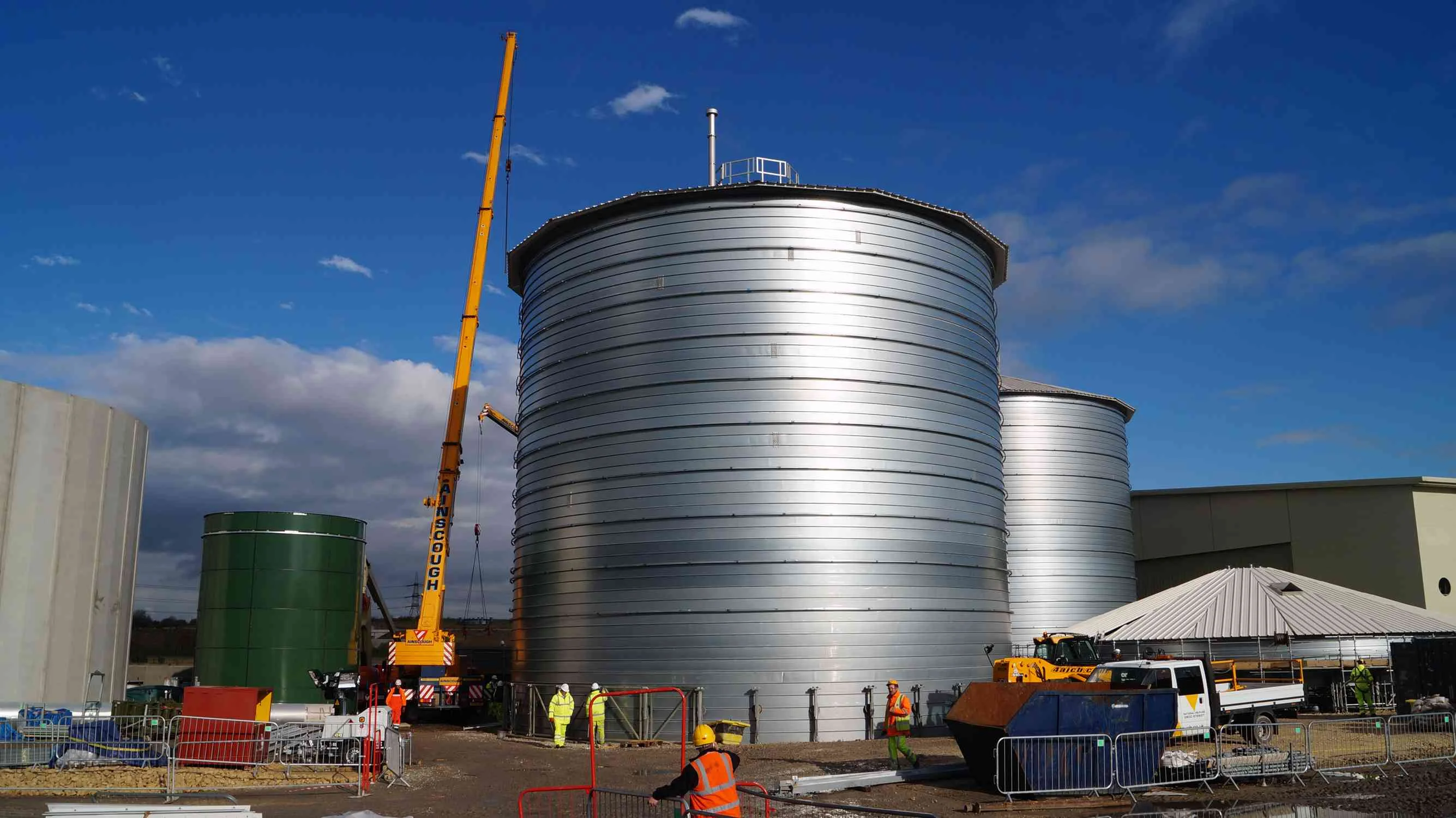
Welded silos feature precision-fabricated steel panels joined through automated welding processes, creating exceptionally strong structures capable of withstanding higher internal pressures and external loads. Their superior sealing characteristics make them ideal for storing moisture-sensitive materials or operating in humid environments. Bolted silos employ modular construction with flanged connections, offering maximum flexibility for relocation, expansion, or reconfiguration. This modular approach proves valuable for temporary construction sites or facilities anticipating future capacity increases, though proper gasket maintenance becomes crucial for maintaining material integrity.
Each construction type presents different lifecycle cost profiles. While spiral seam silos often have lower initial costs, welded designs typically demonstrate longer service life with reduced maintenance requirements in demanding environments. Bolted systems balance initial investment with future flexibility, though they may require more frequent inspection of connection points. Procurement managers should evaluate these factors against specific operational requirements rather than defaulting to familiar or lowest-cost options.
Environmental and Site-Specific Factors
Environmental conditions significantly impact silo performance and longevity, requiring careful assessment during the selection process. Coastal facilities must consider corrosion resistance requirements due to salt exposure, often necessitating specialized coatings or material specifications. Regions with seismic activity require silos designed to specific seismic coefficients, with proper anchoring systems and structural reinforcements. Temperature extremes affect both material properties and structural performance, with cold climates demanding insulation systems to prevent material freezing and tropical environments requiring enhanced ventilation to reduce condensation risks.
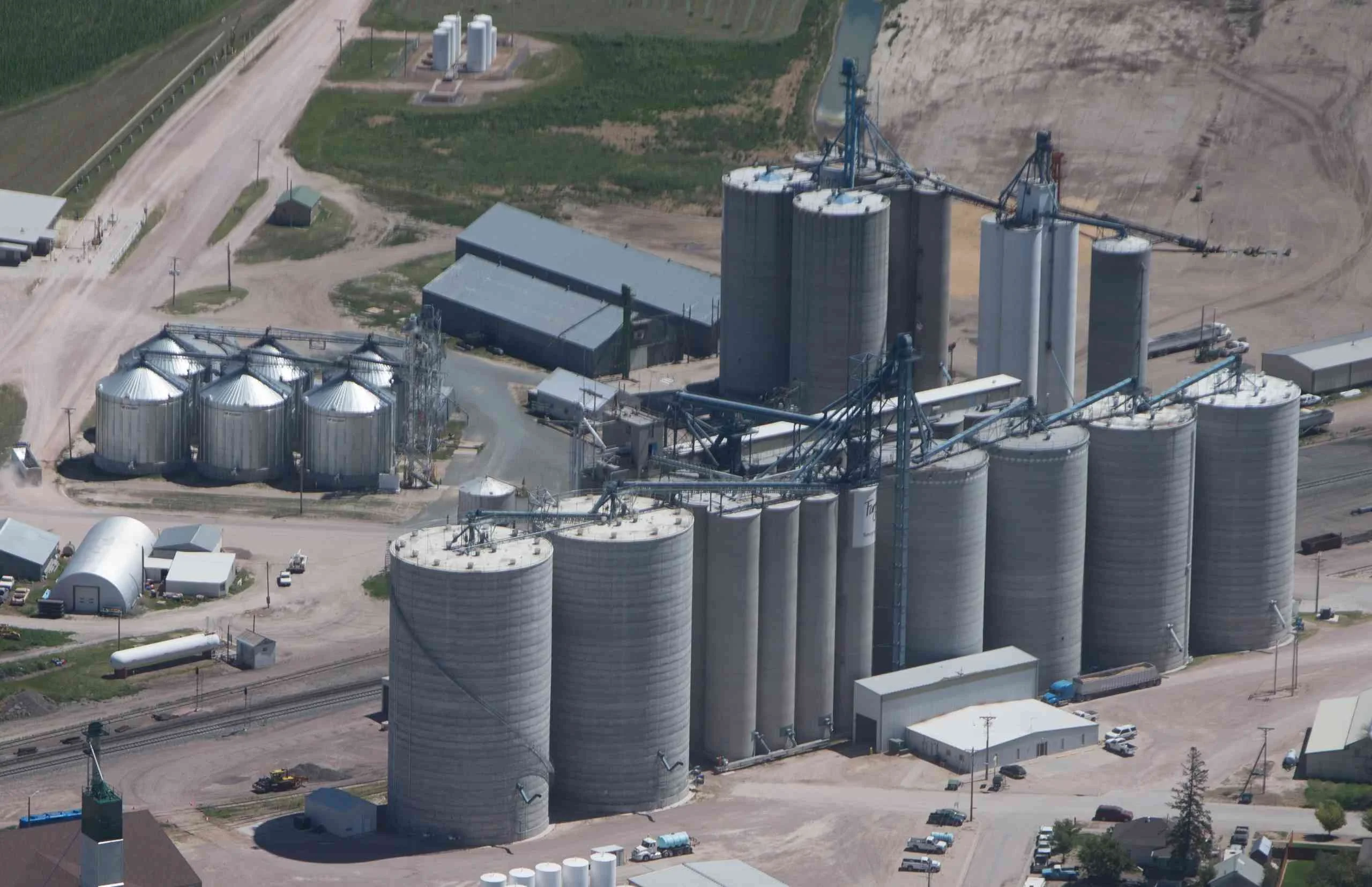
Site-specific considerations extend beyond environmental factors to include spatial constraints, access limitations, and regulatory requirements. Urban construction sites often benefit from low-profile silo designs that minimize visual impact and comply with height restrictions. Facilities with limited access roads may require modular components that can be transported in smaller sections for on-site assembly. Regulatory compliance encompasses multiple dimensions, including emissions control for loading operations, dust management systems, and stormwater runoff considerations. Proper site assessment should identify all relevant factors before finalizing silo specifications to avoid costly modifications or operational limitations post-installation.
Supplier Evaluation and Quality Assurance
Selecting reliable suppliers represents a critical component of the procurement process, with implications extending throughout the equipment lifecycle. Procurement managers should develop comprehensive evaluation criteria encompassing technical capability, manufacturing quality, and after-sales support. Technical assessment should include review of engineering credentials, design validation processes, and compliance with relevant standards such as ACI 313 (for concrete silos) or applicable structural codes. Manufacturing quality evaluation might involve facility inspections, material certification reviews, and examination of quality control procedures during fabrication.
Supplier experience with similar applications provides valuable insight into potential performance characteristics. Requesting case studies or references from comparable installations helps verify claimed capabilities. After-sales support considerations should include warranty terms, spare parts availability, technical support responsiveness, and maintenance training offerings. Financial stability assessment helps ensure suppliers can honor long-term support commitments. Procurement managers should balance competitive pricing against these qualitative factors, recognizing that initial cost savings may prove insignificant compared to operational disruptions caused by equipment failures or inadequate support.
Lifecycle Cost Analysis and Investment Planning
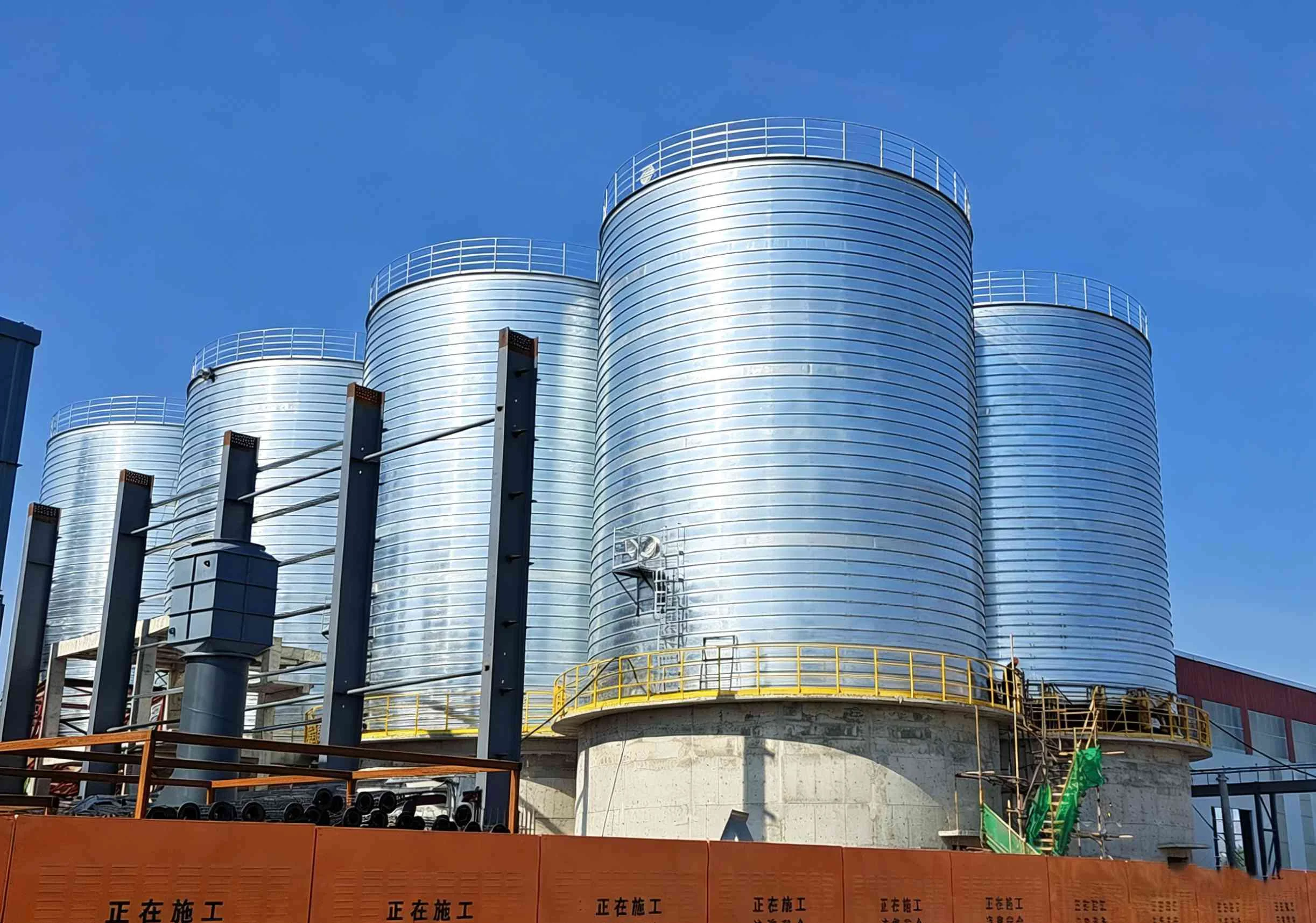
Comprehensive procurement decisions require analysis extending beyond initial purchase price to encompass total cost of ownership throughout the equipment lifecycle. This holistic approach considers installation expenses, operational costs, maintenance requirements, and potential decommissioning or relocation expenses. Installation costs vary significantly based on site preparation requirements, foundation construction complexity, and assembly methodologies. Operational expenses include energy consumption for material handling systems, routine maintenance activities, and periodic inspections required to maintain optimal performance.
Maintenance planning should account for both preventive measures and anticipated repair needs based on equipment design and operational intensity. Some silo designs incorporate features that reduce maintenance requirements, such as internal coatings that minimize material adhesion or access systems that facilitate inspection and cleaning. Energy efficiency considerations become increasingly important as operational scales increase, with properly designed discharge systems reducing power consumption during material transfer operations. Procurement managers should develop detailed cost projections covering a minimum 10-year operational period to accurately compare alternatives, recognizing that higher initial investments in quality equipment often yield lower total costs through reduced downtime and extended service life.
Conclusion: Strategic Procurement for Long-Term Value
Selecting the optimal concrete silo system requires systematic evaluation of multiple interconnected factors rather than isolated feature comparisons. Procurement managers who develop comprehensive assessment frameworks considering material characteristics, operational requirements, environmental conditions, and supplier capabilities position their organizations for successful long-term outcomes. The most effective selections balance immediate needs with future flexibility, technical requirements with budgetary constraints, and initial investment with lifecycle value. By approaching silo procurement as a strategic decision rather than a simple purchasing transaction, managers contribute directly to operational efficiency, material quality preservation, and overall project success. For organizations seeking to optimize their concrete storage infrastructure, developing internal expertise in these evaluation criteria represents a valuable investment in sustainable operational performance.
Table of Contents
PDF
Download File
Manxing Industrial Silo Brochure
Manxing_Industrial_Silo_Brochure.pdf
Open the download form to unlock this file. The download will start automatically after submission.
Request a Quote
We are committed to providing you with exceptional service and ensuring a seamless buying experience. Please send us your inquiry, and we will respond with a detailed quotation.