


Fly Ash Silo Cost Factors: A Complete Breakdown from Design to Installation
Jun Mon, 2026
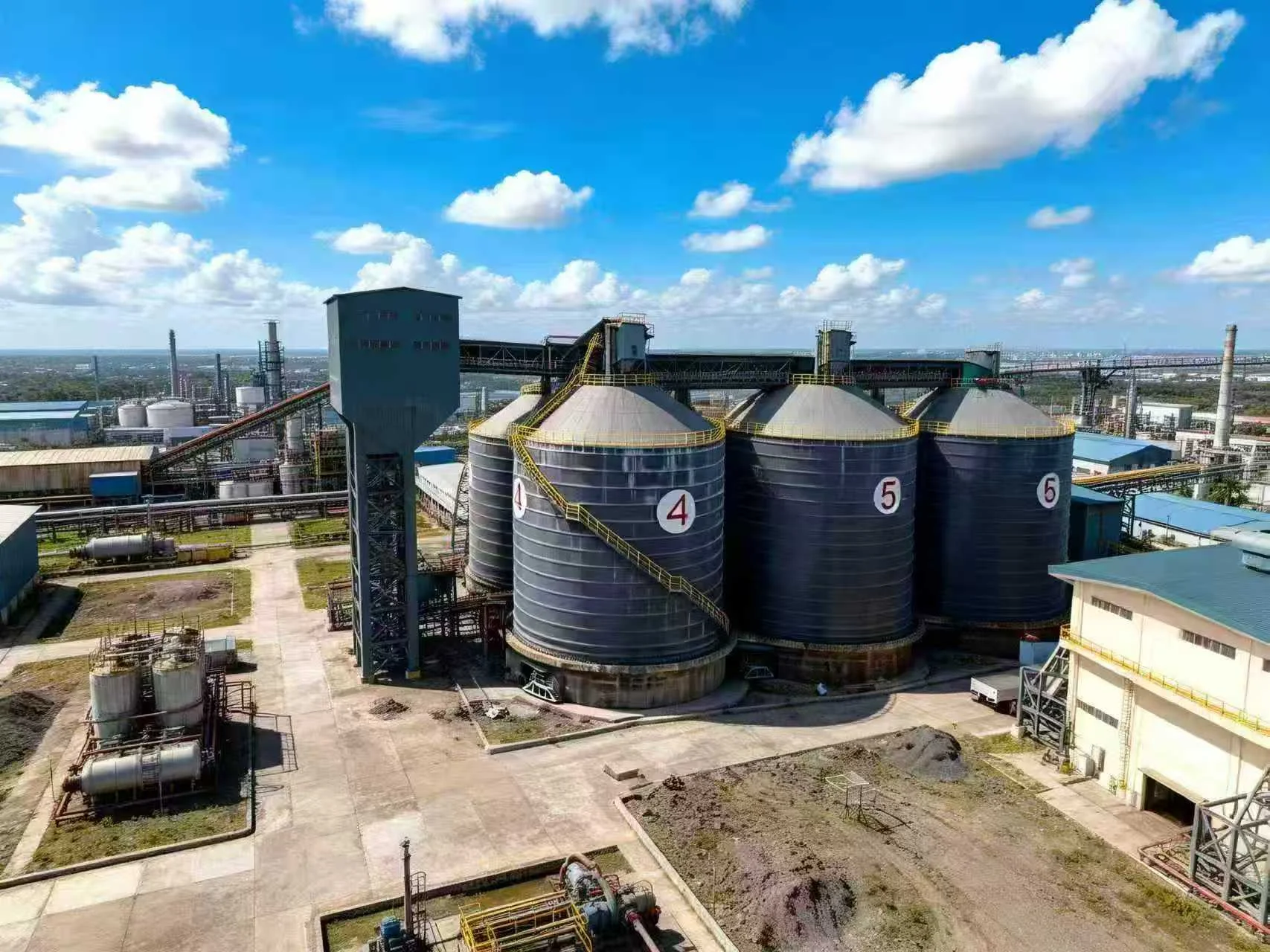
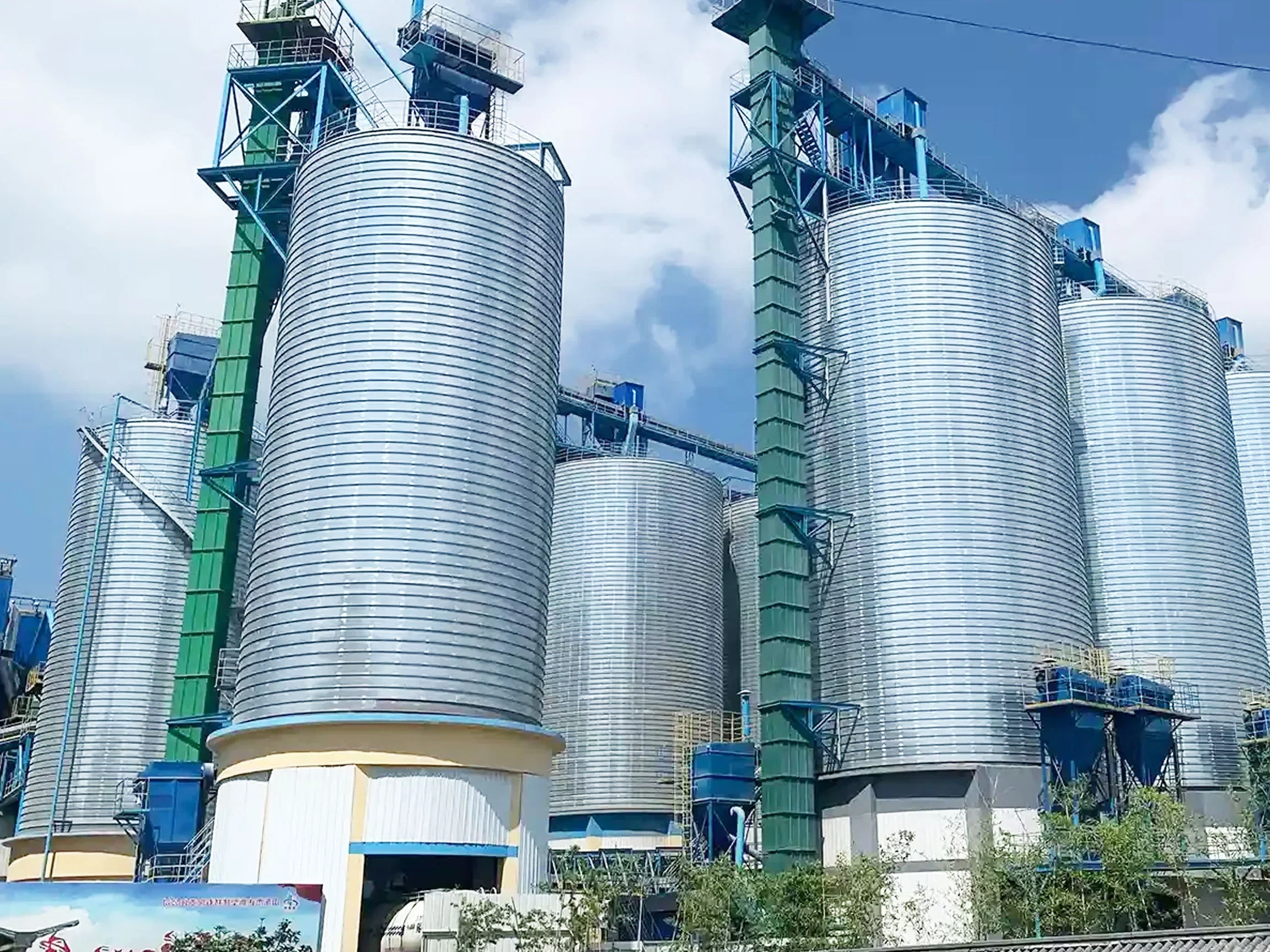
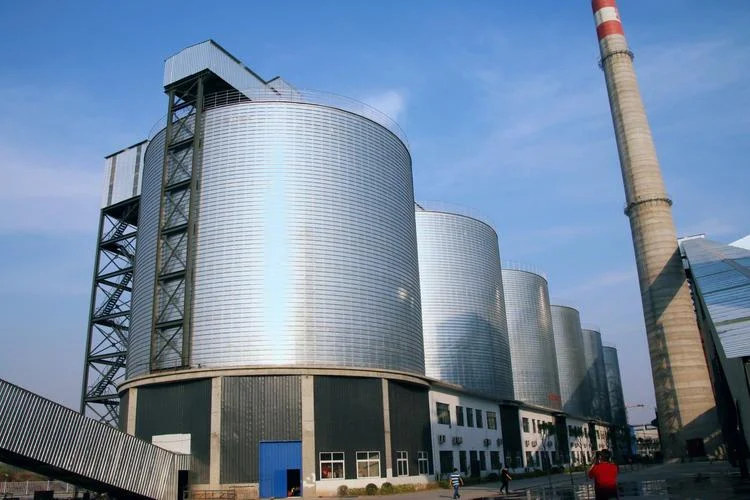
Fly ash silos are essential components in modern industrial operations, particularly in cement production, concrete manufacturing, and waste management systems. These specialized storage structures handle fine, powdery fly ash—a byproduct of coal combustion—requiring careful engineering to prevent issues like compaction, moisture absorption, and segregation. As industries increasingly adopt fly ash for its pozzolanic properties in sustainable construction, understanding the cost dynamics of silo projects becomes critical for budgeting and operational efficiency. This article provides a detailed breakdown of the primary cost factors involved in designing and constructing fly ash silos, offering insights to help stakeholders make informed decisions.
Material Selection and Structural Components
The choice of materials significantly impacts both upfront costs and long-term durability of fly ash silos. Steel and concrete are the most common options, each with distinct cost profiles. Steel silos, typically fabricated from carbon steel or stainless steel, offer advantages in terms of faster installation and flexibility in design. However, they require corrosion protection coatings—such as epoxy or zinc—to withstand the abrasive and sometimes corrosive nature of fly ash, adding to material expenses. Concrete silos, while often more expensive initially due to formwork and curing time, provide excellent durability and thermal insulation, reducing maintenance costs over decades of use. In regions with high humidity or aggressive environmental conditions, stainless steel linings or specialized concrete additives may be necessary, further influencing material budgets. Real-world use cases, like a cement plant in the Midwest opting for galvanized steel to combat winter moisture, highlight how local factors drive material choices and associated costs.
Design Engineering and Customization
Design complexity is a major cost driver in fly ash silo projects, as it directly affects structural integrity and operational efficiency. Key design considerations include:
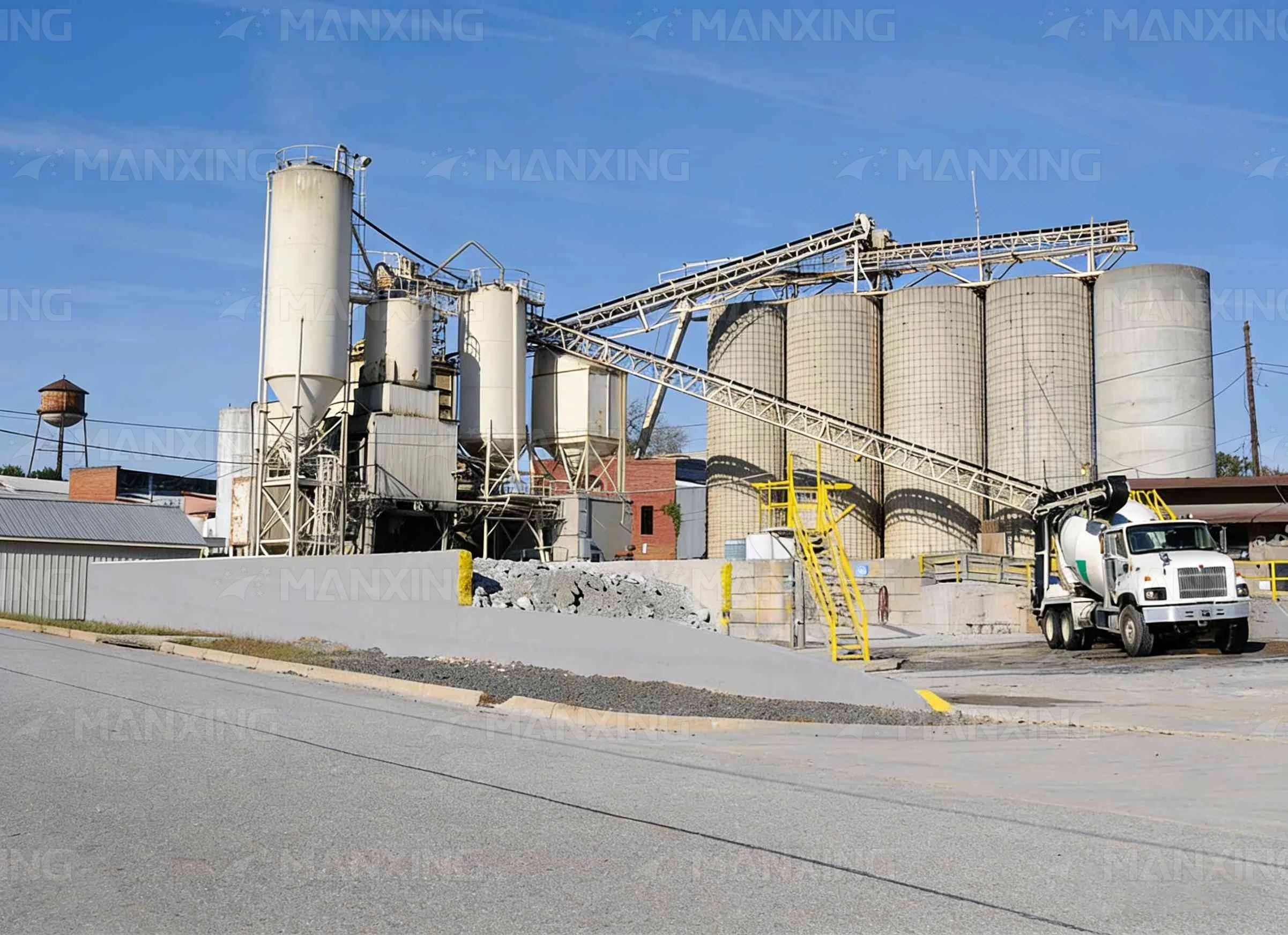
Capacity and dimensions: Larger silos (e.g., 500–2,000 tons) require more robust foundations and thicker walls, increasing material and engineering costs.
Hopper design: Cone or pyramid hoppers must be optimized for fly ash flow properties to prevent bridging or rat-holing, often necessitating steeper angles or fluidization systems.
Ventilation and aeration: Fly ash tends to compact, so integrated aeration pads or fluidizing systems are essential for consistent discharge, adding to design and equipment expenses.
Seismic and wind loads: In earthquake-prone areas or high-wind zones, silos require reinforced designs, which can raise costs by 15–25% compared to standard structures.
Customization for specific applications, such as integrating load-out systems for truck transport or automated controls for batch processing, also contributes to design costs. For instance, a power plant in California incorporated seismic bracing and automated moisture sensors, reflecting how site-specific needs shape overall project budgets.
Site Preparation and Foundation Work
Site-related factors often account for 20–30% of total fly ash silo costs, depending on location and ground conditions. Proper foundation design is critical to support the silo's weight and prevent settling, with costs varying based on:
Soil testing and geotechnical analysis: Essential to determine bearing capacity and identify potential issues like soft soil or high water tables.
Foundation type: Raft foundations are common for larger silos, while pile foundations may be needed in unstable soils, significantly increasing expenses.
Site accessibility: Remote or congested sites require additional logistics for material delivery and equipment setup, impacting labor and timeline costs.
Utility connections: Integrating electrical, water, and drainage systems adds to site preparation budgets.
In a case study from a construction materials facility in Texas, extensive soil stabilization was required due to clay-rich ground, demonstrating how unforeseen site challenges can escalate costs. Effective planning during this phase helps mitigate risks and control expenditures.
Installation and Labor Expenses
Installation costs for fly ash silos encompass labor, equipment, and timeline factors, with variations based on silo type and project scale. Steel silos are often prefabricated off-site, allowing for quicker assembly and reduced on-site labor hours—typically 2–4 weeks for a medium-sized unit. Concrete silos, built in place using slip-form or jump-form techniques, require longer construction periods (6–12 weeks) and specialized crews, increasing labor costs. Key installation considerations include:
Crane and equipment rental: Essential for lifting silo sections, with costs rising for taller or heavier structures.
Welding and bolting: Precision work ensures structural integrity, particularly for steel silos in corrosive environments.
Safety compliance: Adherence to OSHA standards and local regulations may necessitate additional training or equipment, adding to labor expenses.
Weather delays: Inclement conditions can extend timelines, impacting overall project costs.
For example, a project in the Pacific Northwest faced delays due to rain, underscoring the importance of budgeting for contingencies. Efficient project management and skilled labor are crucial to keeping installation costs within target ranges.
Operational and Maintenance Costs
Beyond initial construction, ongoing operational and maintenance costs play a significant role in the total cost of ownership for fly ash silos. These include:
Energy consumption: Aeration systems and conveyors require power, with costs varying based on usage frequency and local electricity rates.
Inspection and repairs: Regular checks for corrosion, wear, or structural issues help prevent costly failures; budget 1–3% of initial cost annually for maintenance.
Cleaning and unclogging: Fly ash can solidify, necessitating periodic cleaning or the use of flow aids, which add to operational expenses.
Environmental compliance: Monitoring for dust emissions or leaks may require additional equipment or reporting, influencing long-term costs.
In practice, a manufacturing plant in Ohio implemented a preventive maintenance schedule, reducing downtime and extending silo lifespan, highlighting how proactive management optimizes costs. Investing in quality materials and design upfront can lower these ongoing expenses.
Designing and constructing fly ash silos involves a multifaceted cost structure, from material selection and engineering to site work and long-term maintenance. By understanding these factors—such as the trade-offs between steel and concrete, the impact of custom features, and the importance of site assessment—industries can better plan and execute silo projects that balance performance with budget constraints. Real-world examples demonstrate how tailored solutions address specific operational needs while controlling costs. For more insights on optimizing your fly ash storage systems or to discuss project-specific considerations, explore our resources or contact our team for personalized guidance.
Table of Contents
PDF
Download File
Manxing Industrial Silo Brochure
Manxing_Industrial_Silo_Brochure.pdf
Open the download form to unlock this file. The download will start automatically after submission.
Request a Quote
We are committed to providing you with exceptional service and ensuring a seamless buying experience. Please send us your inquiry, and we will respond with a detailed quotation.