


Concrete Silo Maintenance for Mining Operations
Jun Mon, 2026
Introduction: Protecting Your Mining Infrastructure Investment
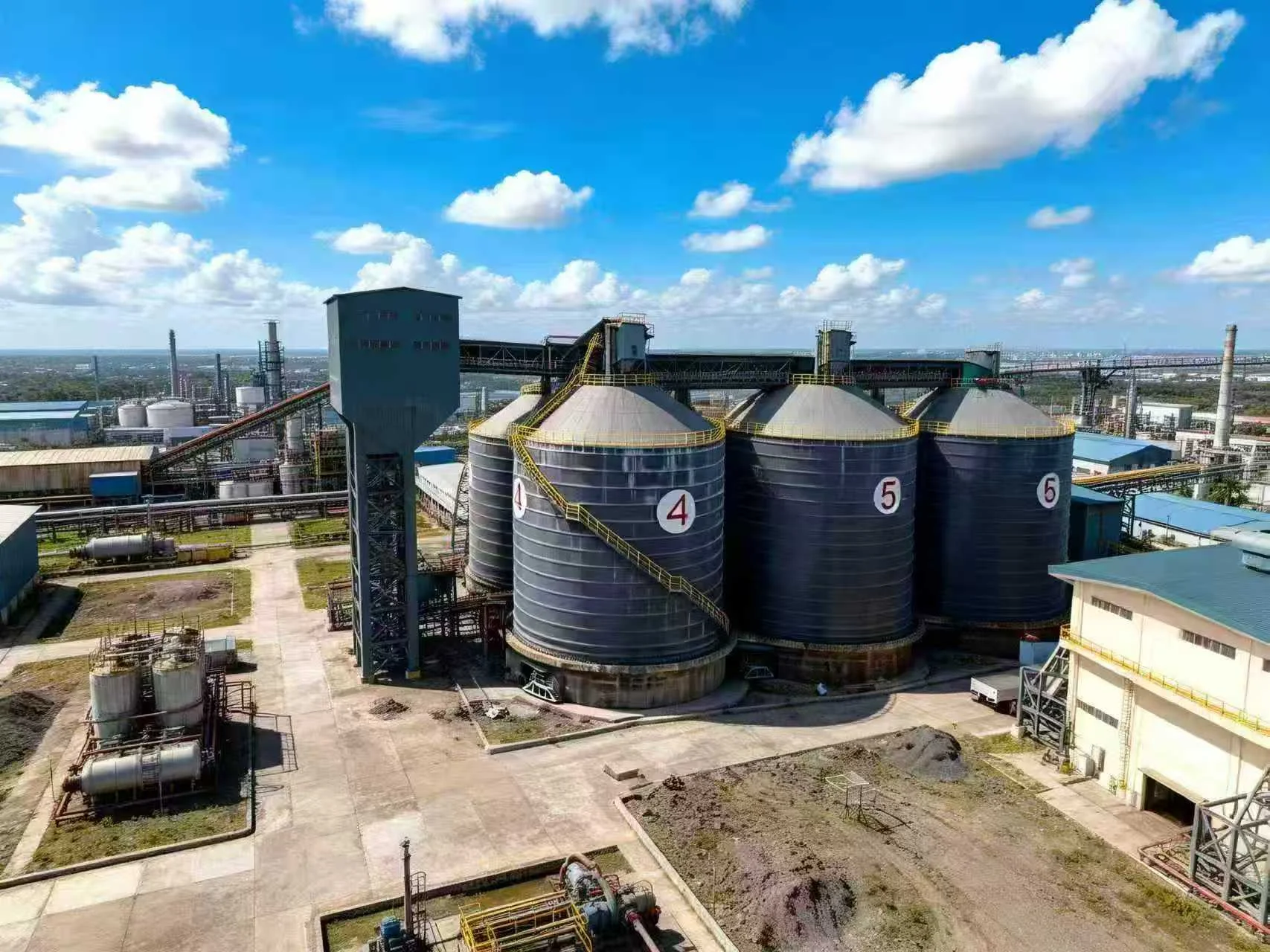
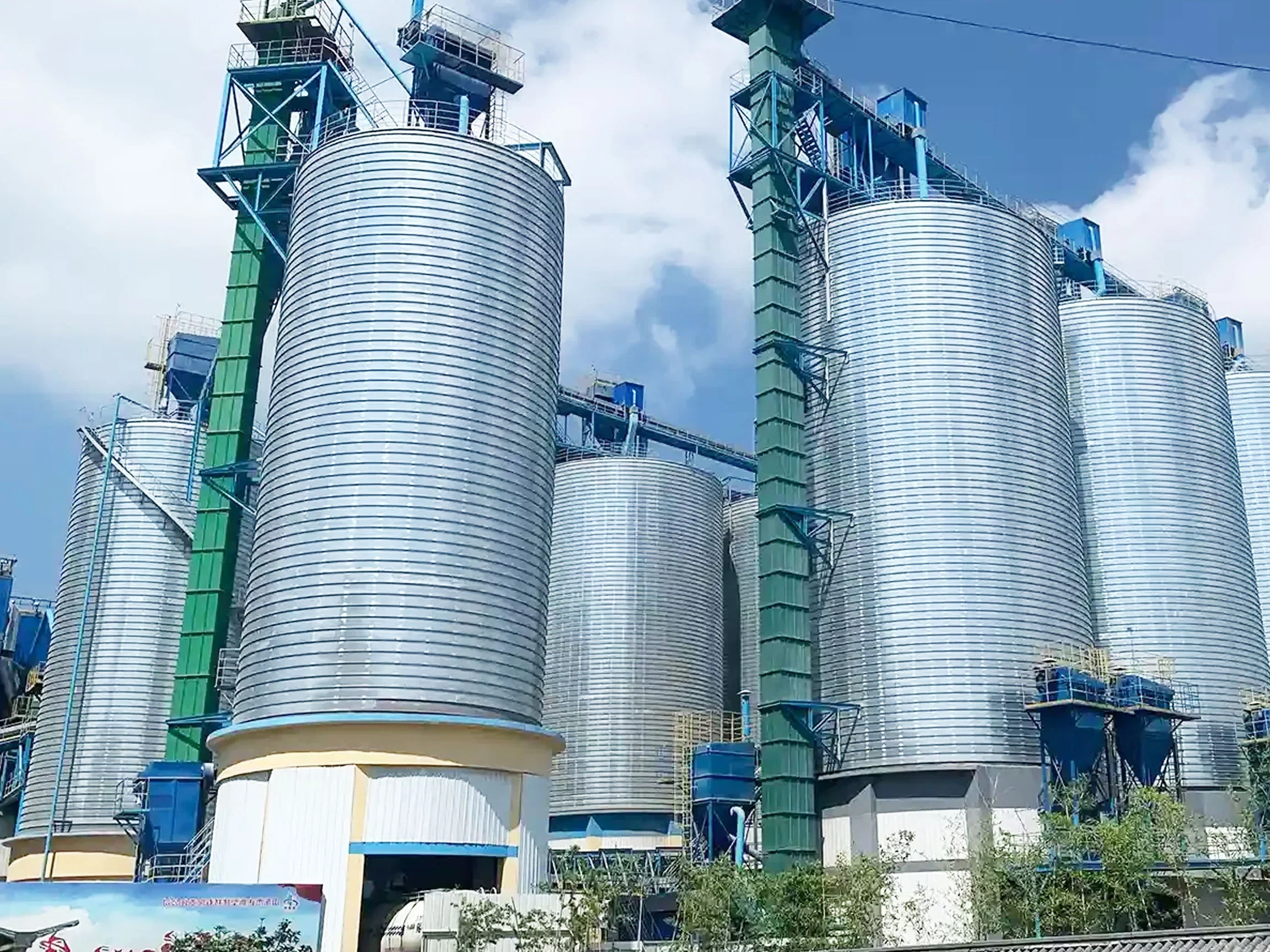
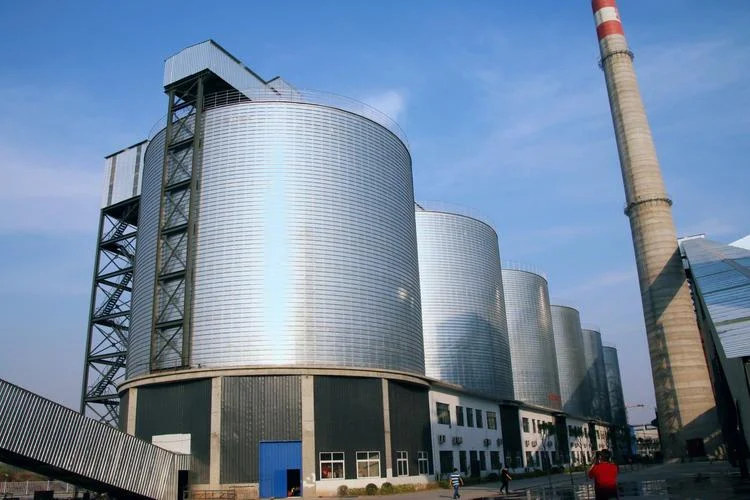
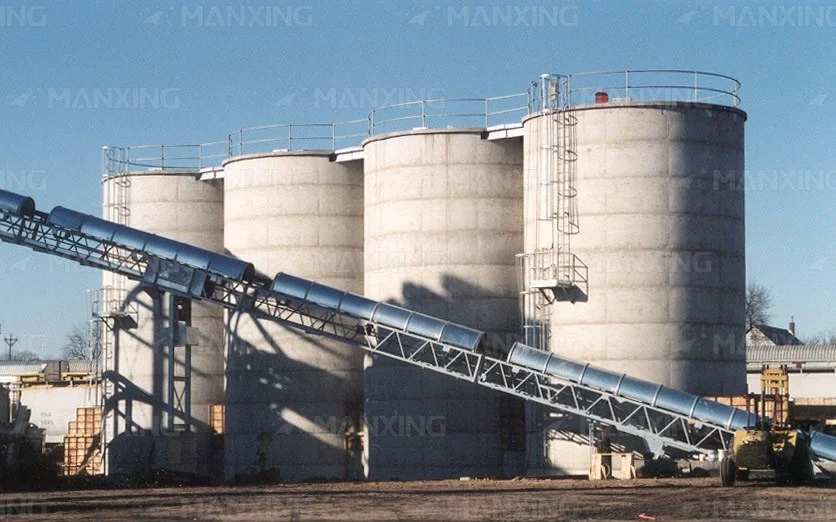
concrete-silo.html" title="concrete silo" target="_blank" rel="noopener">Concrete silos in mining operations face some of the most demanding conditions in industrial storage. These structures must withstand constant vibration from heavy equipment, abrasive materials that wear surfaces, and environmental factors that accelerate deterioration. With proper maintenance protocols, mining operators can extend silo lifespan by decades while preventing costly failures that disrupt production. This practical guide draws on extensive field experience to provide actionable strategies for maintaining concrete silos in harsh mining environments.
Comprehensive Inspection Protocols for Mining Silos
Regular inspections form the foundation of effective silo maintenance in mining operations. Unlike standard industrial environments, mining facilities require more frequent assessments due to accelerated wear patterns. Begin with visual examinations every quarter, focusing on areas where material flow creates the most abrasion. Look for hairline cracks that may indicate structural stress, surface spalling where aggregate becomes exposed, and any signs of moisture infiltration that can compromise concrete integrity.
Advanced non-destructive testing methods provide deeper insights into structural health. Ground-penetrating radar can detect internal voids or reinforcement corrosion without damaging the structure. Ultrasound scanning measures concrete density and identifies areas of weakness before visible damage appears. For mining operations handling corrosive materials, pH testing of concrete surfaces helps identify chemical degradation early. Document all findings with photographs and measurements to track deterioration rates over time.
Targeted Repair Strategies for Common Mining Silo Issues
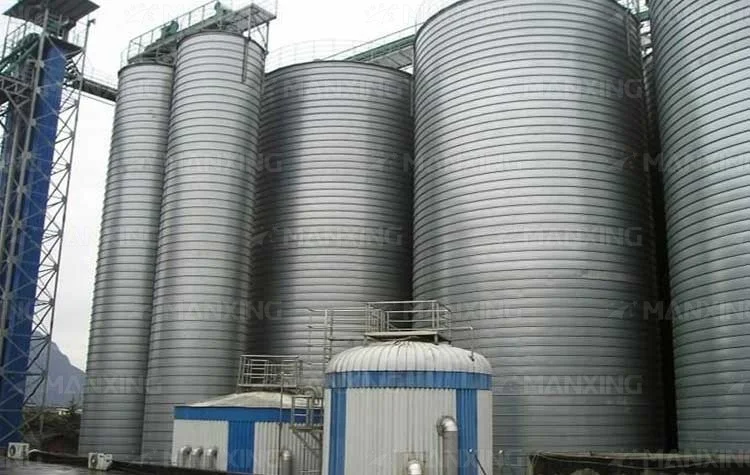
Mining environments create specific damage patterns that require specialized repair approaches. Abrasive materials like iron ore or copper concentrate gradually wear away concrete surfaces, particularly at discharge points and along material flow paths. For these areas, consider applying abrasion-resistant liners or specialized coatings that extend surface life by 300-400%. When repairing cracks, use flexible epoxy formulations that accommodate the structural movement common in mining facilities due to equipment vibration.
For structural repairs, match the repair material to the original concrete specifications to ensure compatibility. When addressing spalling damage, remove all compromised material back to sound concrete, clean reinforcement bars thoroughly, and apply corrosion inhibitors before patching. In one documented case from a copper mining operation, implementing these targeted repair strategies extended silo service life from an expected 15 years to over 30 years while reducing annual maintenance costs by 40%.
Preventive Maintenance for Harsh Mining Conditions
Proactive maintenance prevents minor issues from becoming major failures in mining environments. Establish cleaning schedules that remove material buildup, which can create uneven loading and accelerate wear. Implement moisture control measures, as mining operations often experience temperature fluctuations that cause condensation inside silos. Consider installing monitoring systems that track structural movement, temperature variations, and material level changes to identify potential problems before they affect operations.
Regularly inspect and maintain ancillary equipment like discharge gates, level indicators, and safety systems. These components experience significant stress in mining applications and can affect overall silo performance. Develop a maintenance calendar that aligns with production schedules to minimize downtime. One gold mining facility implemented a predictive maintenance program that reduced unplanned silo outages from 12 annually to just 2, significantly improving operational efficiency.
Life Extension Techniques for Aging Mining Silos
As concrete silos in mining operations age, specialized techniques can restore performance and extend service life. Structural strengthening methods include adding carbon fiber reinforcement to walls experiencing increased loads or applying external post-tensioning to address foundation settlement issues. For silos showing signs of fatigue from decades of vibration exposure, consider installing vibration dampening systems that reduce stress on concrete structures.
Surface protection plays a crucial role in life extension. High-performance coatings designed for mining environments can provide chemical resistance, reduce abrasion, and prevent moisture penetration. When planning major rehabilitation projects, conduct thorough structural analysis to identify the most cost-effective approach. Documented rehabilitation projects in mining operations have successfully extended silo lifespan by 15-20 years through comprehensive assessment and targeted interventions.
Safety Considerations in Mining Silo Maintenance
Mining environments present unique safety challenges during silo maintenance operations. Always implement confined space protocols with proper ventilation and monitoring when entering silos. Establish lockout-tagout procedures for all connected equipment to prevent accidental activation during maintenance activities. Use fall protection systems when working at heights, as mining silos often exceed standard industrial heights.
Consider the specific hazards of stored materials, including potential for spontaneous combustion with certain minerals or dust explosion risks. Implement dust control measures during repair work, and ensure all personnel understand material-specific safety protocols. Regular safety training tailored to mining silo maintenance helps prevent accidents and ensures compliance with industry regulations.
Conclusion: Maximizing Your Mining Silo Investment
Effective maintenance transforms concrete silos from potential liabilities into reliable assets for mining operations. By implementing regular inspections, targeted repairs, and preventive measures, operators can significantly extend service life while reducing operational risks. The harsh conditions of mining environments demand more frequent attention than standard industrial applications, but the investment pays dividends through reduced downtime and avoided replacement costs. Begin by assessing your current maintenance practices against these guidelines to identify improvement opportunities that will protect your infrastructure investment for years to come.
Table of Contents
PDF
Download File
Manxing Industrial Silo Brochure
Manxing_Industrial_Silo_Brochure.pdf
Open the download form to unlock this file. The download will start automatically after submission.
Request a Quote
We are committed to providing you with exceptional service and ensuring a seamless buying experience. Please send us your inquiry, and we will respond with a detailed quotation.