
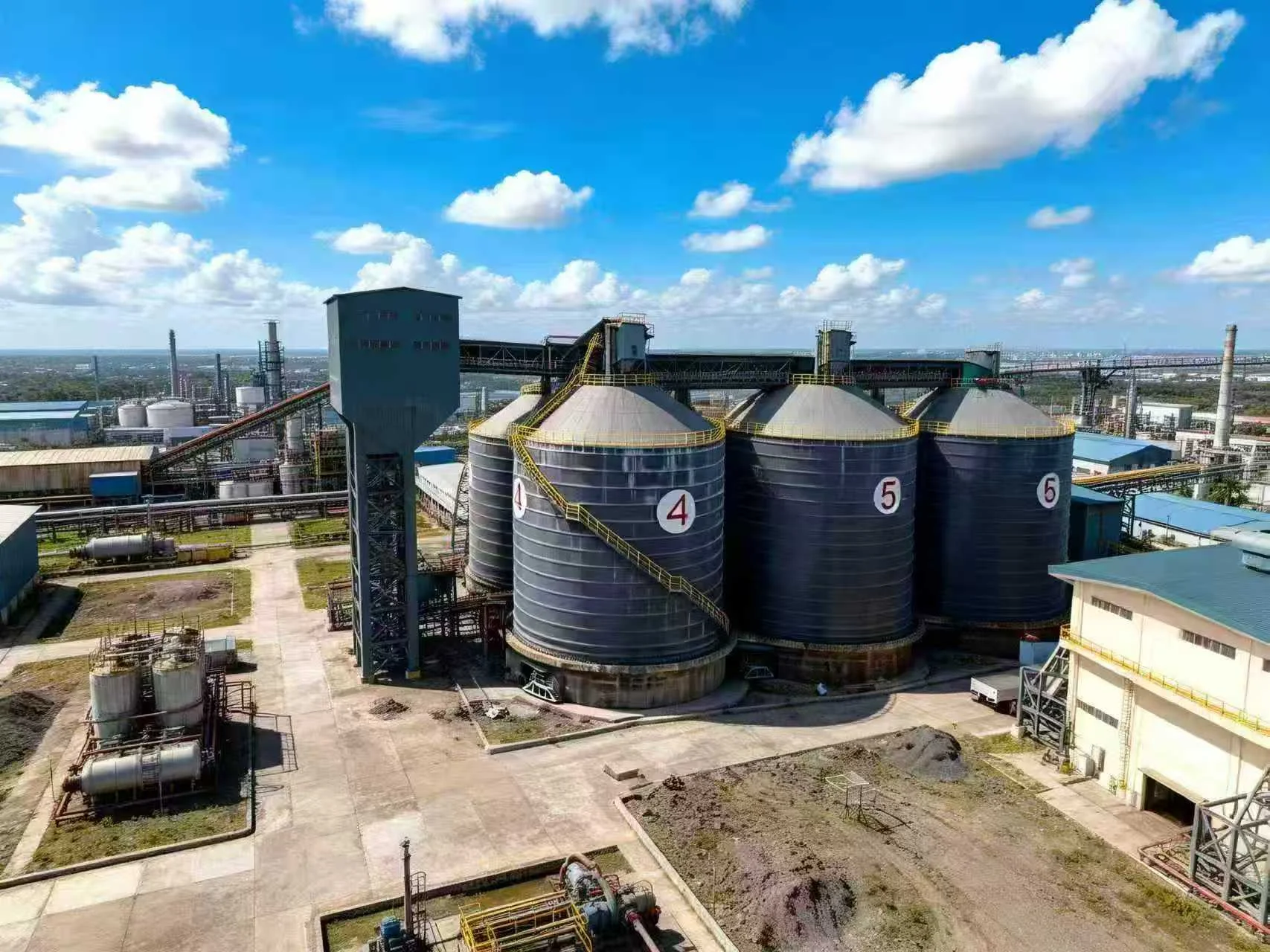
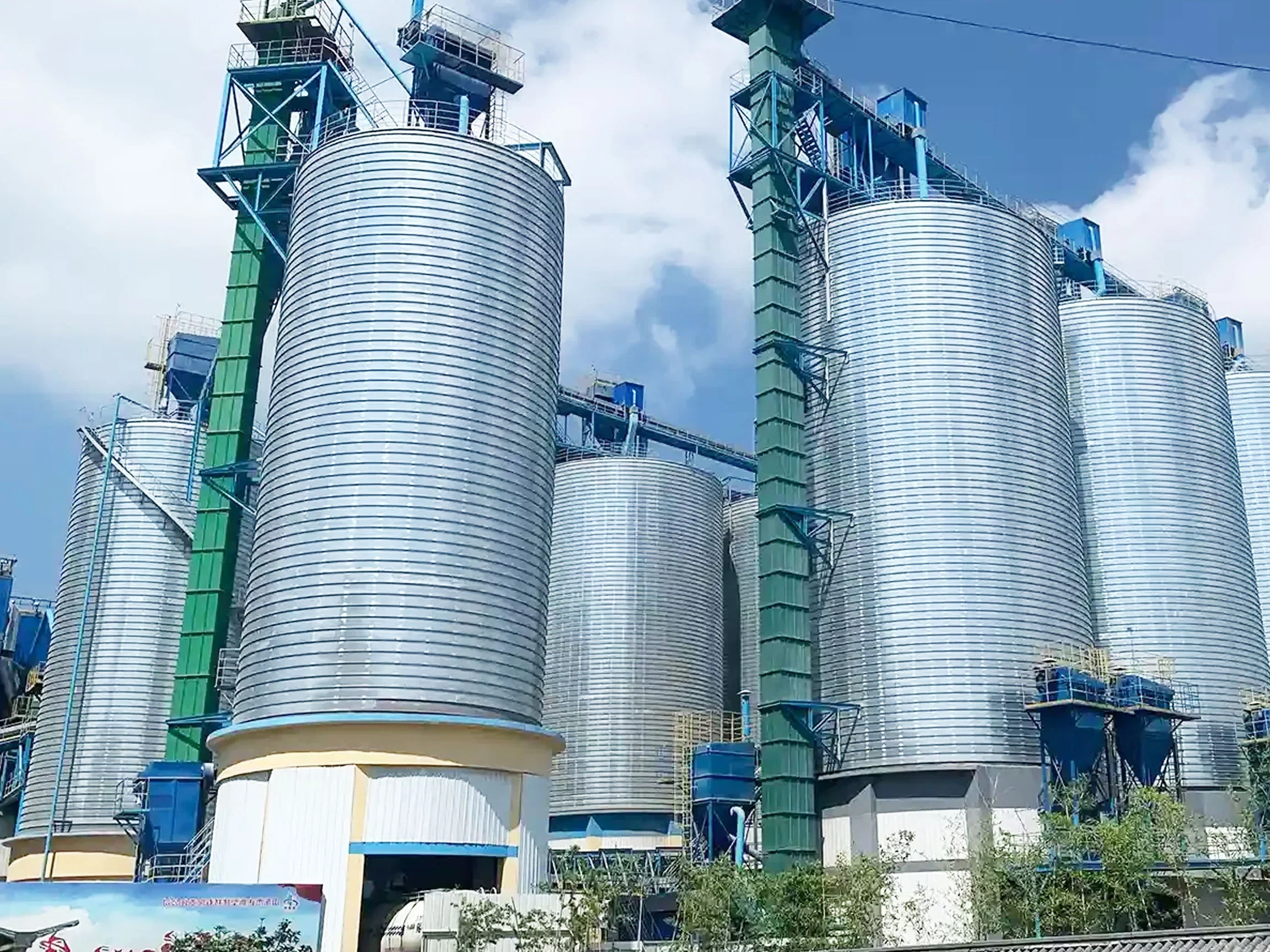
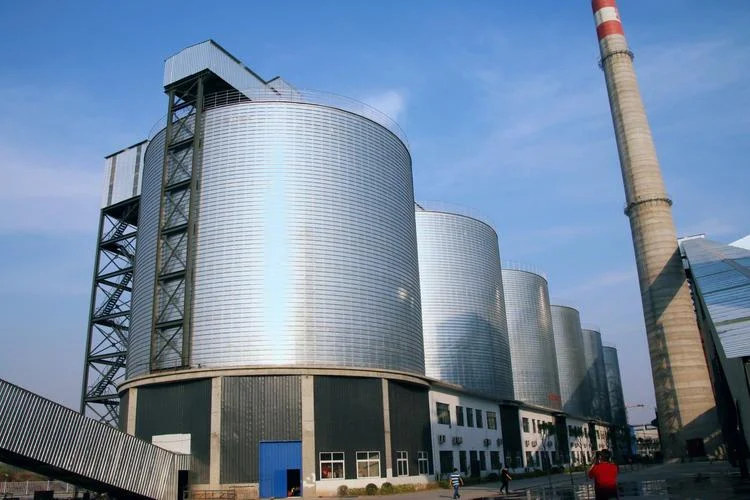


Fly Ash Silo Design FAQ: Expert Answers for Engineers & Project Managers
Jun Mon, 2026
Fly ash silos play a critical role in modern construction and industrial operations, serving as essential storage solutions for this valuable byproduct of coal combustion. As engineers and project managers increasingly incorporate fly ash into concrete production and other applications, proper silo design becomes paramount for safety, efficiency, and longevity. This comprehensive FAQ addresses the most common questions professionals face when planning, designing, and implementing fly ash storage systems.
What Are the Key Material Properties That Influence Fly Ash Silo Design?
Understanding fly ash's physical characteristics is fundamental to effective silo design. Unlike standard cement or aggregates, fly ash presents unique challenges that require specialized consideration. The material's fine particle size—typically ranging from 1 to 100 microns—creates significant dust control requirements and affects flow characteristics. Bulk density varies between 600-900 kg/m³ depending on moisture content and composition, directly impacting structural load calculations.
Angle of repose typically falls between 25-35 degrees for dry fly ash, but this can increase dramatically with moisture absorption. Cohesiveness increases with finer particles and higher moisture levels, potentially leading to bridging or rat-holing within the silo. Chemical composition—particularly the calcium oxide content—affects setting properties and may require special lining materials to prevent hardening or corrosion. These properties dictate everything from discharge system design to structural reinforcement requirements.
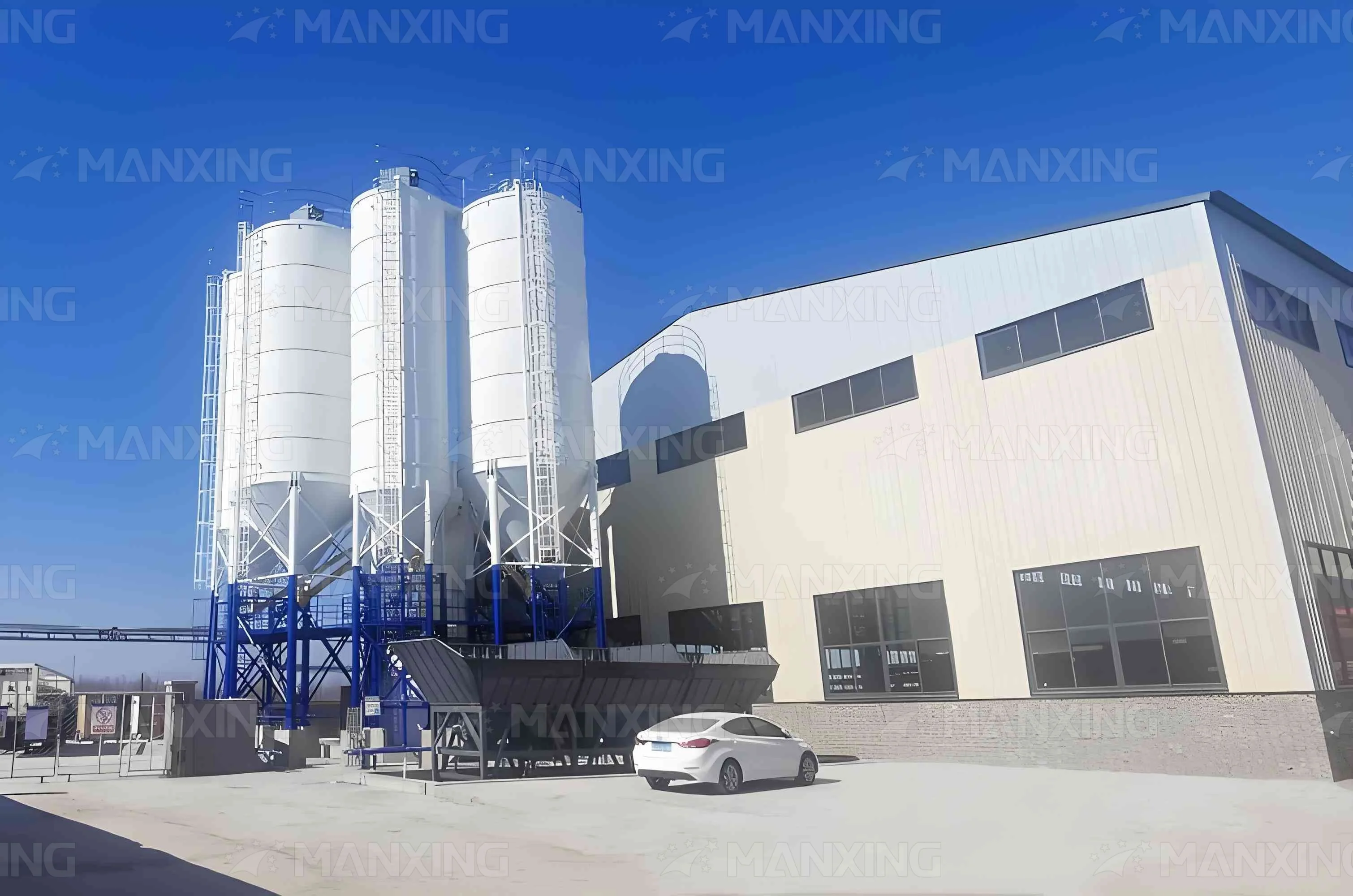
What Structural Considerations Are Most Critical for Fly Ash Silos?
Structural integrity forms the foundation of any successful fly ash storage system. Engineers must account for both static and dynamic loads, including the material's weight, potential pressure variations during filling and discharge, and environmental factors like wind and seismic activity. Wall thickness calculations must consider not only vertical loads but also horizontal pressures that develop as material settles and flows.
Reinforcement design requires careful attention to potential stress concentrations at transition points between cylindrical walls and conical hoppers. Welded steel construction offers excellent durability for fly ash applications, with proper corrosion protection being essential given the material's sometimes alkaline nature. Concrete silos require special attention to cracking prevention and moisture barriers. Foundation design must account for both the silo's weight and potential settlement, with ring foundations often proving effective for distributing loads evenly.
Calculate loads based on maximum possible material density with safety margins
Design for both filling and emptying conditions with different pressure distributions
Include adequate access points for inspection and maintenance
Consider expansion joints in concrete structures to accommodate temperature changes
Implement proper ventilation to prevent pressure buildup and moisture accumulation
How Do You Ensure Reliable Flow and Discharge from Fly Ash Silos?
Flow assurance represents one of the most frequent challenges in fly ash storage operations. The material's tendency to compact and bridge requires specific design interventions. Hopper angles typically need to exceed 60 degrees from horizontal to promote mass flow rather than funnel flow patterns. Internal surfaces should be smooth and non-stick, with specialized coatings or polished finishes reducing adhesion.
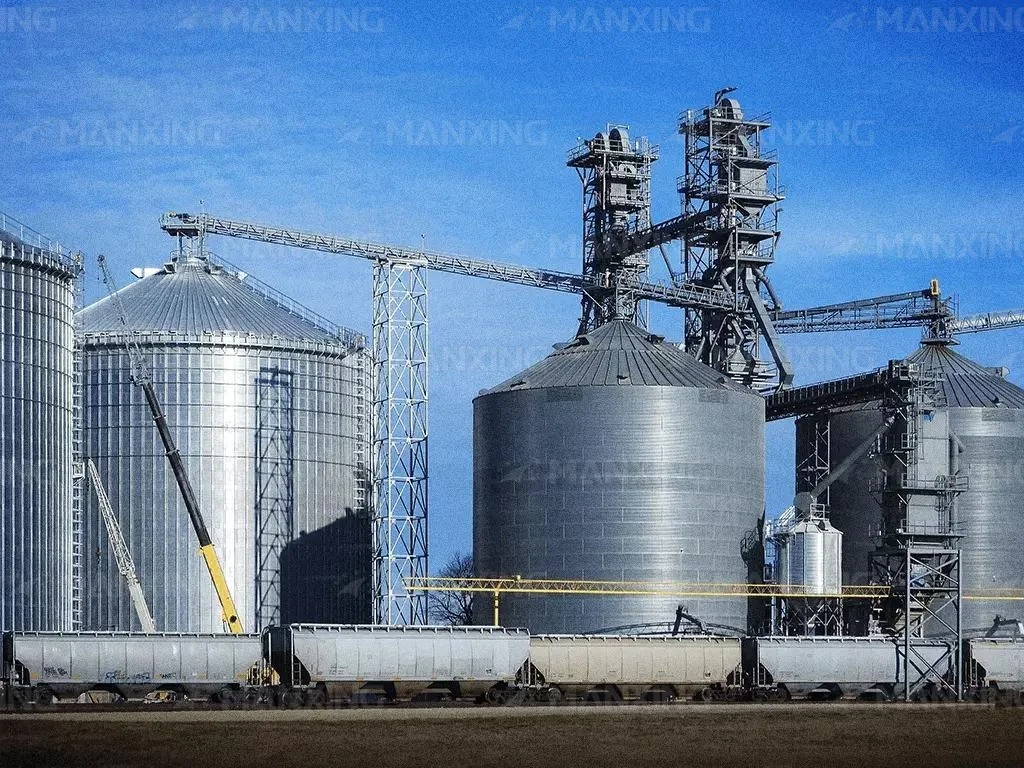
Discharge systems must accommodate fly ash's variable flow characteristics. Vibrating dischargers help break up compacted material, while air fluidization systems can improve flow consistency in problematic installations. Multiple discharge points may be necessary for larger silos to prevent dead zones. Real-world installations at concrete batching plants demonstrate that combining steep hopper angles with properly sized discharge gates and occasional mechanical agitation provides the most reliable operation.
Design hopper angles steeper than the material's angle of repose plus safety margin
Install flow promotion devices like vibrators or air pads in problem areas
Size discharge openings appropriately for both capacity and flow characteristics
Consider variable frequency drives on discharge equipment for flow control
Implement level monitoring to detect bridging or rat-holing early
What Safety and Environmental Protections Are Essential?
Fly ash silos require comprehensive safety systems to protect personnel, equipment, and the environment. Dust control represents a primary concern, with effective filtration systems needed at all transfer points. Explosion protection may be necessary depending on the specific fly ash characteristics and storage conditions. Structural monitoring systems should track settlement, tilt, and stress levels to detect potential issues before they become critical.
Environmental considerations include containment of potential leachate and prevention of groundwater contamination. Secondary containment systems around discharge areas provide additional protection. Weather protection prevents moisture ingress that can alter material properties and create handling difficulties. Proper signage, safety barriers, and access systems ensure safe operation and maintenance procedures.
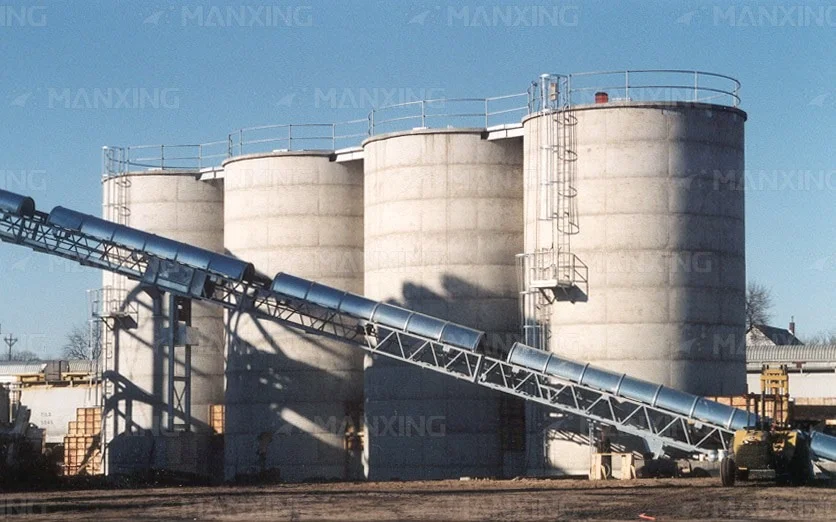
Install high-efficiency dust collection with appropriate filter media
Implement explosion venting or suppression where risk assessments indicate need
Design spill containment for discharge and transfer areas
Include safe access platforms, ladders, and fall protection systems
Consider automated monitoring for temperature, pressure, and structural integrity
What Maintenance and Inspection Protocols Maximize Silo Lifespan?
Regular maintenance extends service life and prevents unexpected failures. Inspection schedules should include visual checks of external surfaces, structural connections, and discharge equipment. Internal inspections—conducted under proper confined space entry protocols—identify wear patterns, corrosion, or material buildup. Cleaning procedures must address fly ash's tendency to adhere to surfaces, with specialized equipment often required for thorough removal.
Preventive maintenance focuses on moving parts, seals, and protective coatings. Discharge mechanisms, vibrators, and fluidization systems require regular servicing. Corrosion protection systems need periodic evaluation and touch-up. Documentation of all inspections and maintenance activities creates valuable historical data for predicting future needs and optimizing operations.
Establish quarterly external inspections and annual internal inspections
Document wear patterns to predict component replacement timing
Maintain proper records of all maintenance activities and findings
Train personnel on specific hazards of fly ash handling and storage
Develop emergency response plans for potential failures or incidents
Effective fly ash silo design balances material science, structural engineering, and practical operational considerations. By addressing these common questions during the planning phase, engineers and project managers can create storage systems that deliver reliable performance, extended service life, and safe operation. The specific challenges of fly ash—from its flow characteristics to environmental considerations—require specialized solutions that go beyond standard silo design principles.
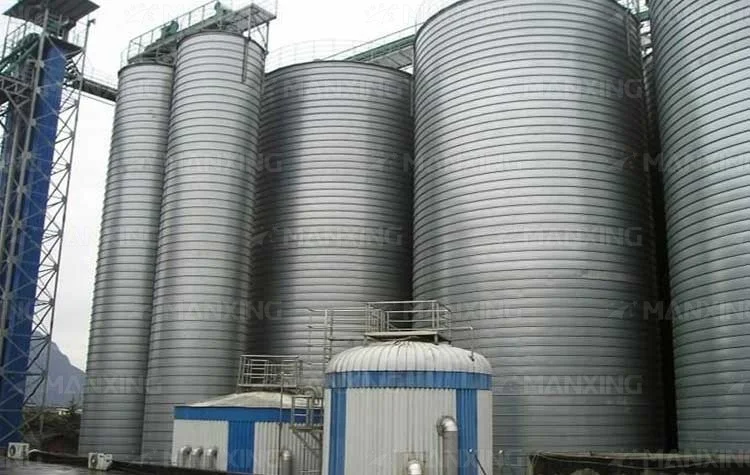
As you plan your next fly ash storage project, consider consulting with specialists who understand both the theoretical principles and practical realities of handling this unique material. Proper design from the outset prevents operational challenges and ensures your investment delivers maximum value throughout its service life. For more detailed guidance on specific aspects of fly ash silo implementation, explore our technical resources or contact our engineering team.
Table of Contents
PDF
Download File
Manxing Industrial Silo Brochure
Manxing_Industrial_Silo_Brochure.pdf
Open the download form to unlock this file. The download will start automatically after submission.
Request a Quote
We are committed to providing you with exceptional service and ensuring a seamless buying experience. Please send us your inquiry, and we will respond with a detailed quotation.