


Fly Ash vs Cement Silos: Key Design Differences for Bulk Storage
Apr Wed, 2026
Introduction: Understanding Two Critical Storage Solutions
In the construction and industrial sectors, proper bulk material storage is essential for operational efficiency and material quality preservation. While fly ash silos and cement silos might appear similar to the untrained eye, they serve distinct purposes with fundamentally different design requirements. Fly ash, a byproduct of coal combustion in power plants, has become an increasingly important supplementary cementitious material in concrete production, while cement remains the primary binding agent in construction. This article examines the key design differences between these two storage systems, focusing on material characteristics, structural considerations, and practical applications that engineers and facility managers must understand when specifying or operating these essential industrial assets.
Material Properties Dictating Design Requirements
The fundamental differences between fly ash and cement begin with their physical and chemical properties, which directly influence silo design. Cement typically has a bulk density ranging from 1,200 to 1,500 kg/m³, while fly ash is significantly lighter at 600 to 900 kg/m³. This density variation affects structural loading calculations, with cement silos requiring more robust support systems to handle greater weight per volume. Particle size distribution also differs markedly: cement particles are generally finer (typically 10-40 microns) compared to fly ash particles (1-100 microns), affecting flow characteristics and aeration requirements. The chemical composition presents another critical distinction. Cement is highly alkaline and hygroscopic, requiring protection from moisture to prevent premature hydration and strength loss. Fly ash, while also sensitive to moisture, contains varying amounts of unburned carbon that can affect its pozzolanic properties and create different handling challenges.
Structural Design and Construction Variations
The structural design of fly ash and cement silos diverges significantly based on material behavior and storage requirements. Cement silos typically feature:
- Thicker steel plates or reinforced concrete walls to withstand higher internal pressures from denser material
- More robust foundation systems to support greater dead loads
- Enhanced moisture protection systems including specialized coatings and vapor barriers
- Precise temperature control mechanisms to prevent thermal degradation
Fly ash silos, in contrast, require designs that address different challenges:
- Larger volume capacities relative to weight due to lower bulk density
- Specialized aeration systems to prevent compaction and ensure consistent flow
- Carbon content management systems for certain fly ash types
- Dust collection systems tailored to finer particle sizes
Both silo types require careful consideration of discharge systems. Cement typically employs screw conveyors or airslides, while fly ash often utilizes fluidized conveying systems due to its tendency to compact and bridge. The angle of repose also differs significantly, with cement typically around 30-35 degrees and fly ash ranging from 20-40 degrees depending on moisture content and particle distribution, directly influencing hopper design angles.
Operational Considerations and Maintenance Requirements
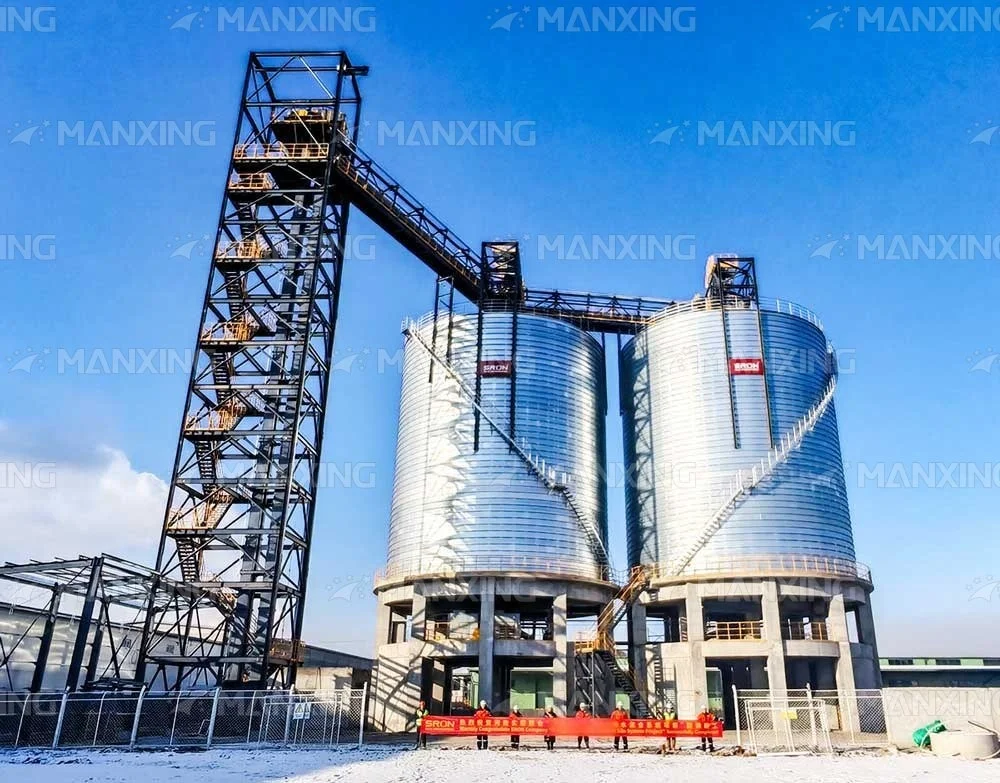
Daily operations and maintenance protocols vary substantially between fly ash and cement storage systems. Cement silos demand rigorous moisture control measures, including:
- Regular inspection of seals and gaskets
- Monitoring of internal humidity levels
- Frequent cleaning to prevent buildup and hardening
- Temperature monitoring to prevent thermal cracking or degradation
Fly ash silos present different operational challenges:
- Consistent aeration to maintain material fluidity
- Regular testing for carbon content variations
- Dust suppression system maintenance
- Prevention of segregation during filling and discharge
Real-world applications demonstrate these differences clearly. In ready-mix concrete plants, cement silos often feature integrated weighing systems and precise discharge controls for batching accuracy. Fly ash silos at power plants or distribution centers typically include blending capabilities to homogenize material from different sources and quality control sampling ports for regular testing. The storage duration also affects design decisions, with cement requiring shorter storage periods to maintain quality, while fly ash can be stored longer with proper aeration and moisture control.
Industry Applications and Integration Considerations
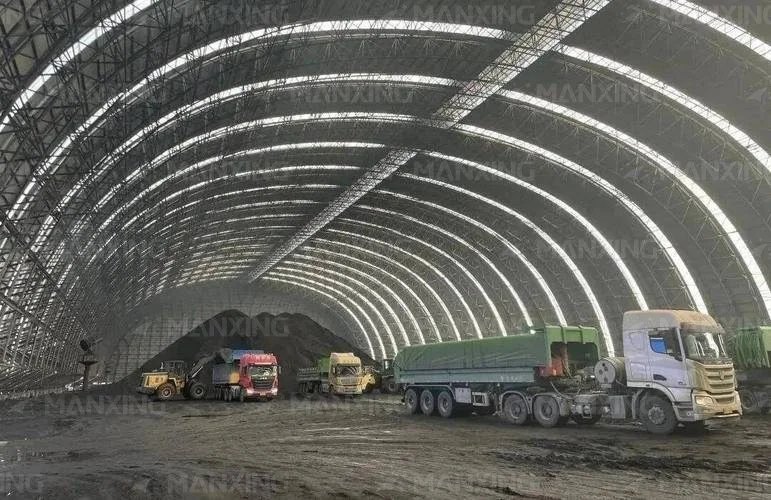
The specific applications of fly ash and cement silos influence their design integration within broader material handling systems. Cement silos are commonly found in:
- Ready-mix concrete plants as primary storage units
- Cement manufacturing facilities for finished product storage
- Precast concrete operations requiring precise material control
- Large construction projects with on-site batching capabilities
Fly ash silos serve different purposes across industries:
- Coal-fired power plants for collection and temporary storage
- Concrete production facilities as supplementary material storage
- Waste management operations utilizing fly ash in stabilization processes
- Agricultural applications for soil amendment storage
Integration with other equipment varies accordingly. Cement silos typically connect directly to batching systems with minimal intermediate handling, while fly ash silos often require additional processing equipment like classifiers or blenders to ensure consistent quality before use. The material source also affects design: cement typically arrives from controlled manufacturing processes, while fly ash quality can vary significantly based on coal source and combustion conditions, necessitating more flexible storage and handling systems.
Conclusion: Selecting the Right Storage Solution
Understanding the distinct design requirements for fly ash and cement silos is crucial for engineers, facility managers, and procurement specialists in the construction and industrial sectors. While both serve vital roles in material storage, their differences in material properties, structural requirements, operational needs, and industry applications demand specialized design approaches. Cement silos prioritize moisture protection and structural strength for dense, reactive materials, while fly ash silos emphasize aeration, volume efficiency, and quality consistency for lighter, variable-composition materials. Proper specification requires careful analysis of material characteristics, storage duration, discharge requirements, and integration with existing systems. As sustainable construction practices increase fly ash utilization and cement technology evolves, these design considerations will continue to shape efficient, reliable bulk storage solutions. For personalized guidance on selecting or optimizing silo systems for your specific application, consult with experienced engineering professionals who understand these critical distinctions.
Table of Contents
PDF
Download File
Manxing Industrial Silo Brochure
Manxing_Industrial_Silo_Brochure.pdf
Open the download form to unlock this file. The download will start automatically after submission.
Request a Quote
We are committed to providing you with exceptional service and ensuring a seamless buying experience. Please send us your inquiry, and we will respond with a detailed quotation.