


How to Design Fly Ash Silos for Maximum Efficiency: A Practical Guide for Engineers
Jun Mon, 2026
Introduction: The Critical Role of Fly Ash Silo Design
Fly ash, a byproduct of coal combustion in power plants, is widely used in construction materials like concrete and cement. Efficient storage and handling of fly ash in industrial silos are essential for maintaining material quality, reducing waste, and minimizing operational costs. Poorly designed silos can lead to flow issues, material degradation, and increased maintenance expenses. This guide provides engineers with practical, actionable strategies for designing fly ash silos that optimize performance and reliability.
Understanding Fly Ash Material Properties
Fly ash is a fine, powdery material with particle sizes typically ranging from 1 to 100 microns. Its cohesive nature and tendency to absorb moisture make it prone to bridging, rat-holing, and segregation in storage systems. Key properties affecting silo design include:
Bulk density: 600–900 kg/m³, varying with moisture content and particle size distribution
Angle of repose: 30–45 degrees, indicating flowability challenges
Cohesion: High inter-particle forces that promote arching and compaction
Moisture sensitivity: Hygroscopic properties that can lead to caking and hardening
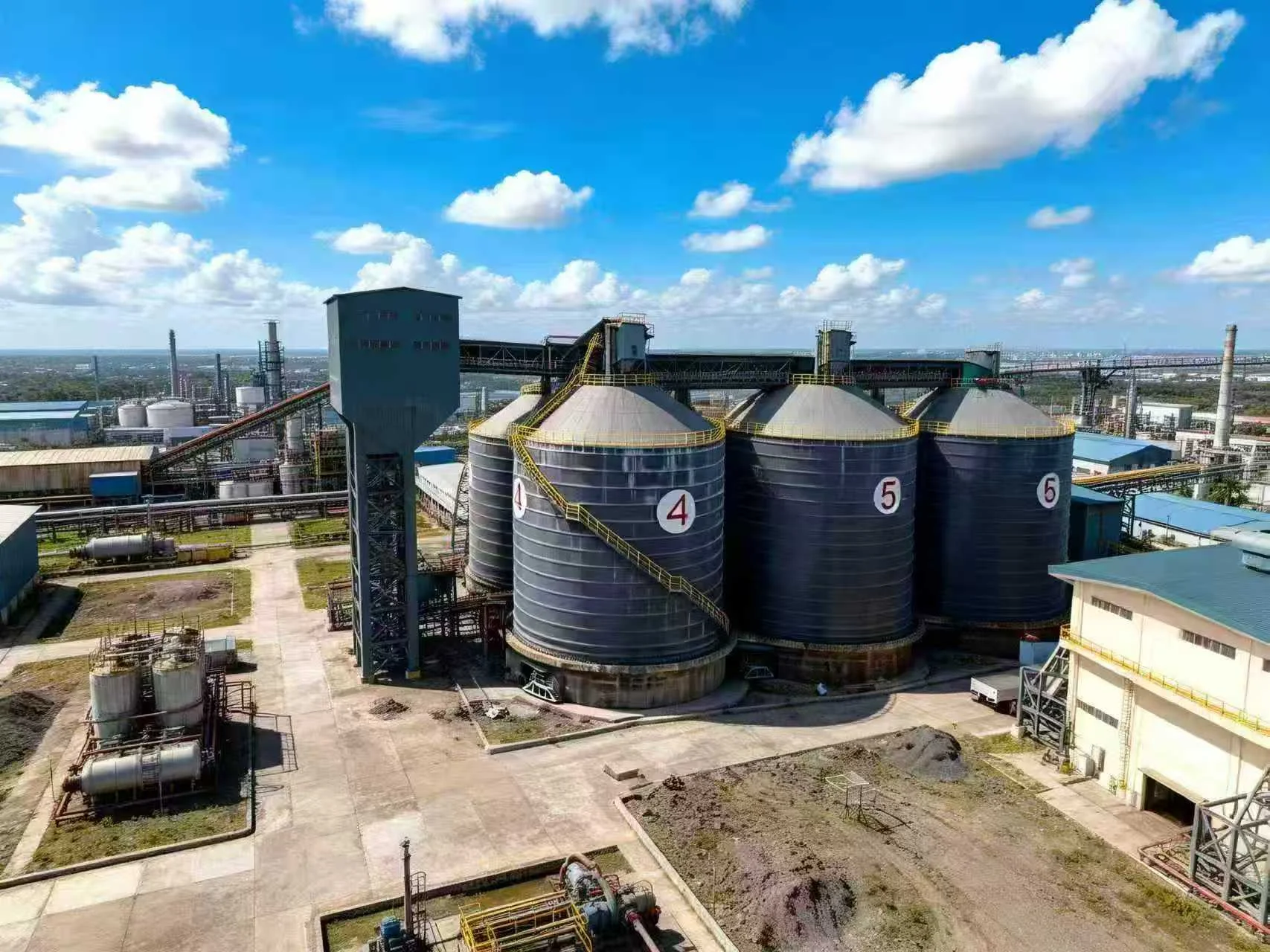
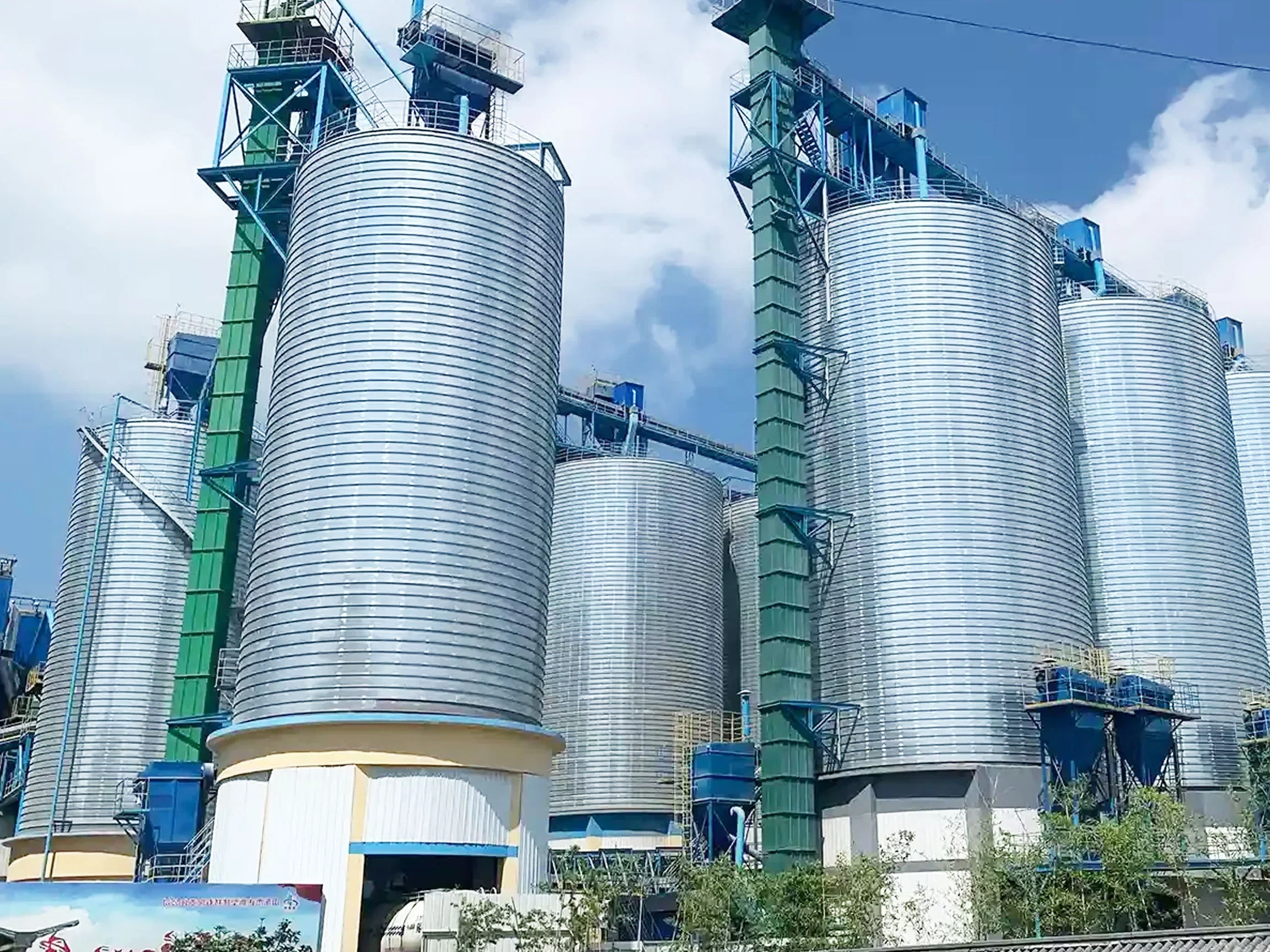
Real-world applications, such as in cement blending plants, show that silos handling fly ash require specialized design considerations to prevent flow stoppages and ensure consistent discharge rates.
Key Design Principles for Efficient Fly Ash Silos
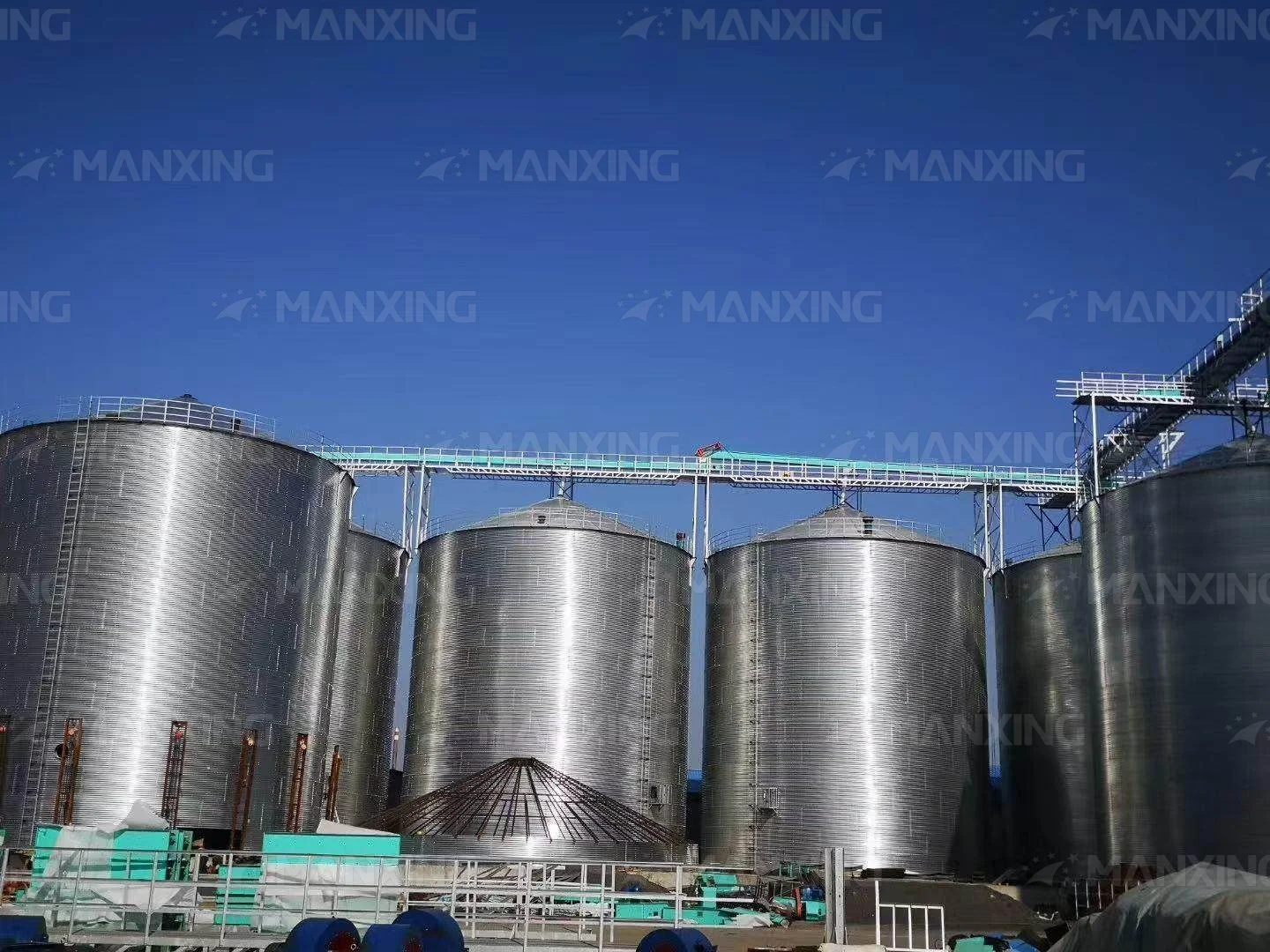
Effective silo design begins with a thorough analysis of operational requirements and material characteristics. Engineers must balance structural integrity with functional efficiency to achieve optimal performance.
Geometry optimization: Use steep hopper angles (60–70 degrees) and smooth internal surfaces to promote mass flow and reduce dead zones
Outlet sizing: Design outlets with diameters at least 6–8 times the particle size to prevent arching and ensure uninterrupted flow
Pressure considerations: Account for static and dynamic pressures using Janssen or Reimbert equations to prevent structural failures
Material compatibility: Select corrosion-resistant linings, such as epoxy coatings or stainless steel, to handle abrasive and corrosive fly ash
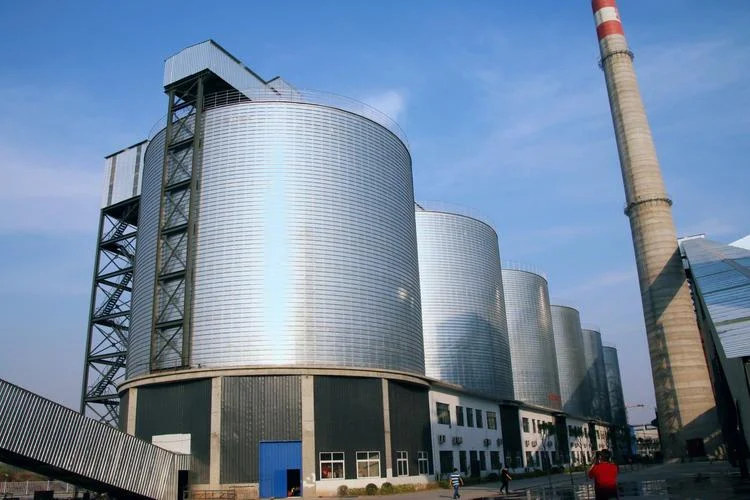
In power plant applications, silos with these design features have shown reduced downtime and improved material consistency during transfer to mixing processes.
Enhancing Material Flow and Discharge
Material flow issues are common in fly ash silos due to cohesion and compaction. Implementing flow aids and proper discharge mechanisms can significantly improve efficiency.
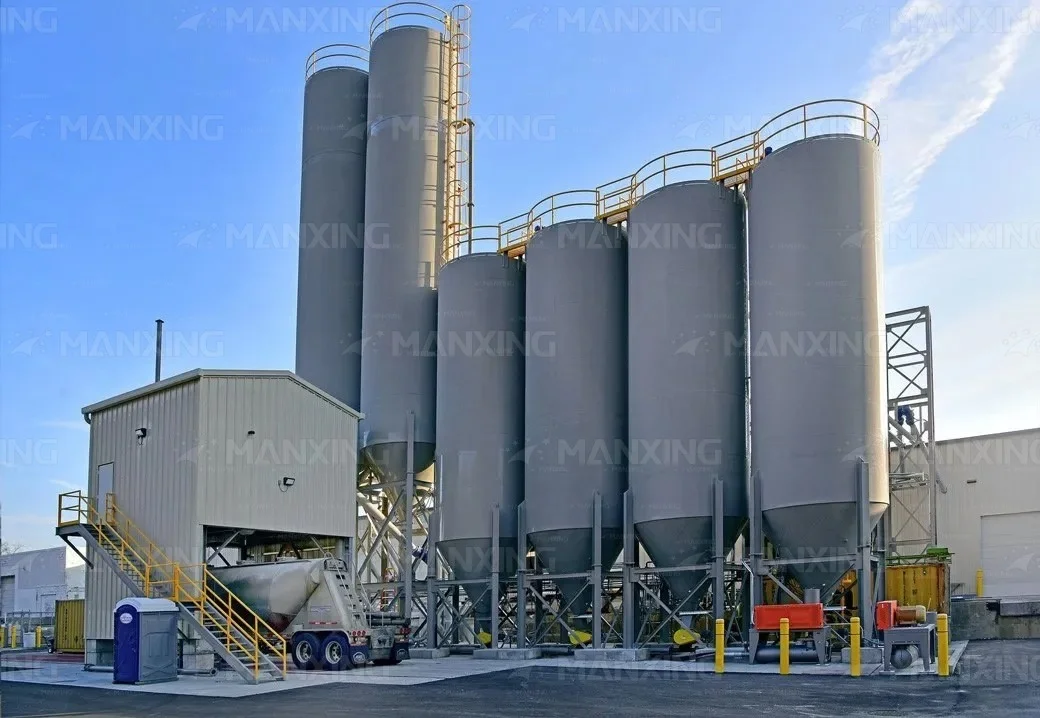
Flow promotion devices: Install vibrators, air cannons, or fluidization systems to break up arches and ensure steady discharge
Discharge configurations: Use rotary valves, screw conveyors, or pneumatic systems tailored to fly ash's low permeability and high cohesion
Moisture control: Incorporate dehumidification or aeration systems to maintain optimal moisture levels and prevent caking
Monitoring systems: Integrate level sensors and pressure gauges to track material conditions and prevent overfilling or empty runs
Case studies from construction material suppliers demonstrate that silos with integrated flow aids reduce manual intervention and maintenance costs by up to 30%.
Structural and Safety Considerations
Fly ash silos must withstand environmental loads, operational stresses, and safety regulations to ensure long-term reliability and compliance.
Load analysis: Calculate dead loads, live loads, wind loads, and seismic forces based on local codes and silo location
Foundation design: Use reinforced concrete foundations with proper drainage to prevent settling and moisture ingress
Safety features: Include access platforms, ladders, and explosion vents to meet OSHA and NFPA standards for combustible dust
Maintenance access: Design manholes and inspection ports for easy cleaning and repair without compromising structural integrity
In industrial settings, silos designed with these safety measures have lower incident rates and extended service lives, reducing total cost of ownership.
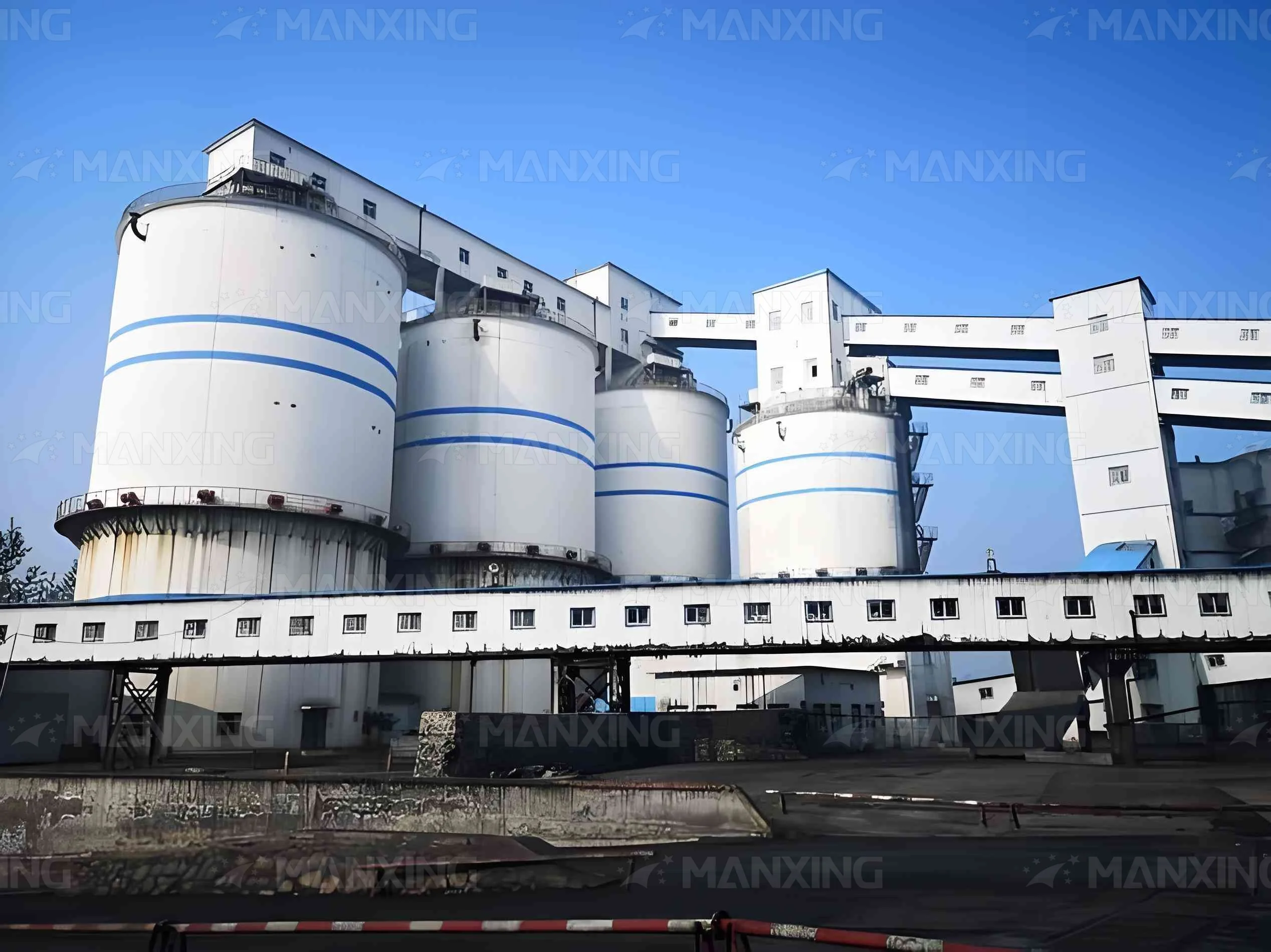
Cost Optimization and Lifecycle Management
Efficient silo design not only improves performance but also reduces operational expenses over the system's lifecycle. Strategic planning during the design phase can yield significant savings.
Material selection: Balance initial costs with durability by choosing steel grades or concrete mixes suited to fly ash's abrasive nature
Energy efficiency: Optimize aeration and conveying systems to minimize power consumption during discharge and transfer
Preventive maintenance: Design for easy inspection and cleaning to avoid costly unplanned shutdowns and material loss
Scalability: Plan for future capacity expansions or process changes to avoid premature silo replacement
Examples from waste-to-energy plants show that well-designed fly ash silos can achieve payback periods of 3–5 years through reduced maintenance and improved throughput.
Conclusion: Building Better Fly Ash Storage Solutions
Designing efficient fly ash silos requires a holistic approach that integrates material science, structural engineering, and operational insights. By focusing on flow promotion, structural integrity, and cost-effective lifecycle management, engineers can create silos that enhance productivity and reliability in industrial applications. As fly ash usage grows in sustainable construction, optimized silo designs will play a crucial role in supporting circular economy initiatives.
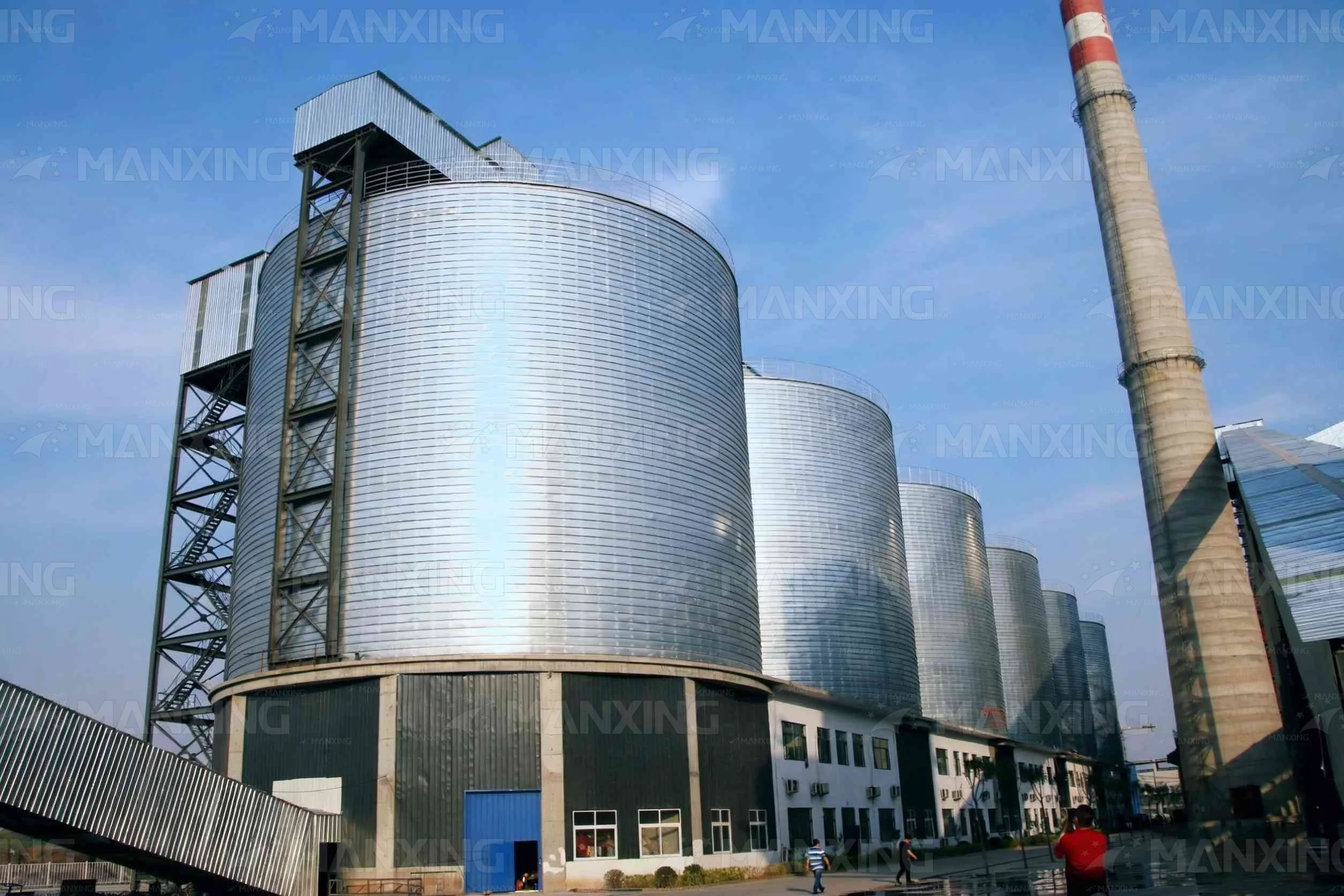
For more detailed guidance on bulk material storage systems or to discuss your specific project needs, explore our resources on industrial silo engineering and best practices.
Table of Contents
PDF
Download File
Manxing Industrial Silo Brochure
Manxing_Industrial_Silo_Brochure.pdf
Open the download form to unlock this file. The download will start automatically after submission.
Request a Quote
We are committed to providing you with exceptional service and ensuring a seamless buying experience. Please send us your inquiry, and we will respond with a detailed quotation.