


Which Storage Solution Is Better?
In modern bulk material storage, choosing the right silo structure plays a critical role in operational efficiency, construction cost, and long-term maintenance. Traditionally, reinforced concrete silos have been widely used due to their long history and mature construction techniques. However, with the increasing demand for flexible and cost-efficient storage solutions, modular steel silos are becoming the preferred option for many industrial and agricultural projects.
We compares modular steel silos and concrete silos in terms of construction characteristics, materials, operational performance, and storage efficiency.
1. Construction Methods
Modular Steel Silos
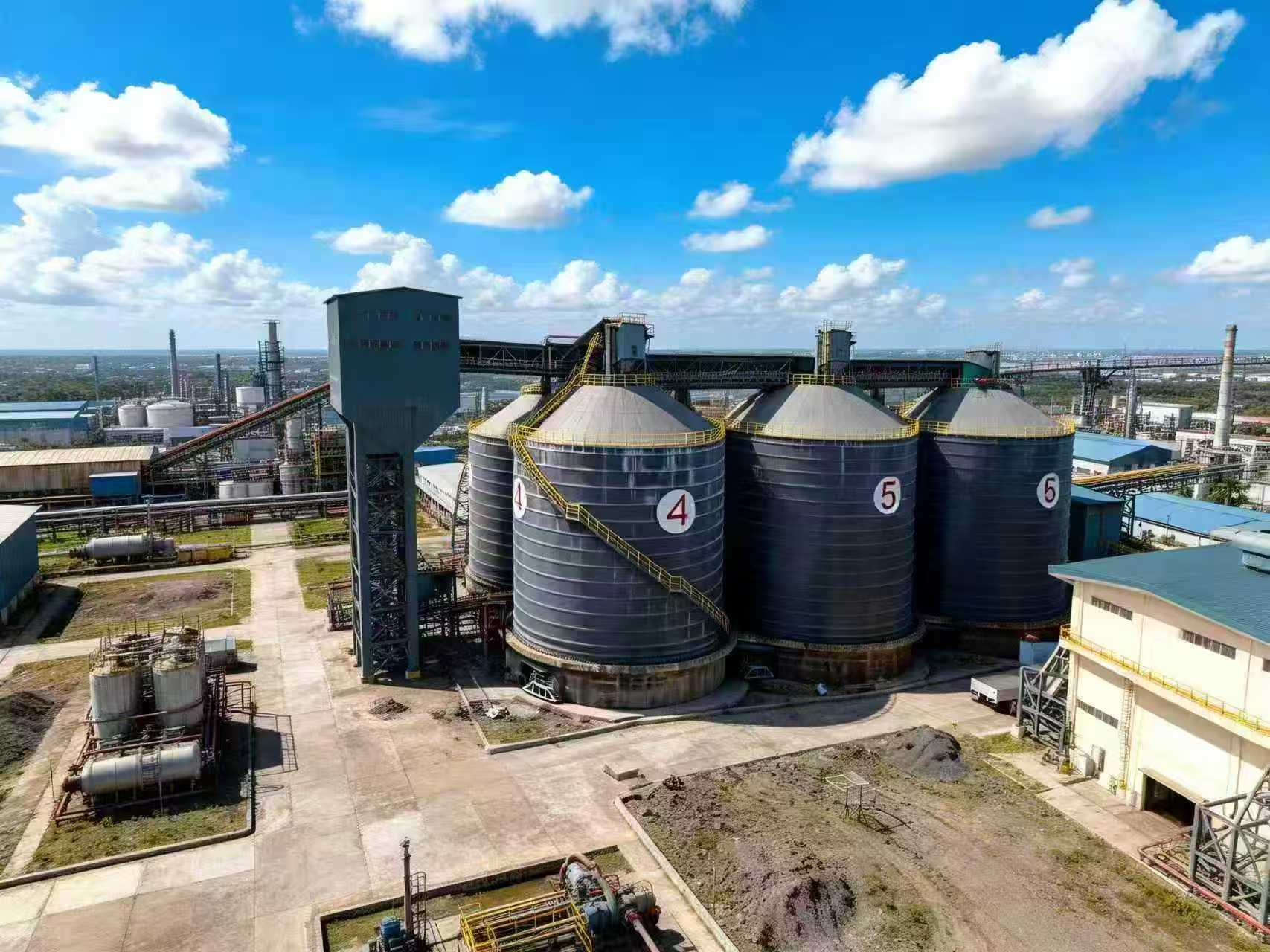
Modular steel silos are manufactured using professional production lines and assembled on-site using high-strength galvanized bolts. The structural framework typically includes C-shaped or Z-shaped stiffeners combined with roof beams to form a strong structural skeleton.
This design significantly improves: Wind resistance/Seismic stability/Overall structural strength
Additionally, the silo walls can be easily processed with various openings for equipment such as aeration systems, sensors, and discharge devices.
Concrete Silos
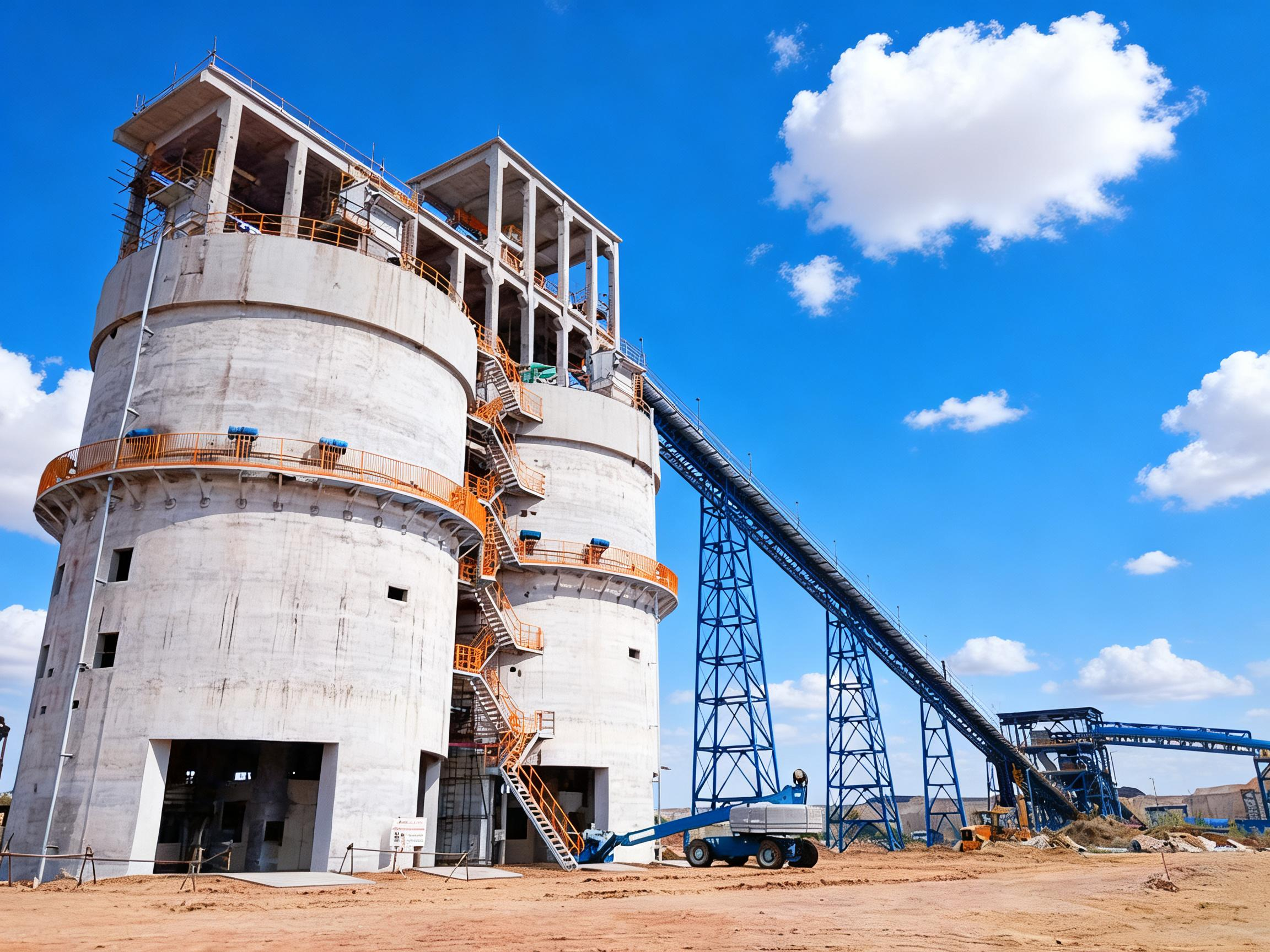
Concrete silos are constructed using reinforced concrete with materials such as cement, steel reinforcement, sand, and gravel. While the technology is mature, the construction process requires extensive formwork, curing time, and on-site labor.
2. Construction Time
One of the biggest advantages of modular steel silos is their extremely short construction cycle.
For example:
A 1,000-ton steel silo can typically be completed within about 5 days.
A 60,000-ton silo complex can often be completed in around 15 days.
Compared with concrete silos, the installation period of steel silos is only one-quarter to one-third of the time required for concrete construction. In addition, steel silo installation is less affected by seasonal weather conditions.
3. Structural Height and Space Requirements
Concrete silos can reach heights of over 40 meters, which allows them to occupy relatively small ground areas for large storage volumes. However, extremely tall structures may increase operational complexity and maintenance difficulty.
Steel silos generally operate within heights of up to 40 meters, depending on engineering conditions. Their diameter range is typically 2 to 40 meters, offering greater flexibility in capacity design.
For large-scale storage systems, steel silos often adopt larger diameters compared to concrete silos, which are usually limited to diameters below 25 meters.
4. Material Characteristics
Steel silos are typically manufactured using high-quality hot-dip galvanized steel plates, such as SGHC or SGH400 steel, with thicknesses ranging from 0.8 mm to 4.2 mm.
These materials provide: High strength/Excellent toughness/Corrosion resistance
Because steel silos are significantly lighter than reinforced concrete structures, they impose lower load requirements on foundations, which reduces construction costs.
In contrast, concrete silos are much heavier—often four to five times heavier than steel silos with the same storage capacity—requiring stronger and more expensive foundations.
5. Supporting Systems and Automation
Modern modular steel silo systems can be manufactured in standardized batches, allowing easy integration with automated systems such as:
Aeration systems
Temperature monitoring systems
Automatic unloading systems
Intelligent storage management systems
These systems make storage operations more efficient and reduce operating costs. Concrete silos typically require more customized engineering and are less adaptable to modular system integration.
6. Storage Performance
Sealing and Moisture Protection
Steel silos offer excellent sealing performance. The wall panels are connected using high-strength bolts combined with sealing strips, ensuring airtight storage conditions.
Concrete silos may develop cracks due to temperature stress, construction defects, or material aging, which can lead to air leakage and moisture penetration.
Research shows that temperature variations become minimal beyond a short distance from the silo wall, ensuring safe long-term grain storage when proper ventilation and management systems are used decades, modular steel silos provide significant advantages in modern storage projects, including:
Faster construction
Lower foundation requirements
Flexible design options
Better integration with automated systems
As storage demands continue to grow across agriculture, industry, and environmental sectors, modular steel silos are increasingly becoming the preferred storage solution worldwide.