


Technical Specifications for Industrial Fly Ash Silos: Engineering Standards for Robust Storage
Jun Mon, 2026
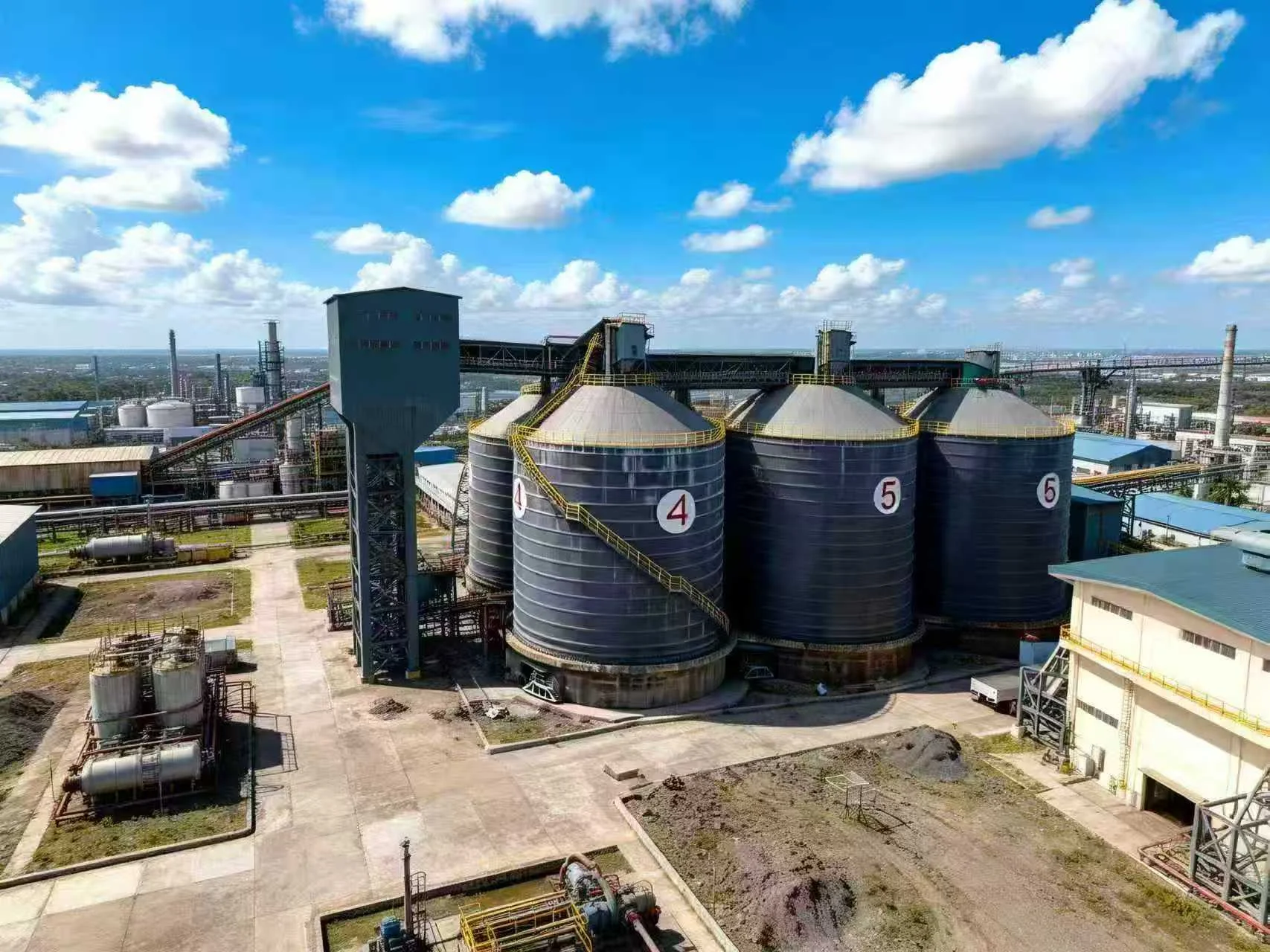
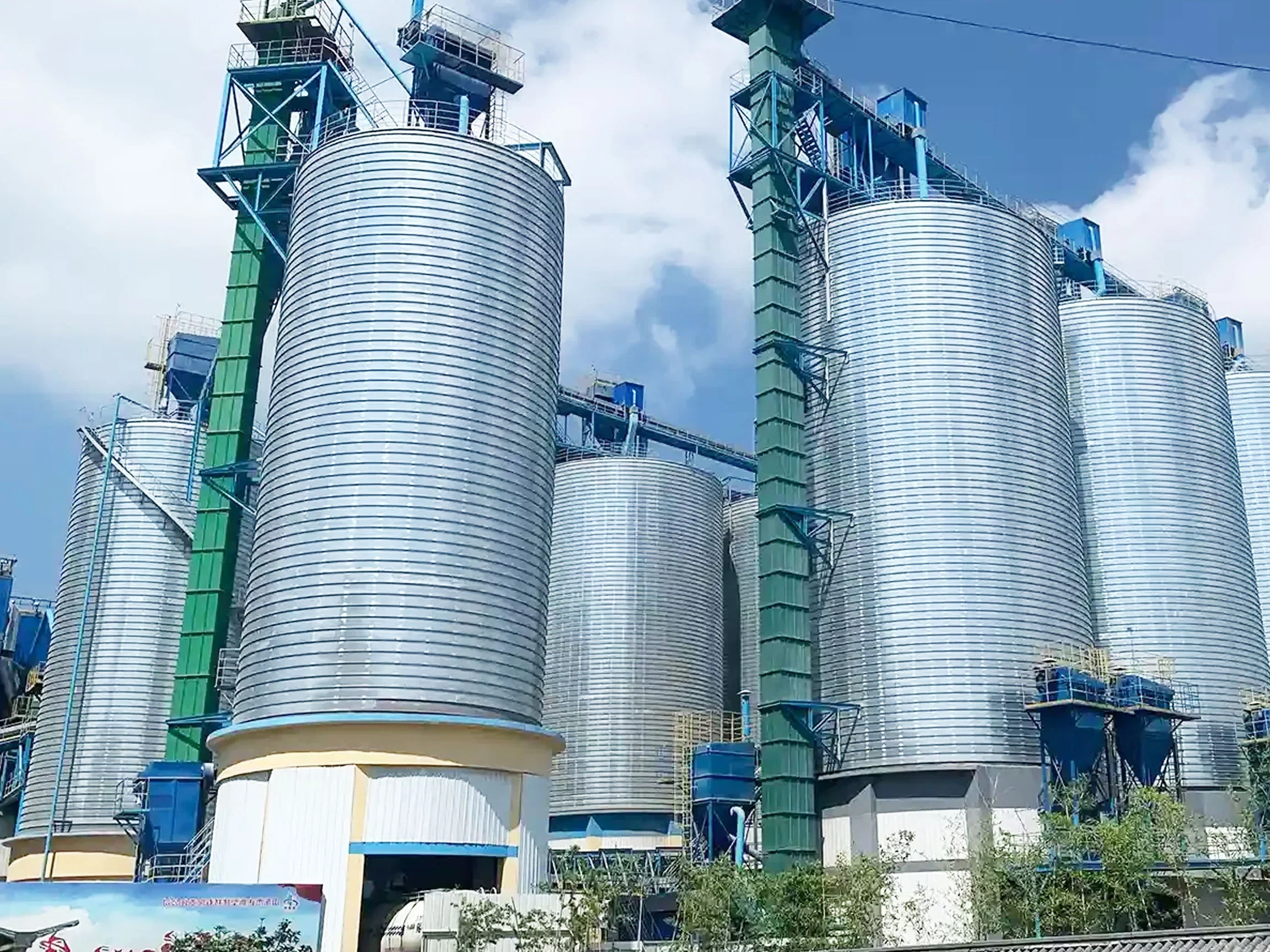
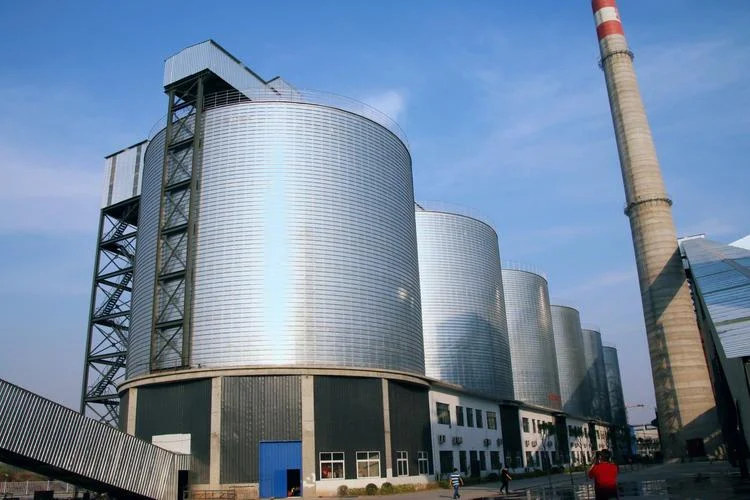
Fly ash, a byproduct of coal combustion in power plants, has become a valuable material in construction, particularly as a supplementary cementitious material in concrete production. Proper storage of fly ash is critical to maintain its quality and prevent environmental contamination. Industrial fly ash silos must be engineered to specific technical standards to ensure durability, safety, and efficiency. This article provides a comprehensive deep-dive into the technical specifications and engineering requirements for designing robust fly ash storage silos, covering structural design, material selection, and operational considerations.
Structural Design and Engineering Standards
The structural integrity of a fly ash silo is paramount, as it must withstand various loads and environmental conditions. Engineering standards such as those from the American Concrete Institute (ACI) and the American Institute of Steel Construction (AISC) provide guidelines for design. Key factors include dead loads from the silo structure and stored material, live loads from equipment and personnel, wind loads, and seismic loads in earthquake-prone regions. Silos are typically cylindrical to optimize strength and material usage, with conical or flat bottoms for discharge. The aspect ratio (height-to-diameter) is carefully calculated to prevent issues like arching or ratholing of fly ash, which can impede flow. For example, in a power plant application, a silo with a 10-meter diameter and 30-meter height might be designed to store 1,000 tons of fly ash, using finite element analysis to simulate stress distribution.
Material Selection and Corrosion Resistance
Fly ash is mildly abrasive and can be corrosive due to its alkaline nature and potential moisture content, making material selection crucial for silo longevity. Common materials include carbon steel, stainless steel, and aluminum, each chosen based on cost, environmental conditions, and fly ash characteristics. Carbon steel is often used with protective coatings like epoxy or galvanization to prevent rust. In coastal areas with high humidity, stainless steel (e.g., 304 or 316 grades) may be specified for enhanced corrosion resistance. For instance, a cement plant in a humid region might opt for a stainless steel silo to avoid degradation from salt exposure. Additionally, internal linings such as polyurethane or ceramic tiles can be applied to reduce wear from abrasion during filling and discharge, extending the silo's service life.
Safety Features and Operational Specifications
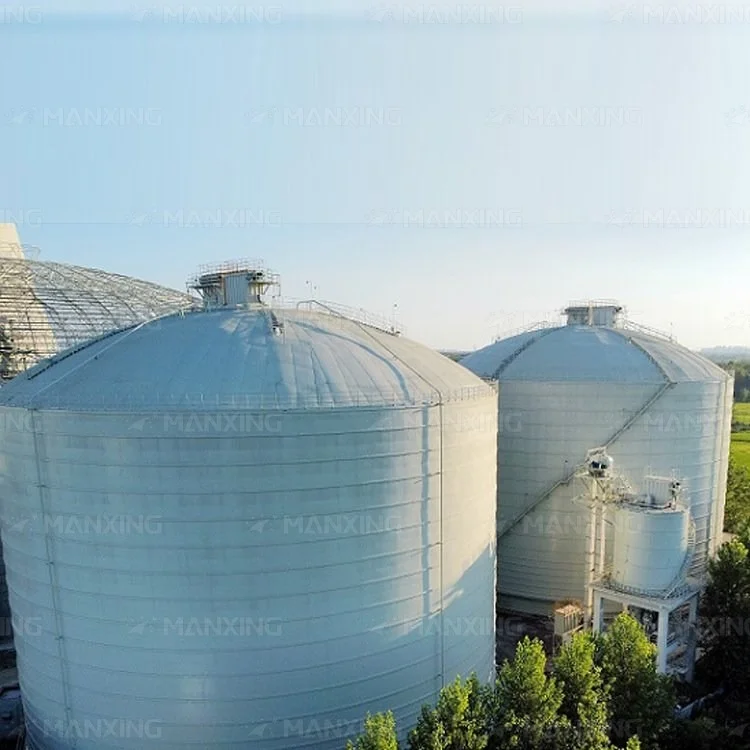
Safety is a critical aspect of fly ash silo design, addressing risks like over-pressurization, dust explosions, and structural failure. Technical specifications include pressure relief valves to prevent vacuum or overpressure during filling and emptying, which can cause implosion or explosion. Dust collection systems, such as bag filters or cyclones, are integrated to control airborne particles and meet environmental regulations. Level indicators and alarms monitor fly ash volume to prevent overfilling, while access ladders, platforms, and safety harness points ensure safe maintenance. In a real-world scenario, a construction materials facility might implement automated sensors that trigger alarms if fly ash levels exceed 90% capacity, coupled with explosion vents rated for specific pressure thresholds to mitigate hazard risks.
Discharge and Flow Aid Systems
Efficient discharge of fly ash is essential to prevent clogging and ensure consistent material flow, which impacts operational efficiency. Technical specifications for discharge systems include vibrators, air cannons, and fluidization devices that break up compacted fly ash. The silo bottom design—whether conical, flat with a hopper, or mass flow—affects flow characteristics; for example, a steep conical bottom (e.g., 60-degree angle) promotes gravity flow. Flow aid systems like aeration pads or rotary valves can be specified to handle cohesive fly ash that tends to bridge. In practice, a ready-mix concrete plant might use a combination of vibrators and aeration to ensure smooth discharge into mixing trucks, with specifications detailing air pressure requirements and maintenance intervals to avoid downtime.
Environmental and Regulatory Compliance
Fly ash silos must comply with environmental regulations to prevent pollution and ensure safe handling. Technical specifications align with standards from organizations like the Environmental Protection Agency (EPA) for emissions control and the Occupational Safety and Health Administration (OSHA) for worker safety. This includes specifications for leak-proof seams, secondary containment systems to catch spills, and monitoring for particulate matter. For example, in an industrial zone, a silo might be designed with double-walled construction and regular inspection ports to detect and address leaks early, adhering to local air quality mandates. Documentation of material certifications and design calculations is often required for regulatory approval, emphasizing the need for detailed engineering records.
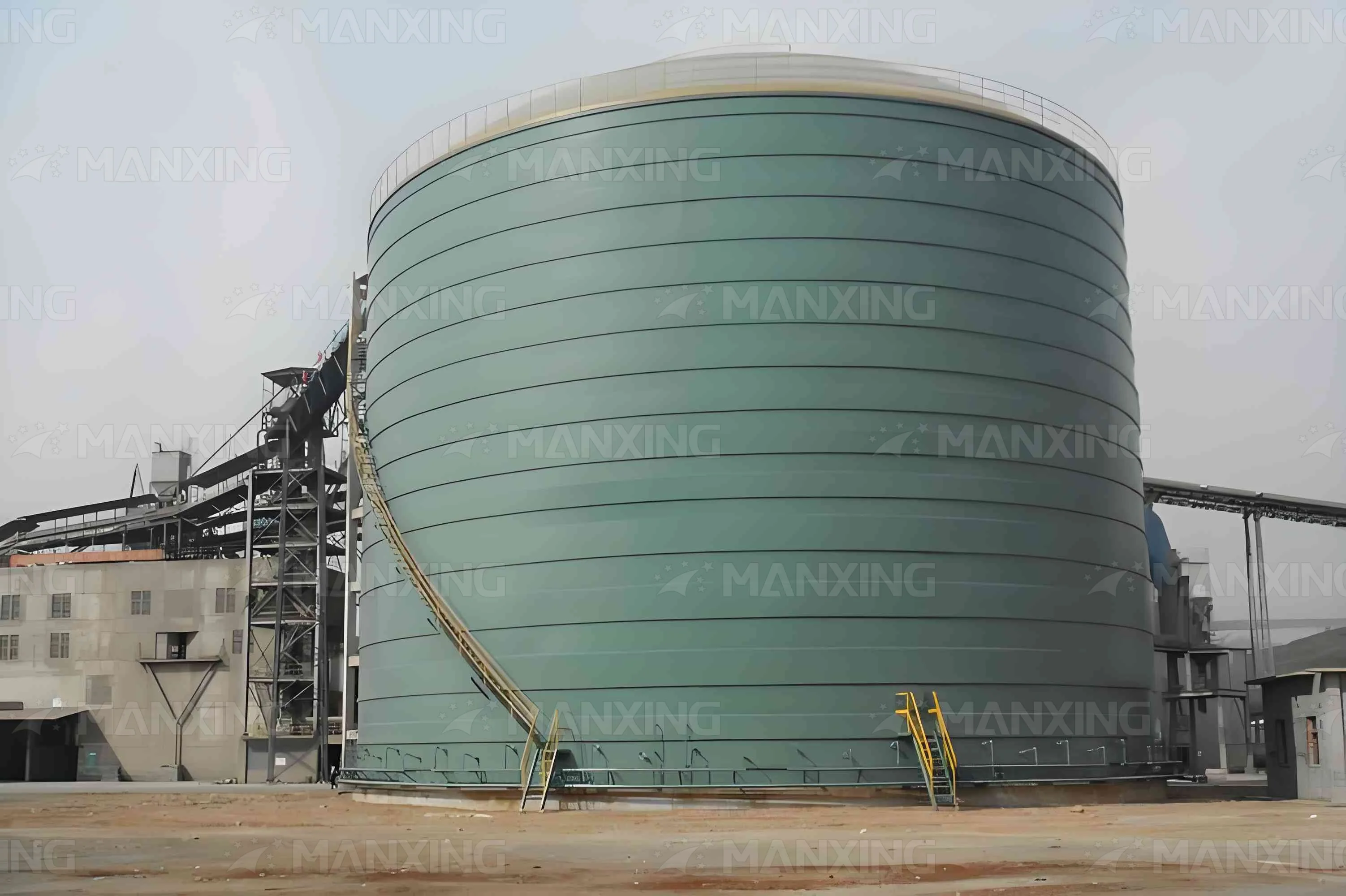
Designing industrial fly ash silos requires a meticulous approach to technical specifications and engineering standards, balancing structural robustness, material durability, safety, and regulatory compliance. By adhering to these guidelines, industries can ensure efficient storage and handling of fly ash, supporting sustainable construction practices. For expert guidance on custom silo solutions tailored to your specific needs, consult with a qualified engineering firm to optimize your storage infrastructure.
Table of Contents
PDF
Download File
Manxing Industrial Silo Brochure
Manxing_Industrial_Silo_Brochure.pdf
Open the download form to unlock this file. The download will start automatically after submission.
Request a Quote
We are committed to providing you with exceptional service and ensuring a seamless buying experience. Please send us your inquiry, and we will respond with a detailed quotation.