


Fly Ash Silo Buyer's Guide: How to Choose the Right Design for Your Project
Jun Mon, 2026
Selecting the right fly ash silo design is a critical decision that impacts operational efficiency, safety, and long-term project costs. Fly ash, a byproduct of coal combustion in power plants, requires specialized storage solutions due to its fine, powdery nature and potential for moisture absorption. As a buyer at the decision stage, understanding key design factors ensures you invest in a silo that meets your specific needs without overspending. This guide walks you through essential considerations, from capacity calculations to material choices, helping you make an informed choice for your industrial or construction application.
Assessing Your Capacity Requirements
Determining the appropriate silo capacity is the first step in selecting a fly ash silo design. Capacity directly influences both initial investment and operational flexibility. For most projects, capacity is calculated based on daily consumption rates, delivery frequency, and safety margins. A common approach is to size the silo to hold 1.5 to 2 times the average weekly usage, ensuring buffer stock during supply disruptions. For example, a concrete batching plant using 50 tons of fly ash daily might opt for a 350-ton silo to accommodate weekly deliveries with reserve. Consider future expansion—modular designs allow for capacity increases without full replacement. Underestimating capacity leads to frequent refills and higher logistics costs, while overestimating wastes capital and space.
Evaluating Silo Materials and Construction
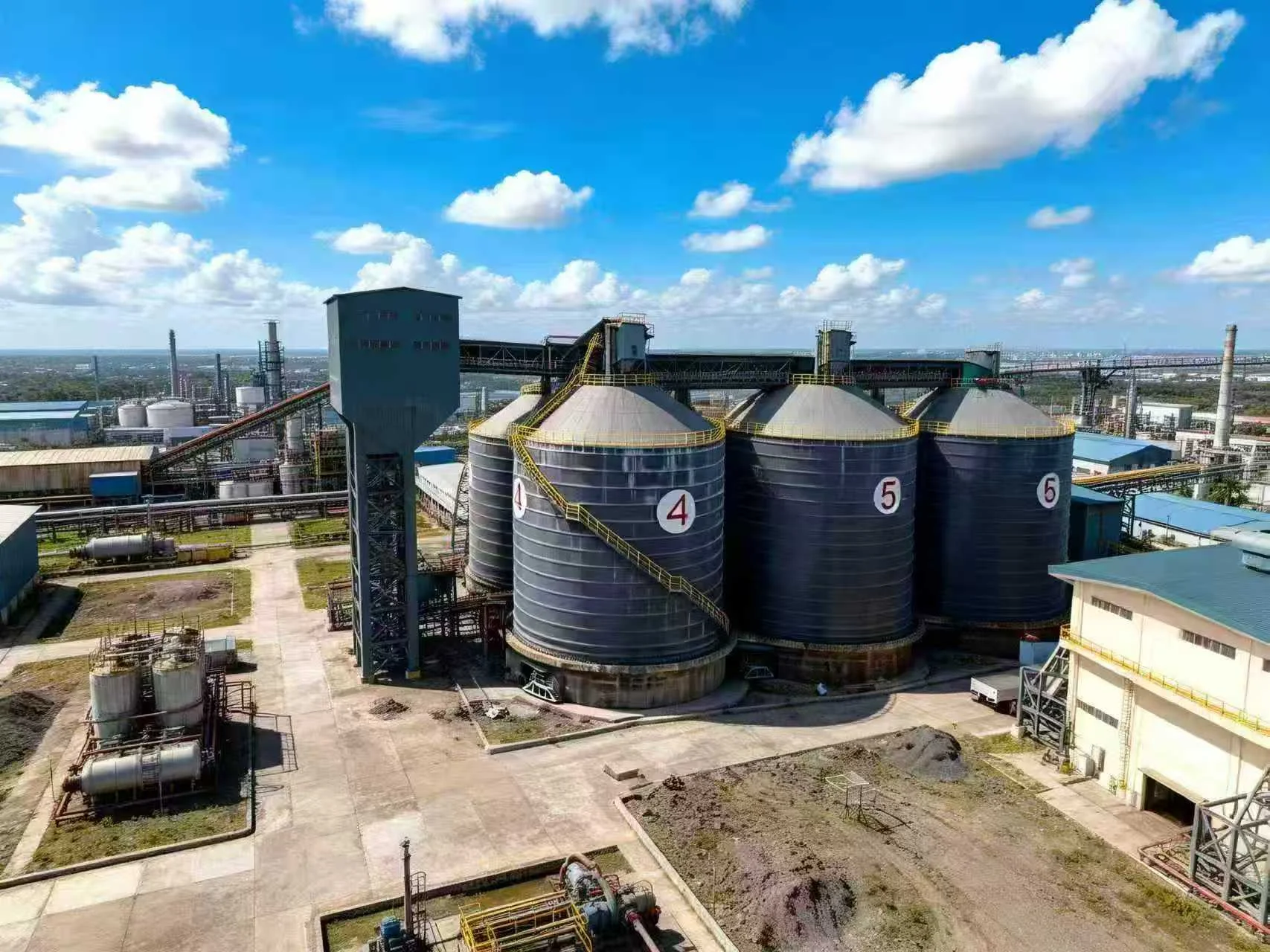
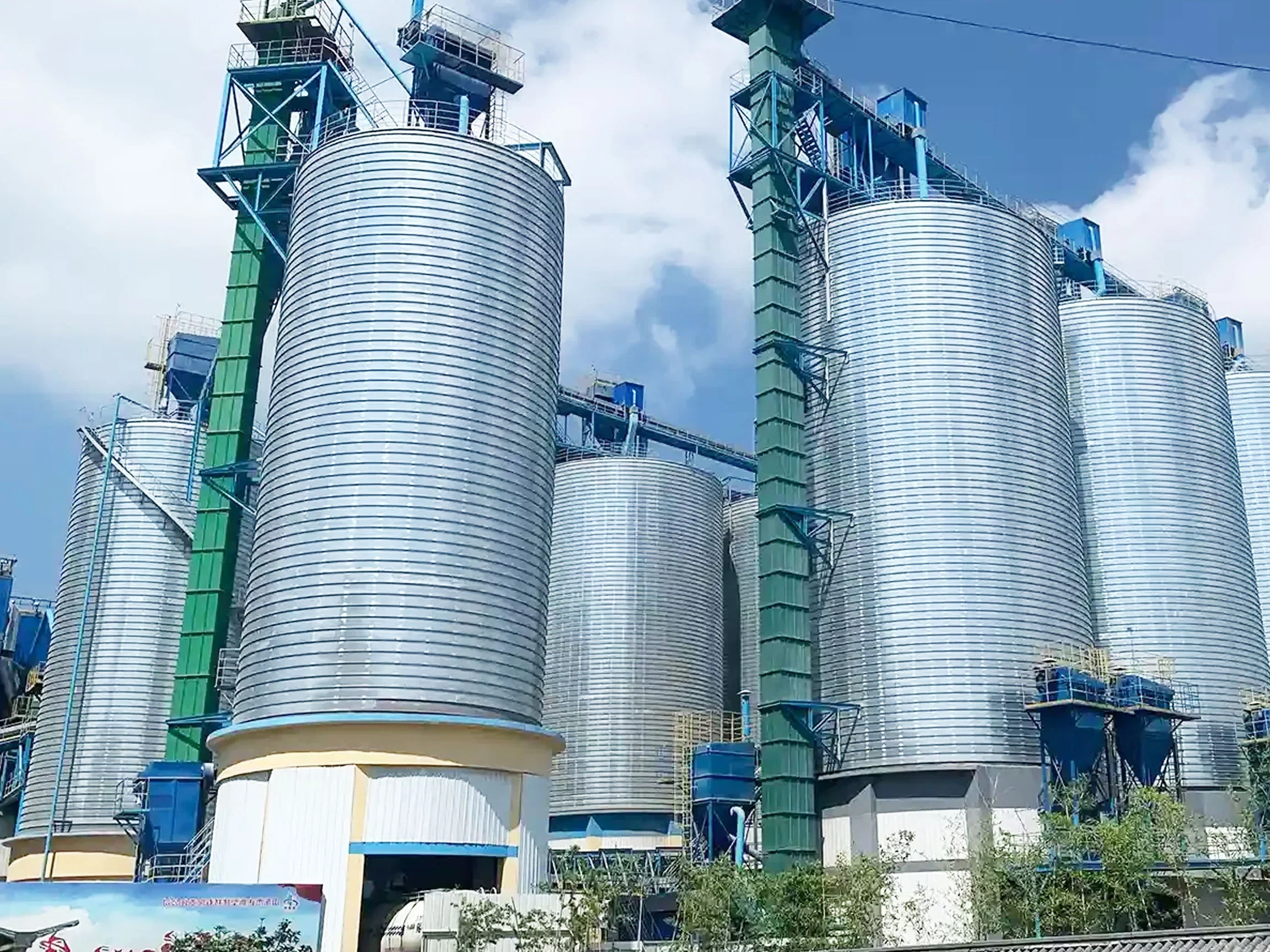
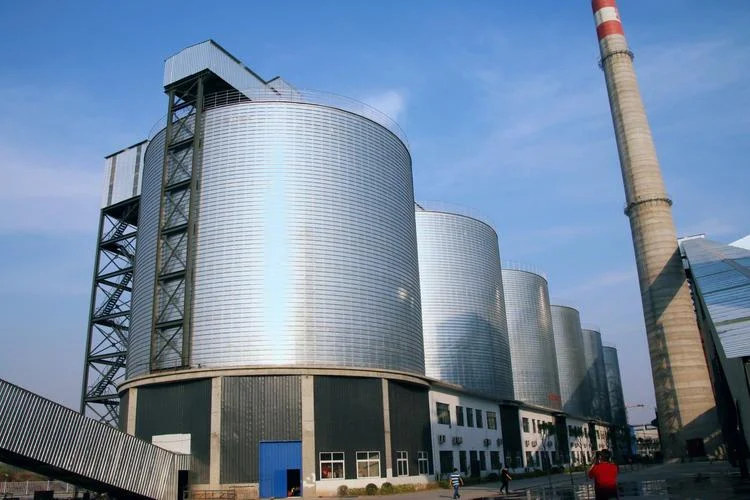
The choice of materials significantly affects durability, maintenance, and cost. Steel and concrete are the primary options for fly ash silos, each with distinct advantages. Steel silos, typically made from galvanized or coated carbon steel, offer quick installation, lightweight design, and resistance to corrosion when properly treated. They are ideal for projects with tight timelines or where mobility is a factor, such as temporary construction sites. Concrete silos provide superior longevity and thermal mass, reducing condensation risks that can cause fly ash clumping. In cold climates, concrete's insulation properties help maintain material flow. For highly abrasive fly ash types, consider liners or specialized coatings to extend silo life. Material selection should align with environmental conditions and expected lifespan—steel for cost-effective, short- to medium-term use, and concrete for permanent, high-volume installations.
Design Features for Efficient Handling
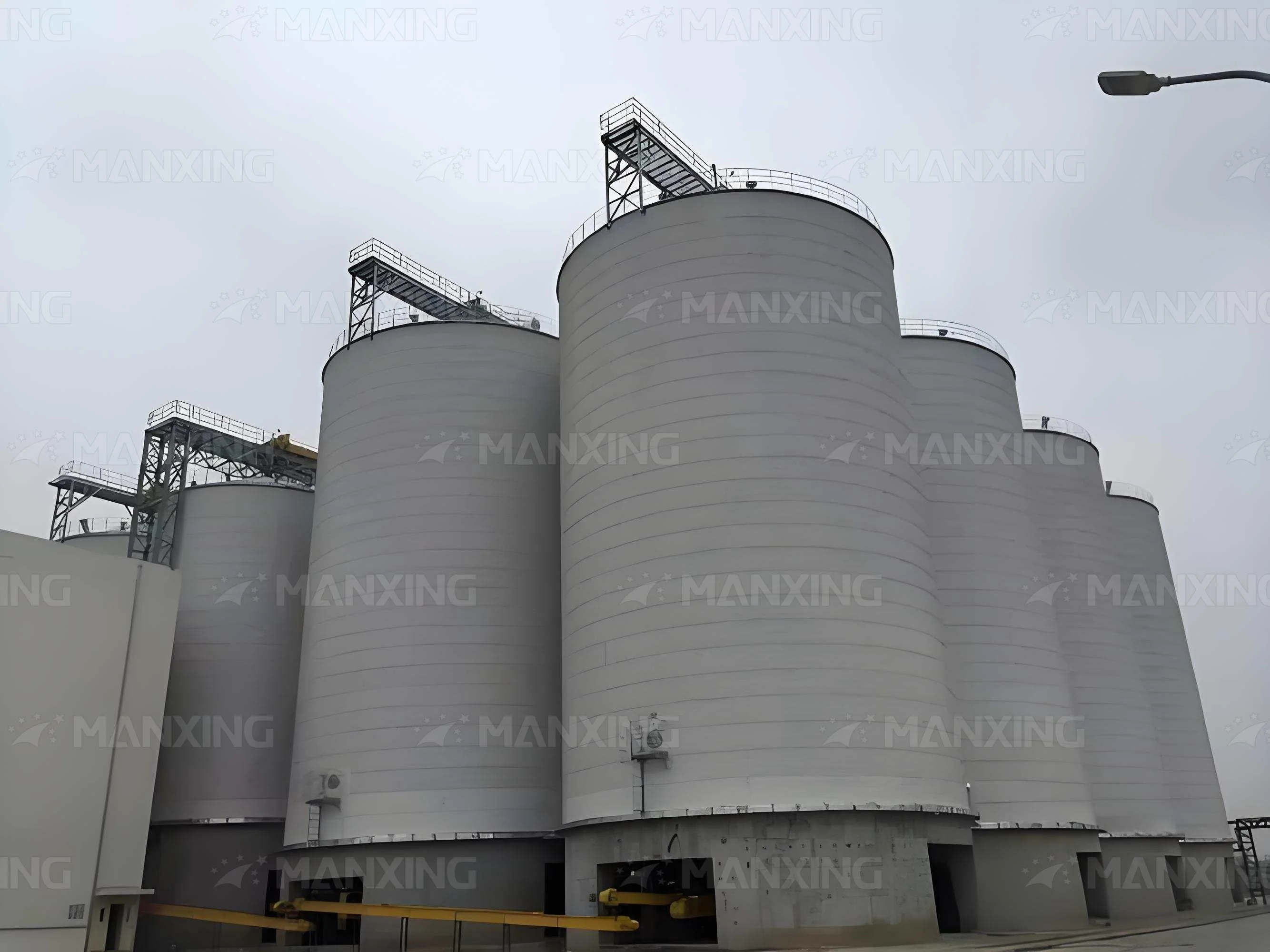
Fly ash's cohesive properties demand specific design features to ensure smooth handling and prevent issues like bridging or rat-holing. Key elements include hopper design, aeration systems, and discharge mechanisms. Cone-bottom hoppers with steep angles (typically 60° or more) promote gravity flow, while mass-flow designs minimize dead storage. Aeration pads or fluidizing systems introduce air at the bottom to reduce compaction, crucial for silos storing fly ash for extended periods. In a real-world case, a power plant in the Midwest reduced downtime by 30% after upgrading to a silo with rotary valves and controlled aeration. Also, consider access points for cleaning and inspection, as fly ash buildup can compromise safety and efficiency. Integrated level sensors and automated controls enhance operational reliability, especially in automated batching systems.
Site-Specific and Regulatory Considerations
Local factors and regulations play a vital role in silo design selection. Assess site constraints such as available footprint, soil conditions, and wind/seismic loads. For limited spaces, vertical silos maximize storage in a small area, while horizontal designs suit low-clearance sites. In earthquake-prone regions, silos require reinforced foundations and flexible connections. Environmental regulations may dictate dust collection systems; fly ash is prone to airborne particles, so look for designs with integrated filter vents or baghouses. For example, a construction project in an urban area opted for a sealed steel silo with negative pressure to meet strict emission standards. Additionally, consider transportation logistics—prefabricated silos reduce on-site assembly time but may have size limitations for shipping.
Cost Analysis and Long-Term Value
Beyond initial purchase price, evaluate total cost of ownership, including installation, maintenance, and operational expenses. Steel silos generally have lower upfront costs but may require more frequent upkeep in corrosive environments. Concrete silos involve higher initial investment but offer minimal maintenance over decades. Factor in energy costs for aeration or heating systems in cold climates. A lifecycle cost analysis for a typical 500-ton fly ash silo might show concrete as more economical over 20 years due to durability. Also, consider resale value or adaptability—some designs allow for repurposing with other materials. Investing in quality components, such as stainless steel fittings or advanced monitoring systems, can reduce downtime and enhance safety, providing long-term savings.
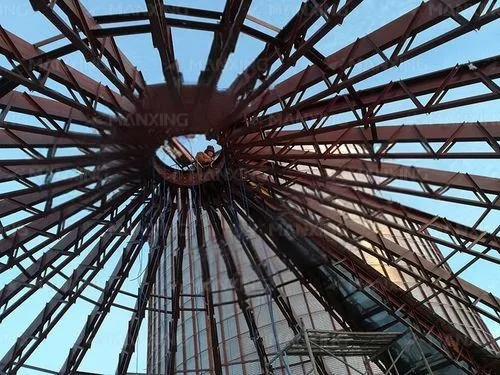
Choosing the right fly ash silo design involves balancing technical requirements with practical and financial considerations. By thoroughly assessing capacity, materials, handling features, site specifics, and costs, you can select a silo that optimizes performance for your project. Whether for cement production, waste management, or agricultural use, a well-chosen silo ensures reliable storage and contributes to operational success. For personalized advice or to explore custom solutions, consult with a reputable supplier to discuss your specific needs.
Table of Contents
PDF
Download File
Manxing Industrial Silo Brochure
Manxing_Industrial_Silo_Brochure.pdf
Open the download form to unlock this file. The download will start automatically after submission.
Request a Quote
We are committed to providing you with exceptional service and ensuring a seamless buying experience. Please send us your inquiry, and we will respond with a detailed quotation.