
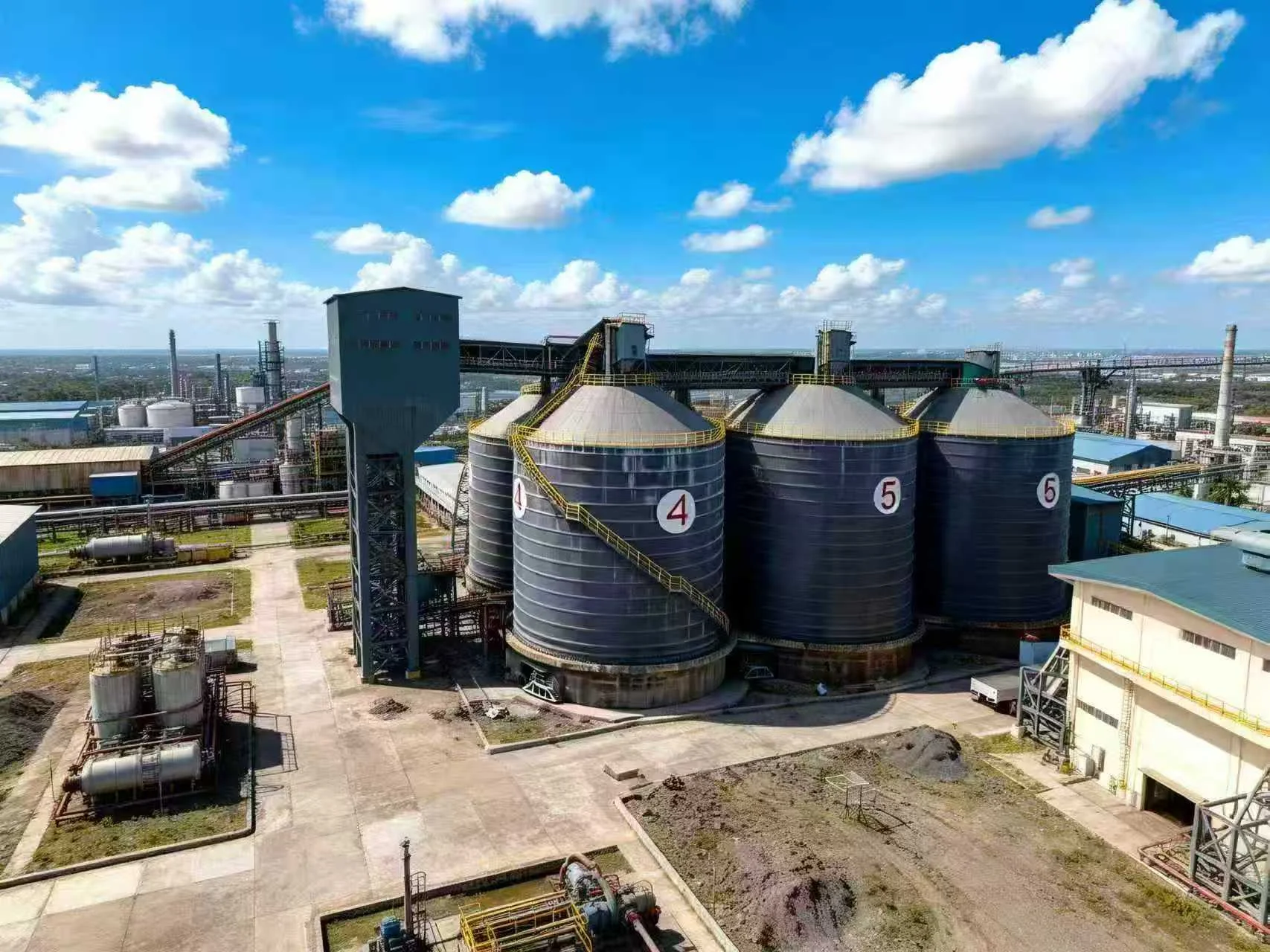
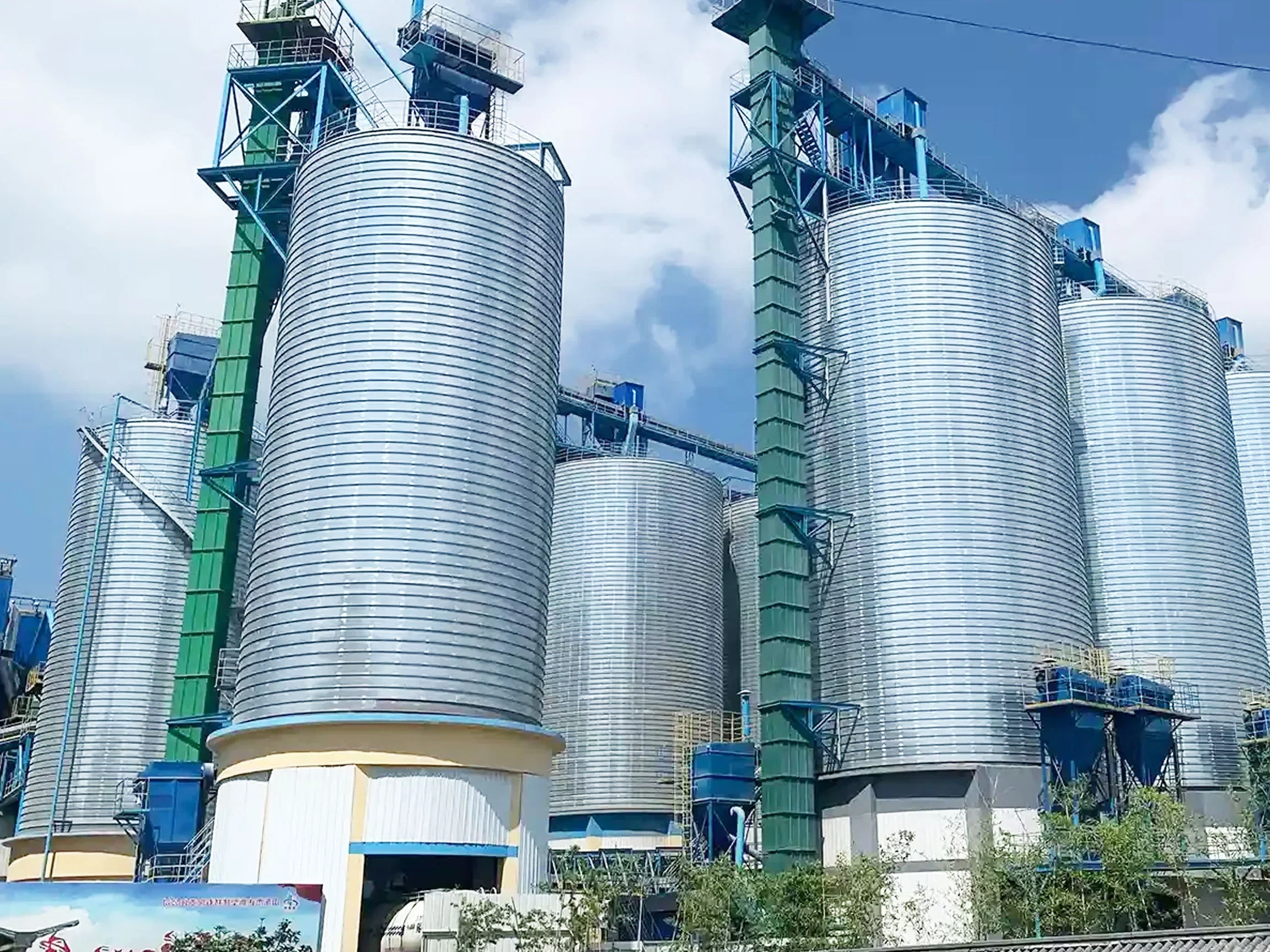
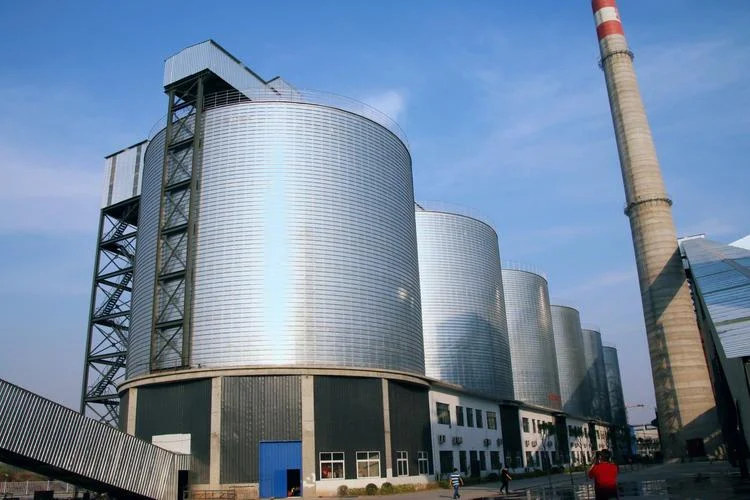


Innovations in Fly Ash Silo Design: Trends to Watch
Jun Mon, 2026
The construction industry is undergoing a significant transformation, driven by sustainability goals and technological advancements. Fly ash, a byproduct of coal combustion, has become a crucial component in concrete production, reducing environmental impact while enhancing material properties. As demand grows, the storage and handling of fly ash require innovative silo designs that prioritize efficiency, safety, and adaptability. This article explores the latest trends shaping fly ash silo design, offering insights into how these developments are revolutionizing bulk material storage in construction projects worldwide.
Smart Monitoring and IoT Integration
One of the most impactful trends in fly ash silo design is the integration of smart monitoring systems and Internet of Things (IoT) technologies. Traditional silos often rely on manual inspections, which can lead to inefficiencies and safety risks. Modern designs incorporate sensors that monitor key parameters in real-time, such as material level, temperature, humidity, and structural integrity. For example, in a recent large-scale infrastructure project in Southeast Asia, IoT-enabled silos reduced material waste by 15% through precise inventory tracking and automated alerts for maintenance needs. These systems use wireless connectivity to transmit data to centralized platforms, allowing operators to make informed decisions remotely. Benefits include:
Enhanced safety through early detection of potential failures, such as overfilling or structural stress.
Improved operational efficiency by optimizing material flow and reducing downtime.
Cost savings from predictive maintenance, which prevents costly repairs and extends silo lifespan.
Data-driven insights for better resource management and compliance with environmental regulations.
Modular and Prefabricated Silo Systems
Modularity is reshaping fly ash silo construction, offering flexibility and speed that traditional designs cannot match. Prefabricated silo systems are manufactured off-site in controlled environments, then assembled on location with minimal disruption. This approach is particularly valuable in urban construction sites where space is limited and timelines are tight. A case study from a European cement plant demonstrated that modular silos reduced installation time by 40% compared to conventional methods. These systems feature standardized components that can be easily scaled or reconfigured to meet changing storage needs. Key advantages include:
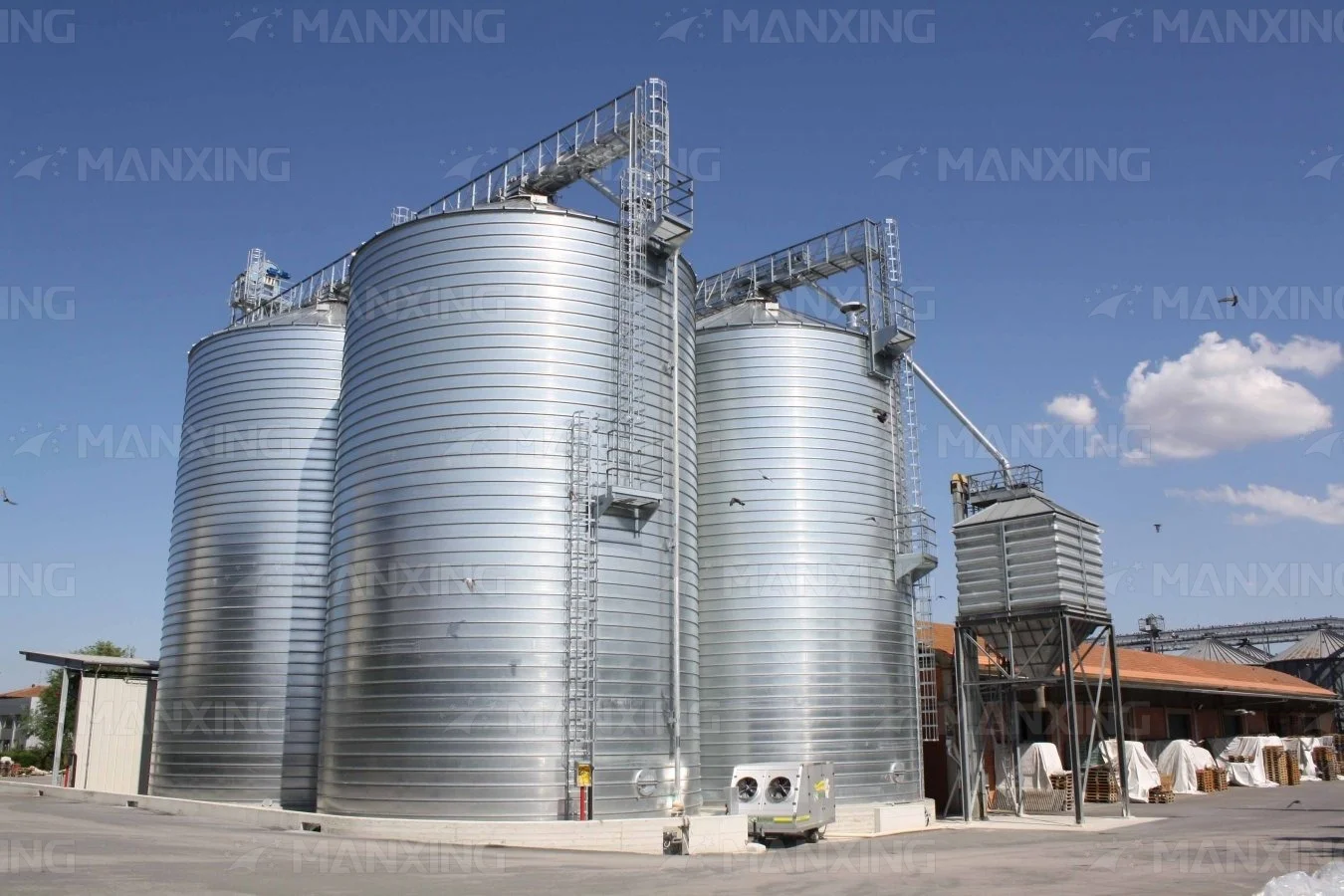
Rapid deployment, enabling faster project completion and reduced labor costs.
Customizable designs that adapt to site-specific constraints, such as height restrictions or seismic zones.
Enhanced quality control through factory-based manufacturing, which ensures consistent material and welding standards.
Easier relocation or expansion, supporting long-term operational flexibility.
Advanced Material and Coating Technologies
Innovations in materials and coatings are addressing common challenges in fly ash storage, such as abrasion, corrosion, and material buildup. Fly ash is highly abrasive and can contain corrosive elements, leading to wear and tear in traditional steel silos. New designs incorporate high-strength, low-alloy steels and composite materials that offer superior durability. For instance, a power plant in North America implemented silos with specialized internal coatings that reduced material adhesion by 30%, minimizing clogging and improving discharge efficiency. These coatings are often epoxy-based or ceramic-infused, providing a smooth surface that resists chemical attack. Developments in this area focus on:
Extended service life through corrosion-resistant alloys and protective linings.
Reduced maintenance requirements by preventing material buildup and structural degradation.
Improved hygiene and safety by minimizing dust emissions and contamination risks.
Sustainability benefits, such as recyclable materials and coatings with low environmental impact.
Automated Discharge and Aeration Systems
Efficient material handling is critical in fly ash silos, where poor flow can lead to operational bottlenecks and safety hazards. Automated discharge and aeration systems are becoming standard in modern designs, ensuring consistent material extraction without manual intervention. These systems use pneumatic or mechanical mechanisms to fluidize fly ash, preventing bridging and rat-holing—common issues in bulk storage. In a recent application at a concrete batching plant, automated aeration reduced energy consumption by 20% while maintaining steady material flow. Technologies include:
Programmable logic controllers (PLCs) that adjust aeration rates based on real-time sensor data.
Energy-efficient blowers and valves designed for minimal power usage and noise reduction.
Integration with plant-wide automation systems for seamless material transfer and inventory management.
Safety features like pressure relief valves and emergency shutdown protocols to prevent over-pressurization.
Sustainability and Environmental Compliance
As environmental regulations tighten, fly ash silo designs are evolving to meet stricter standards for emissions control and resource efficiency. Sustainable trends include the use of renewable energy sources, such as solar panels to power monitoring systems, and designs that minimize carbon footprint through lightweight materials. For example, a green building project in Australia incorporated silos with rainwater harvesting systems to reduce water usage in dust suppression. Additionally, advanced filtration systems capture particulate matter, ensuring compliance with air quality regulations. Key aspects of this trend are:
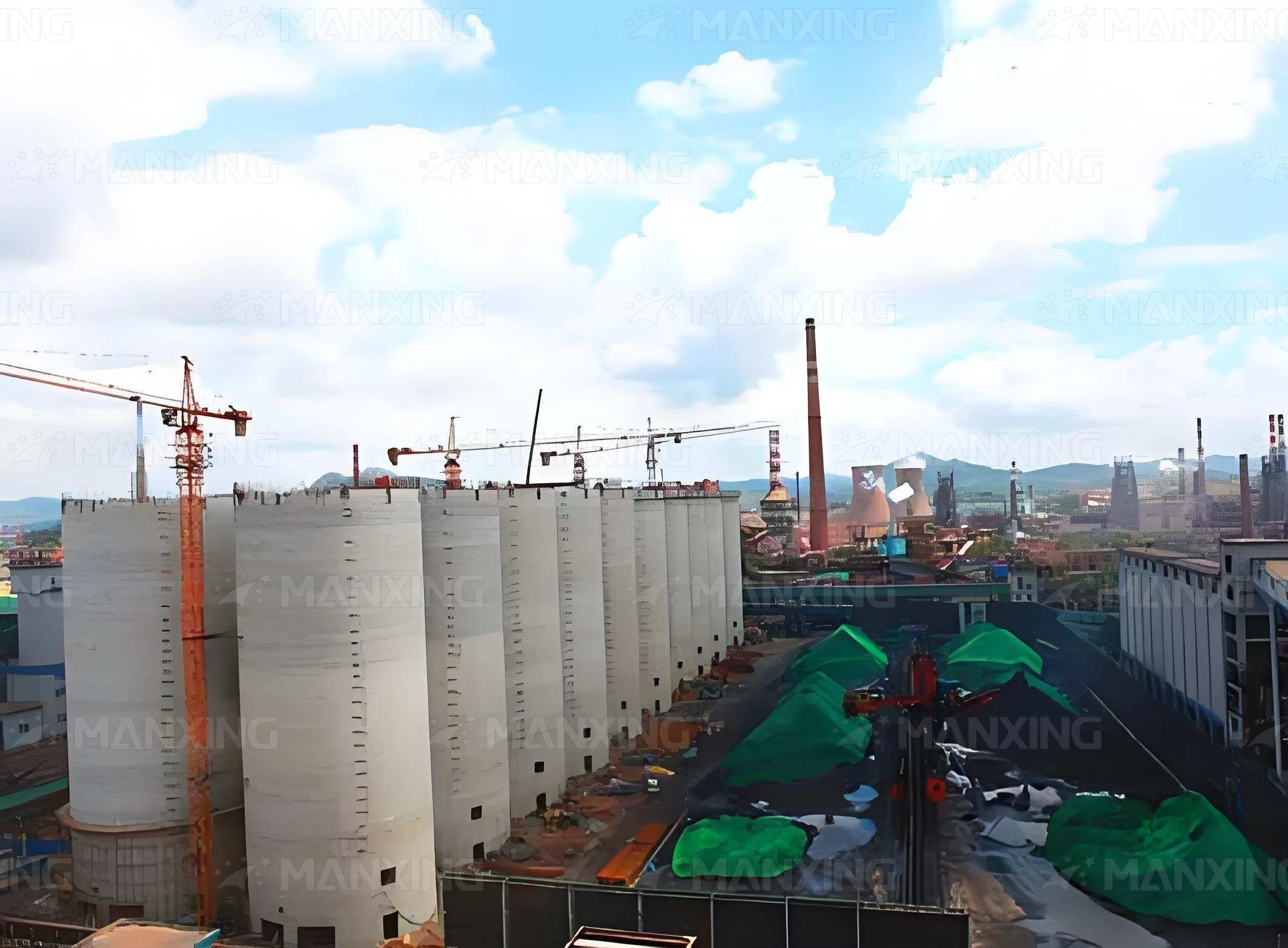
Reduced environmental impact through energy-efficient components and low-emission manufacturing processes.
Compliance with global standards, such as LEED certification or local emissions limits.
Enhanced public perception by demonstrating commitment to sustainable construction practices.
Long-term cost benefits from lower utility bills and regulatory penalties.
The future of fly ash silo design is marked by a convergence of technology, modularity, and sustainability. Innovations like smart monitoring, prefabricated systems, and advanced materials are not just trends—they are essential tools for improving efficiency, safety, and environmental performance in the construction industry. As projects grow in scale and complexity, adopting these designs can lead to significant operational advantages and cost savings. To stay ahead, industry professionals should consider integrating these innovations into their storage solutions, ensuring they meet the demands of modern construction while contributing to a greener future. For more insights on optimizing bulk material handling, explore our resources on industrial storage best practices.
Table of Contents
PDF
Download File
Manxing Industrial Silo Brochure
Manxing_Industrial_Silo_Brochure.pdf
Open the download form to unlock this file. The download will start automatically after submission.
Request a Quote
We are committed to providing you with exceptional service and ensuring a seamless buying experience. Please send us your inquiry, and we will respond with a detailed quotation.