
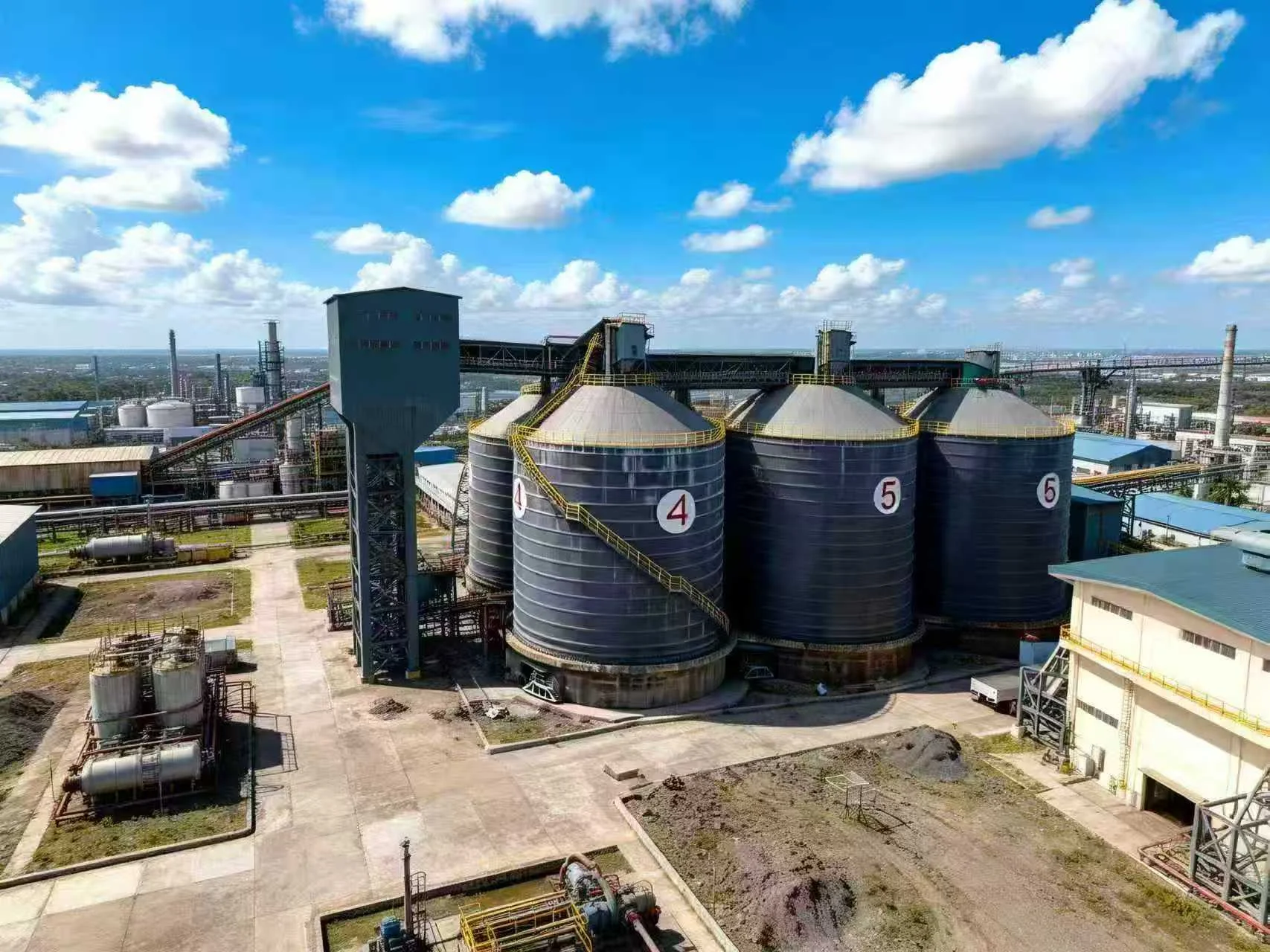
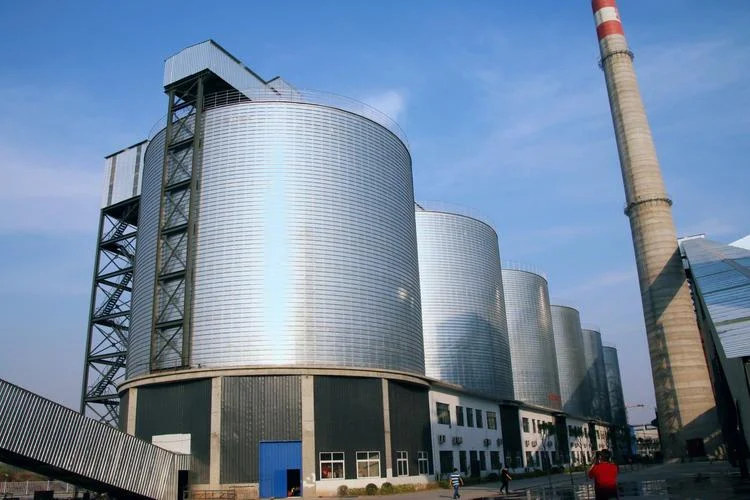


Engineers at a major coal-fired power plant faced a critical challenge: a 15-year-old concrete ash silo was leaking, causing maintenance costs to spiral and threatening environmental compliance. This case study details the design and implementation of a 500-ton fly ash steel silo that not only solved these issues but also reduced discharge failure rates by 90% and saved over $20,000 USD annually in maintenance. The project showcases how structural optimization, advanced corrosion protection, and fluidization technology can deliver engineering excellence in bulk material handling for the power generation industry.
Designing a 500-Ton Fly Ash Silo: Engineering Challenges and Solutions for Power Plant Storage
Fly ash, a byproduct of coal-fired power plants, presents unique storage challenges. Its
extremely fine particle size (typically less than 75 microns), high abrasiveness, tendency to cake, and rapid hardening upon contact with moisture make it one of the most difficult bulk materials to handle. Traditional open stockpiling or simple bins not only cause severe dust pollution but also suffer from poor material flow, leading to frequent bridging, rat-holing, and discharge blockages that disrupt the continuous operation of the ash handling system.With increasingly stringent national emission standards, such as China's "Emission Standard of Air Pollutants for Thermal Power Plants" (GB 13223), and the growing utilization of fly ash in concrete and building materials, power plants urgently need a modern storage solution that combines high capacity, sealed environmental protection, and reliable discharge. This 500-ton fly ash steel silo was specifically designed to replace a 15-year-old concrete ash silo that suffered from severe leakage and high maintenance costs. The project began with a thorough site survey and material property analysis. The fly ash had a bulk density of 0.7–0.9 t/m³, a repose angle of 35–45 degrees, and contained free calcium oxide, giving it a mildly alkaline nature. These parameters directly determined the silo's volume calculation, wall strength design, and discharge hopper angle.
Structural Optimization: From Concrete to High-Performance Steel
The decision to replace a concrete silo with a steel one was driven by several factors. Concrete silos, while durable, are prone to cracking and leakage over time, especially when handling abrasive and chemically active materials like fly ash. The existing concrete silo had developed significant structural issues, including water ingress that caused the fly ash to harden into a solid mass, leading to frequent blockages and costly manual removal.
Wall Thickness and Hopper Angle Design
The steel silo was designed with a cylindrical body and a conical hopper. Based on the fly ash's repose angle of 35–45 degrees, the hopper was engineered with a 60-degree slope to ensure mass flow, preventing the formation of stagnant zones where material could cake and harden. Wall thickness was calculated using Janssen's theory for static pressures and the Reimbert method for dynamic discharge loads, resulting in a design that could withstand both the material's weight and the abrasive forces during discharge. The silo's total volume was calculated at approximately 625 cubic meters to accommodate the 500-ton capacity, accounting for the fly ash's bulk density variation.
Advanced Corrosion Protection System
Given the mildly alkaline nature of the fly ash (due to free calcium oxide) and the power plant's location in a temperate continental climate zone with significant temperature fluctuations, corrosion protection was a top priority. The interior of the silo was lined with a specialized epoxy coating system resistant to both abrasion and chemical attack. The exterior received a multi-layer paint system with a zinc-rich primer, providing long-term protection against atmospheric corrosion. This system was designed to last 15–20 years with minimal maintenance, a significant improvement over the concrete silo's frequent repair cycles.
Key Takeaways
- Key Data: The 500-ton steel silo reduced discharge failure rates by 90% compared to the previous concrete silo, saving over $20,000 USD annually in maintenance costs.
- Best Practice: Always conduct a thorough material property analysis (bulk density, repose angle, chemical composition) before designing the silo's volume, wall strength, and hopper angle.
- Watch Out For: Fly ash's tendency to cake and harden upon contact with moisture makes airtight sealing and effective fluidization systems critical for reliable operation.
- Pro Tip: A 60-degree hopper slope is the industry standard for fly ash to ensure mass flow, but aeration pads should be positioned strategically to break any potential bridges.
- Bottom Line: Replacing an aging concrete silo with a properly engineered steel silo, equipped with advanced corrosion protection and fluidization technology, is a cost-effective solution that enhances environmental compliance and operational reliability.
Fluidization Technology: Ensuring Reliable Discharge
The most critical aspect of fly ash storage is ensuring reliable discharge. Fly ash's fine particle size and cohesive nature make it prone to bridging and rat-holing, especially after periods of inactivity. To address this, the silo was equipped with a fluidized discharge system. Aeration pads were installed at strategic locations in the hopper, connected to a low-pressure air supply. When activated, these pads inject air into the fly ash, reducing its internal friction and allowing it to flow like a liquid. The system was designed with multiple zones, allowing for targeted aeration to break any developing bridges without over-aerating the entire mass, which could cause dust emissions. The fluidization system, combined with the steep hopper angle, ensures that the silo can achieve 100% live capacity, meaning no material is left stagnant in the hopper.
Frequently Asked Questions
Q: Why is a steel silo often preferred over concrete for fly ash storage in power plants?
A: Steel silos offer several advantages for fly ash storage. They are inherently airtight, preventing moisture ingress that causes fly ash to harden. Steel also allows for a smoother interior surface, which reduces friction and improves material flow. Additionally, steel silos are faster to construct and can be fabricated off-site, minimizing disruption to plant operations. The ability to apply advanced corrosion-resistant coatings to steel provides superior protection against the abrasive and chemically active nature of fly ash, leading to a longer service life with lower maintenance costs compared to concrete, which is prone to cracking and leakage.
Q: What specific design parameters are critical when engineering a silo for fly ash with a bulk density of 0.7–0.9 t/m³ and a repose angle of 35–45 degrees?
A: These parameters directly influence three key design elements. First, the silo's total volume must be calculated to ensure the desired capacity, accounting for the bulk density variation. For a 500-ton capacity, a volume of roughly 625 m³ is needed. Second, the wall strength must be designed to withstand both static and dynamic loads, using theories like Janssen's and Reimbert's. Third, the hopper angle must be steeper than the material's repose angle to ensure mass flow. A 60-degree hopper slope is standard for fly ash, as it prevents material from clinging to the walls and forming stagnant zones. The hopper's outlet size must also be large enough to prevent arching.
Q: How does the fluidization system in a fly ash silo work, and why is it essential for reliable operation?
A: The fluidization system uses low-pressure air injected through aeration pads installed in the silo's hopper. These pads are typically made of porous materials that distribute air evenly. When activated, the air reduces the inter-particle friction of the fly ash, causing it to behave like a fluid. This prevents bridging (the formation of a stable arch over the outlet) and rat-holing (the formation of a vertical pipe through the material). The system is essential because fly ash is highly cohesive and prone to these flow problems, especially after sitting idle. Without fluidization, discharge blockages would be frequent, requiring manual intervention and causing costly downtime.
Q: What are the key environmental and regulatory drivers for upgrading fly ash storage in coal-fired power plants?
A: The primary driver is compliance with increasingly stringent emission standards, such as China's GB 13223, which limits particulate matter and other pollutants. Open stockpiling or leaking silos cause severe dust pollution, leading to fines and regulatory action. Additionally, fly ash is now widely used as a pozzolanic material in concrete and building products, making its efficient collection and storage economically beneficial. A sealed, modern silo prevents fugitive dust emissions, protects the material from moisture contamination (which degrades its quality for reuse), and allows for controlled, reliable loading into trucks or conveyors for sale to the construction industry, turning a waste product into a revenue stream.
Q: How can a power plant justify the capital investment of replacing an existing concrete silo with a new steel fly ash silo?
A: The justification is based on a total cost of ownership analysis. While the initial capital expenditure for a new steel silo is significant, the operational savings are substantial. In this case study, the plant saved over $20,000 USD annually in maintenance costs alone. Additional savings come from reduced downtime due to discharge failures (a 90% reduction), lower labor costs for manual blockages, and elimination of dust pollution fines. Furthermore, the improved reliability of the ash handling system enhances overall plant efficiency. The return on investment (ROI) is typically achieved within 2–4 years, making the upgrade a financially sound decision.
Need expert fly ash silo solutions for your power plant project?
We provide professional design, manufacturing, and installation services for bulk storage and material handling systems worldwide. From structural engineering to fluidization systems and corrosion protection, our team delivers turnkey solutions that enhance reliability and reduce costs.
Get a Free Technical Consultation →