


Safe Wood Pellet Storage in Silos: Complete Guide
Jun Mon, 2026
Introduction: The Critical Importance of Proper Pellet Storage
Wood pellets have emerged as a vital renewable energy source, powering heating systems and industrial processes worldwide. As facility managers increasingly adopt this sustainable fuel, understanding proper storage techniques becomes paramount. Biomass pellets present unique challenges in bulk storage—they're susceptible to quality degradation from environmental factors and carry inherent combustion risks if not managed correctly. This practical guide provides actionable strategies for storing wood pellets in silos while maintaining their calorific value and ensuring operational safety.
Understanding Wood Pellet Characteristics and Risks
Before implementing storage solutions, facility managers must recognize the specific properties of biomass pellets that influence storage requirements. Wood pellets consist of compressed organic material that remains chemically active even after processing. This biological composition makes them vulnerable to several storage-related issues that can compromise both quality and safety.
Moisture sensitivity: Pellets can absorb atmospheric humidity, leading to swelling, disintegration, and reduced combustion efficiency
Self-heating potential: Microbial activity and oxidation processes generate heat that can accumulate dangerously
Dust generation: Fine particulate matter creates explosion hazards in confined spaces
Quality degradation: Exposure to elements reduces calorific value and produces inconsistent combustion
Selecting Appropriate Silo Design and Materials
The foundation of safe pellet storage begins with proper silo selection. Industrial storage structures must address the specific requirements of biomass materials while providing long-term reliability. Modern silo designs incorporate features specifically engineered for organic materials like wood pellets.
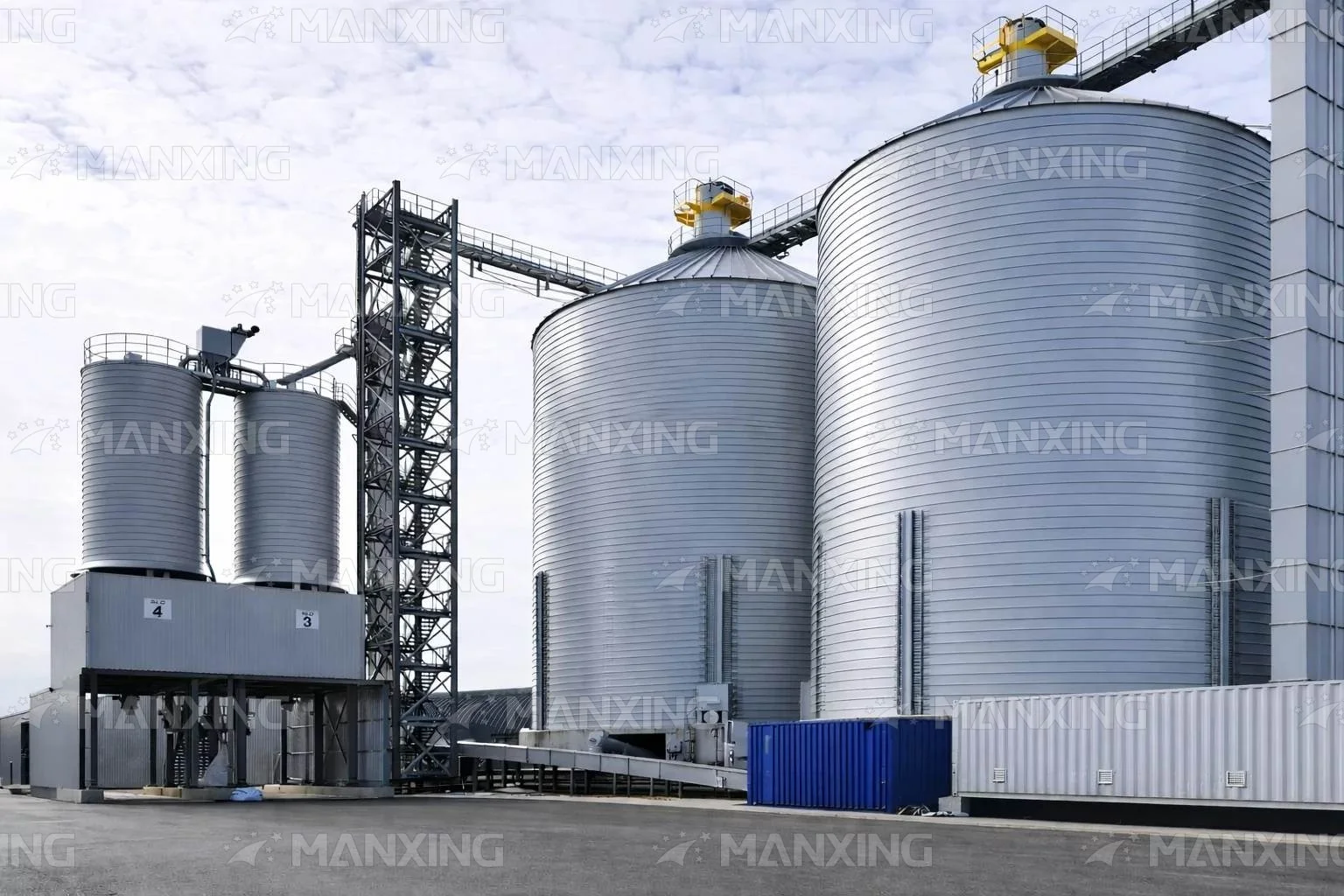
Steel silos offer particular advantages for biomass storage due to their structural integrity and customization potential. When evaluating storage options, consider these critical design elements:
Corrosion-resistant coatings that withstand organic acids released by biomass materials
Smooth interior surfaces that minimize pellet degradation during discharge
Proper ventilation systems that prevent moisture accumulation without excessive airflow
Temperature monitoring points integrated throughout the structure
Explosion relief panels designed for biomass dust characteristics
Implementing Effective Moisture Control Systems
Moisture represents the primary threat to wood pellet quality during storage. Even slight increases in moisture content can trigger chain reactions that compromise the entire storage batch. Effective moisture management requires a multi-layered approach combining physical barriers and environmental controls.
Facility managers should implement these moisture control strategies:
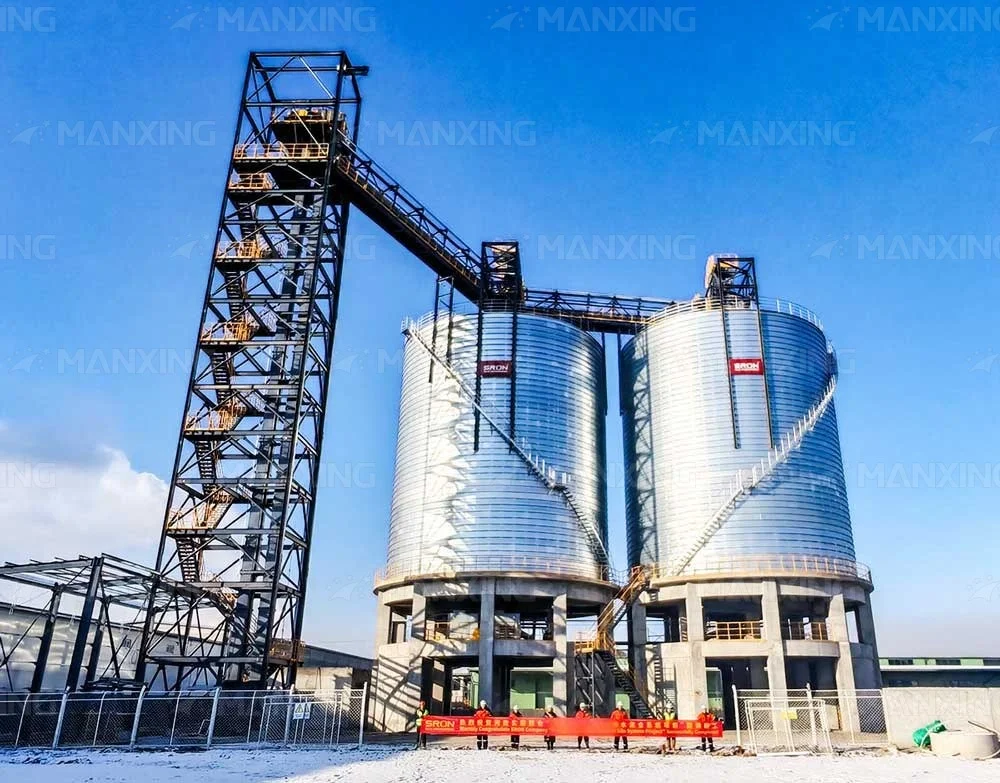
Install desiccant-based dehumidification systems maintaining relative humidity below 60%
Utilize moisture barriers in silo construction, particularly at ground level interfaces
Implement covered loading and unloading areas to prevent precipitation exposure
Establish regular moisture testing protocols using calibrated instruments
Design sloped roofs and proper drainage to prevent water accumulation
Preventing Combustion Through Temperature Management
The self-heating properties of biomass materials present significant fire risks that require proactive management. Temperature monitoring and control systems form the cornerstone of combustion prevention in pellet storage facilities. Understanding the thermal dynamics of stored biomass enables facility managers to implement effective safety measures.
Key temperature management practices include:
Install distributed temperature sensors at multiple depths and locations within the silo
Establish temperature thresholds that trigger automated response protocols
Implement controlled aeration systems that dissipate heat without introducing moisture
Develop emergency procedures for temperature excursions beyond safe limits
Regularly calibrate monitoring equipment to ensure accurate readings
Optimizing Inventory Management and Rotation
Even with perfect storage conditions, wood pellets have finite shelf lives that require strategic inventory management. Implementing first-in-first-out (FIFO) systems prevents extended storage that increases degradation risks. Proper inventory practices also reduce the likelihood of combustion incidents by minimizing storage duration.
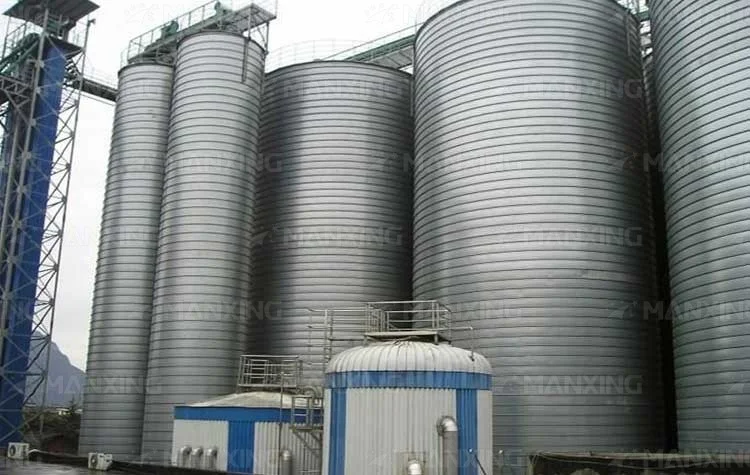
Effective inventory management involves:
Calculating optimal storage capacity based on consumption rates and seasonal variations
Implementing batch tracking systems that monitor storage duration for each inventory segment
Scheduling regular inspections of older inventory for early degradation detection
Designing silo configurations that facilitate systematic rotation of stored materials
Maintaining buffer stocks that allow for quality testing before utilization
Establishing Comprehensive Monitoring Protocols
Proactive monitoring represents the most effective strategy for preventing storage-related issues with wood pellets. Modern monitoring systems integrate multiple data streams to provide facility managers with comprehensive visibility into storage conditions. These protocols should address both immediate safety concerns and long-term quality preservation.
Essential monitoring components include:
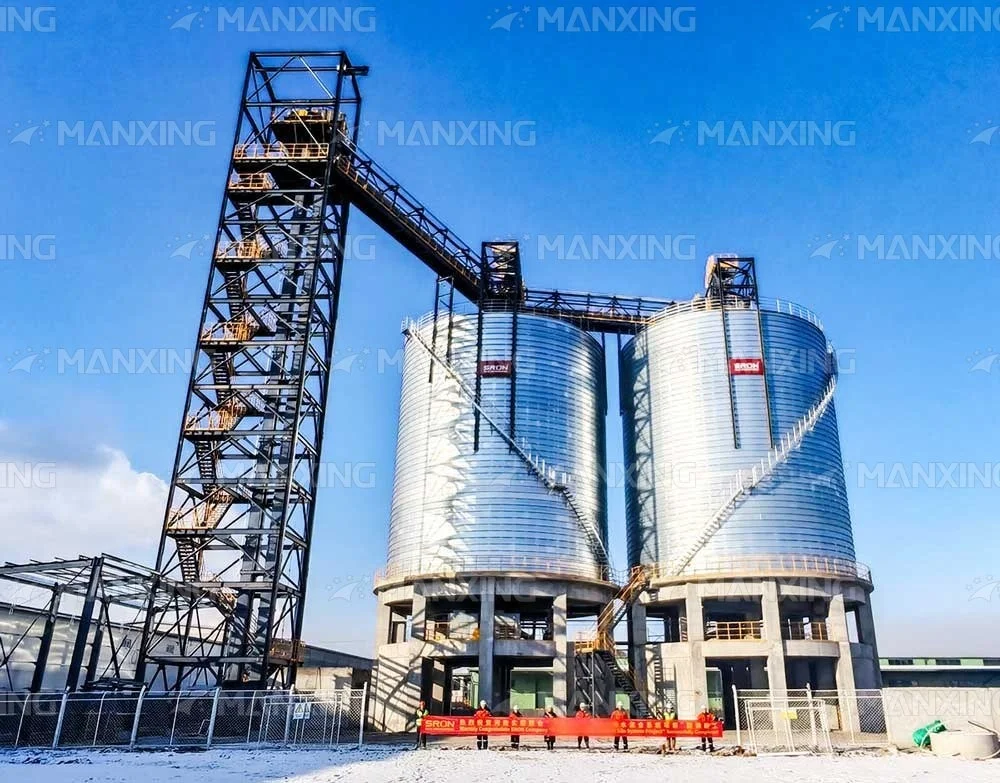
Continuous temperature profiling with automated alert systems
Regular moisture content verification using standardized testing methods
Visual inspection schedules for structural integrity and pellet condition
Gas monitoring for carbon monoxide and other combustion indicators
Documentation systems that track all monitoring data for trend analysis
Conclusion: Building a Culture of Storage Safety
Safe and effective wood pellet storage extends beyond technical solutions to encompass organizational practices and safety culture. Facility managers who implement comprehensive storage strategies protect both their investment in biomass fuels and the safety of their operations. By combining appropriate silo design with rigorous monitoring and management practices, organizations can maximize the benefits of wood pellets as a renewable energy source while minimizing associated risks. For facility managers seeking to enhance their storage capabilities, consulting with specialized engineering firms can provide customized solutions that address specific operational requirements and local environmental conditions.
Table of Contents
PDF
Download File
Manxing Industrial Silo Brochure
Manxing_Industrial_Silo_Brochure.pdf
Open the download form to unlock this file. The download will start automatically after submission.
Request a Quote
We are committed to providing you with exceptional service and ensuring a seamless buying experience. Please send us your inquiry, and we will respond with a detailed quotation.