


How to Design Fly Ash Silos for Optimal Storage: A Practical Guide for Engineers
Apr Wed, 2026
Fly ash, a byproduct of coal combustion in power plants, has become a valuable material in construction and industrial applications, particularly as a supplementary cementitious material. Proper storage of fly ash is crucial to maintain its quality, prevent environmental contamination, and ensure efficient handling. Designing fly ash silos requires careful consideration of material properties, storage capacity, flow characteristics, and structural integrity. This practical guide provides engineers with essential steps for designing silos that optimize fly ash storage for industrial applications.
Understanding Fly Ash Material Properties
Before designing a silo, engineers must thoroughly understand fly ash's physical and chemical properties. Fly ash is typically a fine powder with particle sizes ranging from 1 to 100 microns, though this can vary based on the combustion process and collection method. The material exhibits cohesive properties due to its fineness, which significantly impacts flow behavior. Bulk density typically ranges from 600 to 900 kg/m³ depending on moisture content and compaction. Chemical composition, particularly calcium oxide content, affects pozzolanic activity and storage requirements. Engineers should conduct material testing to determine specific properties for their application, including angle of repose, wall friction angle, and compressibility. These parameters directly influence silo design decisions regarding hopper angles, discharge mechanisms, and structural loads.
Calculating Storage Capacity Requirements
Accurate capacity calculation ensures the silo meets operational needs without unnecessary oversizing. The basic formula for cylindrical silo capacity is: Volume = π × (radius²) × height. For fly ash, engineers must use the bulk density specific to their material rather than theoretical values. Practical considerations include:
- Daily consumption rates at the application site
- Delivery frequency and batch sizes
- Seasonal variations in production or usage
- Safety margins for unexpected demand increases
- Dead storage volume that cannot be effectively discharged
For example, a concrete plant using 50 tons of fly ash daily with weekly deliveries would need approximately 400 tons of usable capacity, plus additional volume for dead storage and safety margin. Engineers should also consider future expansion needs when determining capacity to avoid costly modifications later.
Analyzing Flow Properties and Discharge Design
Fly ash's cohesive nature presents significant flow challenges that must be addressed in silo design. Proper flow analysis prevents rat-holing, bridging, and segregation—common problems that reduce storage efficiency. Key considerations include:
- Hopper angle: Typically 60-70 degrees from horizontal for mass flow design
- Discharge opening size: Minimum 300-400mm diameter for reliable flow
- Wall surface finish: Smooth stainless steel or specialized coatings reduce friction
- Flow aids: Mechanical vibrators, air fluidization systems, or discharge cones
Mass flow design, where all material moves during discharge, is generally preferred over funnel flow for fly ash to prevent stagnation and ensure first-in-first-out inventory management. Engineers should perform shear cell tests to determine the material's flow function and design the hopper accordingly. The Jenike method provides a systematic approach to hopper design based on material flow properties.
Structural Design and Material Selection
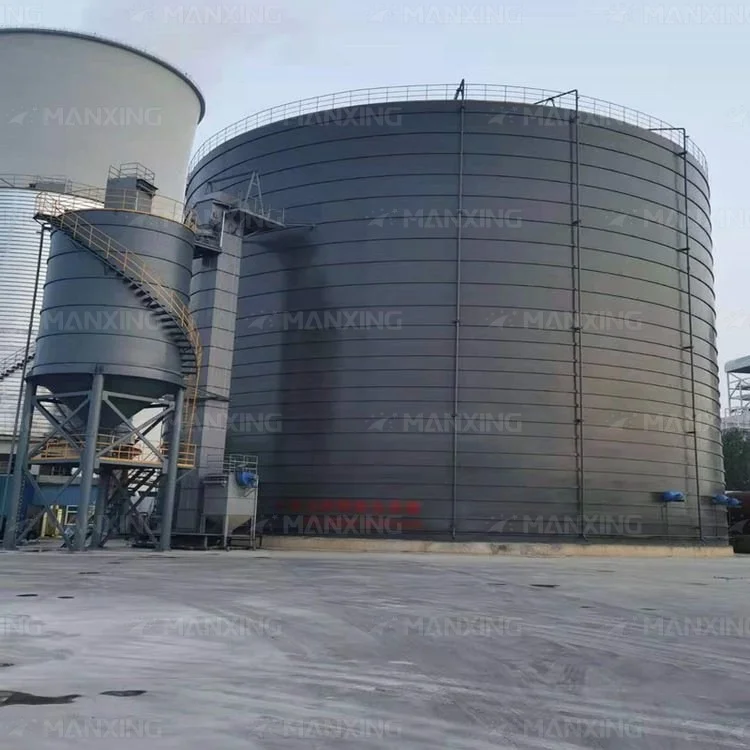
Fly ash silos require robust structural design to withstand various loads while maintaining material integrity. Primary considerations include:
- Material selection: Carbon steel with protective coatings or stainless steel for corrosion resistance
- Load calculations: Account for dead loads, live loads, wind loads, seismic loads, and thermal effects
- Pressure distribution: Janssen or Reimbert theories for calculating wall pressures
- Foundation design: Consider soil bearing capacity and differential settlement
Structural design must comply with relevant standards such as ACI 313 for concrete silos or API 650 for steel tanks. Engineers should consider access requirements for inspection and maintenance, including manways, ladders, and platforms. Proper venting is essential to prevent pressure buildup during filling and discharge operations. For large silos, ring stiffeners may be necessary to resist buckling under asymmetric loads.
Environmental and Safety Considerations
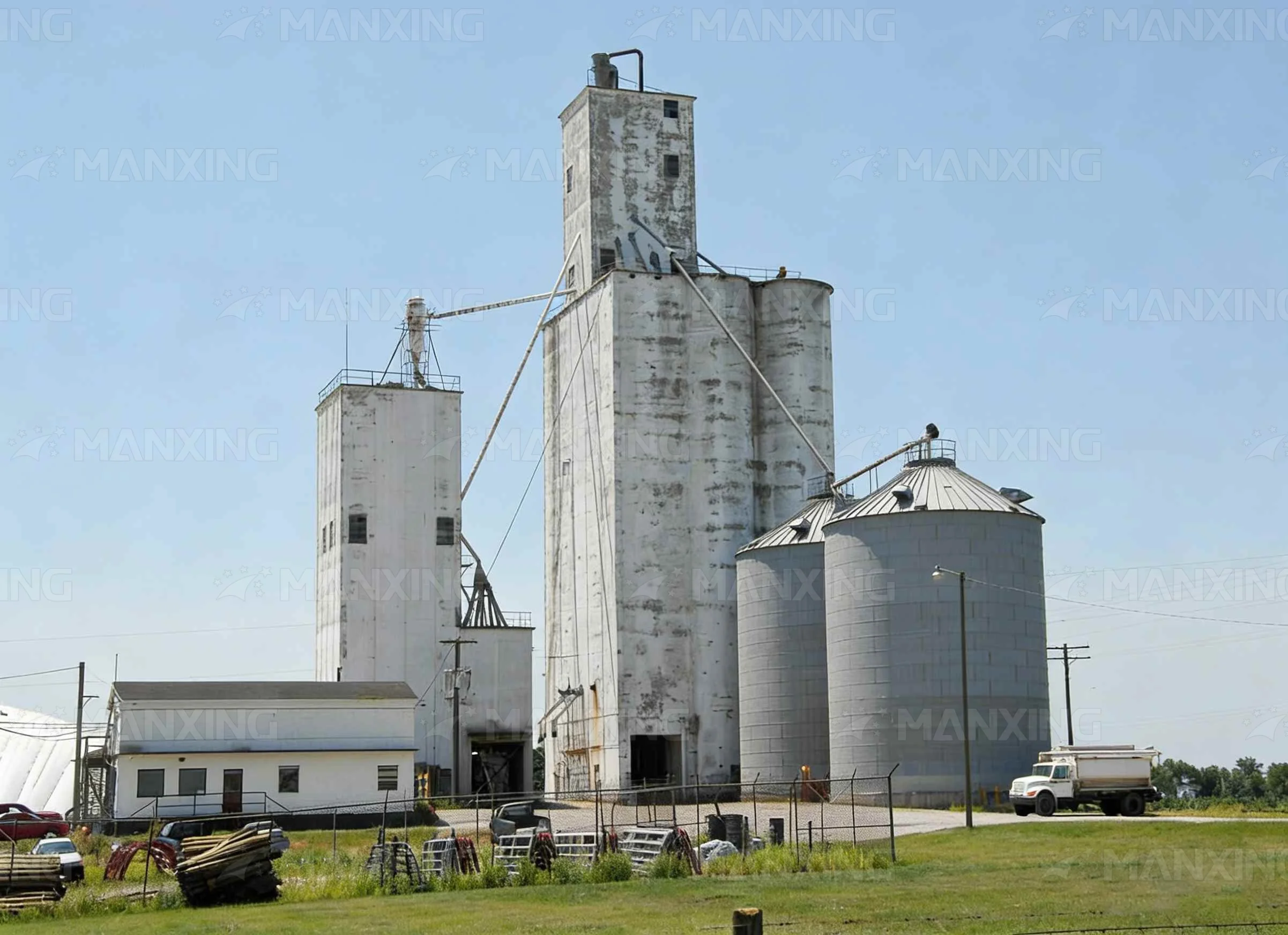
Fly ash storage presents specific environmental and safety challenges that must be addressed in design. Key aspects include:
- Dust control: Filter systems with appropriate air-to-cloth ratios
- Moisture protection: Roof design and sealing to prevent water ingress
- Explosion prevention: Venting for pressure relief and explosion suppression systems
- Containment: Secondary containment for spill prevention
Dust collection systems typically require filter bags with pulse-jet cleaning mechanisms sized according to filling rates and material characteristics. Explosion hazards, while relatively low for fly ash compared to other powders, should still be assessed according to ATEX or NFPA standards. Proper lighting, grounding systems, and safety signage complete the safety considerations.
Integration with Handling Systems
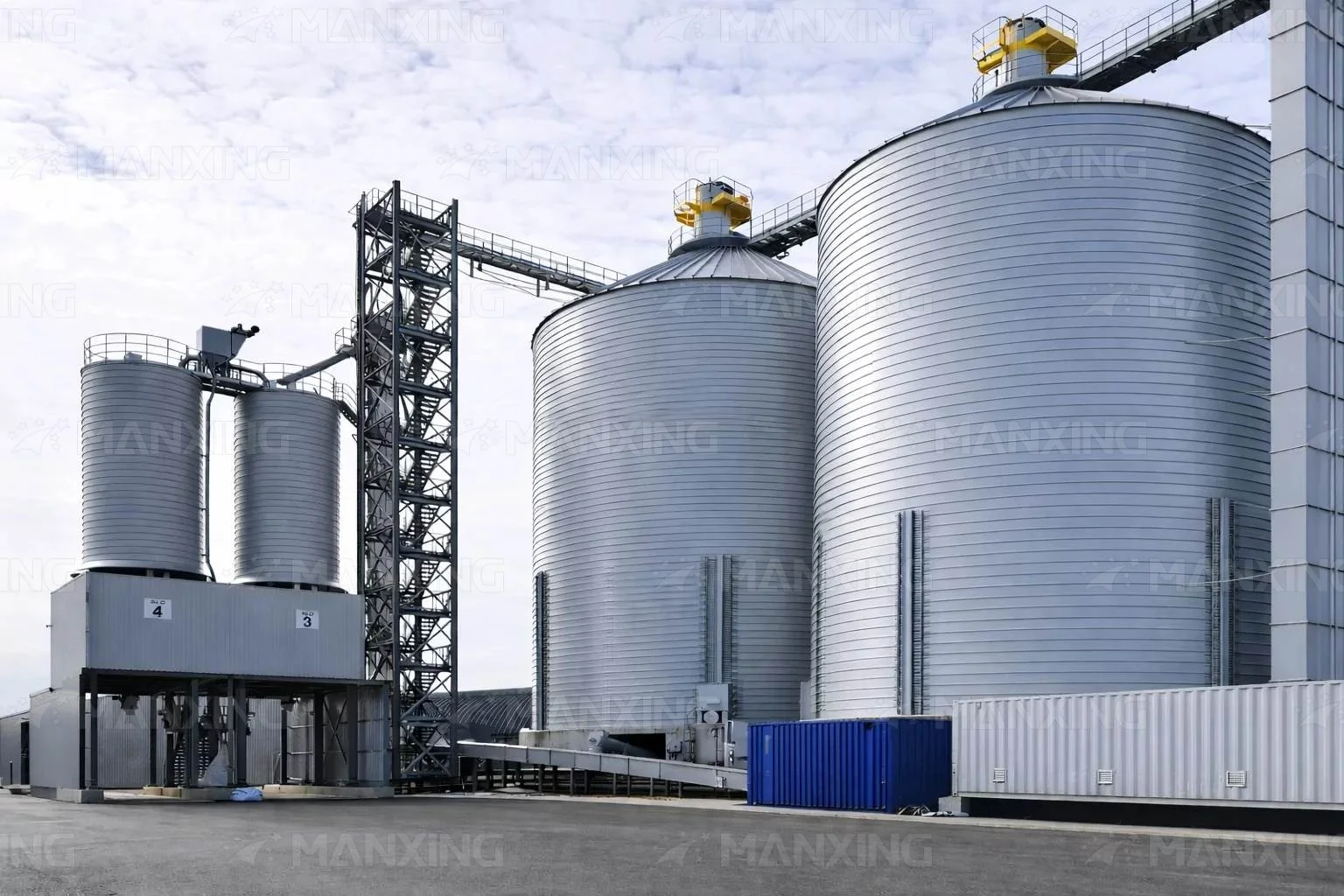
A silo does not operate in isolation but as part of a complete material handling system. Design considerations for integration include:
- Filling systems: Pneumatic conveying lines with appropriate air-to-material ratios
- Discharge systems: Rotary valves, screw conveyors, or airslide conveyors
- Level monitoring: Radar, ultrasonic, or capacitance probes for inventory management
- Automation: Control systems for coordinated operation with other plant equipment
Pneumatic conveying systems for fly ash typically operate at 5-15:1 air-to-material ratios depending on distance and elevation changes. Discharge equipment must match the silo's flow characteristics—rotary valves for controlled discharge rates, screw conveyors for precise metering, or airslide conveyors for gentle handling. Proper integration ensures efficient material transfer without bottlenecks or quality degradation.
Maintenance and Operational Considerations
Design decisions significantly impact long-term maintenance requirements and operational efficiency. Important factors include:
- Inspection access: Platforms, ladders, and manways at critical locations
- Wear protection: Replaceable liners in high-wear areas
- Cleaning systems: Built-in cleaning ports or removable sections
- Corrosion protection: Appropriate coatings and cathodic protection if needed
Regular inspection schedules should be established for structural integrity, coating condition, and mechanical components. Design should facilitate easy access to all areas requiring maintenance without compromising safety. Consideration of local climate conditions—temperature extremes, humidity, or corrosive environments—informs material selection and protection strategies.
Cost Optimization Strategies
While ensuring technical requirements are met, engineers should consider cost-effective design approaches:
- Standardized components where possible
- Modular design for future expansion
- Lifecycle cost analysis rather than just initial investment
- Local material availability and fabrication capabilities
Standard silo diameters and heights often provide cost advantages through readily available formwork or prefabricated sections. Modular design allows capacity increases through additional silos or height extensions. Lifecycle costing accounts for maintenance, energy consumption, and operational efficiency over the silo's expected service life, typically 20-30 years for properly maintained steel silos.
Designing fly ash silos requires a systematic approach that balances material characteristics, operational requirements, structural integrity, and economic considerations. By thoroughly analyzing fly ash properties, accurately calculating capacity needs, addressing flow challenges, and incorporating appropriate safety and environmental controls, engineers can create storage solutions that optimize material handling while ensuring long-term reliability. Proper design not only protects the valuable fly ash material but also contributes to efficient plant operations and regulatory compliance.
For specific project requirements or detailed engineering analysis, consult with experienced bulk storage specialists who can provide tailored solutions based on your unique operational conditions and material characteristics.
Table of Contents
PDF
Download File
Manxing Industrial Silo Brochure
Manxing_Industrial_Silo_Brochure.pdf
Open the download form to unlock this file. The download will start automatically after submission.
Request a Quote
We are committed to providing you with exceptional service and ensuring a seamless buying experience. Please send us your inquiry, and we will respond with a detailed quotation.