
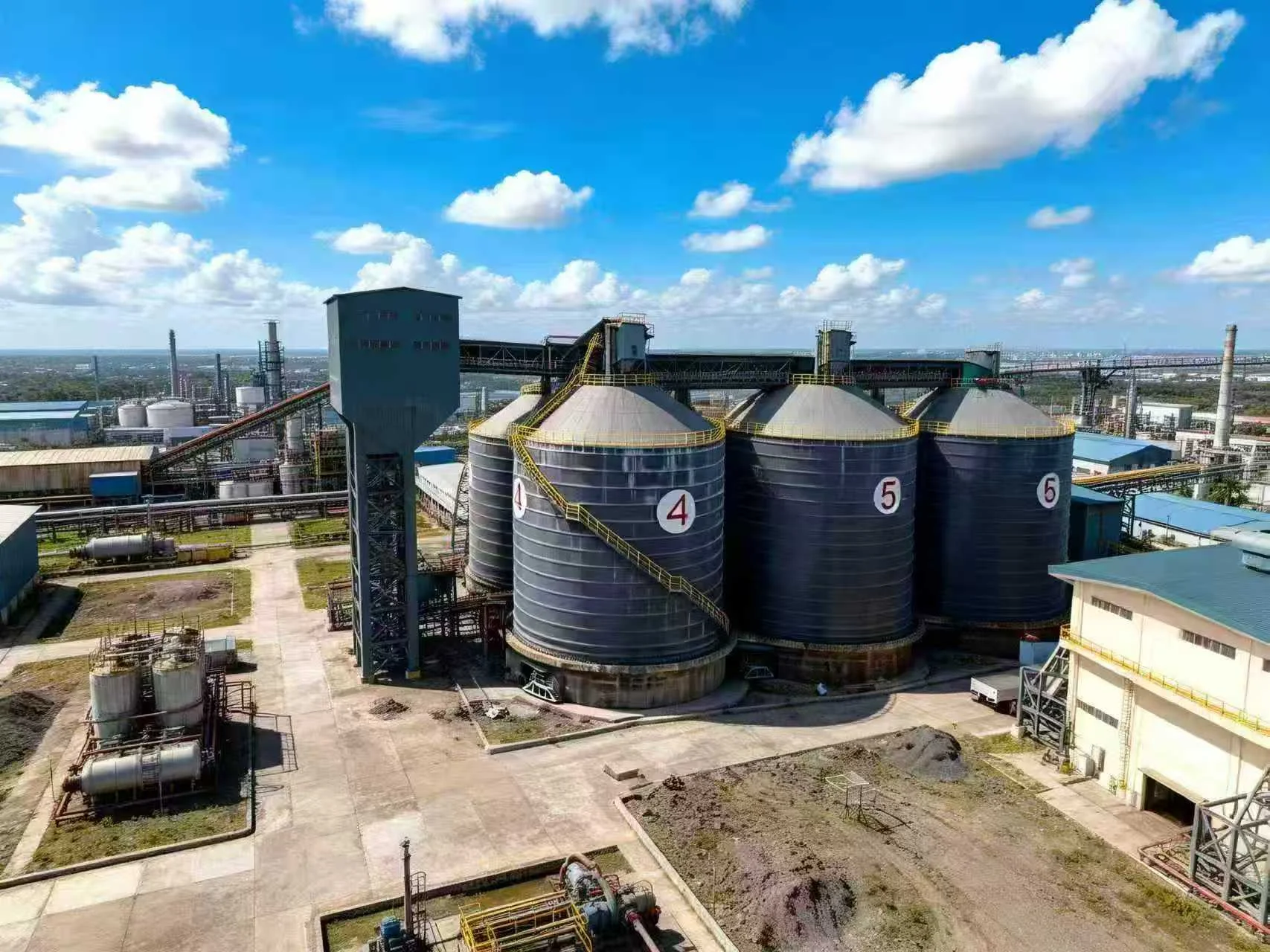
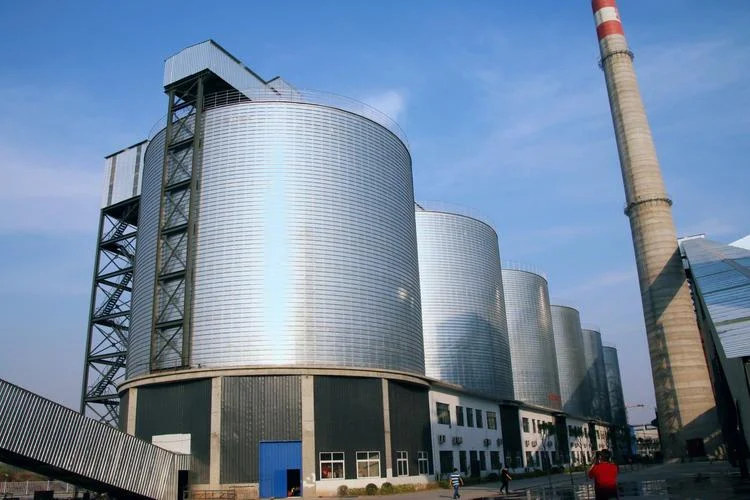


Industrial grain storage silos are the unsung heroes of the modern agricultural supply chain, where design quality directly dictates grain loss rates and operational efficiency. This article offers a deep dive into the core components, critical technical specifications, and real-world applications of these systems, providing actionable engineering insights to maximize both safety and economic returns. Whether you are managing a farm cooperative or a large-scale grain terminal, understanding these fundamentals is essential for protecting your valuable harvest.
Core Components and Functional Analysis of Industrial Grain Storage Silos
A complete industrial grain storage silo system is far more than a single container—it is an integrated assembly of several subsystems working in concert. The main structure is typically fabricated from either galvanized steel or concrete. Galvanized steel is the preferred choice for medium and small-scale projects due to its excellent corrosion resistance and rapid construction cycle, which can significantly reduce project timelines. Concrete, on the other hand, offers superior performance for large-capacity, long-service-life applications where structural mass and durability are paramount. The silo wall must be engineered to withstand both the lateral pressure exerted by the stored grain and external forces like wind loads. Wall thickness and stiffener design must be precisely calculated based on the bulk density of the stored material—for example, corn at approximately 720 kg/m³ and wheat at 770 kg/m³. These calculations are foundational to preventing structural failure and ensuring long-term reliability.
The roof system serves as more than just a rain barrier; it must integrate ventilation ports and access hatches to prevent condensation and subsequent mold growth, which can ruin entire batches of grain. Foundation engineering is equally critical, as it must account for soil bearing capacity and seismic design parameters. Common solutions include raft foundations for uniform soil conditions or pile foundations for weaker soils, ensuring overall structural stability. The discharge system is the critical determinant of operational efficiency. Screw conveyors are ideal for free-flowing granular materials like corn, while vibratory feeders can handle materials prone to bridging, such as high-moisture grains. Modern silos commonly employ a "center discharge plus bottom sweep auger" combination, achieving residual rates below 0.5%, meaning almost no grain is left behind. Furthermore, temperature monitoring systems and level indicators have become standard equipment, providing real-time data feedback that enables proactive management of grain quality and inventory.
How to Mitigate Grain Spoilage and Optimize Storage Conditions
One of the most significant challenges in grain storage is spoilage caused by moisture, temperature fluctuations, and pest infestation. A well-designed silo system directly addresses these risks through integrated aeration and monitoring technologies. The key is to maintain a uniform temperature and moisture profile throughout the grain mass. Without proper ventilation, temperature differentials can cause moisture migration, leading to hotspots and mold development. This is where the design of the aeration system—including duct layout, fan capacity, and airflow direction—becomes critical. Operators must understand that aeration is not just about moving air; it is about moving the right amount of air at the right time to cool the grain and equalize conditions.
Temperature monitoring cables, strategically placed within the silo, provide continuous data on grain condition. When a temperature rise is detected, it often signals the onset of spoilage or insect activity, allowing for immediate intervention. Similarly, level indicators prevent overfilling and ensure accurate inventory management. By integrating these sensors with a central control system, operators can automate aeration schedules and receive alerts, significantly reducing manual labor and human error. This proactive approach not only preserves grain quality but also extends storage duration, giving farmers and traders greater flexibility in marketing their product.
Selecting the Right Material: Galvanized Steel vs. Concrete
The choice between galvanized steel and concrete is one of the most consequential decisions in silo design. Galvanized steel offers a lower initial cost, faster erection, and excellent resistance to corrosion, making it ideal for temporary or medium-term storage. However, it has a lower thermal mass, meaning internal temperatures can fluctuate more with ambient conditions. Concrete silos, while more expensive and time-consuming to construct, provide superior insulation, a longer lifespan (often exceeding 50 years), and greater resistance to physical damage. For permanent installations handling high-value grains, concrete is often the preferred choice despite the higher upfront investment.
Optimizing the Discharge System for Maximum Efficiency
The discharge system is the heart of silo operations. A poorly designed system can lead to bridging, ratholing, and significant product loss. The modern standard is the "center discharge plus bottom sweep auger" combination. The center discharge allows for gravity flow of the main grain mass, while the sweep auger rotates at the bottom to collect the remaining grain, pushing it toward the central outlet. This design achieves residual rates below 0.5%, a benchmark for operational excellence. When selecting components, consider the material's flow characteristics—free-flowing grains like soybeans work well with screw conveyors, while sticky or irregular materials may require vibratory feeders or specialized hopper designs.
Key Takeaways
- Key Data: Modern silo discharge systems can achieve residual rates below 0.5%, dramatically reducing grain waste.
- Best Practice: Always integrate temperature monitoring and aeration systems to proactively manage grain quality and prevent spoilage.
- Watch Out For: Underestimating the impact of bulk density on wall pressure—failing to account for material-specific values (e.g., wheat at 770 kg/m³ vs. corn at 720 kg/m³) can lead to structural failure.
- Pro Tip: For large-scale projects, consider concrete silos for their superior insulation and longevity, even though the upfront cost is higher.
- Bottom Line: A grain storage silo is an integrated system; success depends on the careful coordination of structure, discharge, aeration, and monitoring subsystems.
Real-World Applications: From Farm to Global Commodity Trading
Industrial grain storage silos are deployed across a wide spectrum of applications, from on-farm storage to massive port terminals. On farms, small-to-medium galvanized steel silos provide cost-effective storage, allowing farmers to delay sales and capture better market prices. At inland collection points and processing facilities, larger silos buffer supply and demand, ensuring a steady flow of raw materials for mills, breweries, and ethanol plants. The most demanding applications are at export terminals, where concrete silos with capacities exceeding 100,000 tonnes are common. These facilities require sophisticated automation, high-capacity conveying systems, and rigorous safety protocols to handle the rapid loading of ships. In all cases, the core principles of structural integrity, efficient discharge, and environmental control remain paramount.
The economic impact of proper silo design is substantial. Reducing post-harvest losses from 10% to below 1% through modern storage systems can significantly improve a producer's bottom line. Furthermore, maintaining grain quality—specifically moisture content and test weight—ensures that the product meets the stringent specifications of international buyers, commanding premium prices. For EPC (Engineering, Procurement, and Construction) projects, a holistic approach is essential, considering not just the silos themselves but also the receiving, cleaning, drying, and conveying equipment that forms the complete handling system. This integrated perspective minimizes bottlenecks and optimizes the entire supply chain.
Frequently Asked Questions
Q: How does the bulk density of different grains affect the design of a silo wall?
A: Bulk density is a primary input for calculating lateral pressure on silo walls. Hea
vier grains, like wheat (approx. 770 kg/m³), exert more pressure than lighter grains, like corn (approx. 720 kg/m³). Engineers must use the specific bulk density of the intended stored material to determine the required wall thickness, stiffener spacing, and overall structural reinforcement. Using a generic value could lead to under-design and potential wall failure, especially in large-diameter or tall silos. The design must also account for dynamic pressures during filling and discharge, which can be significantly higher than static pressures.Q: What is the primary cause of grain spoilage in a sealed silo, and how can it be prevented?
A: The primary cause is moisture migration driven by temperature differentials within the grain mass. As the outside temperature cools, the grain near the silo wall cools, creating a convection current that moves warm, moist air from the center to the top, where it condenses. This condensation creates a localized high-moisture zone, perfect for mold and insect growth. Prevention relies on a properly designed aeration system that forces cool, dry air through the grain to equalize temperatures. Continuous temperature monitoring is also critical to detect hotspots early, allowing for targeted aeration or other corrective actions before spoilage becomes widespread.
Q: Why is the "center discharge plus bottom sweep auger" combination considered the gold standard for grain silos?
A: This combination addresses the fundamental challenge of complete grain evacuation. The center discharge allows the main bulk of the grain to flow out by gravity, which is fast and efficient. However, a cone of material always remains at the bottom. The bottom sweep auger rotates around the silo floor, pushing this remaining grain toward the central outlet. Together, they achieve residual rates below 0.5%, meaning almost no grain is left behind. This is critical for preventing cross-contamination between batches, reducing waste, and eliminating the need for manual clean-out, which is dangerous and labor-intensive.
Q: What are the key differences between using a screw conveyor and a vibratory feeder for silo discharge?
A: The choice depends on the material's flow characteristics. Screw conveyors are ideal for free-flowing, granular materials like corn, wheat, and soybeans. They offer a controlled, metered flow and can be enclosed for dust control. Vibratory feeders, on the other hand, are better suited for materials that are sticky, fibrous, or prone to bridging, such as high-moisture grains or certain processed feeds. The vibration helps to break up bridges and maintain a consistent flow. However, vibratory feeders are generally less effective at metering flow precisely and may have higher maintenance costs due to the vibrating mechanism.
Q: How do foundation requirements differ between a small farm silo and a large port terminal silo?
A: The scale of the load is the primary difference. A small farm silo (e.g., 100 tonnes) can often be placed on a simple reinforced concrete pad, provided the soil bearing capacity is adequate. A large port terminal silo (e.g., 100,000 tonnes) exerts enormous loads on the ground. These projects require a detailed geotechnical investigation to determine soil properties. If the soil is weak, a pile foundation is typically required to transfer the load to deeper, more competent strata. For stronger soils, a massive raft foundation may suffice. Seismic design is also a critical consideration for large silos in earthquake-prone regions, requiring specialized engineering analysis.
Need expert manxingsilos solutions for your grain storage project?
We provide professional design, manufacturing, and installation services for bulk storage and material handling systems worldwide. From small farm silos to large-scale EPC projects, our team delivers engineered solutions that maximize your operational efficiency and return on investment.
Get a Free Technical Consultation →