
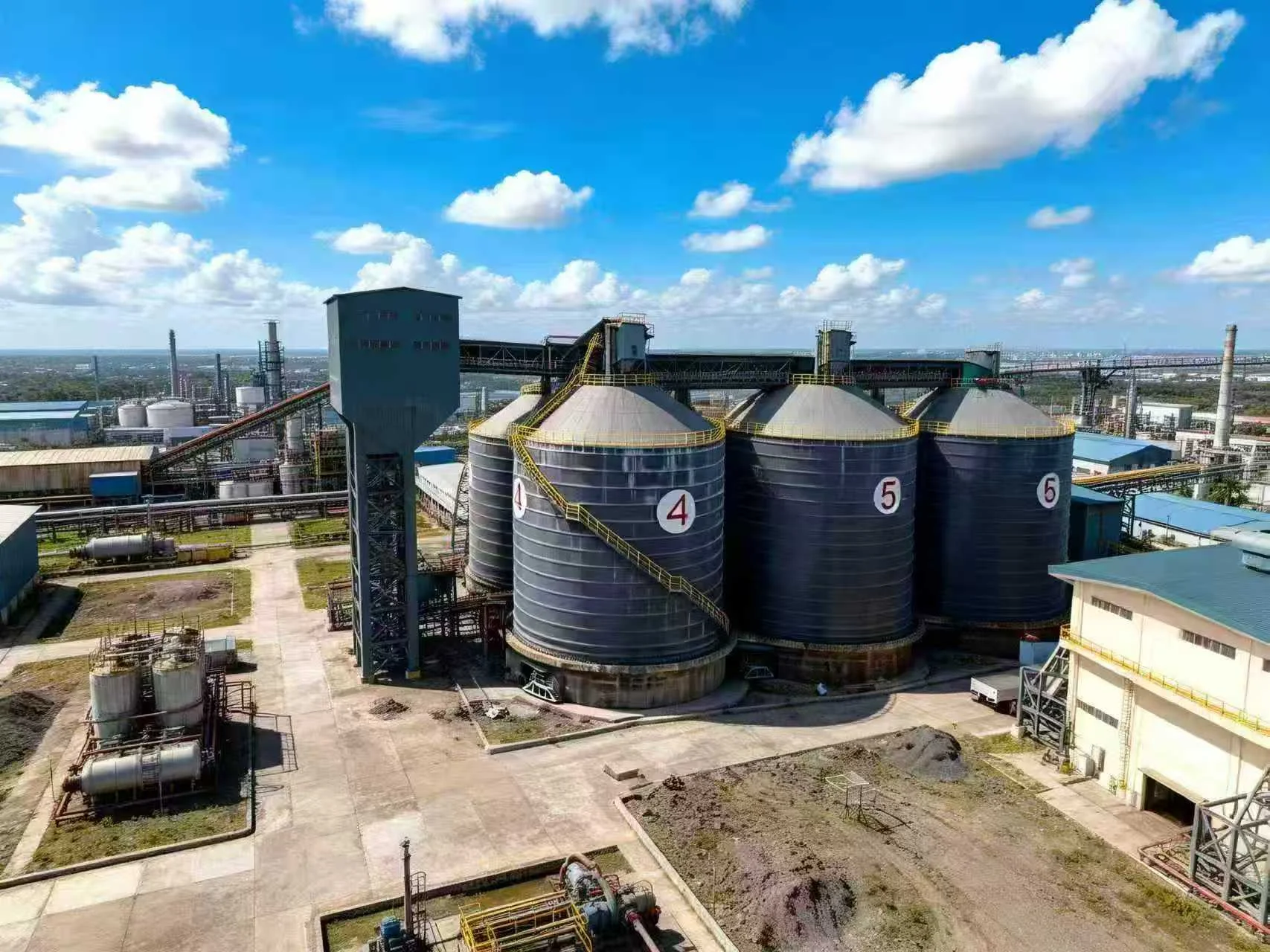
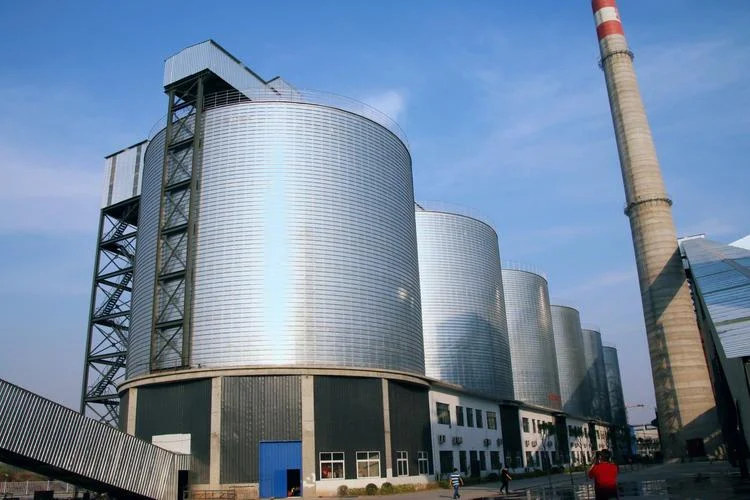


Coal is the only common bulk material that can spontaneously combust inside your storage silo. A poorly ventilated coal silo with 15%+ moisture content can reach ignition temperature in as little as 72 hours. Getting the design right is not about optimization - it is about preventing a catastrophe.
Key Takeaways
- Core Data Point: Coal self-ignition risk increases exponentially above 30\u00b0C internal temperature. A properly designed coal silo maintains internal temperature below 25\u00b0C through a combination of ventilation, aeration, and temperature monitoring at multiple zones.
- Best Practice: Install CO and temperature sensors at 3 height levels (top, middle, bottom) and 4 radial positions in any coal silo over 500 tonnes. Early detection of hot spots prevents 90% of coal silo fires.
- Risk Alert: Never store freshly mined coal (above 40\u00b0C) directly into a steel silo without cooling. Thermal shock weakens welds and the rapid temperature differential creates condensation that accelerates oxidation.
Why Coal Demands Special Silo Engineering
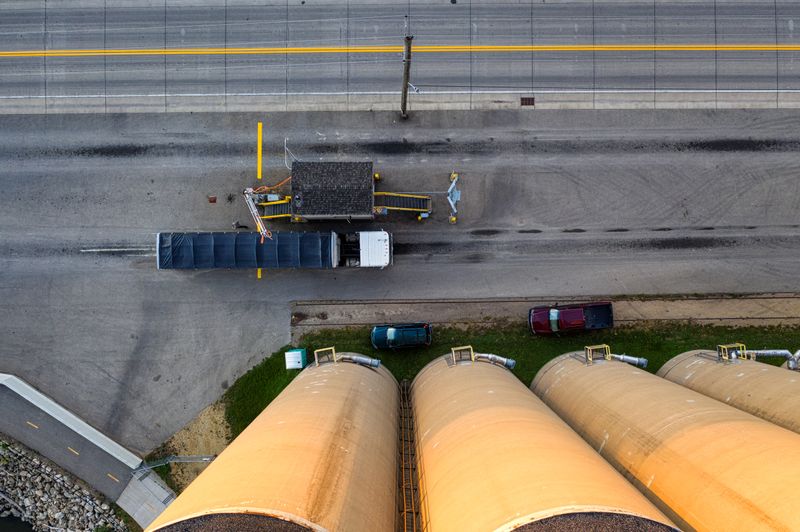
Coal is not just another bulk solid. It presents four unique challenges that standard silo designs cannot handle:
- Spontaneous combustion: Coal oxidizes at ambient temperature, generating heat. In a confined silo, this heat accumulates faster than it dissipates, eventually reaching ignition temperature (typically 150-300\u00b0C depending on coal rank).
- Moisture sensitivity: Coal absorbs and releases moisture depending on humidity. Wet coal (above 15% total moisture) dramatically increases self-heating risk and causes flow problems (arching, rat-holing).
- Particle degradation: Coal breaks down during handling, creating fines that increase dust explosion risk and reduce flowability. A coal silo design must account for the worst-case particle size distribution after handling.
- Methane emission: Freshly mined coal releases methane. In an enclosed silo, methane accumulation creates explosion risk. Proper ventilation is non-negotiable.
Coal Silo Types and Applications
Flat-Bottom Silos with Live-Bottom Extraction
The most common configuration for large coal storage. The flat bottom accommodates multiple discharge points (typically 4-8) with mechanical extractors (screw reclaimers or vibratory feeders) that activate sequentially to achieve mass-flow discharge. Key specifications:
- Capacity: 1,000-30,000 tonnes
- Diameter: 10-30 meters
- Height: 15-40 meters
- Discharge: Screw reclaimers or drag-chain feeders
- Ventilation: Forced-air aeration through the reclaim tunnel
Hopper-Bottom Silos
For smaller coal storage applications (under 5,000 tonnes), conical hopper-bottom silos offer gravity discharge without mechanical equipment. The hopper angle must exceed the coal's effective angle of internal friction (typically 35-45\u00b0 for bituminous coal):
- Capacity: 100-5,000 tonnes
- Hopper angle: 45-60\u00b0 from horizontal
- Outlet: 600-1,200mm diameter with rack-and-pinion gate
- Best for: Coal preparation plants, small power stations
Enclosed Stockyards (Domical Silos)
For very large coal storage (10,000-100,000+ tonnes), enclosed stockyards with a dome roof provide the best cost-per-tonne ratio while maintaining environmental containment. These are essentially covered stockpiles with specialized reclaim equipment:
- Capacity: 10,000-100,000+ tonnes
- Structure: Steel or concrete dome with side walls
- Reclaim: Scraper reclaimers, bucket-wheel reclaimers, or front-end loaders
- Best for: Coal mines, power plants, coal terminals
Fire Prevention Systems for Coal Silos
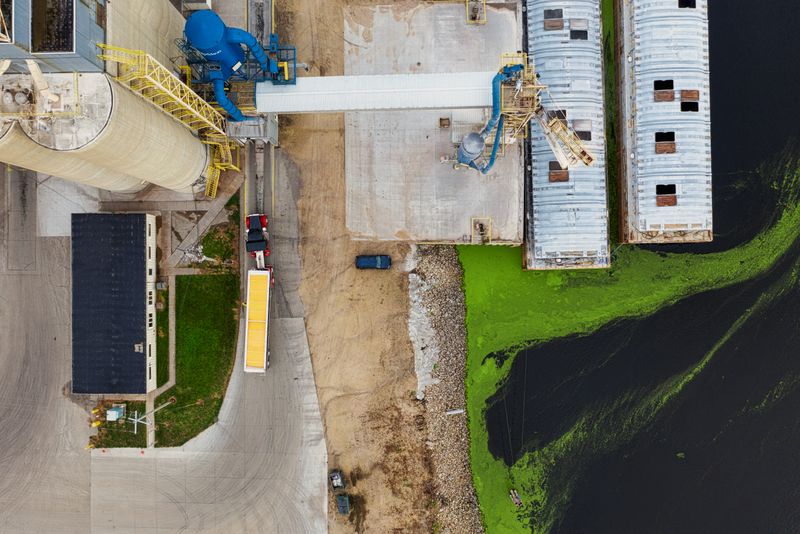
The fire prevention system is the single most critical subsystem in any coal silo. A multi-layer approach is essential:
Layer 1: Temperature Monitoring
Thermocouple arrays at multiple zones within the silo, connected to a SCADA system with automatic alarm thresholds:
- Normal: Below 25\u00b0C
- Caution: 25-40\u00b0C - increase ventilation, investigate source
- Alarm: 40-60\u00b0C - activate CO monitoring, prepare CO2 injection
- Critical: Above 60\u00b0C - emergency discharge, activate suppression
Layer 2: Inert Gas Injection
CO2 or N2 injection system that can flood the silo headspace or specific zones to suppress combustion. The system must be able to reduce oxygen concentration below 5% within 30 minutes of activation.
Layer 3: Ventilation and Aeration
Forced ventilation maintains air circulation to remove heat and methane. For flat-bottom silos, aeration pads in the reclaim tunnel create upward airflow through the coal bed, preventing stagnant zones where heat accumulates.
Coal Silo Discharge Design
Coal is notoriously difficult to discharge reliably. Its cohesive strength increases with time under load, and moisture variations create unpredictable bridging. Effective discharge solutions include:
- Air cannon systems: Strategically placed air cannons (6-12 units per silo) deliver high-pressure air bursts to break bridging and rat-holing. See our detailed guide on air cannon applications.
- Vibratory bin activators: Mechanical vibration applied to the hopper section to promote flow. Effective for small to medium silos but requires structural reinforcement.
- Live-bottom reclaim: Multiple screw or drag-chain reclaimers across the silo floor, creating a uniform draw pattern that prevents dead zones.
Bottom Line
A coal silo is not just a container - it is an active system that must manage heat, moisture, gas, and flow simultaneously. Cutting corners on ventilation, temperature monitoring, or discharge design does not save money; it creates fire risk, production downtime, and potential regulatory shutdown. The best coal silo designs treat fire prevention as the primary design driver, not an afterthought.