
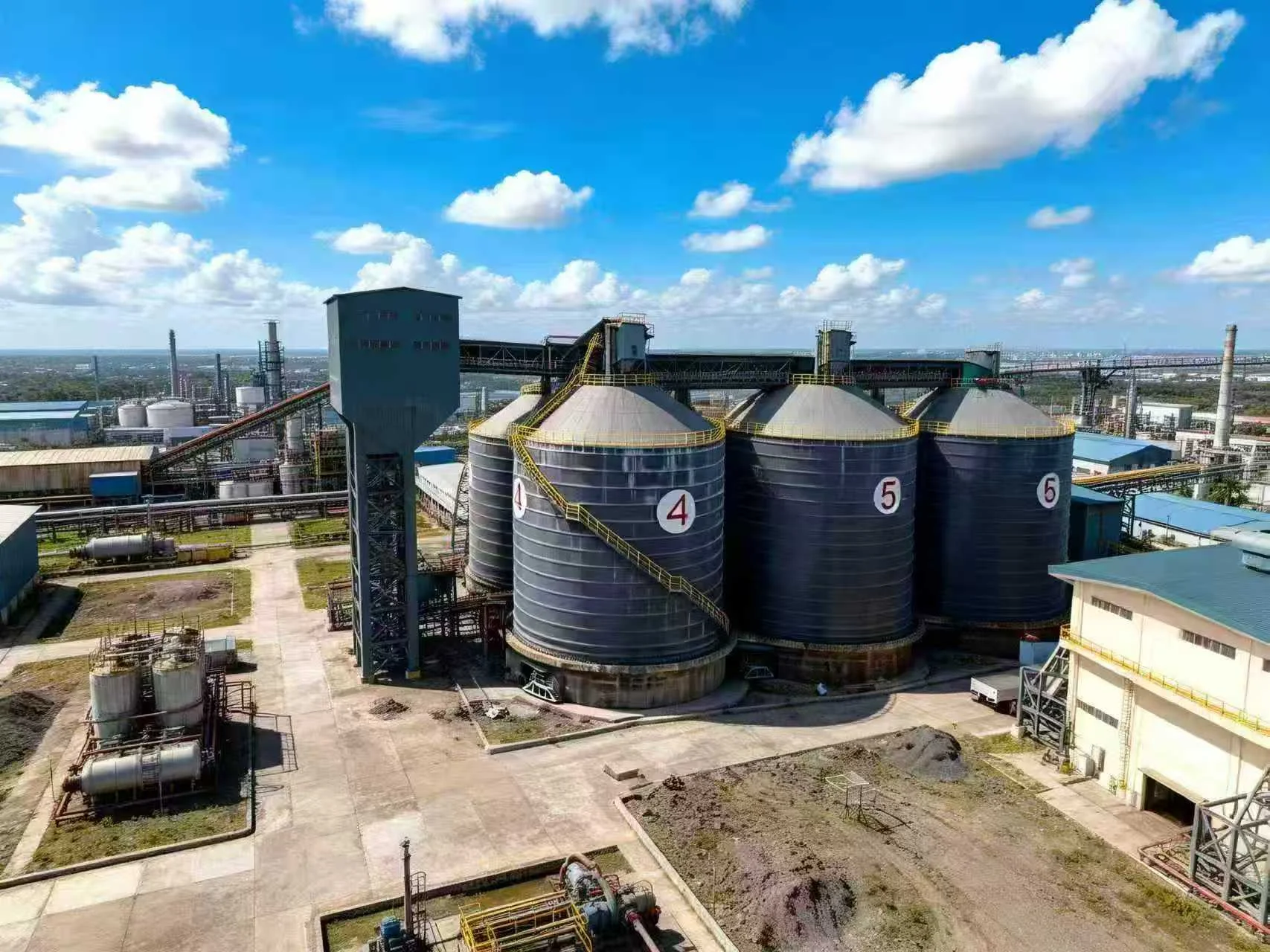
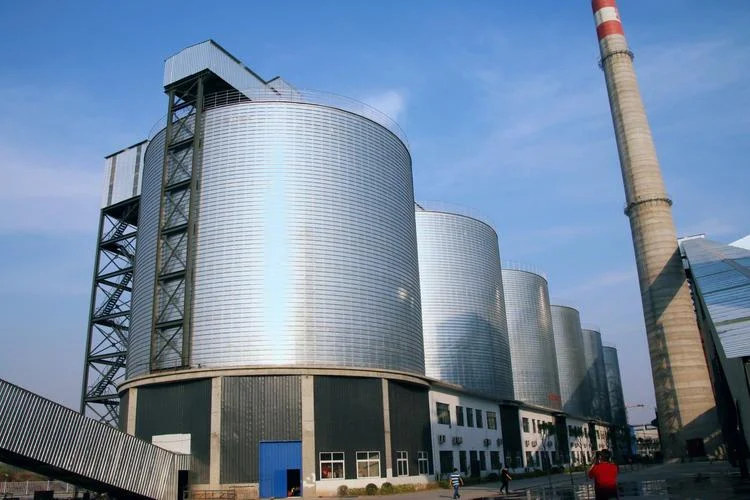


Differential settlement of a grain silo foundation isn't a question of "if" but "when" for many operations, with over 30% of reported structural issues in steel silo terminals traced back to uneven ground movement. Ignoring early warning signs can lead to catastrophic bin failure, but with systematic monitoring and proven intervention techniques, most settlement scenarios are manageable without a complete rebuild.
Understanding Grain Silo Foundation Settlement: Causes and Warning Signs
Foundation settlement in grain storage silos typically manifests as either uniform (overall sinking) or differential (tilting or racking). The latter is far more dangerous. In our field experience working with welded steel silos, the primary culprits are inadequate soil compaction, improper drainage leading to soil saturation, and subsurface voids from decaying organic material or old utility trenches. A typical 10,000-tonne steel silo exerts a ground pressure of 150–200 kPa; when this load is unevenly distributed due to a soft spot in the subgrade, the ring foundation can crack or the silo shell can ovalize.
Early indicators include doors that stick or fail to seal, visible gaps between the silo skirt and concrete plinth, and cracks in the discharge chute area. We strongly recommend installing settlement markers—simple stainless steel bolts embedded in the foundation—at eight equidistant points around the silo perimeter. Monthly level surveys with an optical level (accuracy ±1 mm) provide the baseline data needed to detect movement before it becomes structural. For operations handling multiple materials, the same monitoring principles apply whether you are storing grain, cement, or fly ash in a silo.
Monitoring Techniques: From Manual Surveys to Real-Time Sensors
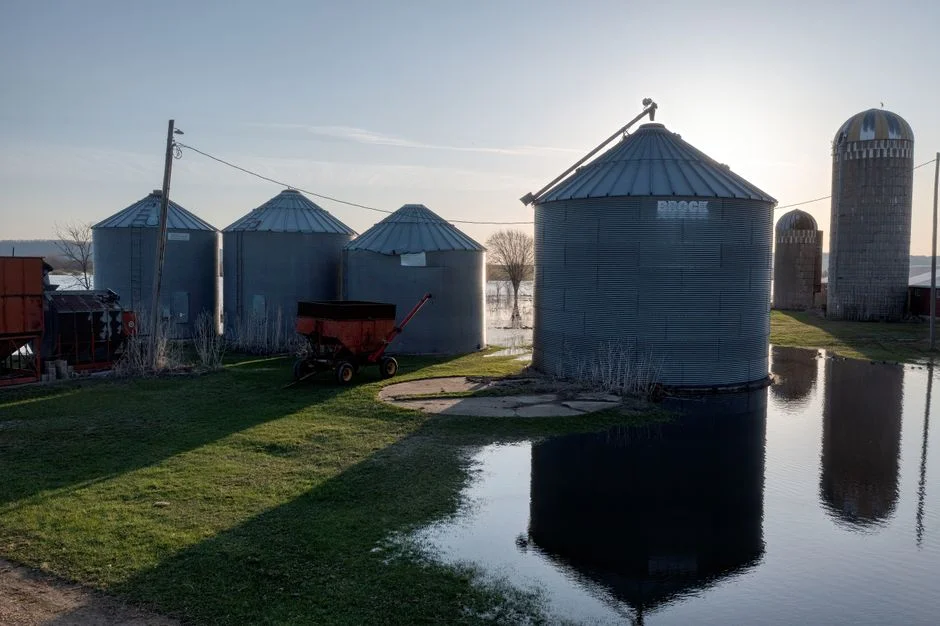
Effective monitoring is the cornerstone of proactive foundation management. The industry standard remains the periodic optical level survey, but for high-risk installations or sites with known compressible soils, we now deploy vibrating wire piezometers and tiltmeters. These sensors provide continuous data streams, alerting operators to settlement rates exceeding 10 mm per month—a threshold that demands immediate intervention. Data loggers with cellular telemetry eliminate the need for manual readings, reducing labor costs by up to 60% while improving data density.
Selecting the Right Monitoring Frequency and Baseline
For new installations, establish a baseline survey immediately after foundation curing, then survey monthly for the first two years. After stabilization, quarterly surveys suffice unless unusual loading events occur—such as a rapid fill cycle or seismic activity. We have seen cases where a single 24-hour heavy rain event caused 15 mm of differential settlement in a silo with inadequate perimeter drainage. The key metric to track is the differential between the highest and lowest foundation point; most engineering standards for steel silos allow a maximum tolerable differential of 1:500 (e.g., 20 mm over a 10-meter diameter ring).
Common Pitfalls in Settlement Data Interpretation
A frequent mistake is averaging settlement readings across all points. This masks dangerous localized tilting. Always plot the elevation of each marker individually on a polar chart. Another oversight is failing to correlate settlement data with stored material weight. If a silo settles 5 mm when empty but 18 mm when full, the foundation is experiencing elastic compression rather than plastic failure—a critical distinction that determines whether corrective action is needed. For safe storage of wood pellets in steel silos, where moisture can exacerbate soil issues, this correlation becomes even more vital.
Key Takeaways
- Core Data Point: Over 30% of structural steel silo failures originate from unrecognized differential settlement, not from silo shell defects.
- Best Practice: Install eight permanent settlement markers and conduct monthly optical surveys for the first two years post-construction.
- Risk Alert: A differential settlement rate exceeding 10 mm per month requires immediate load reduction and professional geotechnical assessment.
Correction Methods: Grouting, Jacking, and Foundation Reinforcement
When settlement exceeds tolerable limits, intervention is necessary. The most common corrective technique is pressure grouting—injecting a cementitious or polyurethane grout into the soil beneath the settled side of the foundation. Polyurethane resins are preferred for their rapid strength gain (80% of final strength within 15 minutes) and low viscosity, allowing them to penetrate fine sands and silts. The process requires careful control: injection pressures typically range from 5 to 15 bar, with real-time monitoring of foundation lift using dial gauges. Over-grouting can lift the silo beyond its original elevation, introducing new stresses.
For severe cases where the silo has tilted more than 1:200, synchronized hydraulic jacking may be necessary. This involves installing a ring of flat-jacks between the silo skirt and the existing foundation, then lifting the entire structure back to level. The operation demands precise coordination—we have supervised projects where 24 jacks were controlled from a single manifold, lifting a 3,000-tonne grain silo by 45 mm over six hours. After jacking, the gap is packed with non-shrink grout, and the jacks are removed or left in place as permanent supports. When evaluating new projects, consulting a buyer's guide for welded steel silos can help you select designs that facilitate future foundation access and repair.
Frequently Asked Questions
Q: Can we continue operating a grain silo while performing pressure grouting for foundation settlement?
A: Generally, no. The dynamic loading from material movement and the vibration caused by injection equipment can compromise the grout's bond with the soil. We recommend emptying the silo to at least 30% of capacity during grouting operations. For polyurethane grouting, the silo can often be refilled within 24 hours after injection, but for cementitious grouts, a minimum 7-day cure is required before full re-loading.
Q: How do we differentiate between seasonal soil heave and permanent foundation settlement in a steel silo?
A: Seasonal heave is typically cyclic—the foundation rises in wet seasons and settles in dry ones, with the net movement over a year being near zero. Permanent settlement shows a monotonic trend on your survey charts. The most reliable diagnostic is to plot cumulative movement over 12 months. If the data shows a consistent downward drift of more than 5 mm per year without seasonal recovery, you are dealing with permanent consolidation. Installing a deep benchmark (driven to bedrock or stable soil) provides an absolute reference point for this analysis.
Looking for Professional Silo Storage Solutions?
We provide customized design, manufacturing, and installation services for steel silo systems worldwide.
Get Your Free Technical Consultation →