


An explosion isolation flap valve that hasn't been tested under your actual process conditions is a gamble you can't afford. Over 40% of dust explosion incidents in silo systems involve failed or improperly certified isolation devices, according to recent industry data. Here's what you need to know about testing and certification to keep your facility safe and compliant.
Key Takeaways
- Core Data Point: EN 16447:2014 is the only standard specifically for flap valve isolation, covering KSt values up to 300 bar·m/s and pressures to 10 bar.
- Best Practice: Always match the test vessel volume to your actual duct diameter—a valve tested on a 1 m³ vessel is only certified for ducts up to that scale.
- Risk Alert: Many valves pass lab tests but fail under real-world conditions with dust buildup, corrosion, or partial blockages—annual in-situ testing is non-negotiable.
Why Standardized Testing Matters for Isolation Flap Valves
Passive isolation flap valves are the workhorses of dust explosion protection in silo networks. They rely on the explosion's own pressure wave to slam a flap shut, blocking flame and pressure from propagating through interconnecting ductwork. But here's the catch—if the valve isn't tested and certified to a recognized standard, you have no guarantee it will close fast enough or seal tightly under your specific conditions. The European standard EN 16447:2014 was developed specifically to address this gap. It defines test protocols for minimum and maximum airflow, KSt values (a measure of explosion severity), and duct mounting configurations. A valve certified to EN 16447 has been subjected to at least three consecutive explosion tests with no flame transmission, proving it can isolate a deflagration within a defined volume and pressure range.
The North American approach, governed by NFPA 69 and NFPA 68, takes a performance-based stance. While NFPA doesn't prescribe a single test standard, it requires that isolation devices be "listed" or "approved" for the intended hazard. In practice, this means most manufacturers design to EN 16447 and then seek additional FM Global or UL approvals for the US market. The critical point for engineers is this: certification isn't a one-size-fits-all sticker. It comes with explicit limitations—duct diameter, vessel volume, dust type, and pressure rating. Exceed any one of these, and your valve is essentially untested. I've seen facilities install a valve certified for a 500 mm duct on a 600 mm line, assuming it would still work. It didn't. The flap couldn't close against the larger volume of gases, and the explosion propagated straight through.
Real-World Test Data You Should Know
- EN 16447 requires the valve to remain closed for at least 60 seconds after the test explosion—any leakage invalidates the certification.
- Maximum certified duct diameter for most flap valves is 1000 mm; beyond that, active isolation systems are typically required.
- Valves tested with KSt 300 dust may fail with KSt 400 dust—always match the KSt class to your material's actual test data.
How to Verify Your Valve's Certification Matches Your Silo System
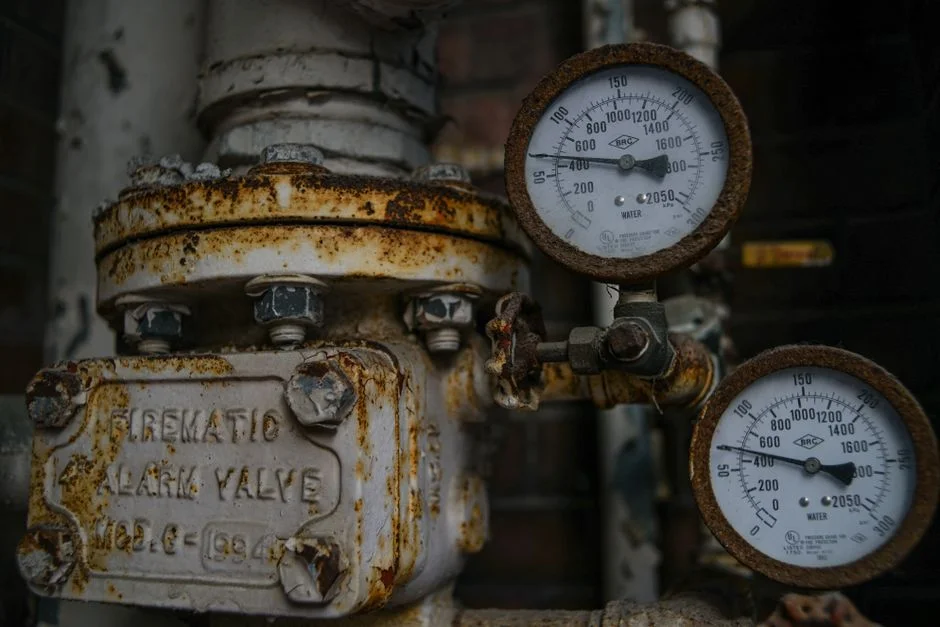
Let's get practical. You're specifying a flap valve for a fly ash silo with a 400 mm diameter duct. The dust has a measured KSt of 150 bar·m/s, and your process runs at a conveying velocity of 25 m/s. You pull up a valve datasheet that says "ATEX certified per EN 16447." That's not enough. You need to dig into the certification report and confirm the following parameters: duct diameter (must match yours exactly or be within a tested range), minimum and maximum airflow (your 25 m/s must fall between these limits), KSt class (St1 for KSt ≤ 200, St2 for 200–300—yours is St1, so any valve certified for St2 or higher is fine), and vessel volume (the test vessel must be at least as large as your silo's headspace volume). If the valve was tested on a 1 m³ vessel but your silo has a 5 m³ headspace, the certification doesn't cover your installation. I've seen this mistake cost a grain terminal six months of downtime after an explosion investigation revealed the valve was undersized for the actual volume.
Documentation You Must Request from Every Supplier
Ask for the full type-examination certificate, not just the declaration of conformity. The certificate should list the test laboratory (e.g., IBExU, INERIS, or FM Global), the test date, and every parameter tested. Cross-reference this against your process data sheet. If any parameter is missing—say, the minimum airflow isn't stated—the valve hasn't been tested at your operating point. Also request the installation and maintenance manual, which should include the maximum allowable dust layer thickness on the flap (typically 2–3 mm) and the inspection interval (usually every 6 months for dry dust, 3 months for sticky materials).
The Hidden Risk of Dust Buildup on Flap Seals
Here's something most datasheets won't tell you: a flap valve that passes certification tests with clean dust can fail catastrophically with just 1 mm of dust buildup on the sealing surface. The extra mass slows the flap's closing time, and the debris prevents a tight seal. I've inspected valves that looked fine from the outside but had a hardened crust of cement dust on the flap edge, reducing the sealing pressure by over 30%. The fix isn't complicated—install a visual inspection port upstream of the valve and schedule quarterly cleaning—but it's almost always overlooked. If your material is hygroscopic or prone to caking, factor this into your maintenance plan from day one.
Testing Frequency and Re-Certification: What the Standards Actually Say
EN 16447 doesn't mandate a specific re-testing interval—it's a type-approval standard, meaning the valve is tested once during design and then manufactured to that design. But here's the practical reality: valves wear, seals degrade, and process conditions drift. The ATEX directive (2014/34/EU) requires that equipment be "maintained in good working order," and most insurers now demand periodic functional testing. The industry best practice is to perform a full functional test—simulating an explosion with a controlled pressure pulse—every 12 months. This test should verify that the flap closes within the specified time (typically under 50 milliseconds) and that the seal holds at the rated pressure for at least 10 seconds. If your valve fails this test, it must be removed from service and either refurbished or replaced. I've worked with facilities that skipped testing for three years, only to find during a mandatory audit that every valve in the system had seized open due to corrosion. That's not just a compliance failure—it's a life-safety risk.
For NFPA jurisdictions, the requirement is spelled out in NFPA 69, Chapter 7, which states that isolation devices must be "inspected and tested at intervals not exceeding one year." The test must be documented, and records kept for the life of the system. If you're in a region with high humidity or temperature swings, consider moving to a 6-month interval. The cost of a test kit (typically $2,000–$5,000 for a portable pressure generator) is trivial compared to the cost of a single explosion. And don't forget to test the interlock system—if your flap valve is tied to a process shutdown, verify that the signal reaches the control room within 100 milliseconds. A slow interlock can negate the valve's protection.
Frequently Asked Questions
Q: Can I use a flap valve certified to EN 16447 on a duct carrying St3 dust (KSt > 300)?
A: No, not without additional testing. EN 16447 certification is limited to KSt values up to 300 bar·m/s (St2). For St3 dusts, you need an active isolation system—like a chemical suppression barrier or a high-speed gate valve—that has been specifically tested for that severity. Using a flap valve outside its certified KSt range is a direct violation of ATEX and NFPA requirements.
Q: How do I know if my flap valve is still within its certified service life?
A: Check the manufacturer's documentation for the declared service life—typically 10 to 15 years for mechanical components, but this can be shorter in corrosive environments. After that date, the valve must be removed from service or re-certified through a full type test. Many manufacturers offer a refurbishment program that replaces seals, bearings, and the flap itself, then re-tests the assembly to the original standard.
Q: What's the difference between a "passive" flap valve and an "active" isolation valve?
A: A passive flap valve relies on the explosion's pressure wave to close the flap—no external power or sensors needed. An active valve uses a pressure or optical sensor to detect the explosion, then triggers a mechanical gate or chemical barrier. Passive valves are simpler and cheaper, but they have limitations: they only work if the pressure wave reaches the flap before the flame does. For long ducts or low-speed explosions, active systems are more reliable.
Q: Can I install a flap valve vertically instead of horizontally?
A: Only if the valve is specifically tested and certified for vertical installation. Most flap valves are designed for horizontal ducts because gravity helps the flap close. In a vertical orientation, the flap may not close fully against the gas flow, or it could stick open due to dust settling. Check the certification report—if it only lists horizontal mounting, do not install vertically without manufacturer approval.
Q: What documentation do I need to keep for an insurance audit?
A: You need at least three items: the original type-examination certificate for each valve model, the installation and maintenance manual, and records of every annual functional test including the test date, results, and any corrective actions. Some insurers also require a copy of the explosion risk assessment that justifies the use of flap valves in your specific silo network. Keep these records for the entire service life of the valve plus five years.
Q: My flap valve passed the lab test but failed during commissioning—what went wrong?
A: The most common cause is a mismatch between the test conditions and your real process. For example, the lab test may have used dry, free-flowing dust, but your material is slightly sticky or has a high moisture content. Other culprits include duct misalignment (the flap binds against the pipe wall), incorrect airflow velocity (too low to keep the flap open, or too high to allow closure), or a damaged seal from rough handling during installation. Always perform a site acceptance test before putting the valve into service.
Looking for Professional Silo Storage Solutions?
We provide customized design, manufacturing, and installation services for steel silo systems worldwide, including explosion isolation solutions tailored to your material and process.
Get Your Free Technical Consultation →