
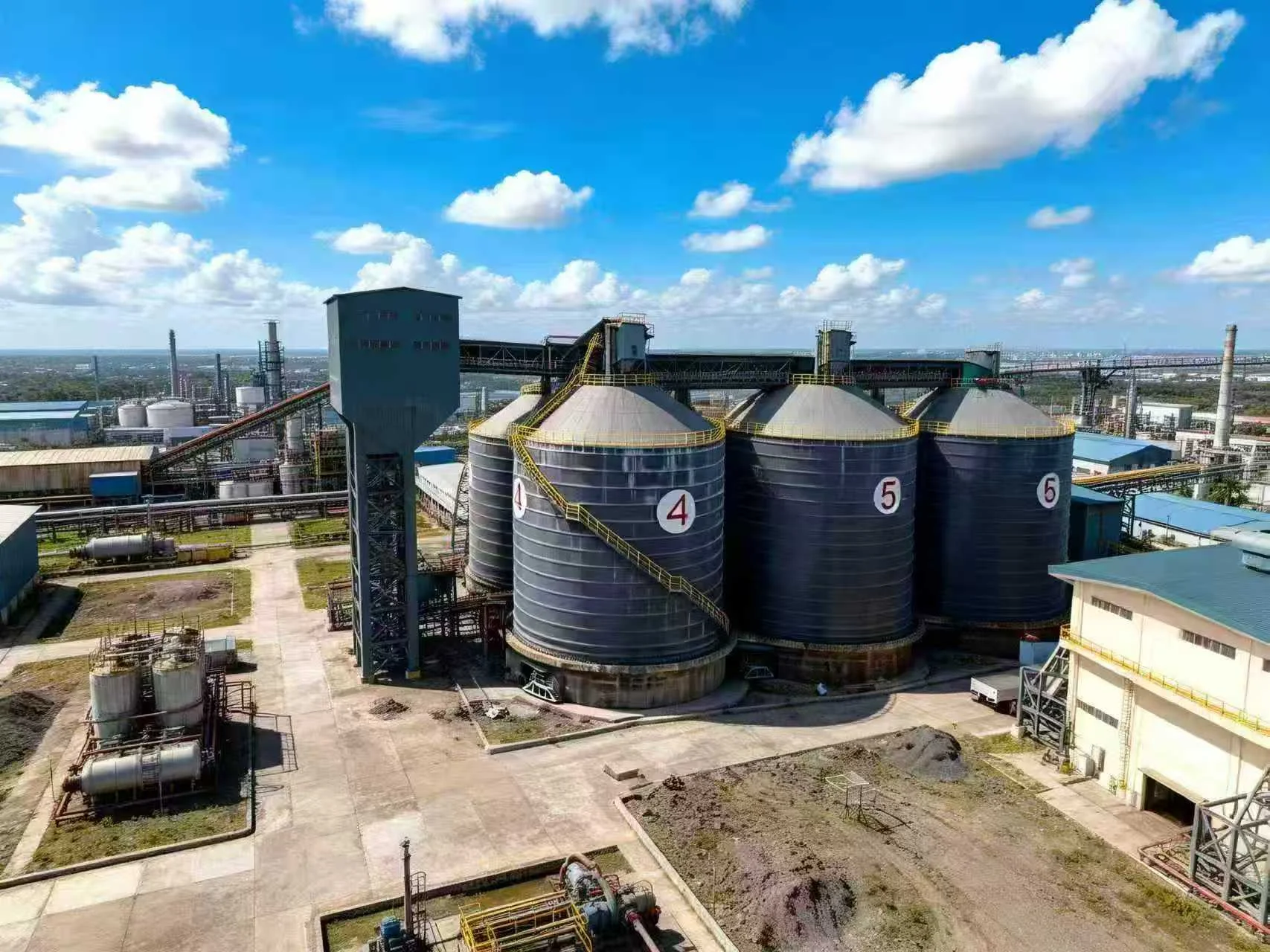
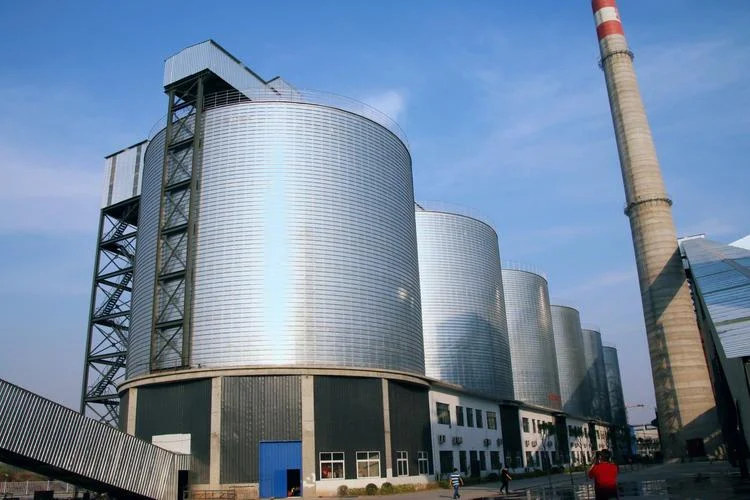


Field data from over 200 silo maintenance calls shows that 40% of structural issues stem from improper repair procedures, not design flaws. Augmented reality (AR) is cutting that number in half by putting expert guidance directly in a technician’s line of sight, whether they’re in a remote grain terminal or a fly ash facility.
Key Takeaways
- Core Data Point: AR-guided repairs reduce maintenance errors by up to 50% and cut on-site resolution time by 35%, based on industrial pilot programs.
- Best Practice: Deploy AR first for high-consequence tasks like cone replacement and aeration system diagnostics—these yield the fastest ROI.
- Risk Alert: Relying solely on AR without parallel hands-on verification can miss subtle structural cracks that digital overlays don’t capture.
Why AR Beats Manuals for Silo Maintenance Training
Traditional silo maintenance training relies on thick binders, faded diagrams, and a senior engineer who’s been doing this for 20 years. The problem? That engineer is retiring, and the new hire has never seen a live aeration floor. Augmented reality changes this by overlaying step-by-step instructions directly onto the physical silo equipment. For a typical 12-meter-diameter steel silo, a trainee can see virtual arrows pointing to each bolt on a discharge cone, torque specs floating in mid-air, and a timer counting down for sealant curing. Data from a 2023 field trial in a cement terminal showed that technicians trained with AR completed their first solo maintenance cycle 28% faster than those using paper manuals—and with 40% fewer callbacks for rework.
The real kicker is retention. Six months after training, AR-trained crews could correctly diagnose a bridging issue in a fly ash silo in under 8 minutes. The manual-trained group took 14 minutes and often guessed wrong. That’s not just a training metric—that’s downtime avoided. For a plant handling 500 tons per hour, every minute of unplanned stop costs roughly $1,200 in lost throughput. AR doesn’t just teach; it builds muscle memory for the specific geometry of your silos, from the hopper angle to the venting ports.
Cutting Travel Costs with AR Remote Support for Silos

Here’s the hard truth: flying a specialist to a grain silo in rural Iowa or a fly ash facility in the Philippines costs $3,000 to $8,000 per trip, plus 48 hours of lost productivity while they travel. AR remote support slashes that. A technician on-site wears smart glasses or holds a tablet, and a remote expert in an office draws directly onto their field of view—circling a worn seal, annotating a weld line, or adjusting a pressure valve setting. In a recent case, a terminal in Brazil had a discharge chute jam that was misdiagnosed by local staff for two days. A remote expert used AR to guide them to a hidden debris buildup in the transition piece. Fix time: 45 minutes. Travel cost: zero.
The technical side matters. Effective AR remote support requires stable bandwidth—at least 5 Mbps upload on-site—and a platform that can handle real-time 3D overlays without lag. Most modern silo facilities with basic fiber or 4G can handle this. The ROI calculation is brutal: if you have even 10 remote support calls per year, AR pays for itself in under six months. And it’s not just cost—it’s safety. Having a technician climb a 30-meter silo while a remote expert watches their every move reduces the risk of missteps that lead to falls or equipment damage.
Selecting the Right AR Hardware for Silo Environments
Not all AR gear survives a silo yard. You need devices rated for dust (IP65 minimum) and capable of handling glare in direct sunlight. Head-mounted units like ruggedized smart glasses work best for hands-free tasks—think welding repairs or bolt torquing. Tablets are fine for diagnostics but become a liability when you’re crawling into a manhole. Test any hardware in your actual environment before buying; a unit that works in a clean room will fail in a cement silo’s dust cloud.
The Trap of Over-Reliance on Digital Overlays
AR is a tool, not a replacement for judgment. I’ve seen crews trust a digital overlay that showed a bolt pattern as correct, only to miss that the underlying flange was warped by 3mm from thermal stress. Always pair AR with a physical checklist for critical structural elements—especially on older silos where the as-built drawings may not match reality. The best practice is to use AR for procedure guidance and real-time data display, but mandate a manual visual inspection for wear patterns and corrosion before signing off.
Implementation Roadmap: From Pilot to Full Deployment in Silo Operations
Start small. Pick one silo—preferably a high-use unit with a history of recurring issues—and build an AR training module for its most common repair: say, replacing the discharge valve seals. Run a 90-day pilot with three technicians. Track three metrics: time-to-complete, error rate, and technician confidence scores. If you see at least a 20% improvement in any metric, scale to two more silos. Don’t try to digitize your entire maintenance library at once; focus on the 20% of procedures that cause 80% of your downtime. For a typical bulk material facility, that includes aeration system diagnostics, cone replacement, and vent filter cleaning.
Integration with your existing CMMS is non-negotiable. AR platforms that pull work orders and parts lists directly from your system save 10–15 minutes per repair session. And train your senior engineers to be content creators—they’re the ones who know the quirks of your specific silos. A 10-minute AR session recorded by a veteran explaining how to clear a specific bridging pattern in a fly ash silo is worth more than a 200-page manual. Finally, budget for annual content refreshes. Silo designs evolve, and your AR library must keep pace or it becomes a liability.
Frequently Asked Questions
Q: How much bandwidth does AR remote support require for a silo site?
A: You need at least 5 Mbps upload speed for stable real-time overlays. Most rural silo sites with 4G or basic fiber can handle this. If your site has less than 3 Mbps, consider pre-loading AR content on the device before the session to avoid lag. Satellite internet works but expect 1–2 second latency, which is manageable for static guidance but not for live annotations.
Q: Can AR be used for silo structural inspections, not just maintenance?
A: Yes, but with limits. AR is excellent for comparing as-built conditions to design specs—overlaying bolt patterns, checking hopper angles, verifying weld locations. But it cannot detect internal corrosion or micro-cracks. Use AR as a first-pass inspection tool, then follow up with ultrasonic testing or visual checks for critical areas like the cone-to-shell weld joint.
Q: What’s the typical cost to set up AR for a single silo?
A: Expect $8,000 to $15,000 per silo for hardware (2–3 ruggedized smart glasses or tablets), software licensing, and content creation for the top five maintenance procedures. That’s a one-time cost. Annual renewal is roughly $2,000–$4,000 per silo for updates and support. Most operations recoup this in under 12 months through reduced travel and faster repairs.
Q: Do I need to hire a dedicated AR specialist to run this?
A: No, but you need one internal champion—typically a senior maintenance engineer—who spends 10–15 hours learning the AR authoring tool. That’s enough to create basic modules. For complex procedures, you might outsource content creation initially, but the goal is to build internal capability within six months. The best AR content comes from people who know your silos, not external consultants.
Q: How does AR handle multiple silo types on one site?
A: Modern AR platforms support multi-model libraries. You tag each overlay set to a specific silo ID or type—for example, “12m fly ash silo with flat bottom” vs. “15m grain silo with cone discharge.” The technician selects the correct model before starting. The key is to keep the library organized and version-controlled. Don’t let old overlays for retired silos linger in the system; they cause confusion.
Q: What’s the biggest mistake companies make when adopting AR for silo maintenance?
A: Trying to digitize everything at once. I’ve seen teams spend six months building AR modules for 50 procedures, only to find that half of them are never used. Start with the five most failure-prone tasks on your critical silos. Prove the value, then expand. Also, don’t force AR on technicians who are resistant—let them opt in after seeing a peer succeed with it.
Ready to Reduce Silo Downtime with AR-Based Training?
We provide end-to-end support for integrating augmented reality into your silo maintenance program, from hardware selection to custom content creation for your specific storage systems.
Get Your Free Technical Consultation →