
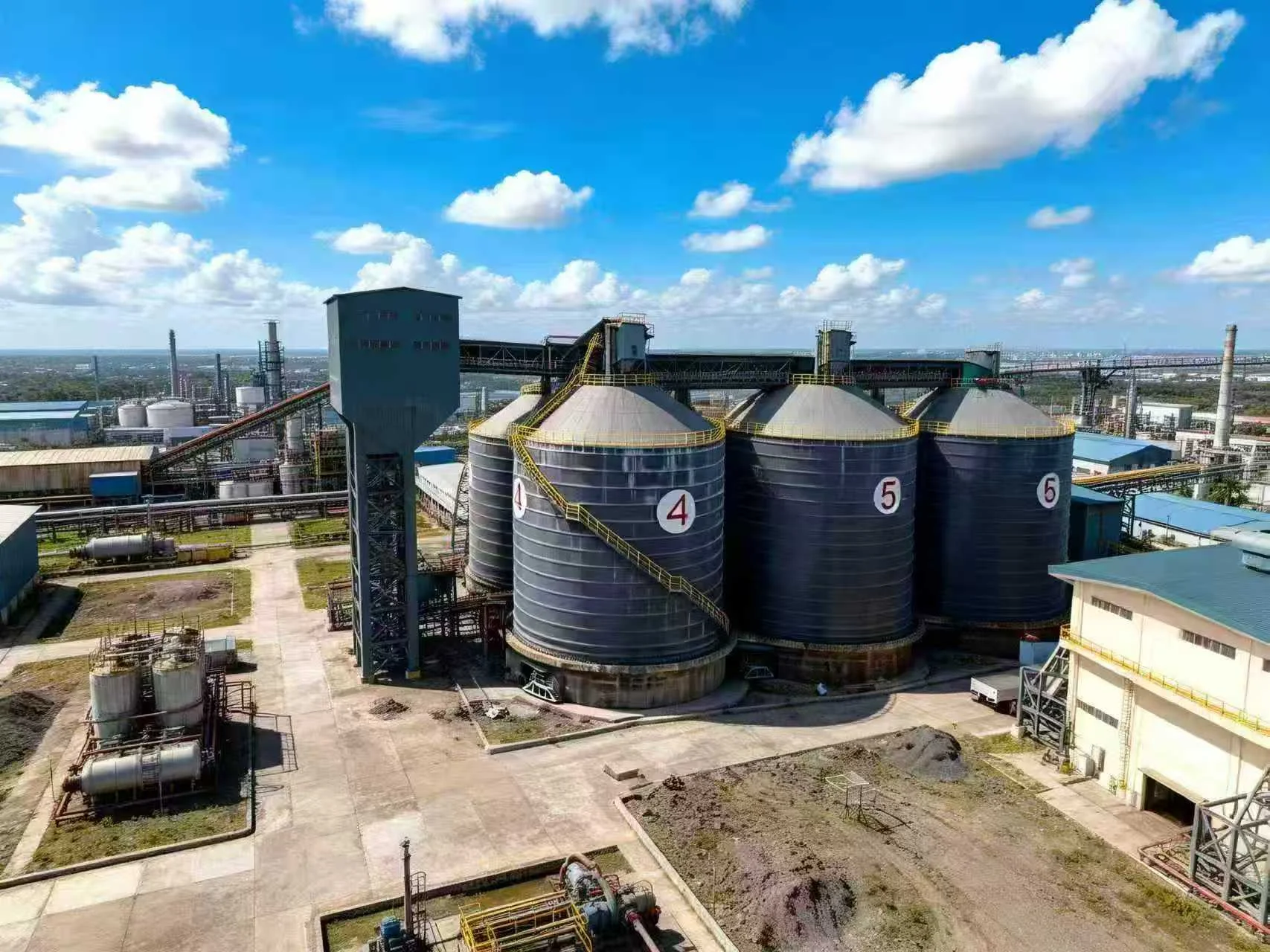
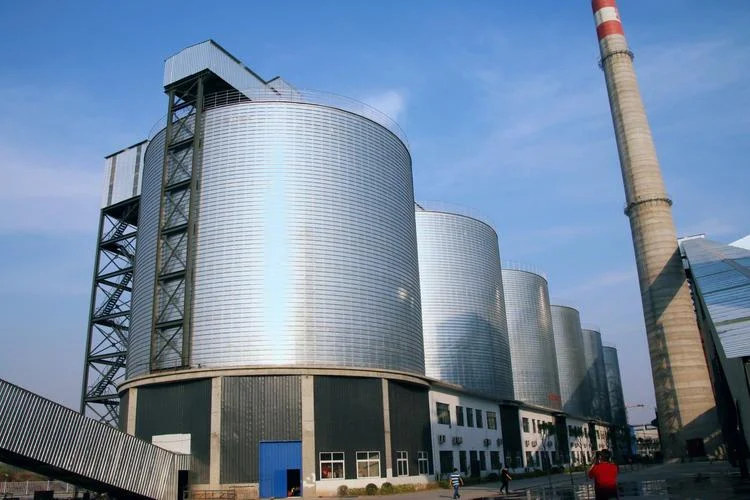


Managing a silo installation crew across multiple time zones is often the single biggest variable between a project delivered on budget and one that bleeds costs. With labor productivity on construction sites varying by as much as 40% depending on local workforce competency, a structured approach to subcontractor oversight is not optional—it's the difference between a 12-month erection cycle and an 18-month nightmare.
Pre-Qualification: Vetting Local Subcontractors for Welded Steel Silo Erection
The first mistake we see on large fly ash or cement silo projects is assuming any general contractor can handle the specialized work of welded steel silo erection. A crew that builds warehouses is not qualified to roll, lift, and weld 12mm-thick plate sections at height while maintaining strict tolerances for concentricity and verticality. We recommend a pre-qualification checklist that includes at least three completed projects of similar tonnage and plate thickness. Request their welding certifications (AWS D1.1 or equivalent), and verify their experience with the specific welding procedures required for high-strength, abrasion-resistant steels used in clinker and fly ash storage.
Beyond certifications, assess their logistical capability. Can they mobilize a 200-ton crane on a rural site with limited access? Do they have a dedicated safety officer on payroll, or is it a borrowed hat? A professional silo manufacturer will often provide a "recommended subcontractor list" based on past performance, but the final vetting responsibility lies with the project manager. We have seen projects derailed simply because the local crew did not own the specialized welding rectifiers needed for field girth welds, leading to costly rental delays.
Contract Structures That Mitigate Risk and Ensure Quality
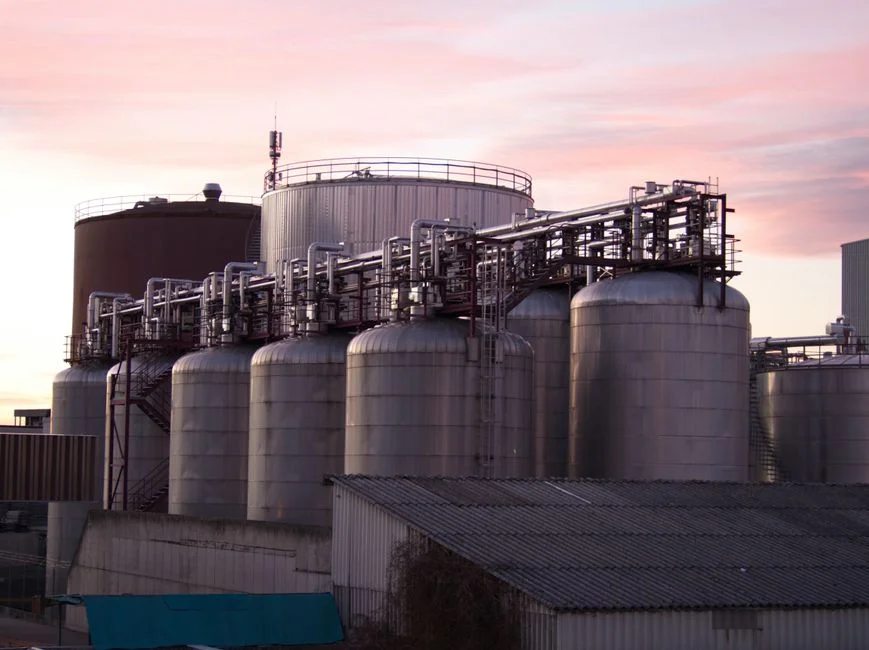
Fixed-price contracts for silo erection can be dangerous if the scope of local conditions is poorly defined. A better approach is a unit-price or cost-plus-fee structure with clear performance milestones tied to quality hold points. For example, release payment only after ultrasonic testing of the first three vertical seams passes inspection. This aligns the subcontractor's financial interest with your quality requirements. We typically structure contracts with a 10% retention held until the final pressure test or structural sign-off, ensuring the crew stays motivated through commissioning.
Defining the Scope of Work and Exclusions
Be explicit about who provides the crane, the welding consumables, and the temporary works like scaffolding and wind bracing. A common dispute arises when the subcontractor assumes the general contractor supplies all utilities, only to find the site lacks three-phase power. Include a matrix of responsibilities in the contract appendix, and reference the key design considerations for large fly ash steel silos to ensure the erection crew understands the structural load paths they are assembling.
Managing Change Orders and Scope Creep
Every silo project encounters unforeseen site conditions—unstable soil requiring deeper foundations, or unexpected utility lines. Establish a change order protocol before the first bolt is turned. Require written approval for any work outside the defined scope, with agreed-upon hourly rates for labor and equipment. Without this, a simple foundation adjustment can balloon into a month-long renegotiation.
Key Takeaways
- Core Data Point: Industry data shows that pre-qualified subcontractors reduce project overruns by an average of 25% compared to unvetted local crews.
- Best Practice: Always include a mandatory safety orientation and daily toolbox talk requirement in the subcontractor agreement.
- Risk Alert: Never assume a crew's welding certifications cover the specific material grade (e.g., AR400 for abrasion) used in your silo shell.
Daily Supervision and Quality Control Protocols on Site
We cannot overstate the importance of having a dedicated site engineer from the silo manufacturer or your own team present during critical lifts and welding operations. This person should hold the authority to stop work immediately if safety or quality standards are compromised. Implement a daily log that tracks weather conditions (wind speed is critical for crane lifts), weld inspection results, and any deviations from the erection sequence. For a recent 500-ton fly ash silo project, the site engineer identified a misalignment in the first ring course within two hours, preventing a cascading error that would have affected the entire shell geometry.
Communication is often the weakest link. If the local crew speaks a different primary language, invest in a bilingual safety coordinator. We have found that translating critical safety and quality checkpoints into the local language reduces errors by over 30%. Also, schedule weekly progress meetings with the subcontractor's foreman and project manager. Review the schedule against the baseline, discuss any material shortages, and update the risk register. For deeper insight into how these structures integrate into a broader material handling system, review the case study on designing a 500-ton fly ash silo for a power plant.
Navigating Cultural and Logistical Complexities
Labor productivity varies significantly by region. In some areas, the workday is structured around two shifts; in others, a single extended shift with a long midday break is the norm. We have learned to adapt the project schedule to local work rhythms rather than imposing a foreign calendar. Additionally, understand the local holiday calendar—a single religious festival can halt work for an entire week. Build these known constraints into the master schedule with float days. On the logistical side, confirm that the subcontractor has a reliable supply chain for consumables like welding gas, electrodes, and grinding discs. Running out of shielding gas mid-weld on a large silo ring is a costly and avoidable delay.
Frequently Asked Questions
Q: How do we handle a subcontractor who consistently fails to meet daily weld quality targets?
A: Implement a progressive intervention system. First, issue a written non-conformance report (NCR) with photographic evidence and a required corrective action plan. If the issue persists, escalate to a site-wide quality stand-down meeting, and if necessary, invoke the contract's cure period clause. We have found that withholding payment for the specific defective work, while releasing funds for acceptable work, creates immediate accountability. The ultimate step is termination for cause, but this should be a last resort due to the mobilization delay it causes.
Q: What is the most effective way to ensure safety compliance on a multi-lingual silo erection site?
A: Move beyond translated safety manuals. Use visual safety cues—color-coded zones, pictograms, and hand signals that transcend language. We also mandate a "buddy system" where experienced welders from the manufacturer's team are paired with local fitters. This peer-to-peer coaching is far more effective than a top-down safety lecture. Finally, conduct unannounced safety audits at least once per week, focusing on fall protection and crane rigging, which are the highest-risk activities in silo erection.
Need a Reliable Partner for Your Next Silo Installation?
We provide end-to-end project management, from foundation design to final commissioning, ensuring your local labor and subcontractors are fully integrated for a successful build.
Get Your Free Technical Consultation →