
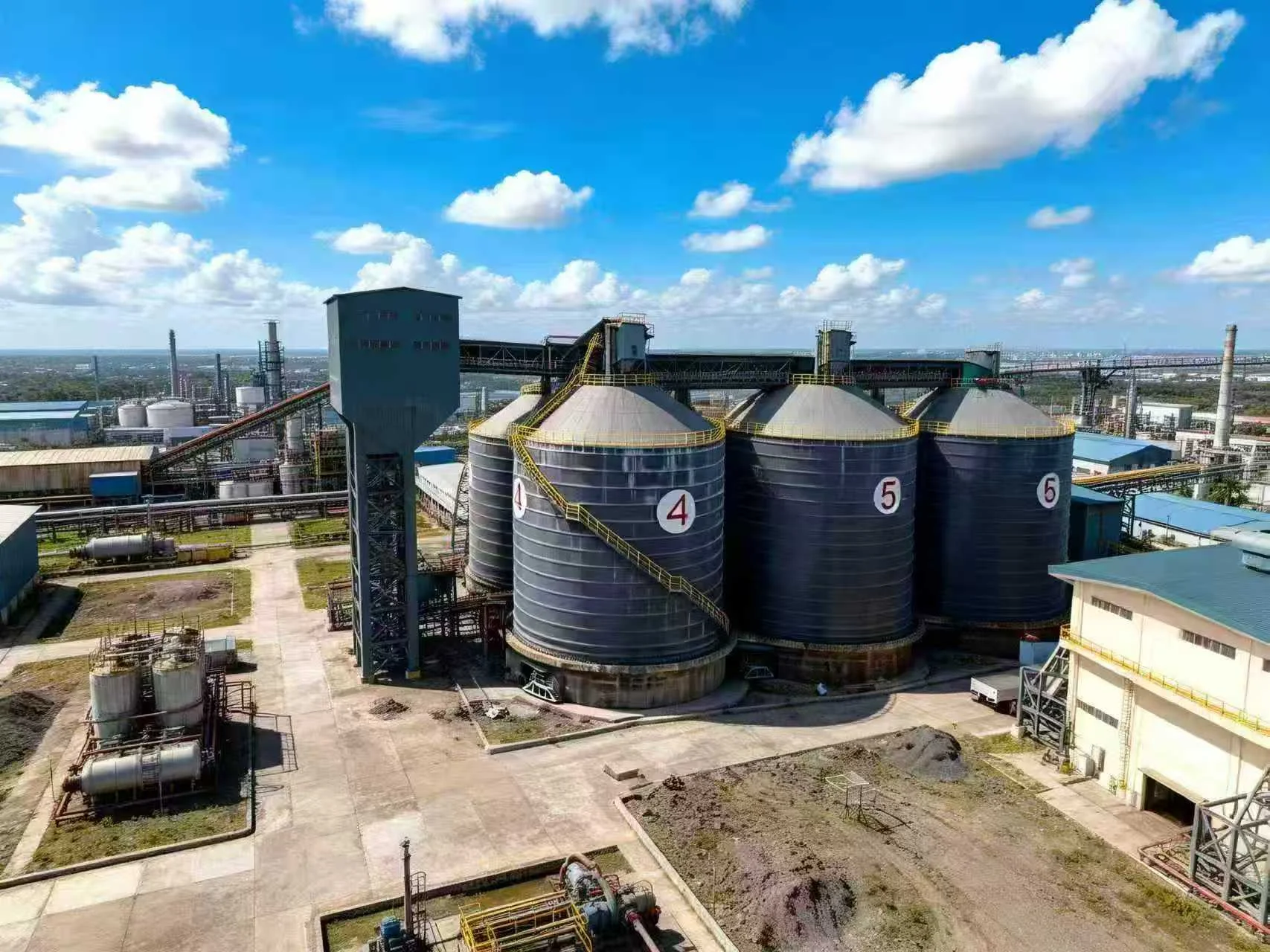
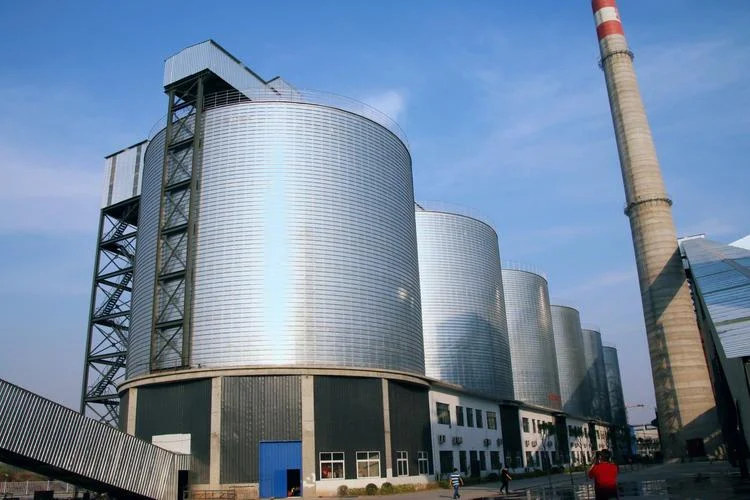


Choosing between bolted and welded cement silos is a decision that affects your plant's construction timeline, maintenance costs, and long-term structural integrity. With over 15 years in the field, we've seen projects succeed or stall based on this single choice. This guide breaks down the technical trade-offs—from erection methods to corrosion resistance—so you can make an informed decision that aligns with your operational reality.
Bolted vs. Welded Cement Silos: Structural Integrity and Erection Speed
The fundamental difference lies in how the silo wall panels are joined. Bolted silos use high-strength bolts to connect prefabricated steel panels, allowing for rapid on-site assembly—often within 2–3 weeks for a standard 1,000-ton unit. This is a critical advantage for plants with tight construction schedules or limited access for heavy welding equipment. However, every bolted joint introduces a potential leak path, especially under the cyclic loading of cement discharge. We've observed that even with proper gaskets, bolted seams can develop micro-gaps after 5–7 years of continuous operation, particularly in climates with high thermal variation.
Welded silos, by contrast, offer a monolithic structure with zero leak points. The continuous weld seam distributes stress uniformly, making welded silos inherently stronger against seismic events and wind loads. The trade-off is a longer erection time—typically 4–6 weeks—and the need for certified welders on site. For plants storing cement at temperatures above 80°C (176°F), such as those receiving fresh cement from a kiln, welded construction is often the only viable option, as bolted joints can lose preload under sustained heat.
Corrosion Resistance and Maintenance: Long-Term Cost Implications
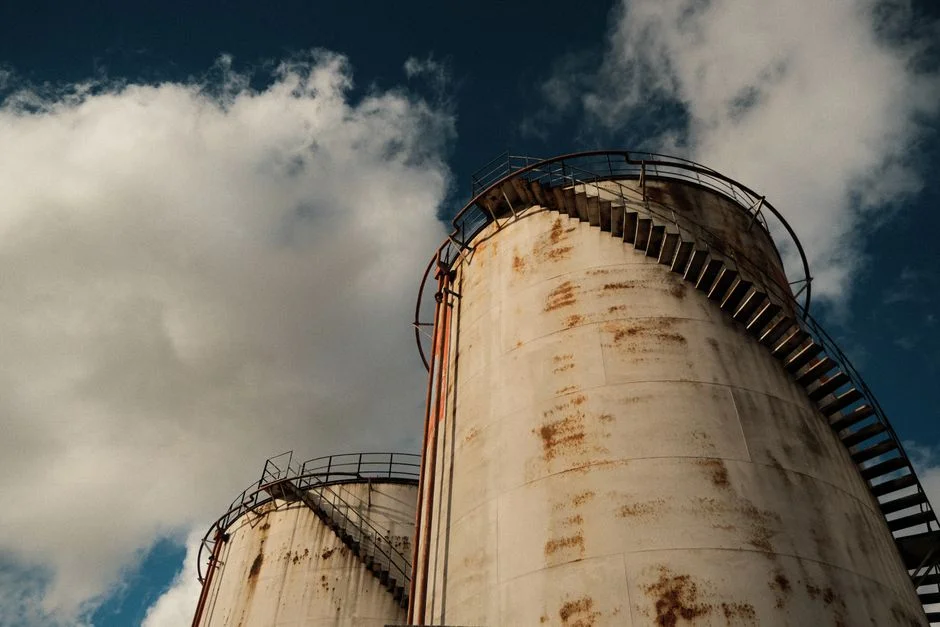
Cement is hygroscopic and chemically reactive, making corrosion a primary concern. In bolted silos, the galvanized or painted coating on individual panels is often damaged during bolt tightening and handling. This creates localized corrosion hotspots at the joint lines. We've documented cases where a bolted silo required full repainting of the lower 3 meters after just 8 years, while a comparable welded silo with a properly applied epoxy lining remained intact for 15 years. The maintenance cost difference is substantial—a single repainting cycle can cost 15–20% of the original silo price.
Selecting the Right Coating System
For bolted silos, specify a hot-dip galvanized finish with an additional epoxy topcoat on the interior. For welded silos, a two-coat polyurethane system (minimum 200 microns dry film thickness) applied after welding provides superior protection. Always require a holiday test (spark test) on the coating after installation to detect pinholes.
Common Mistake: Ignoring Weld Seam Preparation
A frequent error is to weld a silo without proper surface preparation of the weld zone. Grinding the weld bead flush and applying a zinc-rich primer before the final coating is non-negotiable. Skipping this step leads to under-film corrosion that can propagate unseen for years before causing catastrophic failure.
Key Takeaways
- Core Data Point: Welded silos have a 30–40% longer service life (25–30 years) compared to bolted silos (15–20 years) in cement storage applications, based on industry lifecycle studies.
- Best Practice: For plants with continuous operation and high turnover rates, welded construction is the safer long-term investment despite the higher initial cost.
- Risk Alert: Bolted silos in coastal or high-humidity environments are at elevated risk of joint corrosion; consider adding a sacrificial zinc anode system to the base ring.
Cost-Benefit Analysis: When Each Design Makes Sense
Let's be clear: bolted silos are not "cheap" alternatives—they are engineered solutions for specific scenarios. For temporary or relocatable plants, bolted designs are ideal because they can be disassembled and moved. For permanent installations, the total cost of ownership (TCO) often favors welded silos. A typical 2,000-ton welded cement silo costs 15–25% more upfront but can save 30% in maintenance over a 20-year period. However, if your plant requires rapid expansion or has restricted site access for welding equipment, the speed and modularity of bolted construction may outweigh the long-term corrosion risk. For a deeper dive into design principles applicable to similar materials, our Fly Ash Silo Buyer's Guide offers parallel insights on structural layout and discharge geometry.
Frequently Asked Questions
Q: Can a bolted cement silo be converted to a welded silo later, or vice versa?
A: Technically, yes, but it's rarely cost-effective. Converting a bolted silo to welded involves removing all bolts, grinding down joint flanges, and welding the panels together—a labor-intensive process that often introduces more stress than starting fresh. Converting welded to bolted is even more impractical, as cutting the welded seam destroys the panel integrity. We advise making the decision at the design stage and sticking with it. If you're uncertain, consult an experienced engineering team to run a TCO analysis for your specific site conditions.
Q: How do thermal expansion and contraction affect bolted joints in cement silos?
A: This is a critical but often underestimated issue. Cement silos can experience temperature swings from ambient (e.g., -10°C in winter) to 90°C when receiving hot cement. Steel expands by approximately 0.012 mm per meter per degree Celsius. Over a 12-meter diameter silo, this means a circumferential expansion of nearly 14 mm. Bolted joints must accommodate this movement through gasket compression and bolt elongation. If the bolt preload is too high, the gasket can be crushed; if too low, the joint leaks. We recommend using Belleville washers on all critical bolted connections to maintain consistent clamping force under thermal cycling.
Looking for Professional Silo Storage Solutions?
We provide customized design, manufacturing, and installation services for steel silo systems worldwide. Whether you need a bolted or welded cement silo, our team can help you optimize for cost, durability, and operational efficiency.
Get Your Free Technical Consultation →