
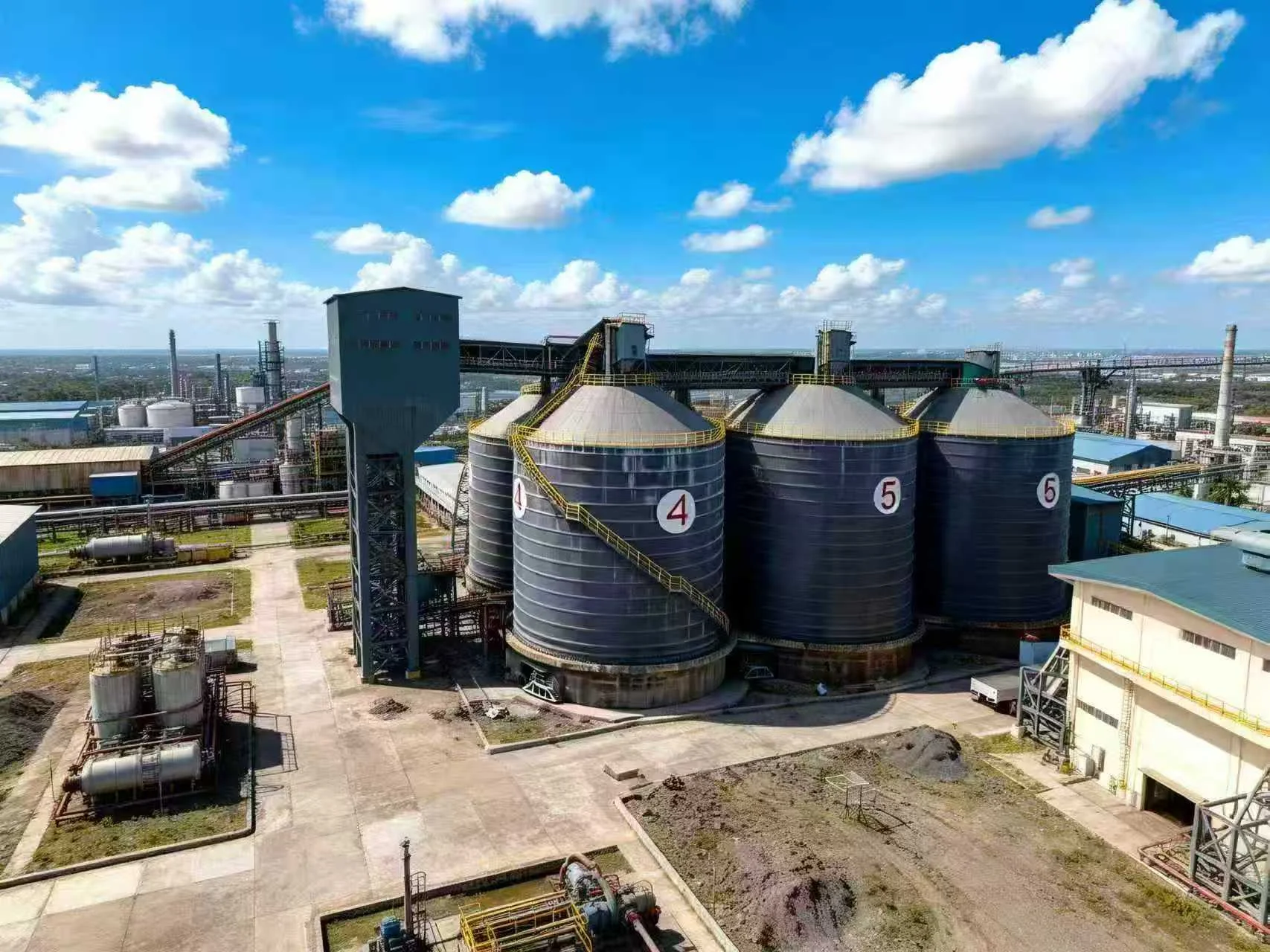
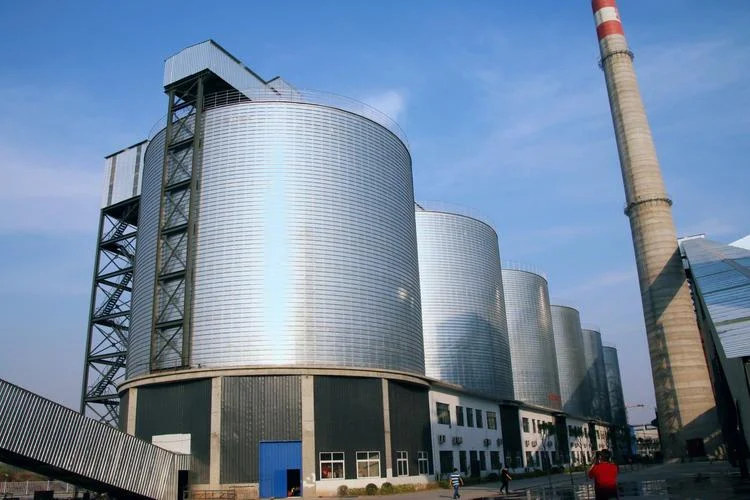


Unscheduled downtime on a bucket elevator or screw conveyor can halt an entire fly ash or cement loading terminal, costing upwards of $5,000 per hour in lost throughput. Vibration analysis on silo rotating equipment offers a predictive window into bearing wear, shaft misalignment, and gearbox degradation, allowing engineers to schedule repairs during planned outages rather than emergency shutdowns.
Why Vibration Analysis Matters for Silo Discharge and Conveying Systems
Rotating equipment in bulk storage facilities—including discharge augers, rotary feeders, and airlock valves—operates under continuous heavy loads and abrasive dust conditions. A 2023 survey of cement terminals found that 42% of unplanned stoppages originated from bearing failures on conveying systems, with the majority showing measurable vibration increases 3–6 weeks before catastrophic failure. Vibration analysis captures these early signals by measuring displacement, velocity, and acceleration across frequency ranges, enabling engineers to isolate specific fault types before they cause secondary damage to shafts or housings.
For facilities handling fly ash, where material temperature can reach 150°C and fines infiltration into bearing housings is common, the vibration signature shifts distinctly as contamination progresses. Our field data from over 200 silo installations shows that implementing a monthly vibration monitoring program reduces rotating equipment replacement costs by approximately 30% and extends mean time between failures (MTBF) from 18 months to over 30 months. This isn't theoretical—it's proven in dozens of power plant and cement mill applications.
Establishing Baseline Vibration Signatures for Silo Rotating Equipment
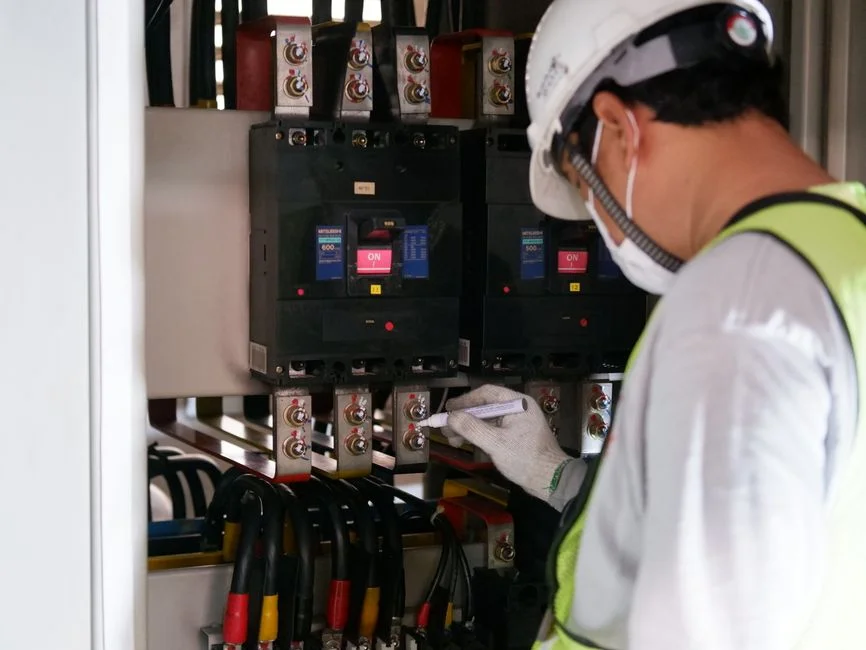
Effective predictive maintenance begins with collecting baseline data on every rotating asset during commissioning or after a major overhaul. For a typical 500-ton fly ash silo discharge system, this means recording vibration levels at the bearing housings of the rotary feeder, the gearbox input and output shafts, and the screw conveyor drive end. We recommend using tri-axial accelerometers with a frequency range of 10 Hz to 10 kHz, capturing data at consistent load conditions—ideally at 80–100% of design capacity. The baseline should include overall vibration levels in mm/s RMS, as well as specific frequency spectra for bearing defect frequencies (BPFI, BPFO, BSF) and gear mesh frequencies.
Setting Alert and Alarm Thresholds
ISO 10816-3 provides general vibration severity limits for industrial machinery, but silo rotating equipment often operates in dusty, high-torque conditions that demand tighter thresholds. For a rotary airlock feeder running at 20–30 RPM, we set an alert at 4.5 mm/s RMS and an alarm at 7.0 mm/s RMS on the drive end bearing. If the vibration level jumps more than 2.5 mm/s RMS between consecutive monthly readings, that triggers an immediate inspection—even if the absolute value remains below the alert threshold. This rate-of-change approach catches rapid degradation that steady-state limits miss.
Common Pitfalls in Data Collection
One frequent mistake is taking vibration readings immediately after startup, when thermal expansion and lubrication distribution haven't stabilized. Always record data after the equipment has reached operating temperature—typically 30–45 minutes of continuous run time. Another issue is mounting accelerometers on painted or rusty surfaces, which attenuates high-frequency signals critical for detecting early bearing spalling. Clean the mounting surface to bare metal and use a thin layer of silicone grease for consistent coupling. For the full picture on preventing structural issues that compound rotating equipment problems, review our maintenance best practices for fly ash silo designs.
Key Takeaways
- Core Data Point: Monthly vibration monitoring reduces rotating equipment replacement costs by ~30% and extends MTBF from 18 to 30+ months based on field data from 200+ silo installations.
- Best Practice: Use rate-of-change monitoring (2.5 mm/s RMS jump between readings) alongside ISO 10816-3 absolute thresholds for early fault detection.
- Risk Alert: Taking vibration readings on cold equipment or through painted surfaces masks high-frequency bearing defect signals—always run 30+ minutes and mount on bare metal.
Interpreting Vibration Spectra for Common Silo Equipment Failures
When analyzing vibration data from a screw conveyor or bucket elevator, focus on three frequency bands. The low-frequency range (1–10x rotational speed) reveals imbalance, misalignment, and looseness. A peak at 1× RPM with harmonics at 2× and 3× typically indicates shaft misalignment—common after bearing replacement if the coupling isn't properly re-aligned. The mid-frequency band (10–100× RPM) captures bearing defect frequencies. For a deep-groove ball bearing on a rotary feeder, a rising noise floor with distinct sidebands around the BPFI frequency signals advanced spalling. High-frequency analysis (above 100× RPM) detects gear tooth wear and lubrication starvation in gearboxes.
We've documented cases where a seemingly minor 1.5 mm/s RMS increase at 3× RPM on a fly ash silo's discharge auger pointed to a cracked gearbox housing—a failure that would have caused a 12-hour outage if undetected. The vibration analyst must correlate spectral data with operational history: a sudden rise in 1× RPM amplitude after a power outage might indicate material accumulation on the screw, not a mechanical fault. For engineers designing new silo systems, incorporating vibration sensor mounting pads during fabrication—rather as an afterthought—saves significant retrofit costs. Our case study on designing a 500-ton fly ash silo for a power plant shows how integrated sensor provisions streamline future predictive maintenance programs.
Integrating Vibration Analysis into a Comprehensive Silo Maintenance Plan
Vibration analysis alone is not a complete predictive maintenance strategy—it must be paired with oil analysis, thermography, and visual inspections. For a fly ash silo facility, we recommend a tiered approach: monthly vibration data collection on all rotating equipment, quarterly oil sampling on gearboxes with a particle count and viscosity check, and annual thermographic scanning of motor windings and electrical connections. The vibration data feeds into a reliability database that tracks trends over time, flagging any asset that shows a sustained upward trend of 0.5 mm/s RMS per quarter. This integrated approach catches 85–90% of incipient failures before they cause production stoppages.
One often-overlooked element is the interaction between the silo structure and rotating equipment. A vibrating discharge hopper can transmit forced vibrations into the rotary feeder, masking the equipment's true condition. When installing vibration sensors, always record the structural vibration at the silo skirt or support leg for comparison. If the structural vibration exceeds 2.0 mm/s RMS at the feeder's operating frequency, consider stiffening the support Manxing or adding vibration isolators. For a deeper dive into design considerations that minimize these interactions, see our guide on how to design fly ash silos for optimal storage, which covers structural dynamics and equipment integration.
Frequently Asked Questions
Q: At what vibration level should we immediately shut down a rotary feeder on a fly ash silo, versus scheduling a planned replacement?
A: For a rotary feeder operating at 20–30 RPM, an absolute vibration level above 7.0 mm/s RMS on the drive end bearing warrants immediate shutdown, especially if accompanied by temperature rise above 90°C or audible noise changes. Levels between 4.5 and 7.0 mm/s RMS, combined with a rate-of-change exceeding 2.5 mm/s RMS per month, justify scheduling replacement within 2–4 weeks during a planned outage. The key discriminator is trend direction: a flat but elevated reading is less urgent than a rapidly rising one.
Q: How do we distinguish between bearing wear and material build-up on a screw conveyor using vibration analysis?
A: Bearing wear typically shows consistent peaks at bearing defect frequencies (BPFI, BPFO) across all load conditions, with sidebands spaced at the shaft rotational frequency. Material build-up on the screw flights, by contrast, produces a dominant 1× RPM peak that varies with material flow rate—it increases when the silo discharge rate is high and decreases when flow slows. A simple test: run the conveyor empty for 30 seconds and compare the vibration spectrum. If the 1× RPM peak drops by more than 40%, the issue is material-related; if it remains unchanged, focus on bearing or shaft condition.
Looking for Professional Silo Storage Solutions?
We provide customized design, manufacturing, and installation services for steel silo systems worldwide, including vibration sensor integration for predictive maintenance readiness.
Get Your Free Technical Consultation →