
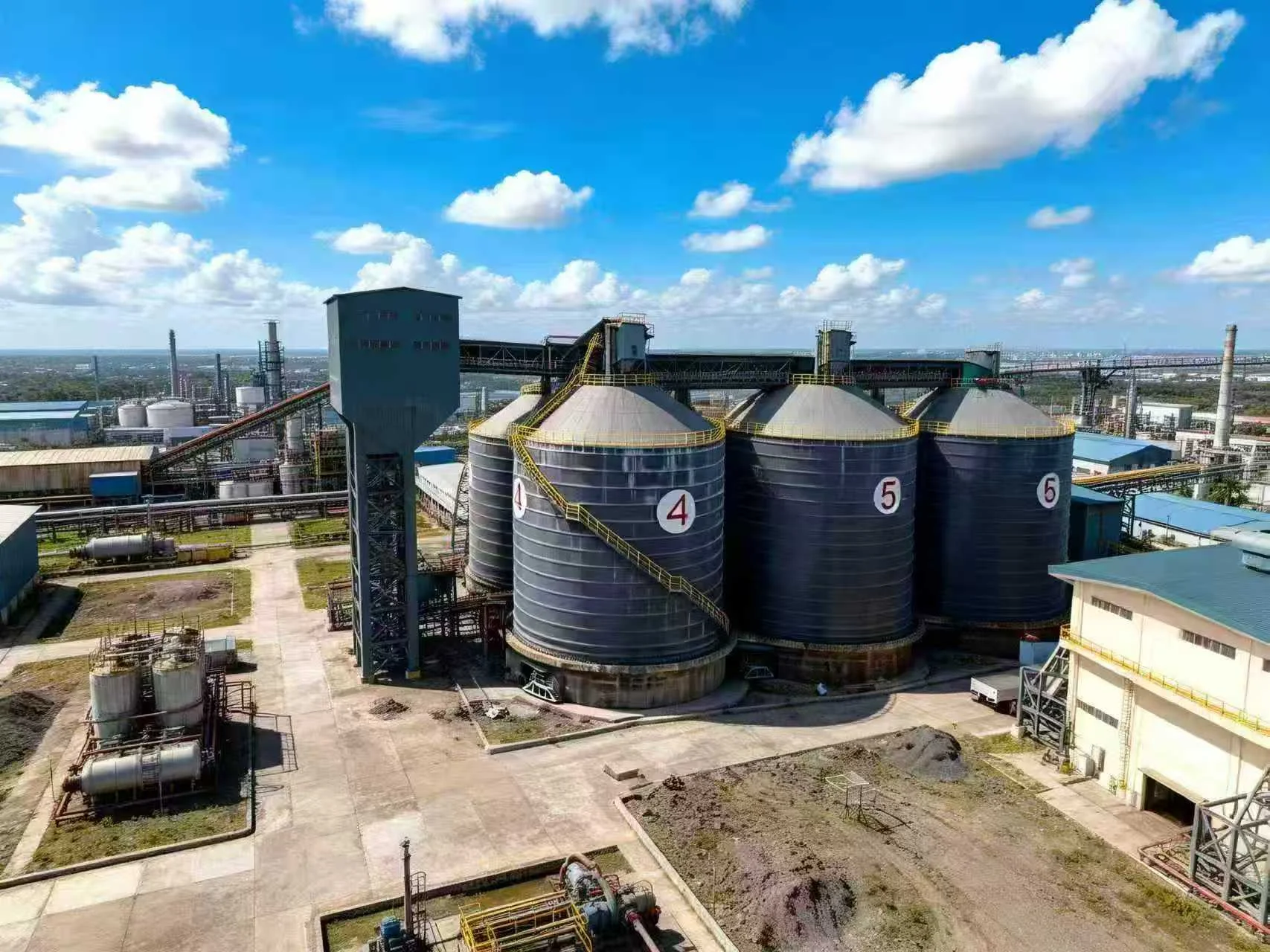
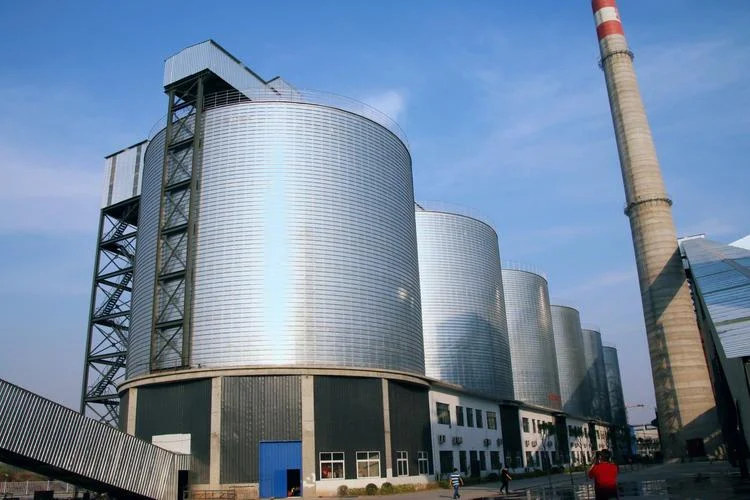


Choosing the wrong scaffolding system for silo maintenance can add 40% to your access costs and double project timelines. Whether you're inspecting welds, replacing cone liners, or coating a 30-meter-tall silo, the decision between suspended and ground-supported scaffolding isn't just about budget—it's about safety, efficiency, and structural integrity.
Key Takeaways
- Core Data Point: Suspended systems reduce setup time by up to 60% on silos over 20m tall, but ground-supported scaffolds offer 3x the load capacity for heavy maintenance.
- Best Practice: Match the scaffold type to your specific task: use suspended for inspections and light repairs; ground-supported for welding, liner replacement, or structural modifications.
- Risk Alert: Over 30% of silo access accidents involve improper tie-off to corroded anchor points—always verify structural load ratings before rigging suspended scaffolds.
Suspended Scaffolding: Speed and Flexibility for Vertical Silos
Suspended scaffolding systems, commonly known as swing stages, hang from the silo's roof or a dedicated support using wire ropes. For silos between 15m and 50m tall, this approach cuts mobilization time dramatically—you can have a crew working at full height within hours instead of days. The key advantage is access to the entire circumference without ground obstructions. A typical two-point suspended scaffold can carry a working load of 500–750 kg, sufficient for inspection tools, light abrasive blasting, and painting. However, wind becomes a real problem: at 10m/s, you're shutting down operations. I've seen projects where wind downtime ate 30% of the work schedule, wiping out any time savings from the fast setup.
The structural load path is critical here. The suspension cables transfer the entire system weight plus live loads to the silo roof structure. On a 25m-diameter cement silo, that means concentrated loads of 15–20 kN at each suspension point. Many operators skip the engineering check and just tie off to existing lugs or handrails—a mistake that's caused collapses. You need to verify the roof's load capacity, typically through original design drawings or a field load test. For bolted silos, the roof panels and bolted connections are often the weak link. I recommend a minimum safety factor of 4:1 for all suspension components, and always use secondary safety lines independent of the main support.
Ground-Supported Scaffolding: Stability for Heavy-Duty Work
When the job involves welding, replacing wear plates, or installing internal stiffeners, ground-supported scaffolding is the workhorse. A full ring scaffold around a silo can support a distributed load of 3–5 kN/m²—enough for multiple workers, welding machines, and a ton of steel plates. The setup takes longer: for a 30m-tall, 12m-diameter silo, expect 3–5 days for erection versus 1 day for suspended. But once it's up, you have a stable platform unaffected by wind, and you can work on multiple levels simultaneously. The total cost for a typical ground-supported scaffold runs $8,000–$15,000 for a two-week rental, versus $3,000–$6,000 for suspended, but the productivity gain often justifies the premium.
Foundation and Soil Considerations
Don't overlook the ground conditions. A ring scaffold exerts significant point loads on the soil—up to 100 kN per leg on heavy-duty systems. On soft ground, you'll need mud sills or concrete pads to prevent settlement. I've seen a scaffold rack 15 cm out of plumb because someone skipped the soil bearing check. For silos on asphalt or concrete aprons, verify the pavement can handle the load without cracking. Always use base plates and check for underground utilities before setting legs.
Common Pitfall: Ignoring Silo Geometry
Many standard scaffold systems assume a straight vertical wall. But silos have tapers, cone bottoms, and protruding flanges. A ground-supported scaffold needs custom bracing to fit around a 60-degree cone section. The gap between the scaffold and the silo wall must be kept under 300 mm for safety, but tight curves can force gaps up to 600 mm, requiring additional guardrails. Measure the silo's actual profile—don't rely on generic drawings. I've had to scrap pre-cut scaffold frames because the silo's actual diameter was 200 mm larger than the spec sheet.
Selection Criteria: Matching System to Task and Silo Type
The decision matrix comes down to three factors: task duration, load requirements, and silo condition. For short-term inspections (1–3 days) on silos under 30m, suspended systems are the clear winner—lower cost, faster setup, and minimal ground disruption. For multi-week projects involving welding or heavy material handling, ground-supported systems pay off despite higher upfront cost. There's also a hybrid approach: use a suspended system for the upper half and a ground-supported scaffold for the cone area. This combo can reduce total scaffolding volume by 40% on a 25m silo. Always factor in weather: if your site averages winds over 8 m/s, ground-supported becomes the safer bet regardless of other factors.
Don't forget the silo's internal condition. If you're doing internal maintenance, ground-supported scaffolding from the bottom up is often the only safe option—suspended systems inside a silo require complex rigging and ventilation planning. For external work on welded silos, suspended scaffolds work well because the smooth walls allow easy cable positioning. For bolted silos, the protruding bolts and seams can interfere with scaffold clamps, so ground-supported often fits better. In either case, a professional manufacturer can provide engineered access solutions tailored to your silo's specific dimensions and structural capacity.
Implementation Best Practices and Safety Compliance
Before any scaffold goes up, do a full structural assessment of the silo. This isn't optional. For a suspended system, you need the silo roof's load rating, the condition of anchor points, and a wind load calculation. For ground-supported, verify soil bearing capacity and scaffold leg spacing. I recommend a third-party engineering review for any system supporting more than two workers. Always follow OSHA or local equivalent standards: suspended scaffolds require a minimum 4:1 safety factor on cables, daily inspections, and fall arrest systems for every worker. Ground-supported scaffolds over 10m need tie-offs to the silo structure every 6m vertically and 8m horizontally.
Training is the other half of the equation. I've seen experienced crews make fatal errors because they assumed a silo's roof could hold their rigging. Every crew member should understand the load path and know how to inspect cables, clamps, and anchor points. For ground-supported systems, the biggest risk is overloading—workers stacking materials on one platform section. Implement a strict load limit per bay and enforce it. Finally, plan the dismantling sequence: removing a suspended system is straightforward, but ground-supported scaffolds need to be stripped from top down, with debris chutes or hoists for material handling. A well-planned scaffold system can cut your maintenance downtime by 50%—a poorly chosen one will do the opposite.
Frequently Asked Questions
Q: What is the maximum safe working height for a suspended scaffold on a silo?
A: There's no absolute height limit, but practical experience shows that suspended systems become inefficient above 50m due to wind effects and cable sway. For silos over 40m, ground-supported or hybrid systems are usually safer. The cable length and drum capacity of the hoist also limit practical height—most standard units max out at 60m of cable. Always factor in that higher rigging means longer rescue times in an emergency.
Q: Can I use a suspended scaffold for welding repairs on a steel silo?
A: Technically yes, but it's not recommended for heavy welding. The dynamic loads from a welder moving and the weight of welding equipment (typically 50–100 kg per station) can exceed the safe working load of a standard two-point suspended scaffold. More critically, welding sparks can damage synthetic ropes or cables. If you must weld from a suspended platform, use steel wire ropes only, install fire-resistant blankets, and keep a fire watch. For any structural welding, ground-supported scaffolding is the safer choice.
Q: How do I calculate the load on the silo roof from a suspended scaffold?
A: The total load is the sum of the scaffold weight (typically 200–400 kg per section), the working load (500–750 kg), and the dynamic factor (usually 1.5x for hoisting). This gives a point load of 1,000–1,700 kg per suspension point. Divide by the number of suspension points (typically 2–4 for a ring system). Then compare to the roof's design load—most silo roofs are rated for 1.5–2.5 kN/m² live load. If you're unsure, hire a structural engineer to do a load test with water bags or sand bags before rigging.
Q: What's the cost difference between suspended and ground-supported scaffolding for a typical 20m silo?
A: For a 20m-tall, 10m-diameter silo, a suspended system rental runs $3,000–$5,000 for a week, including rigging and hoists. A ground-supported ring scaffold of the same height costs $8,000–$12,000 for the same period. However, the ground-supported system allows 2–3 times more workers simultaneously, so the cost per man-hour often favors ground-supported for jobs over 5 days. Don't forget hidden costs: suspended systems need daily wind monitoring and may require a standby engineer, while ground-supported needs a flat, stable base that may require site preparation.
Q: How do I inspect a silo's anchor points for suspended scaffolding?
A: Start with a visual check for corrosion, cracks, or deformation. Use a calibrated torque wrench to verify bolted connections—most anchor lugs require 200–300 Nm. Then do a proof load test: apply 1.25x the maximum working load using a hydraulic jack and load cell, and check for any deflection or movement. Document all results. For silos older than 10 years, I recommend ultrasonic thickness testing of the roof plate around the anchor points. Corrosion can reduce steel thickness by 2–3 mm without visible signs, turning a safe anchor into a hazard.
Q: Can I combine suspended and ground-supported scaffolds on the same silo?
A: Yes, and it's often the most efficient solution for complex jobs. For example, use a ground-supported scaffold for the bottom cone and lower 10m of the silo, then a suspended system for the upper barrel. The key is ensuring the two systems don't interfere—maintain a minimum 500 mm vertical separation and independent tie-offs. This hybrid approach can reduce total scaffolding volume by 30–50% compared to using ground-supported for the full height. Just make sure both systems are engineered to handle their respective loads independently, as they can't share structural support.
Looking for Professional Silo Storage Solutions?
We provide customized design, manufacturing, and installation services for steel silo systems worldwide. Our team has engineered access solutions for over 500 silos across 30 countries, ensuring safe and efficient maintenance for every project.
Get Your Free Technical Consultation →