
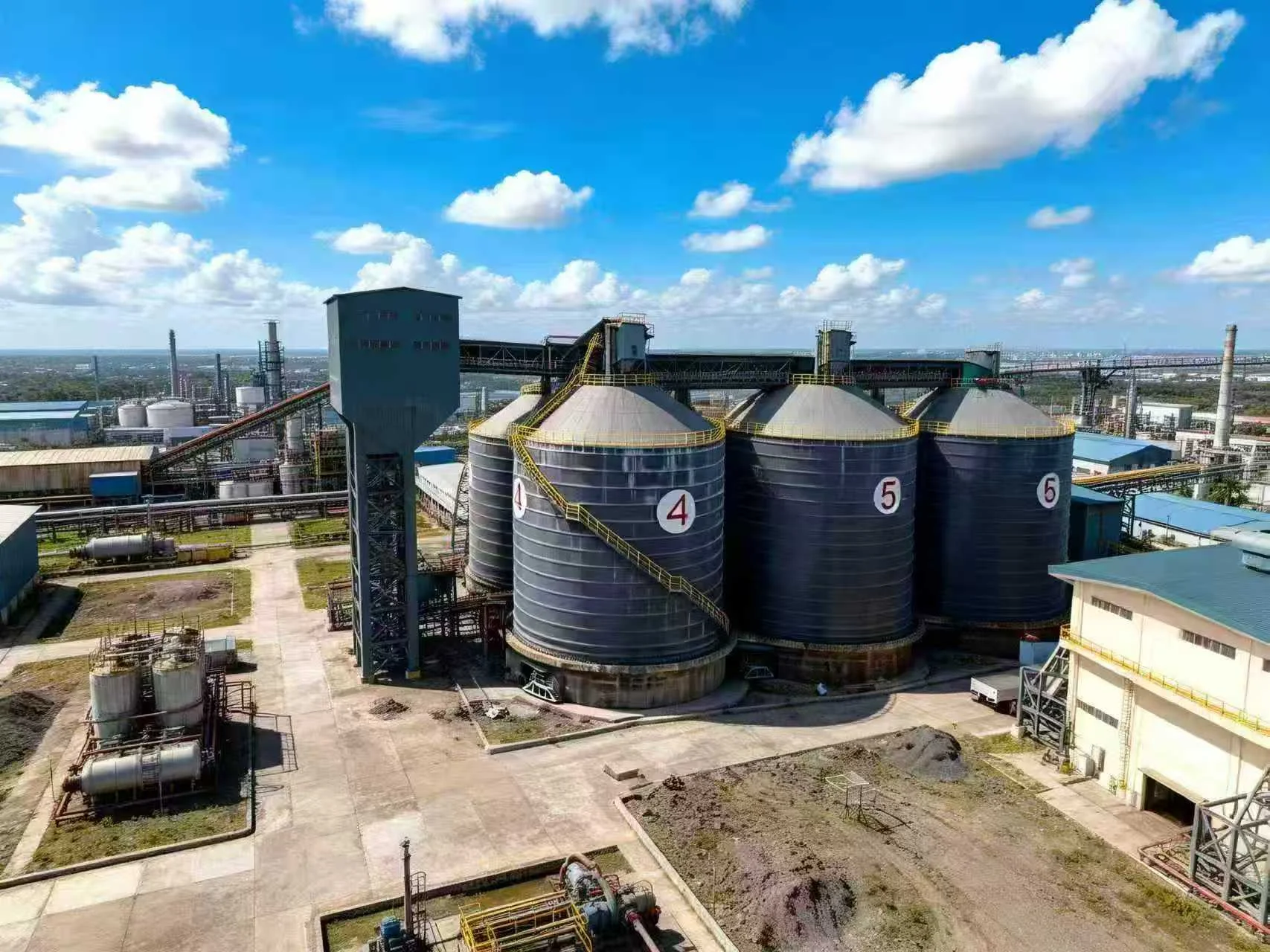
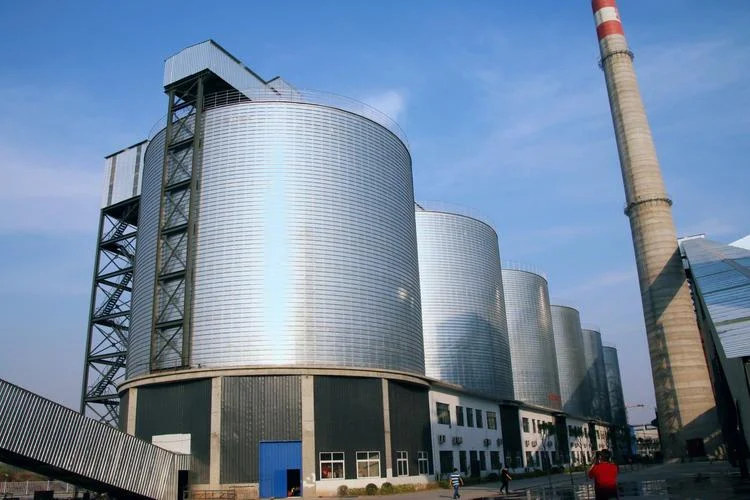


Selecting the wrong bulk cement unloading system can add 30% to your operational costs through energy waste and material degradation. With cement plants handling thousands of tons annually, the choice between pneumatic and mechanical systems directly impacts your bottom line, maintenance schedules, and product quality. This guide breaks down the technical trade-offs to help you make an informed decision.
Pneumatic Unloading: Operating Principles and Efficiency Limits
Pneumatic systems use compressed air or inert gas to convey cement through pipelines, typically at air-to-material ratios of 1:1 to 3:1 by volume. For a standard 100-ton-per-hour application, these systems require approximately 800–1,200 CFM of compressed air at 7–10 bar pressure. The primary advantage lies in their closed-loop design—virtually zero dust emissions and complete containment of the material. However, energy consumption is significant: pneumatic conveying consumes 0.8–1.2 kWh per ton of cement moved, compared to 0.3–0.5 kWh for mechanical alternatives. This efficiency gap widens when conveying over distances exceeding 50 meters, where pressure losses escalate rapidly.
From our field experience, pneumatic systems excel when the unloading point is elevated or the layout involves multiple bends. A professional silo manufacturer typically recommends dense-phase pneumatic systems for cement, as they operate at lower velocities (2–8 m/s) compared to dilute-phase (15–30 m/s), reducing pipe wear by up to 60%. The trade-off is higher initial capital expenditure—roughly 15–20% more than equivalent mechanical systems—due to the compressor package, air dryers, and filtration equipment required.
Mechanical Unloading: Belt and Screw Conveyor Performance
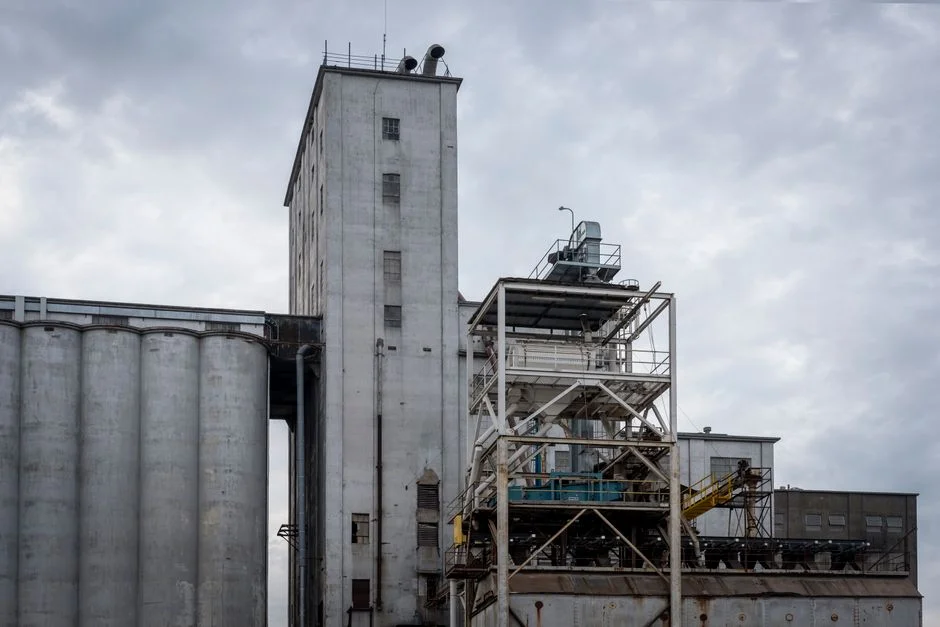
Mechanical systems, primarily using screw conveyors or belt elevators, offer superior energy efficiency for straight-line, short-distance transfer. A typical screw conveyor handling cement at 75 tons per hour operates at just 15–20 RPM, with power draw under 30 kW. Belt conveyors achieve even better efficiency, moving cement at 2–3 m/s with energy consumption as low as 0.2 kWh per ton. The catch: mechanical systems require careful sealing to prevent dust leakage, and they wear faster when handling abrasive cement—screw flights typically need replacement after 8,000–12,000 operating hours depending on material moisture content.
Selecting Between Screw and Belt Conveyors
For cement unloading from a truck pit to a welded steel silo, screw conveyors are the standard choice due to their ability to handle high inlet loads and their compact footprint. However, if the conveying distance exceeds 30 meters or includes a vertical lift, belt elevators with enclosed casings become more practical. Always specify abrasion-resistant steel (AR400 or better) for screw flights and trough liners when handling Portland cement, as its silica content accelerates wear.
Common Dust Control Mistakes
A frequent oversight in mechanical systems is inadequate sealing at transfer points. Even a 2 mm gap at a belt conveyor junction can release 5–10 kg of cement dust per hour, violating OSHA PEL limits of 5 mg/m³ for respirable dust. Install skirt boards with wear liners and maintain negative pressure at all transfer points using a dedicated dust collection hood. Many operators skip this step to save costs, only to face retrofit expenses that are 3x higher than proper initial installation.
Key Takeaways
- Core Data Point: Pneumatic systems consume 0.8–1.2 kWh/ton vs. 0.2–0.5 kWh/ton for mechanical systems—a 60% energy penalty.
- Best Practice: Use dense-phase pneumatic conveying for distances over 50 meters or complex routing; mechanical for straight, short runs under 30 meters.
- Risk Alert: Mechanical systems without proper sealing at transfer points can release 5–10 kg of cement dust per hour, creating compliance and health hazards.
Hybrid Systems: Combining Pneumatic and Mechanical for Optimal Results
In many modern cement terminals, the optimal solution is a hybrid approach. A mechanical belt conveyor handles the high-volume, short-distance transfer from the truck dump pit to a bucket elevator, which lifts the cement to the silo top. From there, a short pneumatic line (10–15 meters) distributes cement to multiple silo compartments. This configuration leverages the energy efficiency of mechanical systems for the heavy lifting while using pneumatics for the flexible, multi-point distribution. We have seen facilities reduce total energy costs by 35–40% compared to fully pneumatic systems using this method. The key engineering challenge is synchronizing the control systems—the mechanical feed rate must match the pneumatic conveying capacity to avoid plugging or starvation. PLC-based controls with mass flow sensors are essential for reliable operation.
When planning a hybrid system, pay close attention to the cement silo installation layout. The bucket elevator head should be positioned to allow gravity feed into the pneumatic pressure vessel, eliminating the need for an intermediate feed screw. This reduces both capital cost and maintenance points. For facilities handling multiple cement types, consider installing dedicated pneumatic lines for each grade to avoid cross-contamination, which can compromise concrete quality in sensitive applications like precast or high-performance mixes.
Frequently Asked Questions
Q: Can pneumatic systems handle cement with moisture content above 2% without plugging?
A: Moisture above 2% significantly increases the risk of line plugging in pneumatic systems, especially in dense-phase operation. The cement particles begin to hydrate and agglomerate, increasing friction coefficients by 30–50%. If you must handle moist cement, reduce conveying velocity to below 5 m/s, use pulse-phase injection, and install moisture traps at the air compressor outlet. Alternatively, switch to mechanical conveying for wet cement, as screw conveyors can handle up to 5% moisture with appropriate flight design and increased clearance.
Q: How do I calculate the pressure drop in a pneumatic cement conveying line for system sizing?
A: The Darcy-Weisbach equation modified for two-phase flow is the standard method. For cement, the solid friction factor (λ_s) typically ranges from 0.01 to 0.04 depending on particle size distribution. A practical rule of thumb: expect a pressure drop of 0.1–0.15 bar per 10 meters of straight pipe for dense-phase conveying at 5–8 m/s. Each 90-degree bend adds the equivalent of 5–8 meters of straight pipe. Always add a 20% safety margin to your calculated compressor pressure to account for filter loading and ambient temperature variations. For precise sizing, computational fluid dynamics (CFD) modeling is recommended for lines over 100 meters.
Need Expert Advice on Your Bulk Cement Unloading System?
Our engineering team has designed over 200 pneumatic and mechanical unloading systems for cement terminals worldwide. We provide complete system sizing, layout optimization, and equipment specification services.
Request a System Design Consultation →