
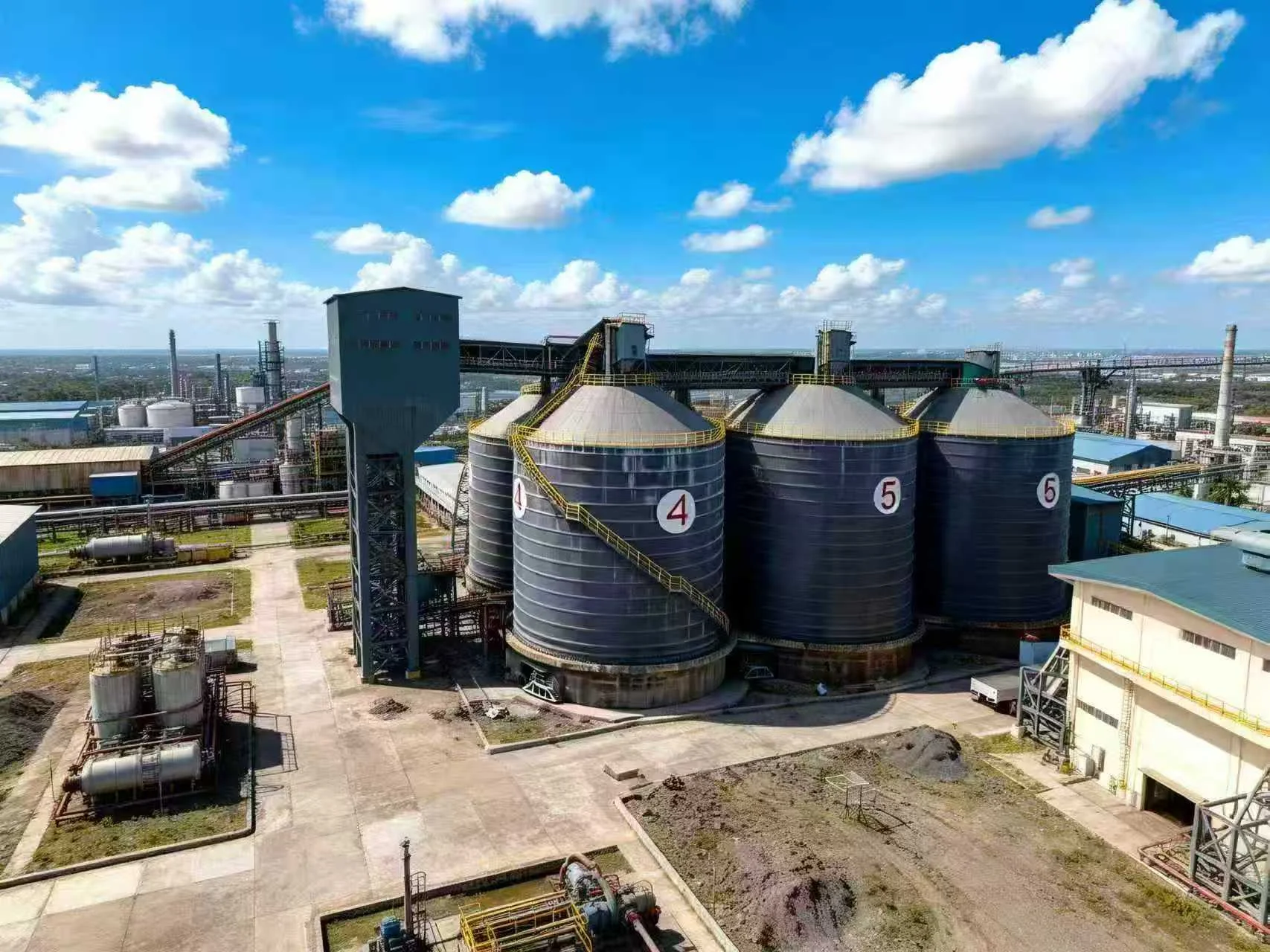
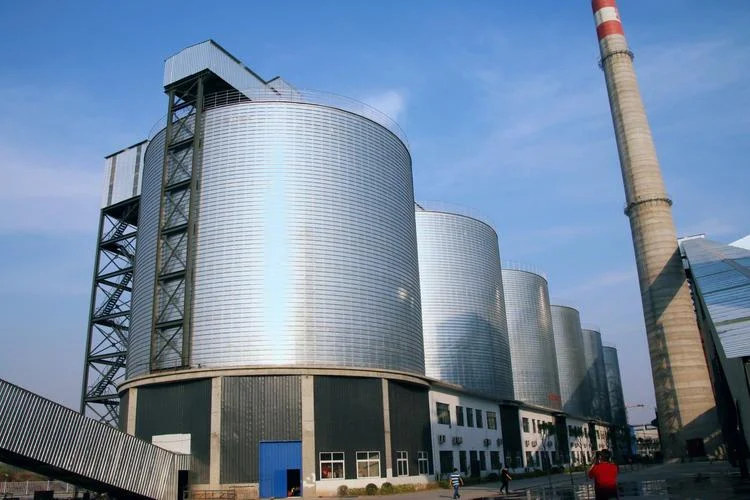


Selecting the wrong filter media for your bulk silo dust collector can lead to a 30-40% reduction in airflow within the first year, causing backpressure issues, increased energy consumption, and potential structural stress on the silo venting system. This article breaks down the real-world performance of cellulose, polyester, and Nomex media to help you make a technically sound decision for your specific stored material and operating conditions.
Cellulose Filter Media: Cost-Effective for Low-Temperature Grain and Cement Storage
Cellulose, a natural fiber media, remains a workhorse in many grain and cement silo applications where operating temperatures stay below 135°C (275°F). Its primary advantage is cost—initial purchase price is typically 40-60% lower than synthetic alternatives. For a typical 500-ton cement silo handling material at ambient temperatures, cellulose cartridges can deliver 99.5% filtration efficiency on 5-micron particles, which is adequate for most environmental compliance standards. However, we must note that cellulose is hygroscopic; in humid environments, it can absorb moisture and swell, reducing effective filtration area and increasing pressure drop by up to 25% over a 12-month period.
For applications like fly ash storage, where moisture content can fluctuate, cellulose media often requires more frequent replacement cycles—typically every 18-24 months versus 3-5 years for synthetics. An experienced engineering team will recommend cellulose only when the material is consistently dry and the silo is equipped with proper aeration and venting systems, as discussed in our guide on Key Design Considerations for Large Fly Ash Steel Silos.
Polyester Filter Media: The Balanced Choice for Moderate Temperatures and Abrasive Dusts
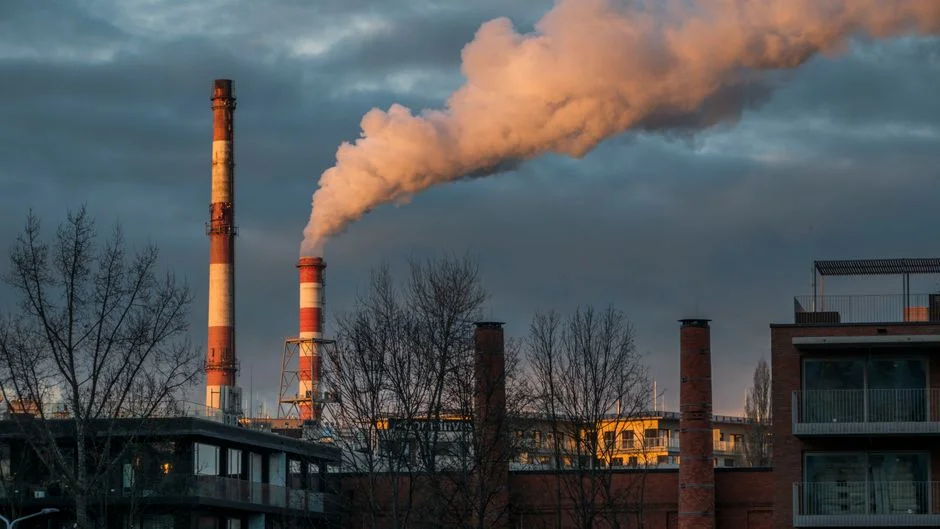
Polyester (PET) media has become the industry standard for most bulk material handling operations, including cement, coal, clinker, and wood pellets. It offers a continuous operating temperature of up to 150°C (302°F) and significantly better moisture resistance than cellulose. In field tests on coal silo dust collectors, polyester cartridges maintained 99.9% efficiency on 2-micron particles after 2,000 hours of operation, with only a 5-8% increase in pressure drop. The key differentiator is the surface treatment: standard polyester is adequate for general use, but for abrasive materials like clinker or fly ash, a calendered or coated polyester media can extend service life by 50%.
Selecting the Right Treatment for Your Material
For fly ash silos, where fine, abrasive particles can embed into fiber structures, a PTFE-coated polyester media reduces cake adhesion and improves pulse-jet cleaning efficiency. This is particularly critical in power plant applications where consistent material discharge is essential—see our Case Study: Successful Fly Ash Silo Design for Power Plant Operations for real-world performance data.
Common Missteps with Polyester Media
One frequent error is assuming all polyester media performs identically. The fiber denier, felt weight (typically 500-600 g/m²), and calendering process all affect performance. Using standard polyester in an environment with occasional temperature spikes above 150°C—common near welding repairs or during silo fires—can cause irreversible shrinkage and media failure.
Key Takeaways
- Core Data Point: Polyester media accounts for approximately 65% of all industrial dust collector cartridge replacements due to its balance of cost, durability, and temperature range.
- Best Practice: Always specify media with a minimum of 500 g/m² felt weight for abrasive bulk materials like cement clinker or fly ash to ensure adequate mechanical strength.
- Risk Alert: Never use untreated cellulose in silos storing hygroscopic materials (e.g., fly ash with >5% moisture) as media swelling can collapse the cartridge structure.
Nomex Filter Media: High-Temperature Solutions for Hot Materials and Process Streams
Nomex (meta-aramid) media is the go-to choice when operating temperatures exceed 150°C, with a continuous rating of 200°C (392°F) and peak spikes up to 220°C. This is critical for applications like hot clinker storage, where material can exit the cooler at 180-200°C, or for wood pellet silos where smoldering material can generate dangerous hot gas streams. Nomex cartridges maintain 99.99% filtration efficiency on sub-micron particles, but they come at a premium—typically 3-4x the cost of polyester. In our experience designing silos for power plants handling hot fly ash, Nomex media is non-negotiable for safety compliance.
However, Nomex has a critical weakness: it degrades rapidly in the presence of sulfur oxides (SOx) and acidic gases, common in coal-fired power plant exhaust streams. In such environments, a PTFE membrane laminate over Nomex is essential to protect the fiber structure. For facilities transitioning to cleaner fuels or handling non-corrosive high-temperature materials, Nomex remains the most reliable option. The trend toward higher operating temperatures in modern silo designs, as covered in Innovations in Fly Ash Silo Design: Trends to Watch, is driving increased adoption of this media class.
Frequently Asked Questions
Q: Can I retrofit a polyester cartridge into a collector originally designed for cellulose, and what pressure drop changes should I expect?
A: Yes, retrofitting is common, but you must verify the cartridge dimensions and pulse-jet cleaning system compatibility. Polyester media typically has higher initial pressure drop (150-200 Pa versus 100-150 Pa for cellulose) due to denser fiber structure, but it stabilizes over time. The cleaning frequency may need adjustment—polyester requires slightly higher pulse pressure (6-7 bar vs 5-6 bar) to dislodge cake effectively. Always consult the collector manufacturer or a professional silo manufacturer for a system evaluation before swapping media types.
Q: How do I determine if my application truly requires Nomex media, or if a high-temperature polyester variant is sufficient?
A: The decision hinges on sustained versus intermittent temperature exposure. High-temperature polyester variants (e.g., with special heat stabilizers) can handle up to 160-170°C continuously, but they lose tensile strength above 150°C. If your silo consistently operates above 160°C—for example, storing hot clinker directly from the cooler—Nomex is mandatory. For intermittent spikes (e.g., during silo cleaning with hot air), a high-temperature polyester with a safety factor of 20°C below its rated maximum is acceptable. Request a temperature profile log over a 72-hour period from your operations team to make this call.
Looking for Professional Silo Storage Solutions?
We provide customized design, manufacturing, and installation services for steel silo systems worldwide, including dust collection integration for cement, coal, clinker, and fly ash applications.
Get Your Free Technical Consultation →