
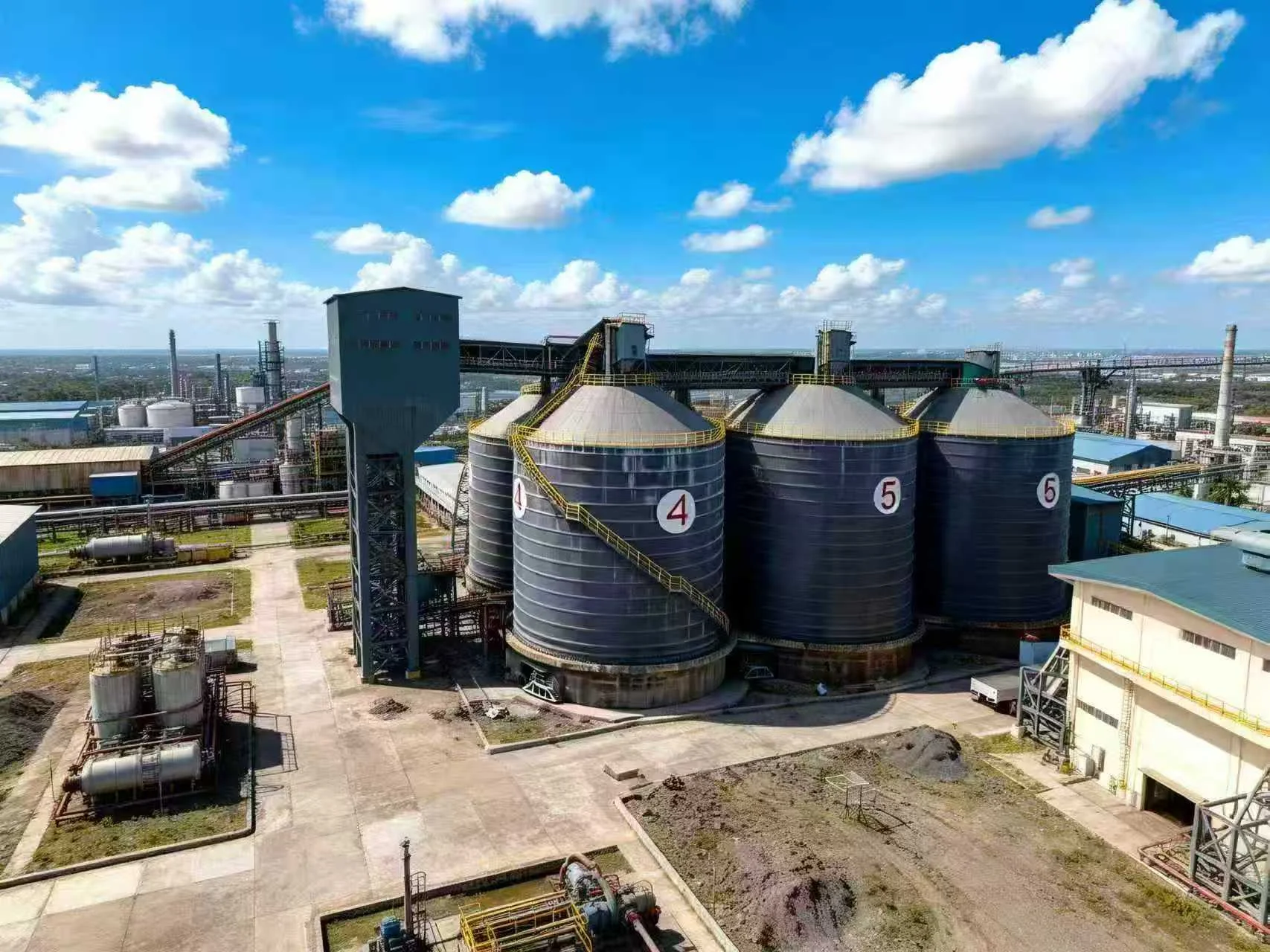
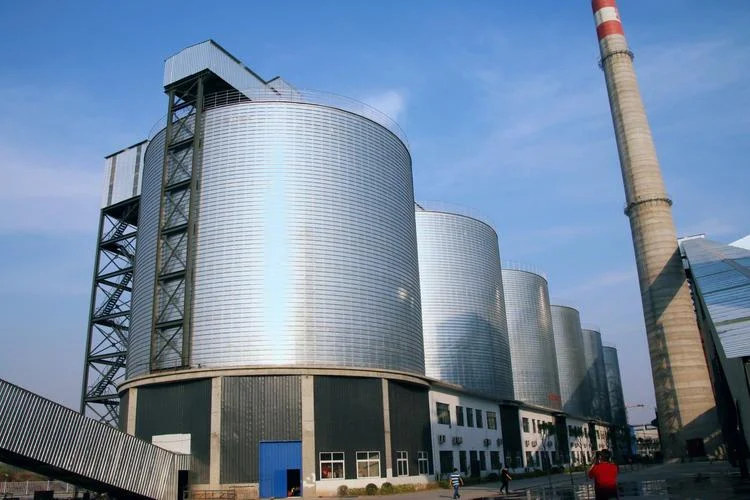


Head pulley lagging failure in high-tension conveyor systems is a leading cause of unplanned downtime in bulk material handling, with some operations reporting belt slippage and liner wear in under 6 months. Choosing between ceramic and rubber lagging isn't just about material cost—it directly impacts system reliability, energy consumption, and safety in facilities handling cement, fly ash, and clinker.
Understanding Pulley Lagging Wear Mechanisms in High-Tension Conveyors
In high-tension applications—common in cement plant transfer towers and fly ash storage feed systems—the head pulley experiences the highest belt tension and torque. Rubber lagging, typically 10–15 mm thick with a Shore A hardness of 60–70, provides adequate friction under dry conditions. However, when moisture or fine dust from materials like fly ash or cement clinker infiltrates the belt-pulley interface, the coefficient of friction can drop from 0.35 to below 0.2, leading to slippage. This not only accelerates lagging wear but also generates heat, which can degrade rubber and cause delamination.
Our field data from over 200 conveyor audits shows that rubber lagging in high-tension positions handling abrasive materials often requires replacement every 12–18 months. In contrast, properly installed ceramic lagging—using alumina tiles (92% Al₂O₃) embedded in a rubber base—maintains a friction coefficient above 0.4 even with moisture or dust contamination, extending service life to 4–5 years in similar conditions.
Ceramic vs Rubber Lagging: Technical Comparison for Bulk Material Handling
Rubber lagging remains the standard for low-to-medium tension conveyors (belt tensions below 150 kN/m) and applications where belt speed is under 3 m/s. Its elasticity absorbs impact and reduces noise, but its wear resistance is limited. For high-tension systems—often found in cement silo feed conveyors handling clinker at 300–500 tph—ceramic lagging becomes the superior choice. The ceramic tiles offer a hardness of 9 on the Mohs scale, compared to rubber's Shore A 65, providing 10–15 times better abrasion resistance.
Key Selection Criteria for Head Pulley Lagging
Evaluate belt tension per unit width (kN/m), pulley diameter, and material moisture content. For tensions above 200 kN/m or materials with >5% moisture, specify ceramic lagging with a grooved surface pattern—this channels water and dust away from the contact area. For dry, low-abrasion materials like grain or plastic pellets, a premium rubber lagging with a chevron pattern may suffice.
Common Misconceptions About Ceramic Lagging Cost
Many engineers assume ceramic lagging is prohibitively expensive. While the initial material cost is 2–3 times higher than rubber, the total cost of ownership (TCO) tells a different story. Reduced downtime for replacements, lower energy consumption from eliminated slippage, and fewer belt repairs often result in payback periods of under 18 months. For systems handling abrasive materials like fly ash or clinker, the TCO advantage is even more pronounced.
Key Takeaways
- Core Data Point: Ceramic lagging extends service life by 200–300% compared to rubber in high-tension, abrasive environments, based on industry maintenance records.
- Best Practice: Always specify grooved or herringbone ceramic lagging for applications with moisture or fine dust contamination.
- Risk Alert: Rubber lagging in high-tension cement or fly ash conveyors risks catastrophic belt failure if slippage goes undetected—install speed sensors as a backup.
Installation and Maintenance Best Practices for Long-Term Reliability
Proper installation is critical—ceramic lagging must be applied with a cold-bonding adhesive system rated for shear strengths above 10 N/mm². We recommend a two-part polyurethane adhesive, applied at 20–25°C ambient temperature, with a curing time of 24 hours before loading. For rubber lagging, ensure the pulley surface is grit-blasted to a 75–100 µm profile for optimal adhesion. Regular inspections should focus on edge lifting, which is the first sign of adhesive failure. In facilities storing cement or fly ash, dust accumulation on pulleys can mask early wear—schedule monthly visual checks with a mirror and flashlight.
When designing a new system for a spiral steel silo installation, it's wise to incorporate a head pulley access platform. This simple addition can reduce lagging replacement labor by 40% and improve inspection frequency. Similarly, for existing plants, consider retrofitting with a belt tension monitoring system that alerts operators when friction drops below safe thresholds.
Future Trends in Conveyor Pulley Lagging Technology
The industry is moving toward hybrid lagging solutions that combine the flexibility of rubber with the wear resistance of ceramics. Some manufacturers now offer modular ceramic tiles with a rubber backing that can be replaced individually—reducing waste and maintenance costs. Another emerging trend is the use of laser-cladded steel pulleys, which eliminate lagging entirely in extreme abrasion applications. For most cement and fly ash handling facilities, however, ceramic lagging will remain the gold standard for the next 5–10 years, especially as belt speeds increase to meet higher throughput demands.
For engineers designing fly ash silos for maximum efficiency, integrating the conveyor system's head pulley lagging specification into the overall material handling design is critical. A mismatch between lagging type and material characteristics can bottleneck the entire discharge process, negating the benefits of an otherwise well-designed storage system.
Frequently Asked Questions
Q: Can ceramic lagging be applied to a pulley that previously had rubber lagging, or does the pulley need to be remachined?
A: Yes, but only if the existing pulley surface is free of rust, pitting, and old adhesive residue. We recommend removing the old lagging via grinding or chemical stripping, then performing a magnetic particle inspection to check for cracks or fatigue. If the pulley diameter is reduced by more than 3 mm from previous lagging removal, remachining to restore concentricity is advisable before applying ceramic tiles. Skipping this step risks uneven tile loading and premature failure.
Q: How do ambient temperature fluctuations affect the bonding strength of ceramic lagging in outdoor cement silo conveyor systems?
A: This is a critical consideration for outdoor installations. Most cold-bonding adhesives have an operating temperature range of -20°C to +60°C. Below -10°C, the adhesive becomes brittle and loses peel strength by up to 30%. For facilities in cold climates, we recommend using a heat-cured adhesive system or specifying a vulcanized-on ceramic lagging. The cement silo aeration systems design must account for these thermal effects on adjacent conveyor components to avoid differential expansion issues.
Looking for Professional Silo Storage Solutions?
We provide customized design, manufacturing, and installation services for steel silo systems worldwide.
Get Your Free Technical Consultation →