
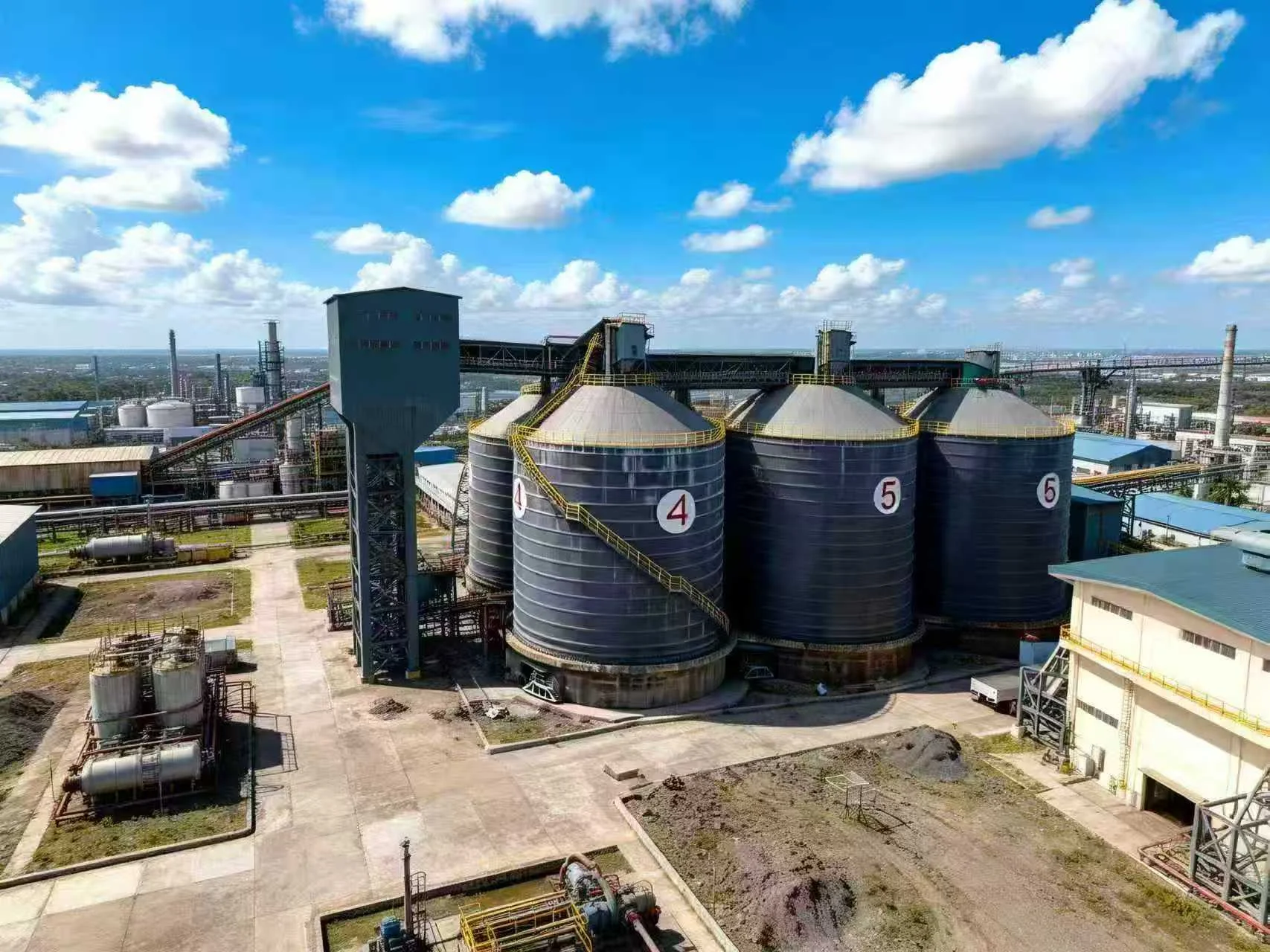
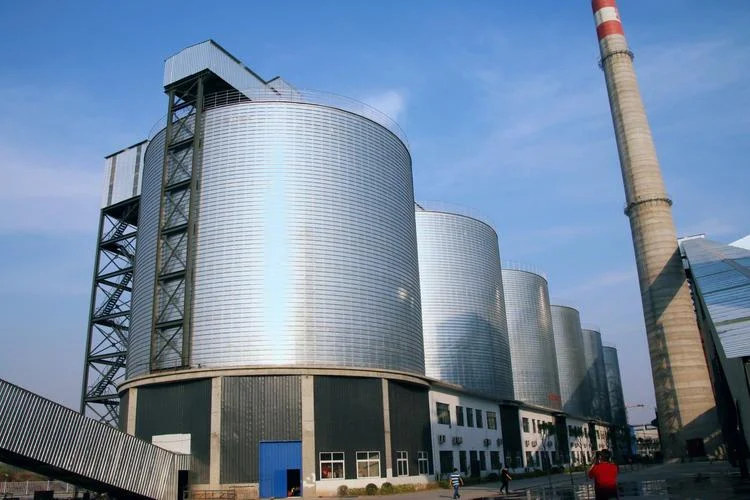


Every year, cement silo cleanout operations cause injuries—some fatal—that are entirely preventable with the right procedures. A 500-tonne cement silo can develop wall buildup reducing effective capacity by 30% in just 6 months, yet most operators rush the cleanout process and compromise safety.
Key Takeaways
- Core Data Point: Cement wall buildup can reduce silo capacity by 25–35% within a year, costing thousands in lost storage and increased bridging risks.
- Best Practice: Always use a confined space entry permit system and never rely on gravity alone—mechanical agitation or pneumatic lancing is required for hardened deposits.
- Risk Alert: Bridging and rat-holing are the #1 cause of sudden material collapse during cleanout; never stand on top of the material or enter without a safety harness and lifeline.
Why Cement Silo Buildup Happens and the Real Costs
Cement is hygroscopic—it absorbs moisture from the air even in sealed silos. Temperature swings between day and night cause condensation on silo walls, especially in climates with high humidity. This moisture reacts with the cement, forming a hard crust that bonds to steel or concrete surfaces. Over 12 months, I’ve seen buildup layers reach 150–300 mm thick in silos without proper aeration or insulation. That’s a direct hit to your usable volume: a 1000-tonne silo with 200 mm buildup loses roughly 250 tonnes of capacity. You’re paying for storage you can’t use.
Beyond lost capacity, buildup creates flow problems. Bridging—where material forms an arch above the discharge cone—stops flow entirely. Rat-holing leaves a narrow channel through the material while the rest stays stuck. Both force unscheduled cleanouts, which means downtime. A single cleanout for a mid-sized silo can take 2–3 days, costing $5,000–$15,000 in labor and lost production depending on your operation. And if you don’t have a proper plan, that number doubles when someone gets hurt.
Step-by-Step Safety Procedures for Silo Entry and Cleanout
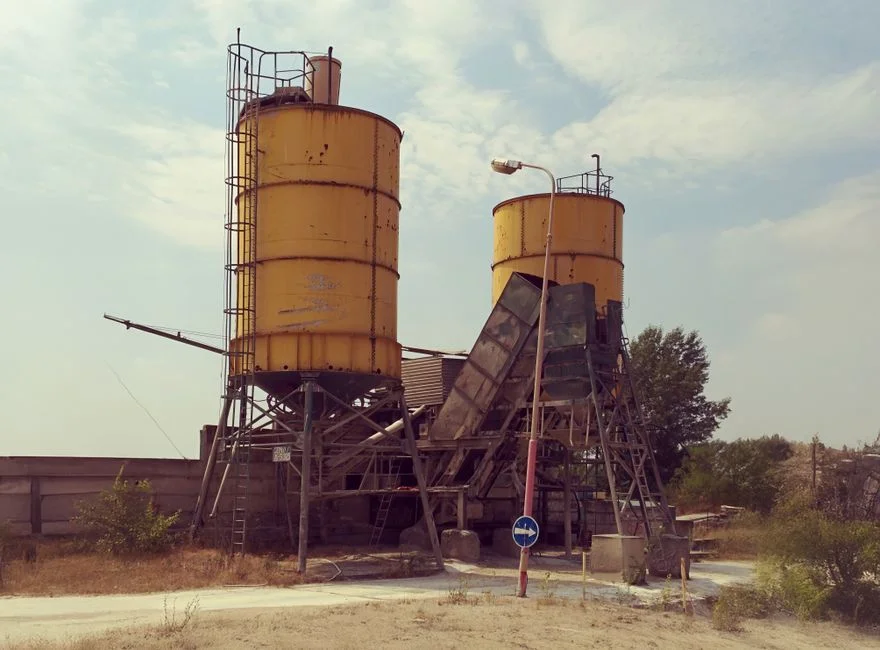
Before anyone climbs a ladder, lock out the discharge system and isolate all pneumatic conveying lines. Test the atmosphere inside the silo for oxygen content (19.5–23.5%), combustible dust (below 25% LEL), and toxic gases like carbon monoxide from decomposed cement. I always use a calibrated multi-gas detector with a sample pump—don’t rely on a single spot check. The air can stratify, so test at three depths: top, middle, and bottom of the material level. If the silo has been idle for weeks, the oxygen level near the bottom can drop below 18% due to cement settling and oxidation.
Mechanical vs. Manual Cleanout: When to Use What
For buildup under 50 mm thick, pneumatic lancing with compressed air at 6–8 bar can break the crust without entry. For thicker deposits, use a rotating whip or a vibratory hammer on the exterior shell—but only if the silo’s structural design allows it. Never use explosives or high-impact tools that can dent the shell. When manual entry is unavoidable, the team must wear full-body harnesses with retrieval lines, explosion-proof lighting, and respirators with P100 filters. A standby attendant must be outside with a winch and communication system. The rule: if you can’t see the attendant, you’re too deep.
The Hidden Danger of "Bridging" During Cleanout
Bridging is deceptive. The material looks solid from the top, but underneath it’s hollow. A worker stepping onto the crust can break through and get buried. I’ve seen a 2-meter-deep void collapse in under 3 seconds—there’s no time to react. Always break the bridge from a safe distance using a long pole or a water lance. If you must enter, use a platform or a cage that distributes weight. And never, ever work alone. Two-person teams with continuous radio contact are non-negotiable.
Efficient Cleanout Methods That Minimize Downtime
The fastest way to clean a cement silo is to prevent buildup in the first place. Install aeration pads or fluidizing nozzles at the cone to keep material flowing. For existing buildup, a combination of external vibration and internal lancing works best. I’ve used a rotating air cannon system that fires pulses at 10-second intervals—it breaks loose 80% of the buildup in 4 hours without entry. For severe cases, a vacuum truck can extract loose material from the top hatch while workers use lances from the bottom. This method cuts cleanout time from 3 days to 1 day. The key is to match the method to the buildup type: soft crust responds to air, hard crust needs mechanical scraping, and wet cement requires complete drying before removal.
Frequently Asked Questions
Q: How often should a cement silo be cleaned out?
A: It depends on your climate and usage. In humid regions, schedule a partial cleanout every 6 months and a full cleanout annually. In dry climates, every 12–18 months is sufficient. Monitor the discharge rate—if it drops by 15% or more, it’s time to clean.
Q: Can I use water to clean hardened cement inside a silo?
A: Never use water. Cement reacts with water and will set into a concrete-like mass that’s impossible to remove without jackhammering. Use dry methods: compressed air, mechanical scrapers, or vacuum extraction. If you must use a liquid, use a commercial cement dissolver that’s non-reactive.
Q: What’s the safest way to break a bridge in a cement silo?
A: From outside the silo. Use a long pole or a pneumatic lance inserted through a side port or top hatch. If you must enter, use a safety cage and a retrieval system. Never stand on top of the material—bridges can collapse without warning.
Q: Do I need a confined space permit for every silo cleanout?
A: Yes, legally in most jurisdictions. Even if the silo has a large opening, it’s still a confined space due to limited entry/exit and potential atmospheric hazards. The permit should include gas test results, rescue plan, and equipment checklist.
Q: How do I know if my silo has structural damage from buildup?
A: Look for bulging walls, cracks near welds, or uneven settlement. Buildup adds significant weight—a 200 mm layer of cement on a 500-tonne silo adds about 15 tonnes of load. If you see deformation, stop operations and have a structural engineer inspect before cleanout.
Q: What PPE is required for manual silo cleanout?
A: Full-body harness with D-ring, retrieval line, and shock absorber. Respirator with P100 filters (or supplied air if dust levels are high). Hard hat with chin strap, safety glasses, steel-toed boots, and cut-resistant gloves. All PPE must be non-sparking and rated for explosive dust environments.
Looking for Professional Silo Storage Solutions?
We provide customized design, manufacturing, and installation services for steel silo systems worldwide. Our team has over 15 years of experience in cement and bulk material handling, and we can help you design silos that minimize buildup and make cleanout safer.
Get Your Free Technical Consultation →