


Every year, thermal power plants worldwide lose millions of dollars to fly ash handling failures - blocked conveyors, leaking silos, and dust emissions that trigger regulatory fines. The root cause is almost always the same: treating fly ash as a simple powder instead of the abrasive, cohesive, and electrostatically charged material it actually is.
Key Takeaways
- Core Data Point: Fly ash particles range from 1-100 microns with a Mohs hardness of 6-7 (similar to quartz). A poorly specified fly ash handling system will destroy standard carbon steel pipes in 18-24 months. Use basalt-lined or Ni-hard pipes for any conveying distance over 50 meters.
- Best Practice: Dense-phase pneumatic conveying is the preferred fly ash handling method for distances over 100 meters. It uses 40% less energy than dilute-phase systems and generates significantly less pipe wear and particle degradation.
- Risk Alert: Fly ash collected from ESP hoppers is typically at 120-180\u00b0C. Conveying it directly into a silo without cooling or proper thermal expansion joints will crack concrete foundations and warp steel structures within 2-3 years.
The Complete Fly Ash Handling Process
A fly ash handling system covers the entire journey from collection at the boiler to final dispatch:
Stage 1: Collection from ESP/Baghouse
Fly ash is collected from electrostatic precipitators (ESP) or baghouse filters in hoppers beneath each field. The key challenge at this stage is maintaining consistent hopper discharge. Fly ash tends to compact and bridge in ESP hoppers, especially when temperature fluctuations cause condensation. Solutions include:
- Rapping systems (mechanical or electromagnetic) to dislodge compacted ash
- Heated hopper walls to prevent moisture condensation
- Bin activators or air pads at hopper outlets
Stage 2: Conveying to Storage
The conveying system transports fly ash from the collection hoppers to the storage silo. Two main approaches:
| Parameter | Dilute Phase | Dense Phase |
|---|---|---|
| Air velocity | 15-25 m/s | 3-8 m/s |
| Pressure | 0.5-1.0 bar | 1.5-4.0 bar |
| Pipe wear rate | High | Low (60-70% less) |
| Energy consumption | High | 40% less |
| Best for | Short distances (<100m) | Long distances (>100m) |
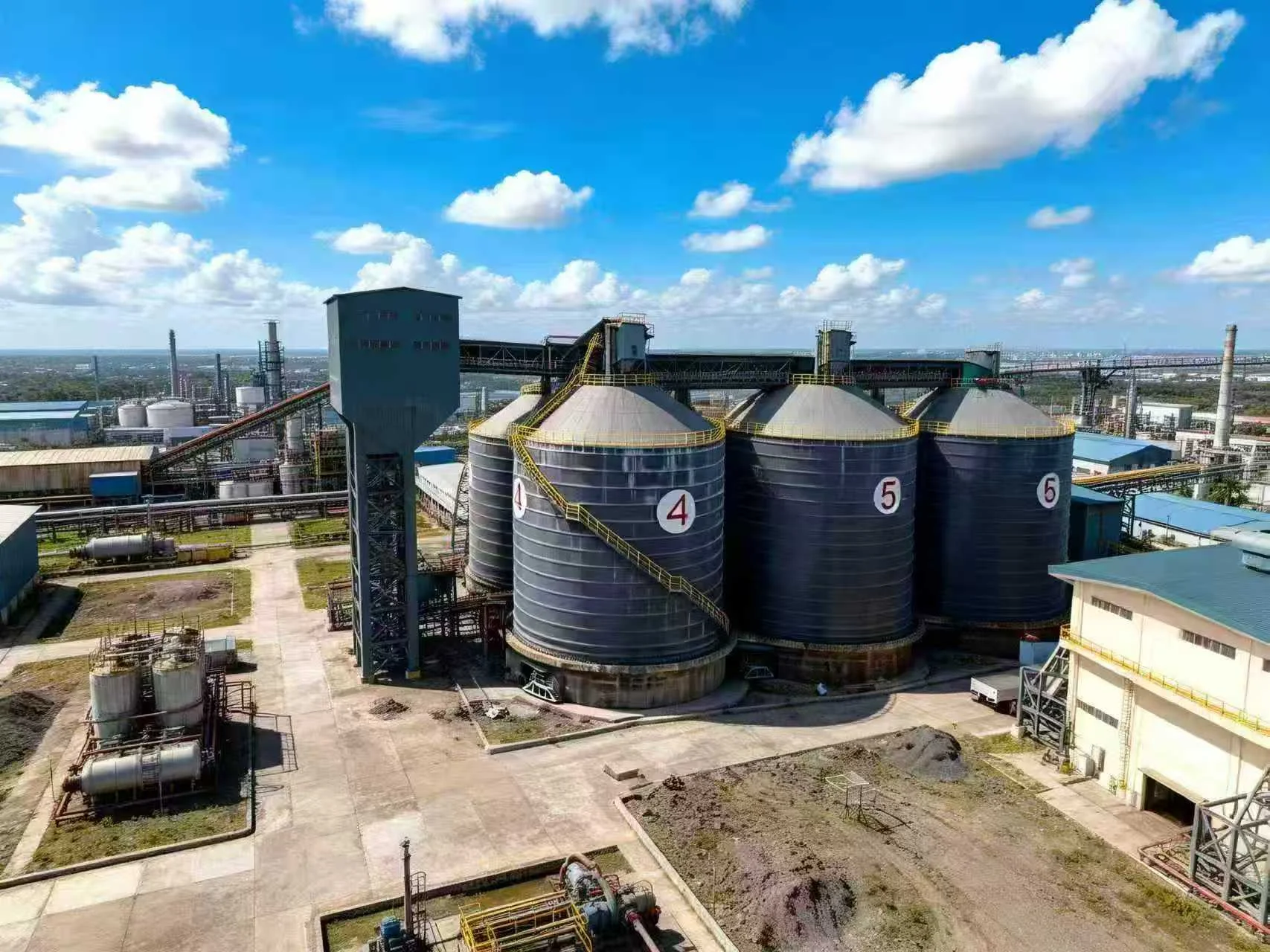
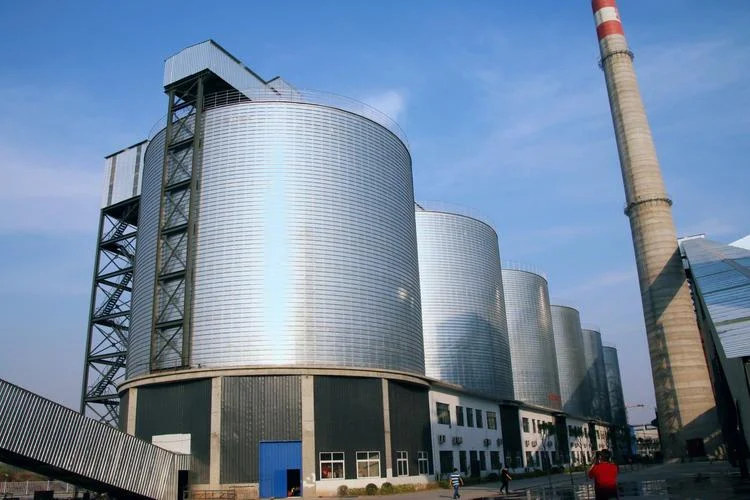
Stage 3: Silo Storage
Fly ash silos require specific design features that differ from cement or grain silos:
- Fluidizing aeration pads: Fly ash de-aerates rapidly and develops cohesive strength. Aeration pads on the silo cone and walls maintain flowability during discharge.
- Level monitoring: Both point-level (rotary paddle or capacitance probe) and continuous-level (radar or ultrasonic) sensors are needed to prevent overfilling and manage inventory.
- Dust collection: A bag filter on the silo roof handles displaced air during filling. Size it for the peak filling rate, not the average.
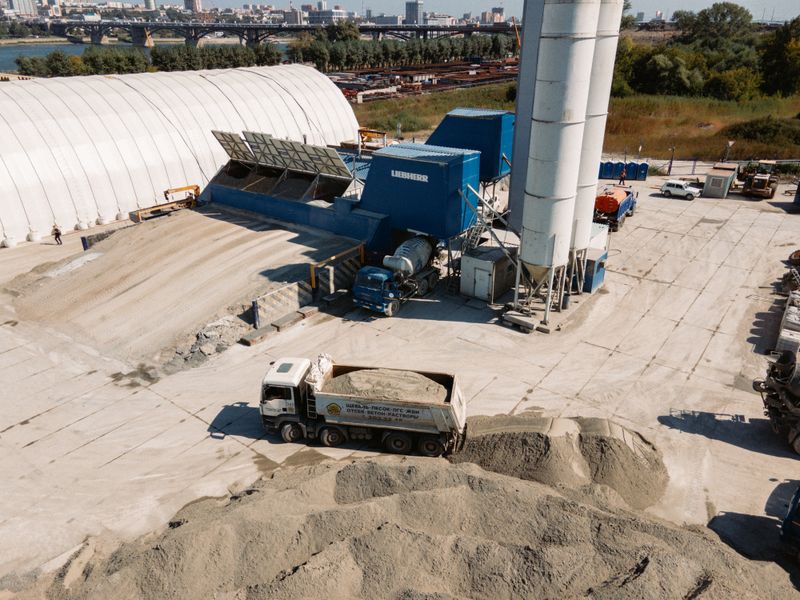
Stage 4: Dispatch and Loading
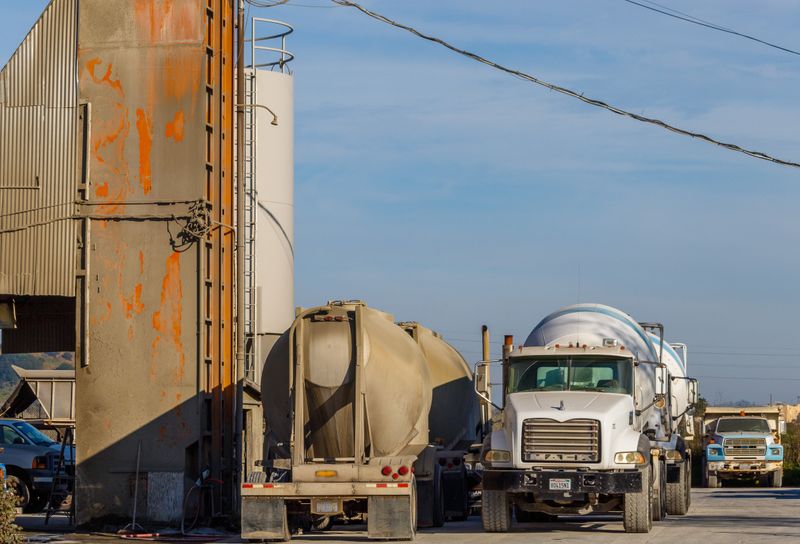
Fly ash dispatch typically uses one of three methods: bulk tanker loading (road or rail), bagging, or wetting for landfill. Bulk tanker loading requires a loading station with weighing, dust collection, and flow control. Bagging systems handle 20-50 kg bags at 200-600 bags/hour.
Common Fly Ash Handling Failures and Solutions
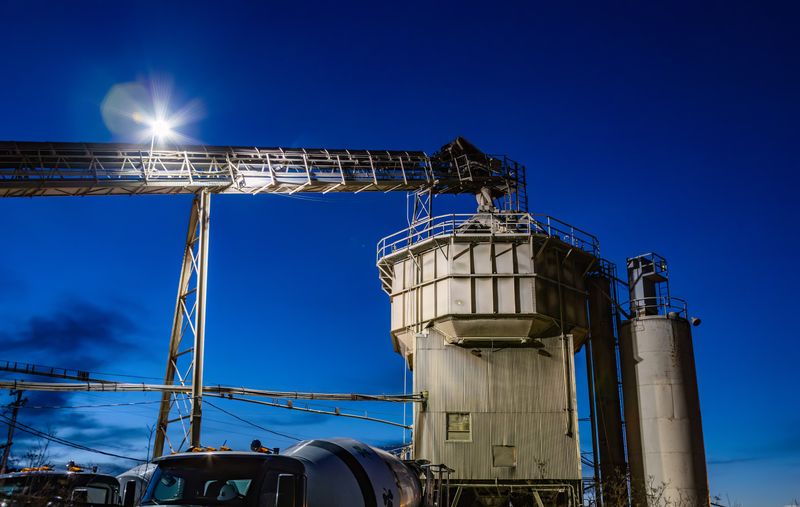
- Blocked conveyors: Usually caused by moisture ingress at the ESP hopper. Solution: Heated hoppers and sealed rotary valves.
- Pipe erosion: Fly ash at high velocity acts like sandpaper. Solution: Dense-phase conveying and basalt-lined pipes at bends.
- Silo bridging: Fly ash compacts under its own weight in silos taller than 15m. Solution: Mass-flow hopper design with aeration and air cannon systems.
- Dust emissions at loading: Fly ash is extremely fine (D50 = 20-30 microns) and generates visible dust clouds. Solution: Enclosed loading chutes with extraction.
Bottom Line
A fly ash handling system is only as reliable as its weakest component. A single blocked hopper or leaking conveyor joint can shut down the entire ash removal process, forcing the plant to either dump ash to landfill (losing revenue) or reduce boiler output (losing power generation revenue). Design the system holistically, specify abrasion-resistant materials throughout, and budget for regular inspection of wear-prone components.