
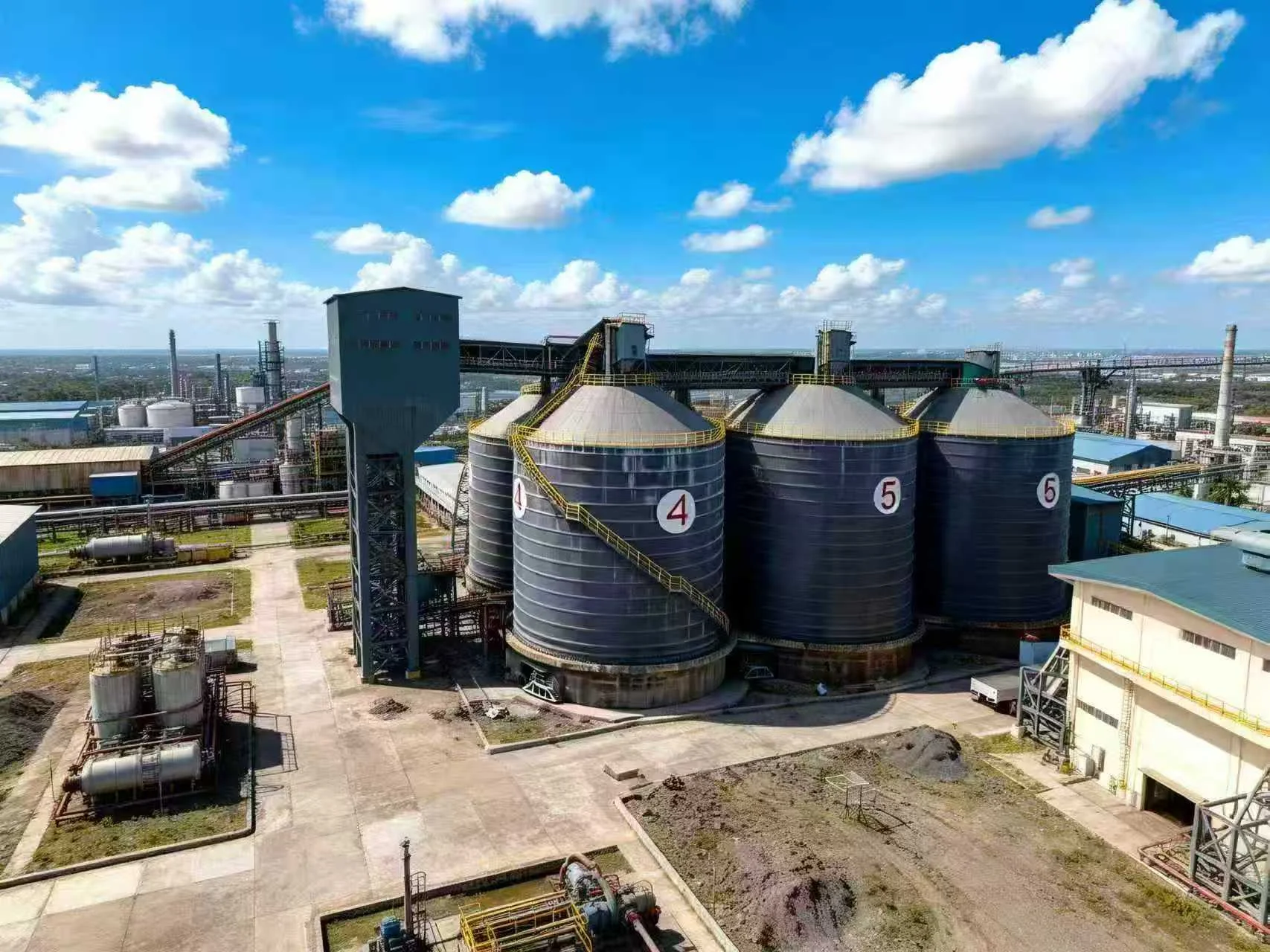
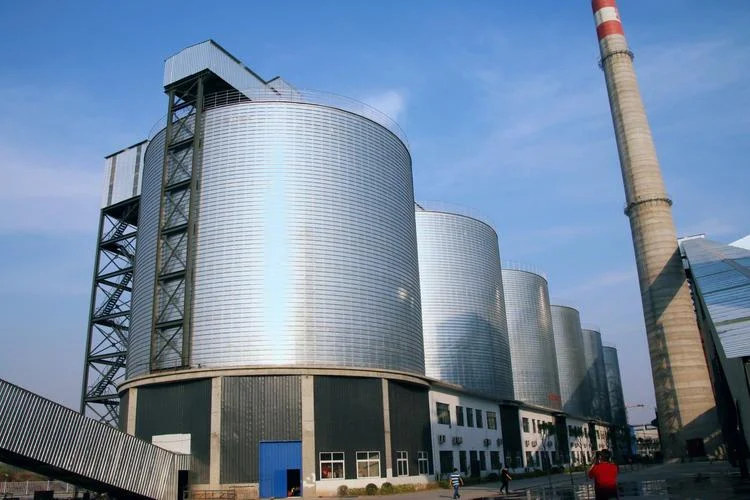


Low-velocity aeration for cement silo blending isn’t just a nice-to-have—it’s the difference between a consistent kiln feed and a costly shutdown. A properly designed system can reduce raw meal variation from ±5% to under ±1% while cutting energy consumption by 30% compared to high-pressure alternatives.
Key Takeaways
- Core Data Point: Low-velocity aeration systems operate at air velocities of 0.5–2 m/s, using 40–60% less compressed air than traditional high-velocity systems.
- Best Practice: Design aeration pads with a 15-degree slope and ceramic or porous plastic media to prevent clogging and ensure uniform air distribution.
- Risk Alert: Over-aeration (velocities above 3 m/s) can cause channeling, rat-holing, and material fluidization that actually worsens segregation.
How Low-Velocity Aeration Works in Cement Silo Blending
Low-velocity aeration injects air at controlled, low speeds through the silo bottom to gently fluidize the cement raw meal. The air—typically at 0.1–0.5 bar—lifts the material just enough to promote mixing without creating violent turbulence. In a blending silo, this is achieved by dividing the bottom into multiple aeration zones, each with its own air supply. The key is to keep the superficial air velocity below 2 m/s; above that, you risk turning the silo into a fluidized bed that discharges unpredictably.
Field data from dozens of installations show that a well-tuned low-velocity system can achieve a blending efficiency of 80–90%, meaning 80–90% of the silo’s content is actively mixed during a discharge cycle. Compare that to gravity-only discharge, which often leaves a dead zone of 20–30% at the bottom. The result? A more uniform kiln feed that directly translates to better clinker quality and lower fuel consumption. In one 5,000-ton raw meal silo, switching from high-velocity to low-velocity aeration reduced the standard deviation of CaO content from 2.5% to 0.8%.
Why Most Silo Blending Systems Fail—and How to Fix It
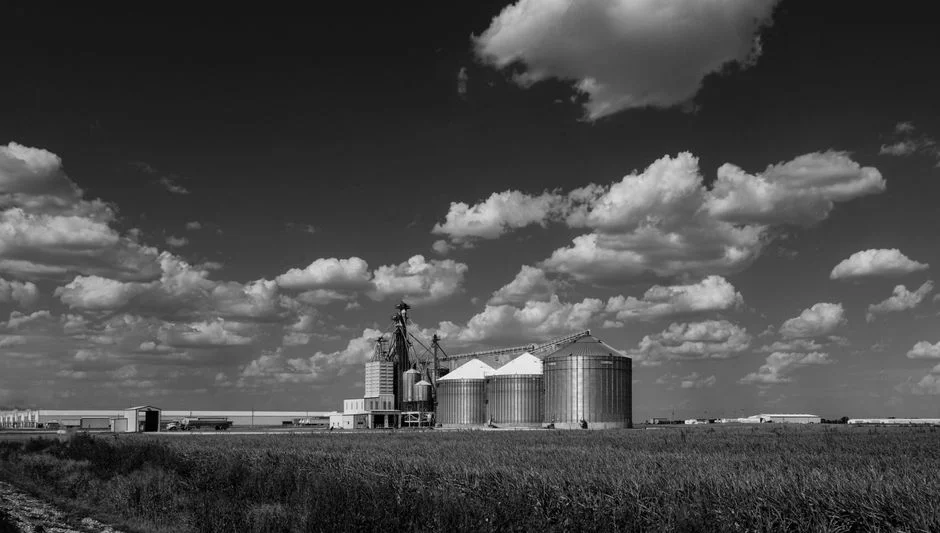
The biggest mistake I see is treating aeration as an afterthought. Engineers slap a few aeration pads on the silo floor and call it done. That’s a recipe for dead zones, bridging, and erratic discharge. The real fix starts with the aeration pattern. For a typical cement silo, divide the bottom into concentric rings or pie-shaped segments, each independently controlled. A common layout uses four to eight zones, with air flow rates adjusted based on the material’s angle of repose and particle size distribution. For raw meal with a median particle size of 30–50 microns, you need an aeration rate of 0.5–1.5 m³/min per square meter of silo floor.
Selection Criteria for Aeration Media
Don’t cheap out on the aeration pads. Ceramic or sintered stainless steel plates are the gold standard—they resist clogging from moisture and fine particles, and they last 10–15 years with minimal maintenance. Avoid fabric-based media; they degrade quickly in cement environments. The pore size should be 5–10 microns to ensure fine bubble distribution without excessive pressure drop. I’ve seen too many plants replace fabric pads every two years, wasting both money and production time.
The Hidden Danger of Condensation
Here’s something most manuals won’t tell you: low-velocity aeration systems are vulnerable to condensation, especially in humid climates. When warm, moist air hits the cold silo wall, it condenses and turns your raw meal into concrete. The fix is to preheat the aeration air to at least 10°C above the silo’s dew point. Install a simple inline heater and a temperature sensor at the air inlet. This one change can cut moisture-related blockages by 70%.
Implementation Strategies for Reliable Homogenization
Start with a silo geometry that supports blending: a height-to-diameter ratio of 1.5:1 to 2:1 is ideal. Too tall, and the material compacts at the bottom, making aeration ineffective. Too short, and you lose the gravity-driven mixing that complements the aeration. The aeration system should be integrated with the silo’s discharge cone—typically a 60–70 degree cone angle for raw meal—to ensure material flows evenly toward the outlet. Use a PLC-based control system that cycles aeration zones in sequence: for example, aerate zone 1 for 10 seconds, then zone 2, and so on. This creates a “fluidized wave” that pushes fresh material from the walls toward the center, maximizing blending.
For retrofits, the cost is surprisingly low. Adding a low-velocity aeration system to an existing 3,000-ton silo runs roughly $15,000–$25,000 in materials and labor, with a payback period of under six months from reduced kiln variability and lower energy costs. The key is to pressure-test every aeration line before commissioning—I’ve seen leaks at flanges waste 20% of the air flow. Use ball valves for zone isolation, and install pressure gauges at each zone for quick troubleshooting. A simple rule: if the pressure drop across a zone exceeds 0.2 bar, check for blocked pads or leaking pipes.
Frequently Asked Questions
Q: What’s the difference between low-velocity and high-velocity aeration in cement silos?
A: Low-velocity aeration uses air speeds under 2 m/s to gently fluidize material, promoting mixing without carryover. High-velocity systems (5–15 m/s) are used for pneumatic conveying but can cause material segregation and excessive dust generation in blending applications. Low-velocity systems also use 40–60% less compressed air, cutting energy costs significantly.
Q: How do I calculate the required aeration rate for my cement silo?
A: Start with the silo’s cross-sectional area. For raw meal, a typical aeration rate is 0.8–1.2 m³/min per m² of silo floor. Multiply by the number of zones you plan to aerate simultaneously. Then add a 20% safety factor for pressure losses in pipes and fittings. Always test with a portable flow meter after installation to verify actual flow rates.
Q: Can low-velocity aeration handle sticky or moist cement materials?
A: It depends on the moisture content. Materials with less than 1% moisture by weight aerate well. Above 2% moisture, you’ll need preheated air (10–20°C above ambient) to prevent caking. For very sticky materials like wet fly ash, consider adding mechanical vibrators on the silo cone as a backup. In extreme cases, a combination of low-velocity aeration and a screw feeder at the outlet works best.
Q: How often should I maintain the aeration system?
A: Inspect aeration pads every six months for wear and clogging. Clean them with compressed air or a soft brush—never use water, as it can cause cement hydration. Replace ceramic pads every 10–15 years, or sooner if pressure drop exceeds 0.3 bar. Check all air lines for leaks annually; a 1 mm hole at 0.5 bar can waste 5 m³ of air per hour.
Q: What’s the ideal silo geometry for low-velocity blending?
A: Aim for a height-to-diameter ratio of 1.5:1 to 2:1. The discharge cone should have a 60–70 degree slope (measured from horizontal) to ensure mass flow. Flat-bottom silos are not suitable for blending—they create dead zones that aeration can’t fully overcome. If you’re stuck with a flat bottom, consider retrofitting a cone insert.
Q: Can I use low-velocity aeration for cement storage silos, not just blending?
A: Yes, but with caution. For storage silos, aeration is mainly used to prevent bridging and ensure reliable discharge. Use a lower aeration rate (0.3–0.5 m³/min per m²) and cycle zones less frequently. Over-aerating stored cement can cause it to lose strength due to premature hydration from moisture in the air. Always use dry, filtered air for storage applications.
Looking for Professional Silo Storage Solutions?
We provide customized design, manufacturing, and installation services for steel silo systems worldwide.
Get Your Free Technical Consultation →