
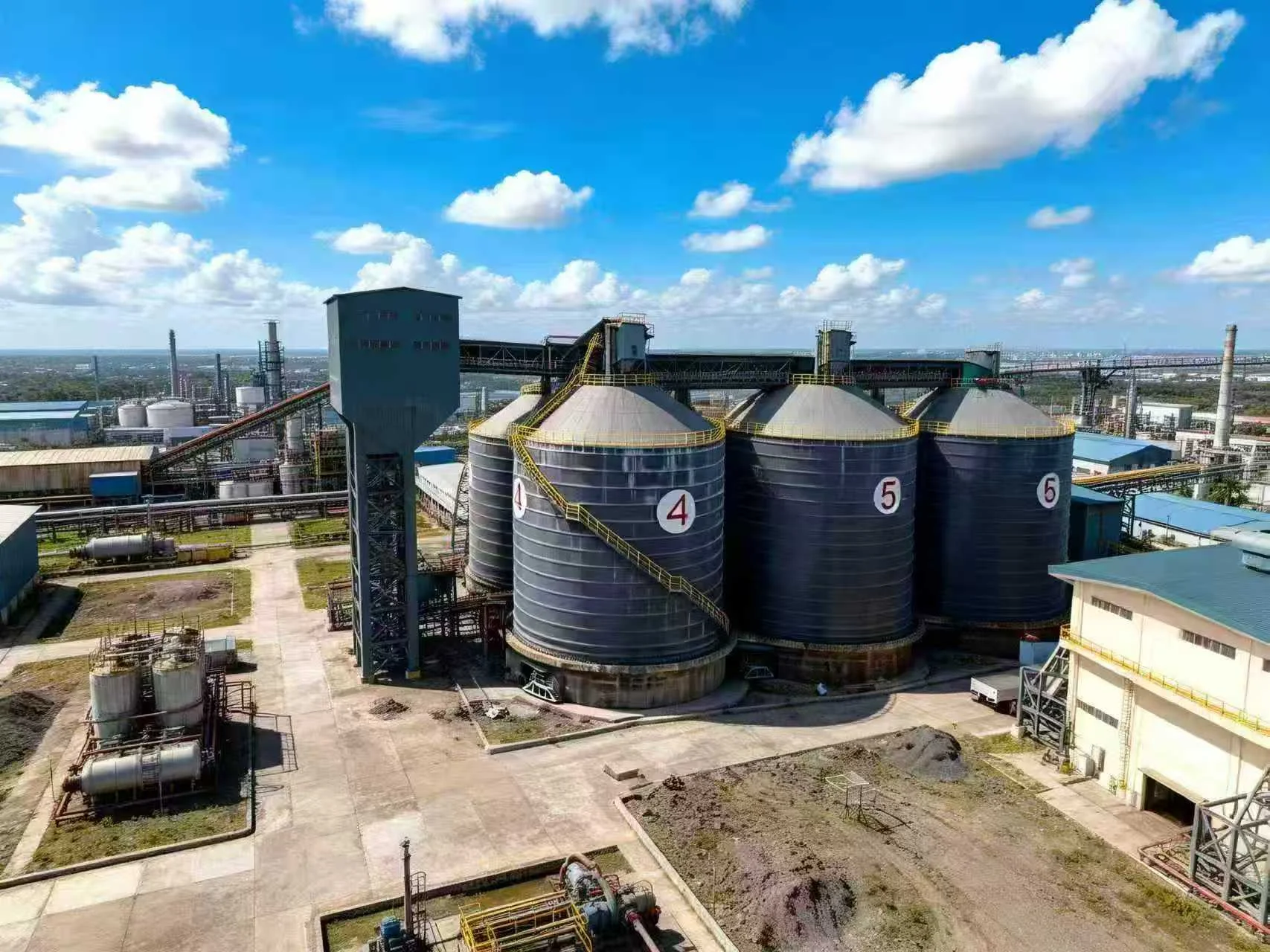
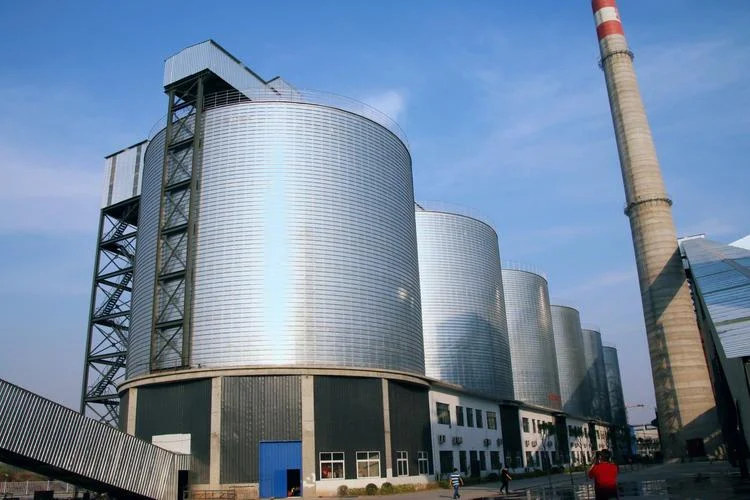


Grain dust explosions remain one of the most catastrophic risks in bulk storage facilities, with the NFPA reporting an average of 10-15 significant incidents annually in the U.S. alone. Understanding the specific ignition mechanisms and implementing layered prevention strategies isn't just regulatory compliance—it's the difference between a routine operation and a facility-wide disaster.
Understanding the Combustible Dust Pentagon in Grain Handling
The classic fire triangle—fuel, oxygen, and heat—expands to a pentagon when dealing with grain dust explosions. The two additional elements are dust dispersion (creating a suspended cloud) and confinement (within the silo or bucket elevator). Grain dust with particle sizes below 420 microns, at concentrations between 50-1000 g/m³, creates an explosive atmosphere. We've seen facilities where a single bucket elevator leg accumulated over 3mm of dust on ledges—enough to fuel a primary explosion that dislodges settled dust for a devastating secondary event.
Primary explosions typically occur inside enclosed equipment like hammer mills, dryers, or bucket elevators. The pressure wave from even a small primary event can suspend years of accumulated dust on structural surfaces, creating a fuel-air cloud that dwarfs the initial blast. This cascade effect explains why over 60% of grain explosion fatalities result from secondary explosions, not the initial ignition.
NFPA 61 Compliance: Beyond the Checklist to Engineering Controls
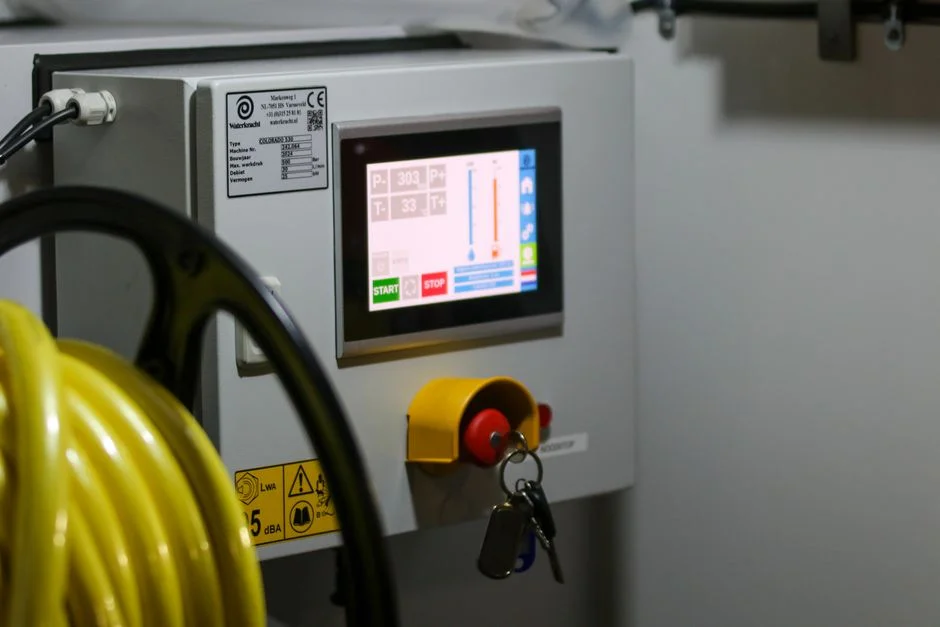
NFPA 61 (Standard for the Prevention of Fires and Dust Explosions in Agricultural and Food Processing Facilities) provides the framework, but compliance requires understanding the hazard classification of each zone. For grain storage, we classify areas as Class II, Division 1 or 2, depending on dust presence during normal operations. The critical engineering controls include: explosion venting (venting area ratio of 1:20 to 1:40 of enclosure volume), suppression systems (detection within 50ms, suppressant discharge within 100ms), and isolation valves to prevent flame propagation between interconnected vessels. A professional silo manufacturer will integrate these into the structural design, not as afterthoughts.
We strongly recommend adopting the Hierarchy of Controls for dust management: elimination (process redesign), substitution (less dusty materials), engineering controls (ventilation, housekeeping), administrative controls (procedures), and PPE. Too many facilities skip directly to PPE and procedures, ignoring the structural engineering solutions that provide the highest reliability. For instance, proper silo design innovations now incorporate smooth interior surfaces and sloped bottoms to minimize dust accumulation points—a principle equally applicable to grain storage.
Ignition Source Identification and Mitigation
Mechanical sparks from foreign materials entering hammer mills account for roughly 30% of grain dust ignition sources. Install magnetic separators and pneumatic detectors at material intake points. Friction from misaligned belt conveyors and overheating bearings contribute another 25%. Implement vibration and temperature monitoring on all rotating equipment, with automatic shutdown at 80°C bearing temperature.
Housekeeping: The Most Underestimated Control
The "5mm rule" is a practical threshold: if dust accumulation on any surface exceeds 5mm (1/32 inch) over 5% of the floor area, the facility is at risk. This isn't a cleanliness standard—it's an explosion prevention metric. Weekly vacuum cleaning with explosion-proof equipment is non-negotiable. Compressed air blowdown should be prohibited unless part of a controlled, documented procedure with all ignition sources isolated.
Key Takeaways
- Core Data Point: Over 60% of grain dust explosion fatalities are caused by secondary explosions, not primary ignitions—making housekeeping and containment critical.
- Best Practice: Implement a zoned hazard classification (NFPA 61) with explosion venting ratios of 1:20 to 1:40 for enclosed equipment, verified by computational fluid dynamics (CFD) modeling.
- Risk Alert: Bucket elevator legs are the most common primary explosion location—install active suppression and passive isolation (e.g., rotary valves or flap gates) on every leg.
Designing for Explosion Relief: Venting, Suppression, and Isolation
Passive explosion venting remains the most cost-effective solution for grain silos, but it requires accurate vent sizing based on the vessel's volume, strength, and the dust's Kst value (deflagration index). For grain dust, Kst typically ranges from 50-150 bar·m/s, requiring vent areas of 0.1-0.2 m² per 10 m³ of vessel volume. Vents must be directed to safe outdoor areas, at least 10 meters from building air intakes or occupied spaces. Active suppression systems, using optical flame detectors and high-rate discharge suppressant (typically sodium bicarbonate or water mist), are recommended for indoor equipment where venting is impractical. Isolation devices like chemical isolation barriers or mechanical flap valves must be installed on all interconnecting ductwork between silos and processing areas.
We've observed that many facilities neglect the structural reinforcement required for explosion relief. A vented explosion still generates significant pressure (typically 0.2-0.5 bar). Silo walls and roof connections must be designed to withstand this pressure, with explosion-resistant construction using reinforced concrete or steel. The load capacity calculations for silo structures must include dynamic loading scenarios from internal deflagration events, not just static grain pressure. This is where an experienced engineering team differentiates a safe design from a code-minimum one.
Operational Monitoring and Maintenance Best Practices
Continuous monitoring systems are no longer optional. Install bearing temperature sensors on bucket elevator head and tail pulleys, with alarms at 65°C and automatic shutdown at 80°C. Belt alignment sensors prevent friction ignition. Level indicators in silos prevent overfilling, which can cause grain degradation and dust generation. Implement a lockout/tagout (LOTO) program for all maintenance activities, particularly welding or grinding, which are common ignition sources during repairs. We recommend a monthly inspection checklist covering: dust accumulation on ledges and beams, condition of explosion vents (no corrosion or blockage), functionality of suppression system detection circuits, and grounding continuity of all equipment (resistance to ground below 10 ohms).
Proper silo accessory selection—including pressure relief valves, level indicators, and aeration systems—directly impacts dust generation. For grain storage, avoid high-pressure aeration that can suspend dust; use low-pressure systems with diffusers. Similarly, the design of fly ash silo accessories like discharge valves and dust collectors offers cross-industry lessons for minimizing fugitive dust.
Frequently Asked Questions
Q: What is the difference between a primary and secondary dust explosion, and which is more dangerous?
A: A primary explosion occurs inside enclosed equipment (bucket elevator, mill, silo) when an ignition source contacts a dust cloud. It generates a pressure wave of 0.2-1 bar. The secondary explosion happens when this pressure wave suspends accumulated dust on floors, beams, and ledges throughout the building, creating a massive fuel-air mixture that ignites. Secondary explosions are far more dangerous because they involve larger volumes, higher pressures (up to 10 bar), and cause structural collapse. This is why NFPA 61 emphasizes housekeeping as a critical control—to eliminate the fuel for secondary events.
Q: How do I determine the correct explosion vent area for my grain silo without over-engineering?
A: Vent area is calculated using the Kst value of the specific grain dust (tested per ASTM E1226), the vessel volume (V), and the reduced pressure (P_red) the structure can withstand. The standard formula from NFPA 68 is: Av = (C * V^(2/3)) / (P_red^0.5), where C is a constant based on Kst. For corn dust (Kst ~100 bar·m/s), a 500 m³ silo with a P_red of 0.2 bar requires approximately 12-15 m² of vent area. CFD modeling is recommended for complex geometries or interconnected systems. Over-venting is safer but increases costs; under-venting risks structural failure. Always consult a professional engineer with explosion protection expertise.
Looking for Professional Silo Storage Solutions?
We provide customized design, manufacturing, and installation services for steel silo systems worldwide, including explosion prevention engineering tailored to your grain storage facility.
Get Your Free Technical Consultation →