
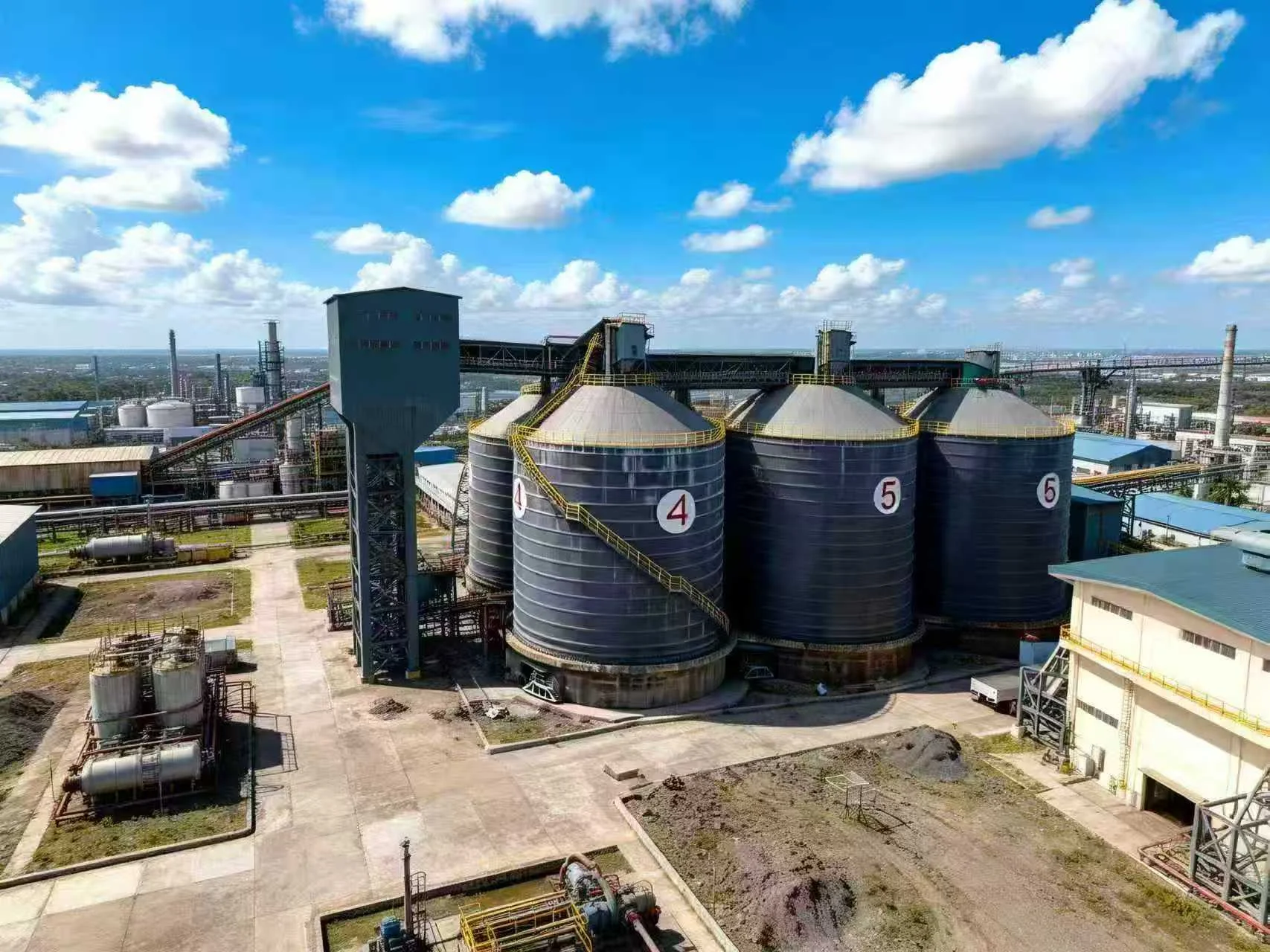
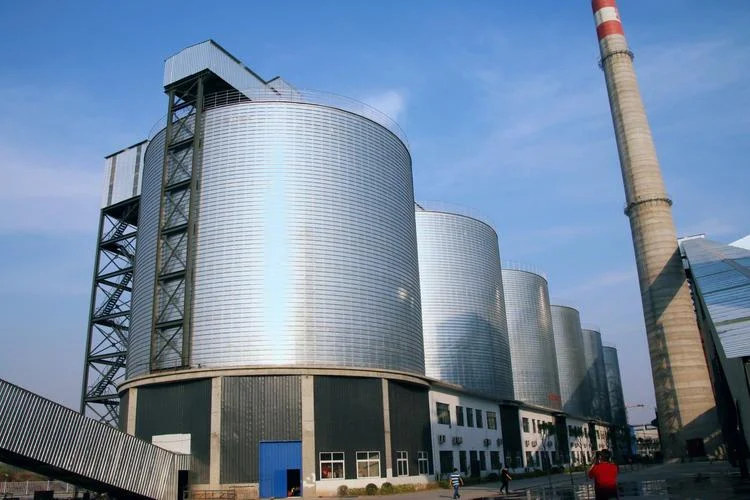


Corrosion and abrasion are the silent killers of steel silo investments, often reducing service life by 40-60% in harsh industrial environments. While traditional protective coatings fail within 3-5 years, nanotechnology-based solutions are proving to extend maintenance intervals to over a decade. This article examines the science, application, and real-world performance of nano-coatings for bulk storage structures.
How Nanotechnology Coatings Overcome Traditional Corrosion Protection Limits
Conventional epoxy and polyurethane coatings rely on film thickness—typically 200-400 microns—to create a barrier against moisture and chemicals. The problem is microscopic porosity. Even pinhole defects allow oxygen and chloride ions to penetrate, initiating under-film corrosion. Nanotechnology coatings incorporate particles between 1-100 nanometers, such as nano-silica (SiO₂) or nano-alumina (Al₂O₃), which fill these voids at a molecular level. Field data from cement terminals shows that a 150-micron nano-ceramic coating achieves a salt spray resistance exceeding 3,000 hours, compared to 800-1,200 hours for standard epoxies.
The mechanism is twofold. First, the high surface-area-to-volume ratio of nanoparticles creates a tortuous path for corrosive agents, drastically reducing permeability. Second, reactive nanoparticles like zinc oxide (ZnO) provide cathodic protection by sacrificing themselves before the steel substrate corrodes. For silos storing aggressive materials like fly ash or clinker, this dual-action protection is critical. An experienced engineering team can apply these coatings in a single coat, reducing labor costs by up to 30% compared to multi-coat conventional systems, while achieving superior adhesion strength (pull-off values >12 MPa).
Nanocoating Performance in Abrasive and High-Temperature Bulk Storage

Steel silos handling cement, coal, and fly ash face constant abrasion from particle impact, especially during filling and discharge cycles. Traditional coatings erode quickly at chute impact points and cone walls. Nano-reinforced polyurea coatings, with a hardness of Shore D 70-80, demonstrate Taber abrasion resistance (CS-17 wheel, 1000g load) of less than 30 mg weight loss per 1000 cycles—roughly four times better than standard polyurea. For reliable powder and ore storage systems for mining projects, this durability translates directly into reduced downtime for patch repairs.
Thermal Stability and Chemical Resistance
Many bulk materials exit processes at elevated temperatures—clinker can reach 150°C, and fly ash from baghouse filters often exceeds 120°C. Nano-ceramic coatings containing silicon carbide (SiC) or boron nitride (BN) maintain structural integrity up to 400°C without delamination. Chemical resistance testing shows that these coatings withstand pH ranges from 1 to 14, making them suitable for silos that alternate between acidic coal storage and alkaline fly ash. The key is proper surface preparation: white metal blast cleaning (Sa 3 per ISO 8501-1) and a surface profile of 75-100 microns ensure mechanical interlocking of the nano-particles.
Application Best Practices for Industrial Silos
A common mistake is applying nano-coatings over existing, partially degraded paint systems. The high solvent content in nano-formulations can lift old coatings, causing blistering. We recommend complete removal of previous coatings via abrasive blasting, followed by a wash primer containing nano-zinc phosphate. For fly ash silo cost factors from design to installation, the initial investment in nanocoating is 15-25% higher than conventional systems, but life-cycle analysis shows a 50-60% reduction in total maintenance expenditure over 20 years. Ambient conditions during application must be controlled: relative humidity below 50%, steel temperature at least 3°C above dew point, and a 24-hour cure before material loading.
Key Takeaways
- Core Data Point: Nano-ceramic coatings provide 3,000+ hours of salt spray resistance—3-4 times longer than standard epoxies—based on ASTM B117 testing.
- Best Practice: Always specify white metal blast cleaning (Sa 3) and a 75-100 micron anchor profile for optimal nano-coating adhesion.
- Risk Alert: Applying nano-coatings over old paint systems can cause delamination within 6-12 months due to solvent incompatibility.
Evaluating Nanocoating ROI for Cement, Coal, and Fly Ash Silos
The decision to invest in nanotechnology coatings hinges on total cost of ownership. For a typical 3,000-tonne cement silo, a conventional coating system costs approximately $45,000-$60,000 and requires recoating every 5-7 years. A nano-ceramic system costs $55,000-$75,000 but extends recoating intervals to 12-15 years. Over a 30-year service life, the nanocoating option saves $90,000-$120,000 in direct coating costs alone, not accounting for production losses during maintenance shutdowns. For innovations in fly ash silo design trends, integrated nano-coatings are becoming a standard specification for new builds.
However, not all nano-coatings are equal. We advise caution with products marketed as "nano" that contain only 1-2% nanoparticles by volume. Effective formulations typically have 8-15% nanoparticle loading, verified by scanning electron microscopy (SEM) analysis. Additionally, UV stability remains a concern for exterior silo surfaces—nano-titanium dioxide (TiO₂) additives can mitigate UV degradation, but periodic topcoats every 8-10 years may still be necessary in high-solar-exposure regions. Always request third-party test reports for abrasion, chemical resistance, and adhesion specific to your stored material.
Frequently Asked Questions
Q: Can nanotechnology coatings be applied to existing, corroded silos without complete surface preparation?
A: No. Even the most advanced nano-coatings require a near-white metal surface (Sa 2.5 or Sa 3) to achieve proper adhesion. Attempting to apply over rust or mill scale will result in premature failure within 18-24 months. For in-service silos, we recommend spot blasting to bare metal, followed by a full nanocoating application. The cost of surface preparation is non-negotiable—it typically represents 40-50% of the total coating project cost.
Q: How do nano-coatings affect silo structural integrity during welding or hot-work repairs?
A: Nano-ceramic coatings have high thermal conductivity (2-5 W/m·K) compared to organic coatings (0.1-0.3 W/m·K), which helps dissipate heat during welding. However, any coating will burn and degrade in the heat-affected zone. We recommend removing coating 50mm around any weld area, performing the repair, and then reapplying nanocoating using a cold-spray application method. Post-repair, a spark test (5,000-10,000 volts) should confirm coating continuity.
Looking for Professional Silo Storage Solutions?
We provide customized design, manufacturing, and installation services for steel silo systems worldwide, including advanced nanocoating applications for extended service life.
Get Your Free Technical Consultation →