
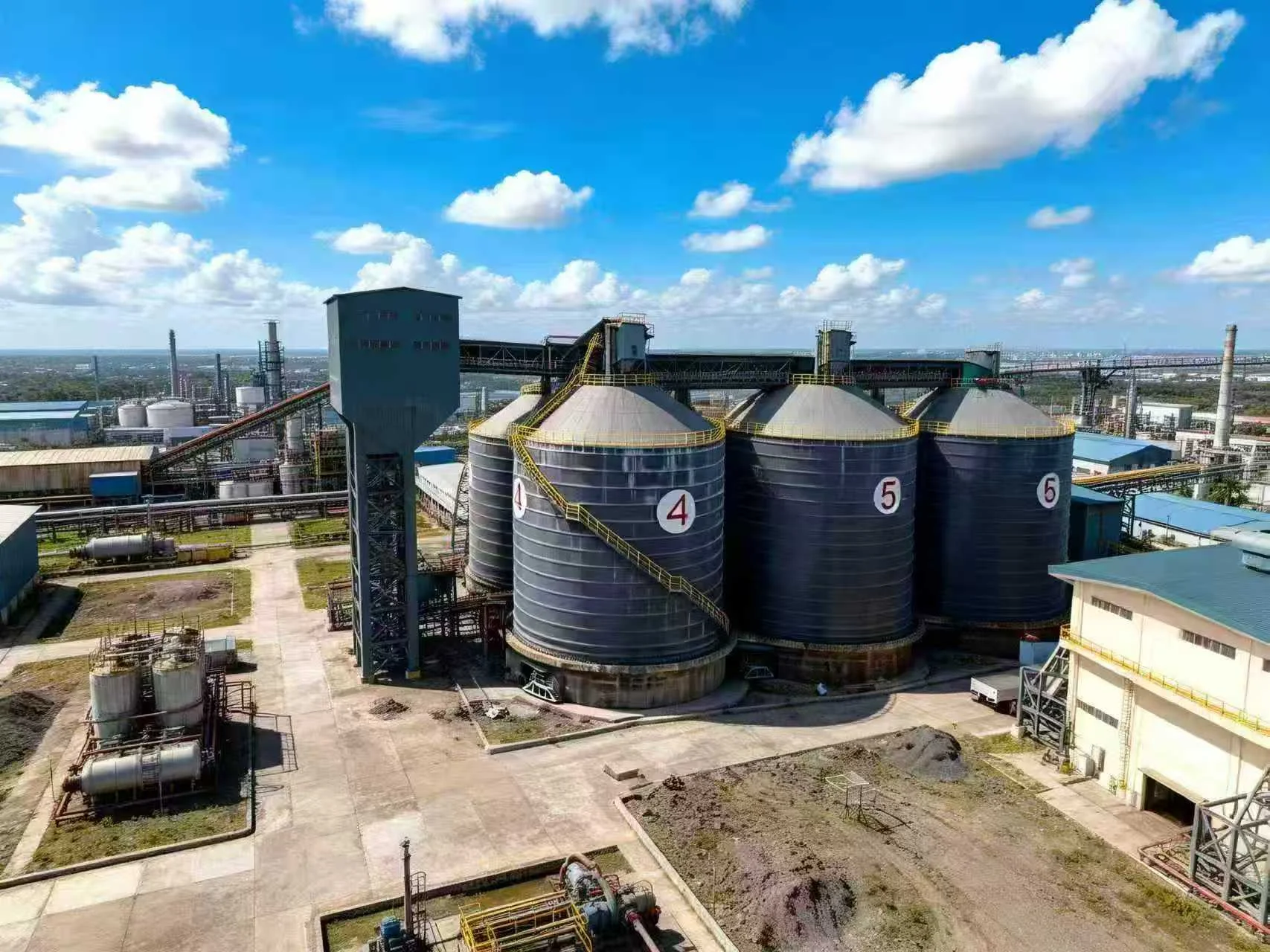
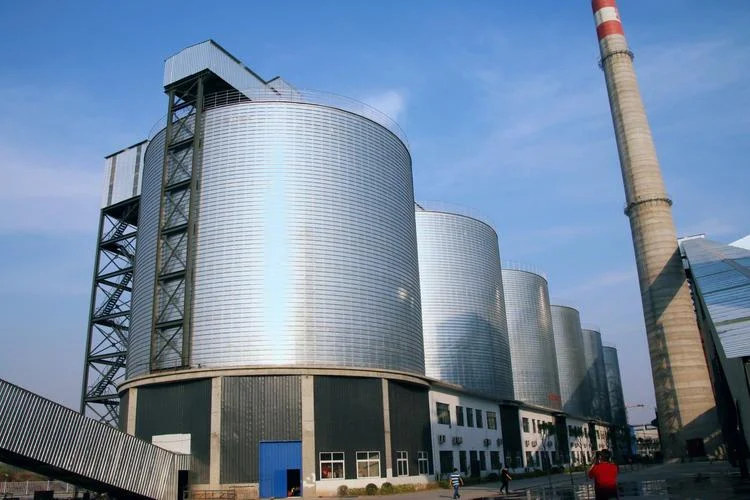


When stockpiling cement, clinker, or fly ash on a temporary basis, choosing between an open-top silo and a covered silo can directly impact material quality and operational uptime. Many site managers underestimate how quickly moisture and cross-contamination degrade bulk materials—studies show that uncovered stockpiles can lose up to 15% of material value due to hydration and dust generation within just three months.
Open-Top Silos vs Covered Silos: Key Structural and Operational Differences for Temporary Storage
Open-top silos are essentially large, cylindrical bins without a roof, relying on the material's own angle of repose to form a protective crust. They are fast to load using belt conveyors or front-end loaders, and the initial capital cost is roughly 20–30% lower than a covered silo of equivalent volume. However, this design leaves the top surface exposed to rain, wind, and airborne dust. For
materials like fly ash or fine cement, wind erosion can remove up to 5% of the stored volume annually, while moisture ingress causes caking at the cone outlet—a problem we've seen force unscheduled cleanouts every six months.Covered silos, in contrast, incorporate a fixed roof—often a self-supporting steel dome or a truss-supported cone—that fully encloses the material. The added roof structure increases fabrication and erection costs by about 15–20%, but it eliminates moisture exposure and reduces dust emissions to near zero. For temporary stockpiling (3–12 months), the break-even point typically occurs when the stored material value exceeds roughly $50 per ton; below that, open-top may be more economical.
How Material Type Drives the Decision: Moisture Sensitivity and Dust Control
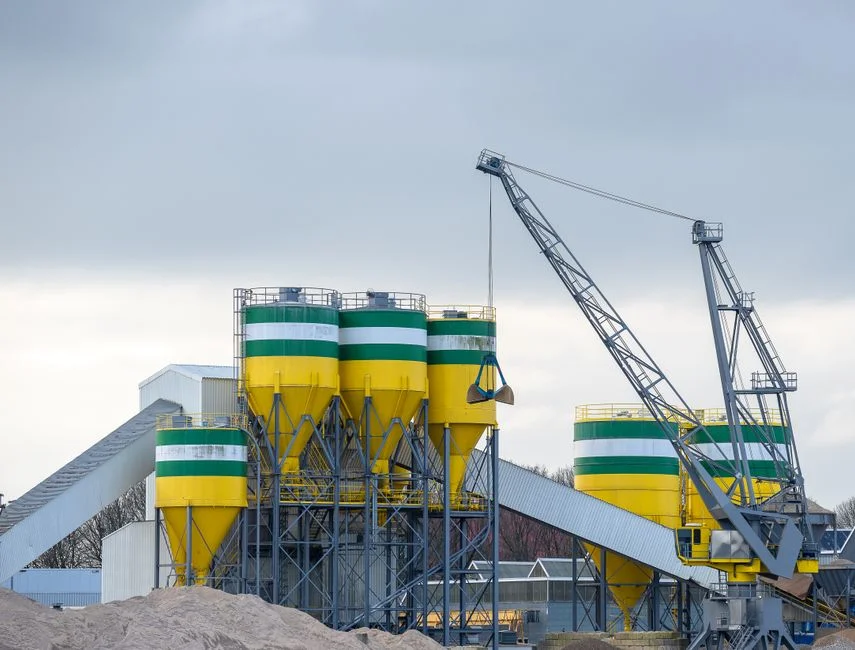
The most critical factor is the material's hygroscopic behavior. Cement, fly ash, and lime all have high surface reactivity—fly ash can absorb up to 8% moisture by weight before flowability is compromised. In an open-top silo, even a single rain event can saturate the top 300 mm of material, forming a hard crust that requires mechanical breaking before discharge. For a professional silo manufacturer, the design remedy involves specifying a steeper cone angle (60° or more) and a larger outlet to reduce bridging risk, but this adds cost without solving the root cause.
Selecting the Right Discharge System
For covered silos handling fly ash or cement, a fluidized bed discharge system with aeration pads is standard practice. The roof allows us to install top-entry level indicators and pressure relief vents without weatherproofing concerns. For open-top designs, we recommend a center-draw hopper with a vibrating bin activator, but this system struggles with wet material—field data shows a 40% increase in maintenance frequency when moisture exceeds 2%.
Common Misconception: "Open-Top Means Ventilation"
Many engineers assume open-top silos naturally vent moisture. In reality, the opposite occurs: warm air trapped under the crust condenses at night, creating a self-wetting cycle. This is especially problematic for clinker storage, where hydration can reduce cement strength by 10–15% downstream. Covered silos with forced ventilation (0.5–1.0 air changes per hour) actively control humidity below 60% RH, preserving material quality.
Key Takeaways
- Core Data Point: Open-top silos cost 20–30% less upfront, but moisture-related losses can exceed 10% of material value annually for hygroscopic powders.
- Best Practice: Choose covered silos for any material with a moisture absorption rate above 3% by weight, or when stockpiling exceeds 6 months.
- Risk Alert: Open-top silos handling cement or fly ash require weekly crust inspection and removal—ignoring this can block the outlet and cause structural overloading.
Implementation Roadmap: Matching Silo Type to Site Constraints and Budget
Start by quantifying your material's moisture sensitivity using a simple test: expose a 5 kg sample to 90% RH for 48 hours and measure weight gain. If it exceeds 4%, a covered silo is mandatory. Next, evaluate site dust regulations—many jurisdictions now impose a 20 mg/m³ particulate limit, which open-top silos can rarely meet without add-on dust collection systems that cost $8,000–$15,000 each. For temporary stockpiles under 2,000 tons, a covered silo with a bolted steel roof offers the best payback, as it can be disassembled and relocated. For larger volumes (5,000+ tons), an open-top with a retractable tarp cover is a hybrid compromise, though tarps require replacement every 18–24 months.
When designing the foundation, remember that open-top silos exert higher wind loads due to the lack of a roof diaphragm—this often necessitates a deeper ring beam. For
a detailed comparison of structural systems, see our guide on Modular Steel Silos vs Concrete Silos, which covers load distribution and foundation requirements. Additionally, for materials like fly ash, the discharge geometry must account for the material's angle of repose (typically 35–40° for aerated fly ash). Our How to Design Fly Ash Silos for Maximum Efficiency article provides specific hopper angle calculations.Frequently Asked Questions
Q: Can an open-top silo be retrofitted with a roof after construction if material requirements change?
A: Yes, but it's not trivial. Retrofitting a roof onto an existing open-top silo requires welding attachment brackets to the top ring, which may compromise the shell's fatigue life if the original design didn't account for roof loads. We typically recommend a self-supporting aluminum dome roof that adds only 8–12 kg/m² of dead load—this avoids overstressing the sidewalls. Expect a 25–30% cost premium over a purpose-built covered silo due to field modifications and temporary material handling during installation.
Q: How does the discharge reliability of open-top versus covered silos compare for sticky materials like wet clinker?
A: In our field experience, covered silos with aeration systems achieve 98% discharge reliability for clinker at moisture levels up to 5%, while open-top silos drop to 75% reliability above 3% moisture. The key issue is that open-top silos allow rain to enter at the top, which trickles down and forms a wet cone at the outlet—this creates a "dead zone" that can hold 10–15% of the stored volume. For sticky materials, we always specify a covered design with a 70° hopper slope and a 600 mm diameter outlet, combined with a pneumatic hammer for breakaway.
Looking for Professional Silo Storage Solutions?
We provide customized design, manufacturing, and installation services for steel silo systems worldwide. Our engineering team can help you select the optimal silo type for your temporary stockpiling needs, with detailed cost-benefit analysis and structural calculations.
Get Your Free Technical Consultation →