
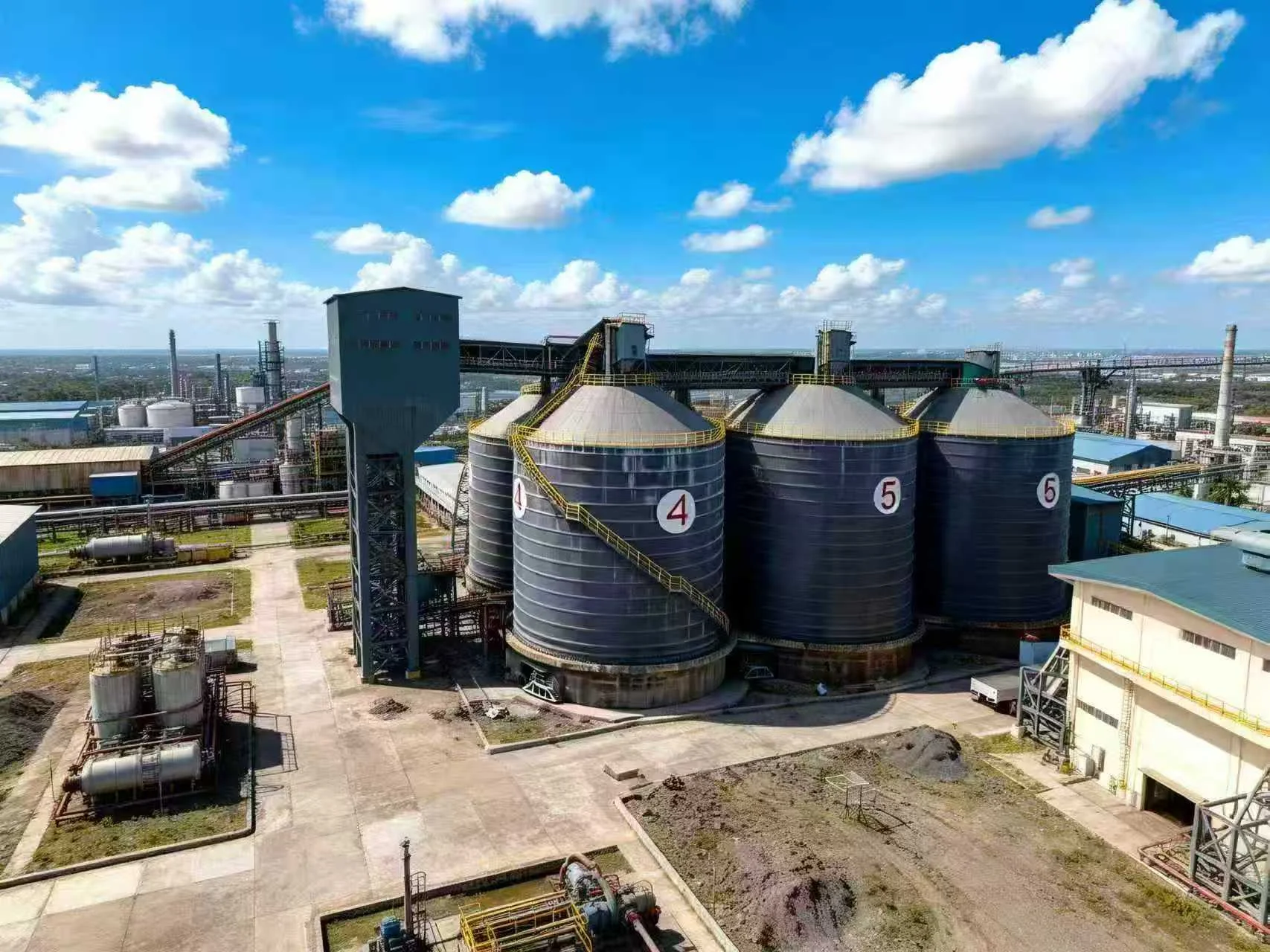
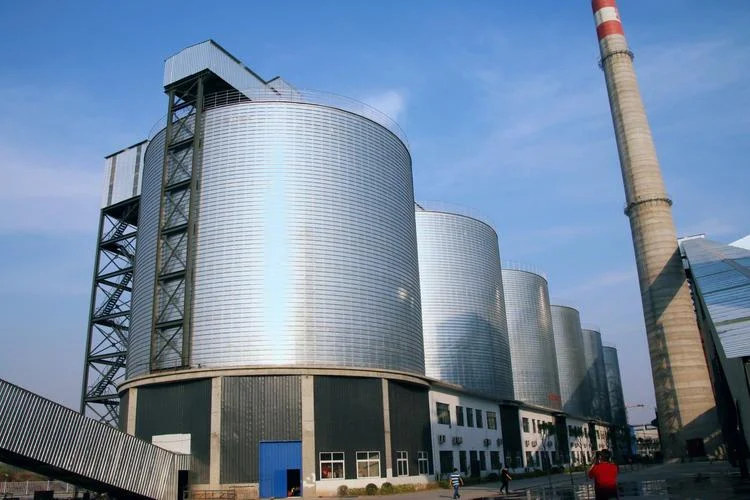


For decades, managing bulk material inventory in steel silos has relied on manual measurements and reactive maintenance. A 2024 industry survey revealed that over 60% of silo operators still use dip-stick or load cell methods, leading to costly inaccuracies and unscheduled downtime. Digital twin technology is now transforming this landscape, offering a real-time, predictive mirror of your silo system that can cut maintenance costs by up to 30% and improve throughput efficiency by 15%.
What Is a Digital Twin for Steel Silo Systems and Why It Matters
A digital twin is more than a 3D model—it is a dynamic, data-driven replica of your physical silo that continuously receives live sensor inputs. For operators handling cement, fly ash, or clinker, this means tracking not only fill levels but also temperature gradients, pressure differentials, and structural stress patterns in real time. By integrating IoT sensors across the silo wall, discharge cone, and aeration system, the twin simulates how material behavior changes under varying humidity or compaction loads.
We have seen firsthand how this technology bridges the gap between operational silos and engineering decision-making. Instead of relying on weekly manual inspections, facility managers can view a live dashboard showing the exact mass flow profile. This is particularly critical for fly ash silo cost factors, where improper flow can lead to bridging and costly cleanouts. A digital twin flags these risks before they escalate, giving you a direct ROI on sensor investments.
Predictive Maintenance: Avoiding Structural Failures and Dust Explosions
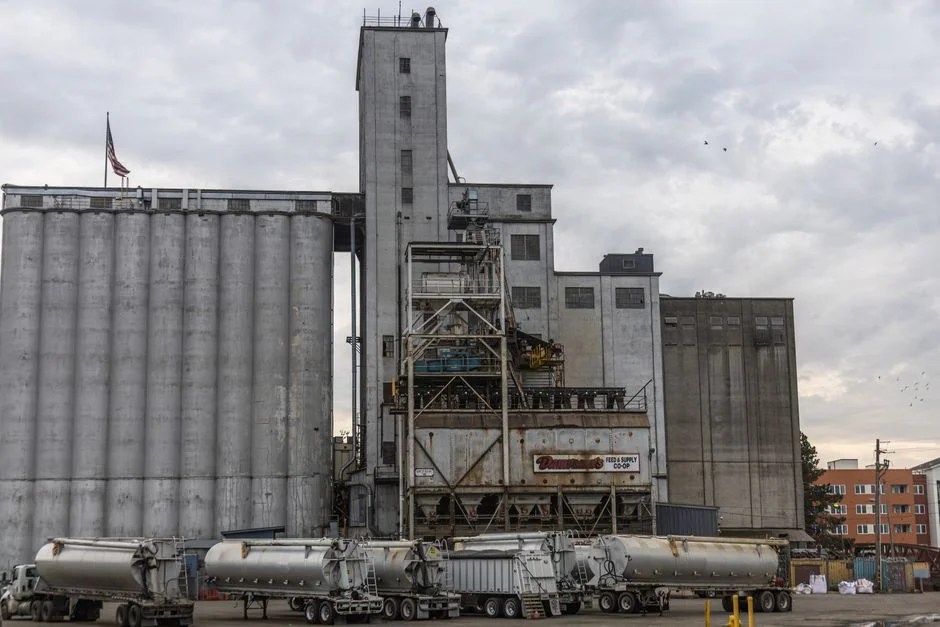
One of the most valuable applications of digital twin technology is predictive maintenance for silo structural integrity. By modeling fatigue cycles on welded seams and corrosion rates in the hopper section, the twin can forecast when a section needs reinforcement. Field data from a recent clinker storage project showed that a digital twin accurately predicted a 2.5 mm wall thinning event three weeks before it became critical, allowing for a scheduled weld repair instead of an emergency shutdown.
Integrating Safety Parameters into the Twin Model
We recommend embedding dust concentration and temperature thresholds directly into the twin's algorithm. When the model detects a deviation—such as a rising temperature gradient near the discharge point—it can trigger automated alerts or even adjust aeration rates. This directly supports cement silo safety protocols, reducing the risk of dust explosions while maintaining operational continuity.
Common Pitfalls in Digital Twin Implementation
A frequent mistake we observe is treating the digital twin as a one-time setup. Without continuous calibration against physical sensor readings, the model drifts and loses predictive accuracy. Another oversight is ignoring the material's cohesive properties—a twin tuned for free-flowing cement will fail to predict arching in fly ash. Always validate the twin's output against at least one manual measurement per shift during the first month of operation.
Key Takeaways
- Core Data Point: Digital twin adoption can reduce unscheduled silo downtime by up to 25%, based on a 2023 study of 40 bulk storage facilities. Related: Case Study: Successful Fly Ash Silo Design for Power Plant Operations >
- Best Practice: Pair your digital twin with at least three sensor types (temperature, pressure, and strain gauges) for a reliable model.
- Risk Alert: A digital twin that is not recalibrated every 90 days will produce false positives, leading to unnecessary inspections or, worse, missed failures.
Implementation Roadmap: From Legacy Silos to Smart Storage
Transitioning an existing silo to a digital twin-enabled system does not require a full rebuild. Start by retrofitting wireless sensors at critical points: the top inlet, mid-wall, and discharge cone. Next, choose a cloud-based platform that can ingest data from multiple silos simultaneously. An experienced engineering team can then build the physics-based model using your silo's original design specs (wall thickness, yield strength, and discharge angle).
For new installations, we strongly advise specifying digital twin compatibility during the design phase. This allows the manufacturer to embed sensor ports and calibration points directly into the steel panels. The result is a seamless integration that supports optimizing bulk material logistics operations, as real-time inventory data feeds directly into your ERP system. Wit
hin six months of deployment, most facilities report a net positive return on the technology investment.Frequently Asked Questions
Q: How does a digital twin handle the variable moisture content of fly ash, which affects flow and compaction?
A: The twin models moisture as a dynamic variable, using humidity sensors at the inlet and inside the silo. It then adjusts the predicted angle of repose and wall friction coefficient in real time. For fly ash with moisture spikes above 5%, the twin can recommend reduced fill rates or increased aeration pressure to prevent bridging. This level of granularity is impossible with traditional load cell systems alone.
Q: Can a digital twin be effectively used for multiple silos in a single facility, or does each require its own model?
A: A unified digital twin platform can manage an entire silo farm, but each silo must have its own independent model calibrated to its geometry and material history. The platform aggregates data across units, allowing operators to compare discharge rates and structural wear patterns. This cross-silo analysis is invaluable for identifying systemic issues, such as a common aeration system fault affecting several silos simultaneously.
Looking for Professional Silo Storage Solutions?
We provide customized design, manufacturing, and installation services for steel silo systems worldwide, including digital twin integration for cement, coal, clinker, and fly ash storage.
Get Your Free Technical Consultation →