
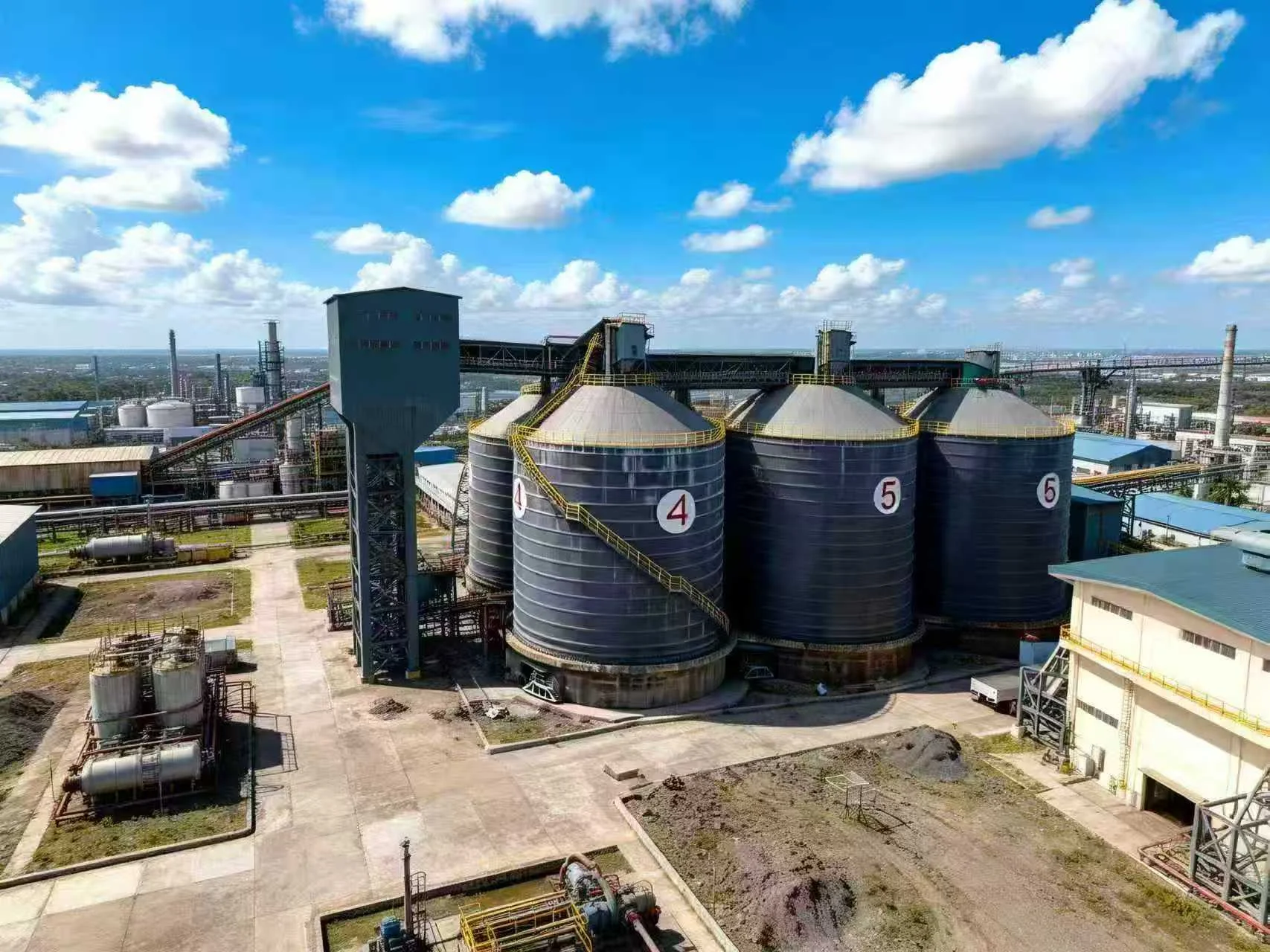
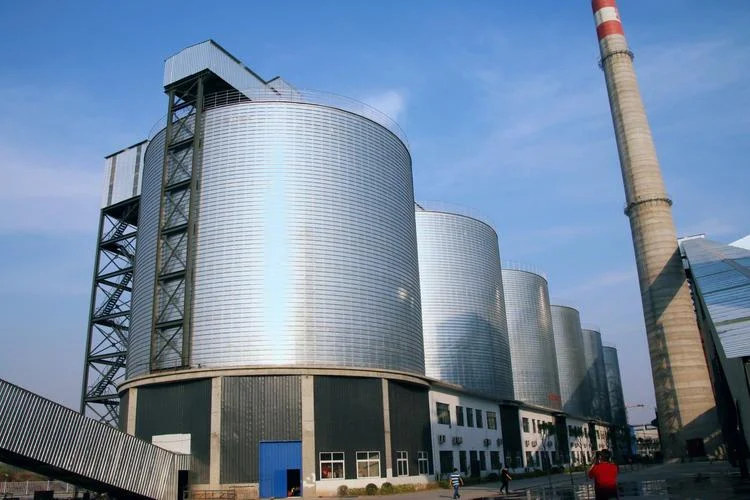


Cement silo safety is the critical line of defense between operational continuity and catastrophic failure. From the invisible threat of dust explosions to the progressive risk of structural corrosion, neglecting either can lead to devastating consequences. This article provides an in-depth analysis of dust explosion prevention, structural integrity maintenance, and ATEX compliance, equipping you with the knowledge to build a truly safe and resilient storage system.
The Dual Safety Risks of Cement Silos: Dust Explosion and Structural Failure
Cement silos are core assets in the construction and bulk material handling industries, yet they face two distinct but equally dangerous safety risks. The first is the risk of explosion caused by fine, combustible dust. The second is the risk of physical collapse due to structural overpressure or corrosion. According to OSHA and NFPA 652, any facility handling combustible dust must perform a Dust Hazard Analysis (DHA) and install effective protection systems. For cement silos, this means deploying both active and passive explosion protection measures while ensuring the long-term integrity of the silo shell and its supporting structure.
A real-world case from 2026 underscores the stakes: a cement plant in the U.S. Midwest suffered a silo collapse due to undetected internal corrosion, resulting in direct losses exceeding $2 million and forcing the plant to shut down for several weeks. Incidents like this repeatedly remind us that regular professional inspections and strict adherence to international standards—such as ATEX in Europe or NFPA in North America—are the essential barriers against major accidents.
ATEX and NFPA Compliance: Building a Global Safety Framework
In Europe, the ATEX directives (2014/34/EU and 1999/92/EC) establish the legal framework for equipment and workplace safety in explosive atmospheres. For cement silos, the first step toward compliance is to classify areas within and around the silo into zones based on the likelihood of an explosive atmosphere. Zone 20, 21, and 22 designations determine the type of equipment permitted and the protective measures required. In
North America, NFPA 652 provides the foundational standard for combustible dust, requiring facilities to complete a Dust Hazard Analysis (DHA) and implement management-of-change procedures. While the regulatory languages differ, the engineering principles converge: identify ignition sources, limit dust accumulation, and provide pressure relief or suppression to mitigate explosion consequences.Key Takeaways
- Key Data: A 2026 U.S. Midwest cement plant silo collapse due to undetected corrosion caused over $2 million in direct losses and weeks of downtime.
- Best Practice: Conduct a Dust Hazard Analysis (DHA) per NFPA 652 and classify ATEX zones (20/21/22) to identify and mitigate explosion risks systematically.
- Watch Out For: Hidden internal corrosion that progresses silently—regular professional inspections using ultrasonic thickness testing are essential, not optional.
- Pro Tip: Integrate both active (suppression, venting) and passive (containment, isolation) explosion protection measures for a layered defense strategy.
- Bottom Line: Cement silo safety is not a maintenance checklist—it is a continuous engineering discipline that demands compliance with ATEX or NFPA standards and proactive structural monitoring.
Dust Explosion Prevention: Engineering the First Line of Defense
Fine cement dust, when suspended in air at the right concentration and exposed to an ignition source, can create a devastating explosion. The key to prevention lies in controlling these three elements. First, minimize dust accumulation through proper sealing of silo inlets and outlets, and install dust collection systems to keep ambient dust levels low. Second, eliminate potential ignition sources such as static electricity, hot surfaces from welding or electrical faults, and mechanical sparks from misaligned equipment. Third, implement explosion protection systems: pressure relief panels that open at a predetermined pressure to vent explosion forces safely, or chemical suppression systems that detect a developing explosion and inject suppressant before pressure builds. Each system must be designed specifically for the silo's volume, material characteristics, and local regulatory requirements.
Pressure Relief and Venting Design
Explosion venting is the most common passive protection method. Ven
t panels are installed on the silo roof or walls and are designed to open at a low overpressure (typically 0.1 to 0.2 bar), allowing flame and pressure to escape to a safe area. The vent area is calculated based on the silo's volume and the dust's explosibility parameters (Kst, Pmax). NFPA 68 and EN 14491 provide detailed calculation methods. It is critical that vent ducts, if used, are short and unobstructed, and that the discharge location is away from personnel and critical equipment.Structural Integrity: Corrosion and Overpressure Resistance
Structural failure is often a slow, creeping hazard. Internal corrosion from moisture ingress, chemical reactions with cement, or abrasive wear can thin the silo wall over years without visible external signs. Regular ultrasonic thickness testing at critical points—near the cone, at weld seams, and around access doors—is non-negotiable. Additionally, the silo must be designed to withstand the maximum pressure that could result from a dust explosion (if venting is used) or from pneumatic filling operations. Overpressure due to blocked vents or improper filter maintenance can cause catastrophic bulging or collapse. A comprehensive inspection program should include visual checks, thickness measurements, and pressure testing every 2-5 years depending on operating conditions.
Frequently Asked Questions
Q: What is the difference between ATEX Zone 20 and Zone 21 for cement silos?
A: Zone 20 applies to areas where an explosive dust atmosphere is present continuously or for long periods, such as inside the silo itself. Zone 21 applies to areas where such an atmosphere is likely to occur occasionally during normal operation, such as near filling points or dust collection filters. The distinction determines the equipment protection level (EPL) required: Zone 20 demands the highest level (EPL Da), while Zone 21 can use EPL Db equipment. Proper zone classification is the foundation of ATEX compliance and must be documented in the explosion protection document.
Q: How often should a Dust Hazard Analysis (DHA) be updated for a cement silo?
A: NFPA 652 requires that a DHA be reviewed and updated at least every five years, or whenever significant changes occur to the process, equipment, or materials handled. Significant changes include modifications to the silo's filling or discharge system, changes in cement composition (e.g., adding additives), or after any near-miss or explosion incident. The DHA must be a living document that reflects current conditions and mitigation measures.
Q: Can a cement silo collapse due to overpressure from pneumatic filling?
A: Yes, absolutely. Pneumatic filling systems can generate significant internal pressure if the silo's venting or filtration system becomes blocked or undersized. Even without a dust explosion, sustained overpressure of just a few psi can cause the silo shell to bulge, crack, or collapse. This is why pressure relief valves or rupture discs are recommended on the silo roof, and why routine maintenance of baghouse filters and vent lines is critical. A 2022 incident in a European cement plant demonstrated that a blocked vent led to a silo roof failure, causing structural damage and a multi-week shutdown.
Q: What are the most common ignition sources for dust explosions in cement silos?
A: The most frequently identified ignition sources include: (1) hot work such as welding or cutting near the silo without proper hot work permits and fire watches; (2) static electricity discharge from pneumatic conveying systems or non-conductive filter bags; (3) mechanical sparks from metal-to-metal contact in rotary valves or screw conveyors; (4) electrical faults in lighting or motor controls not rated for the classified zone; and (5) spontaneous heating of accumulated dust in dead spots. Eliminating these sources through proper bonding, grounding, equipment selection, and procedural controls is a core requirement of any explosion prevention program.
Q: How do I calculate the required explosion vent area for a cement silo?
A: The vent area calculation follows standards such as NFPA 68 (USA) or EN 14491 (Europe). The key parameters are the silo's volume (V), the dust's explosibility characteristics (Kst and Pmax), and the reduced pressure (Pred) that the silo structure can withstand. For example, a 500 m³ cement silo with a Kst of 200 bar·m/s and a Pred of 0.2 bar might require a vent area of approximately 5-8 m². However, these calculations are complex and must be performed by a qualified engineer using validated software. Never rely on generic rules of thumb—each silo's geometry and operating conditions are unique.
Q: What is the role of a management-of-change (MOC) procedure in silo safety?
A: An MOC procedure is a formal process to evaluate safety implications before any modification to the silo or its operation. For example, if you change the cement type, install a new filter, or modify the filling rate, the MOC ensures that the DHA is reviewed, ATEX zones are re-evaluated, and any new hazards are addressed. Without MOC, even a small change can introduce unforeseen risks—such as a different dust reactivity or altered pressure dynamics—that could lead to an explosion or structural failure. NFPA 652 explicitly requires MOC as part of a comprehensive dust hazard management program.
Need expert cement silo safety solutions for your project?
We provide professional design, manufacturing, and installation services for bulk storage and material handling systems worldwide, ensuring full compliance with ATEX, NFPA, and structural integrity standards.
Get a Free Technical Consultation →