
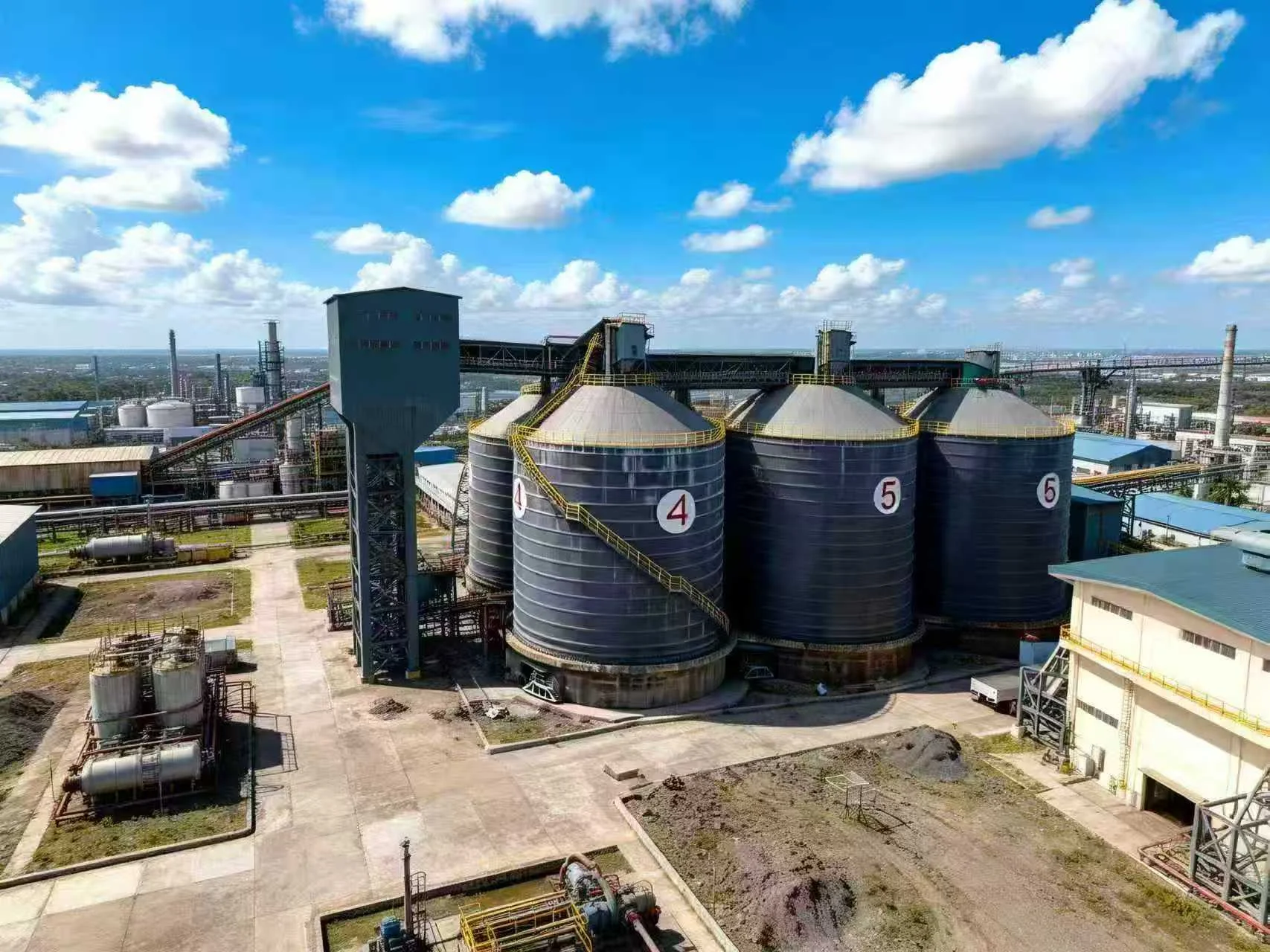
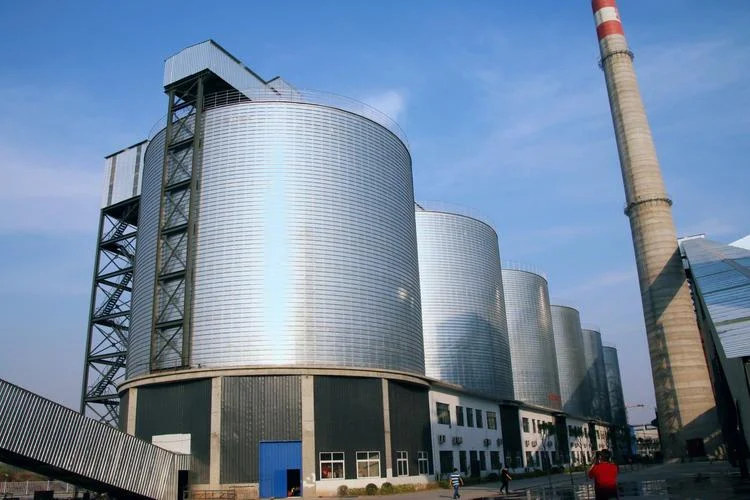


When a 5,000-tonne silo of cement or fly ash develops a stable bridge, the production line downstream stops dead. Every hour of downtime costs $10,000-$50,000 depending on the application. Air cannons solve this problem with a simple, elegant principle: a high-pressure air burst that breaks the bridge in milliseconds, restoring flow without human intervention.
Key Takeaways
- Core Data Point: A properly sized air cannon delivers 100-500 liters of compressed air at 4-8 bar in 50-200 milliseconds. This creates a shock wave that breaks material bridges within a 2-3 meter radius of the discharge point. Most silos require 4-12 cannons depending on diameter and material type.
- Best Practice: Install air cannons during initial silo construction, not as a retrofit. Retrofitting requires hot work on a pressurized silo, confined space entry, and structural assessment - adding 3-5x the cost of initial installation.
- Risk Alert: Never operate air cannons in a silo containing combustible dust without a proper ignition risk assessment. The rapid air discharge can raise local temperature through adiabatic compression and create a dust cloud at explosive concentration.
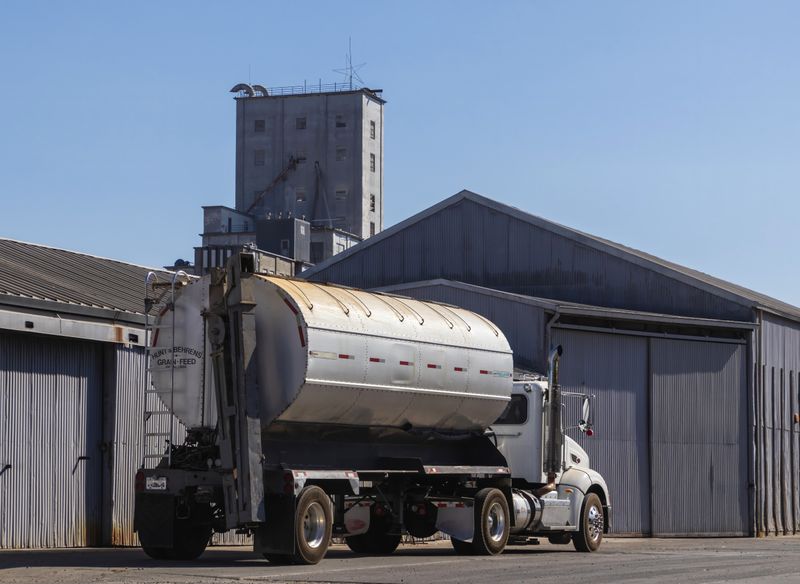
What Are Air Cannons and How Do They Work?
An air cannon (also called an air blaster or flow aid) is a compressed-air device that releases a controlled burst of high-pressure air into a silo or hopper to dislodge material blockages. The basic mechanism:
- Charging: Compressed air (typically 4-8 bar) fills a pressure vessel (50-500 liters) through a non-return valve.
- Triggering: A fast-acting valve (solenoid or pneumatic pilot) opens in 20-50 milliseconds.
- Discharge: The stored air expands through a nozzle or pipe into the silo, creating a shock wave that breaks material bridges, rat-holes, and adhesive buildup.
- Resetting: The valve closes, and the vessel recharges for the next cycle. Total cycle time: 30-120 seconds.
Where to Place Air Cannons in a Silo
Placement is the single most critical factor in air cannon effectiveness. Wrong placement wastes the investment; right placement eliminates blockages permanently:
Hopper Section (Most Common)
- Location: On the hopper cone, angled 15-30\u00b0 downward from horizontal
- Height: At the transition point where the cylindrical section meets the cone (the most common bridging location)
- Spacing: Evenly around the circumference, typically 3-6 units for silos under 10m diameter, 6-12 for larger silos
Wall Section (For Cohesive Materials)
- Location: On the cylindrical wall, 1-2 meters above the cone transition
- Purpose: Prevents rathole formation and wall buildup in materials with high cohesive strength (cement, fly ash, clay)
- Configuration: Staggered vertically and radially to cover the maximum wall area
Feed Chute and Transfer Points
- Location: At the inlet chute where material enters the silo
- Purpose: Prevents buildup on chute walls and impact plates
- Timing: Triggered on a schedule or on-demand via level sensors
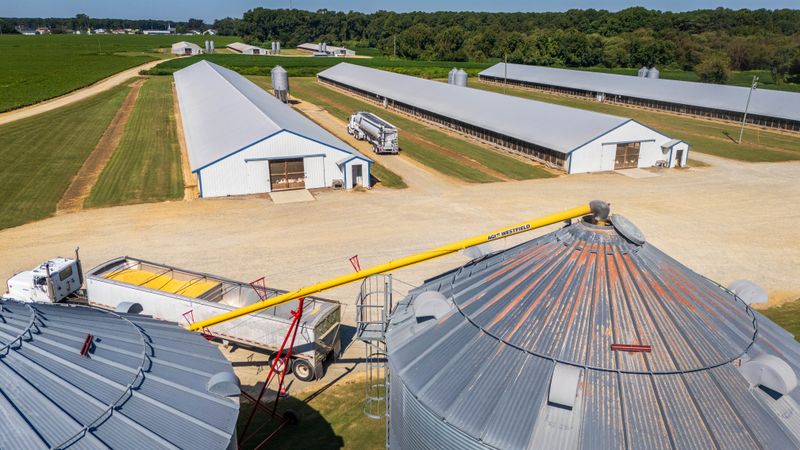
Air Cannon Sizing Guide
| Silo Diameter | Material Type | Vessel Volume | Operating Pressure | Qty per Silo |
|---|---|---|---|---|
| 3-6m | Free-flowing (grain, pellets) | 50-100 L | 4-6 bar | 2-3 |
| 6-12m | Semi-cohesive (cement, fly ash) | 100-300 L | 6-8 bar | 4-8 |
| 12-20m | Cohesive (wet coal, clay, slag) | 200-500 L | 6-8 bar | 8-12 |
| 20m+ | Any difficult material | 300-500 L | 6-8 bar | 12-20 |
Control System Integration
Modern air cannon systems are not standalone devices - they integrate with the silo's PLC/SCADA system for intelligent operation:
- Sequential firing: Cannons fire in a programmed sequence (not simultaneously) to create a progressive disruption wave through the material. Typical sequence: one cannon every 5-10 seconds.
- Sensor-triggered: Level sensors or flow monitors detect blockage conditions and trigger the appropriate cannons automatically.
- Scheduled maintenance firing: Periodic firing (every 30-60 minutes) during silo discharge prevents bridges from forming in the first place.
- Remote monitoring: Each cannon reports its cycle count, pressure status, and valve condition to the central control system for predictive maintenance.
Bottom Line
Air cannons for silos are the most cost-effective flow aid available. A complete system for a 10m diameter silo costs $15,000-$30,000 installed - roughly 1-2 hours of the production downtime it prevents. The key to success is proper placement (at the bridging zone, not random wall positions), correct sizing (match the air volume to the material's cohesive strength), and intelligent control (sequential firing, not all-at-once). Install them during construction, not after the first bridge shuts you down.