
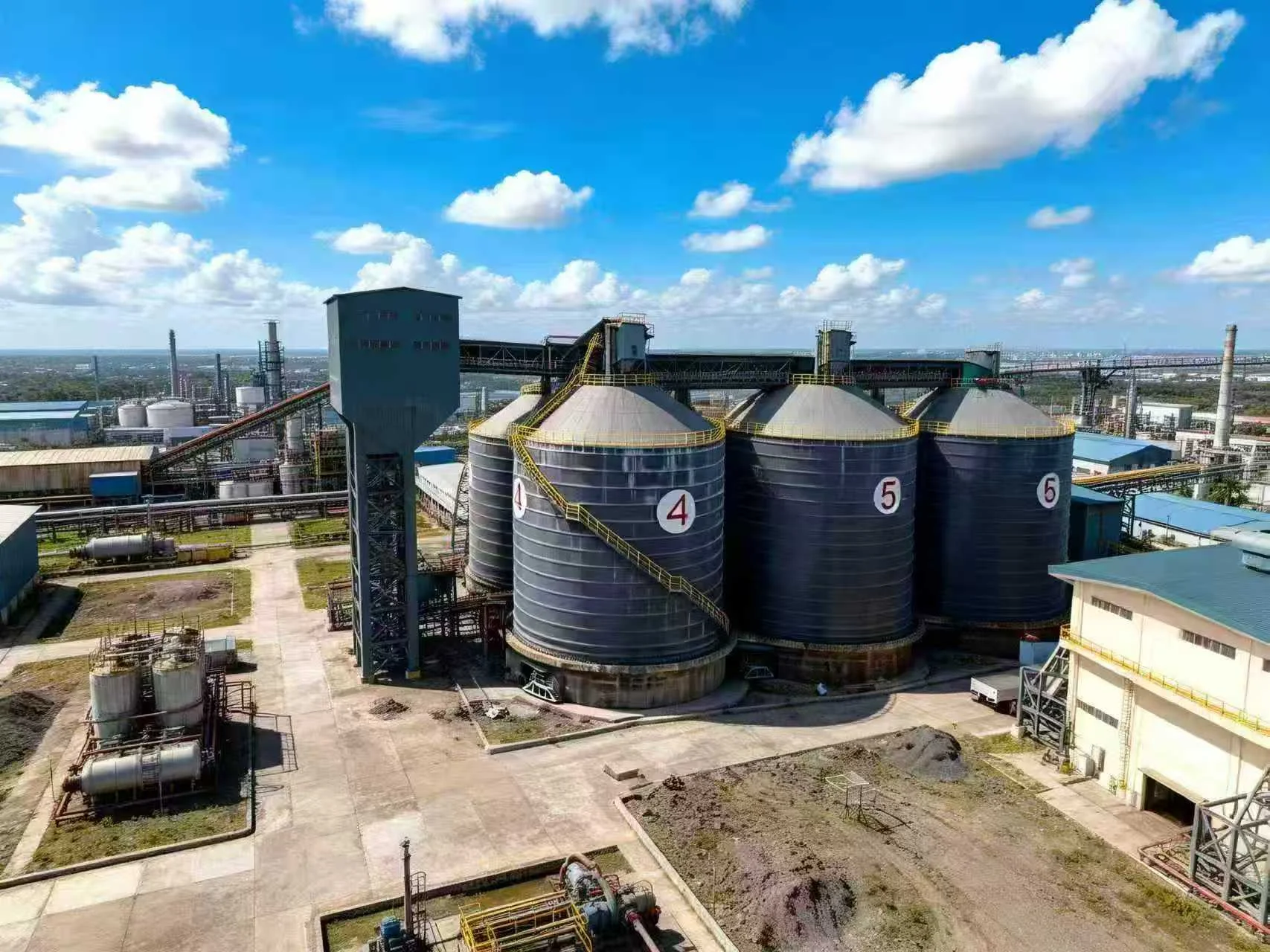


A cement storage silo that develops wall buckling after 5 years of service is not a bargain at any price. We have seen facilities lose 40% of their effective capacity to moisture ingress and compaction because the silo design did not account for cement's unique flow properties. This guide covers everything you need to specify the right cement silo from day one.
Key Takeaways
- Core Data Point: Cement bulk density ranges from 1,000-1,600 kg/m3 depending on fineness and aeration state. A silo rated for 500 tonnes of fly ash will only safely hold 350-400 tonnes of Portland cement. Always spec by the densest condition.
- Best Practice: Spiral steel silos offer the best cost-to-performance ratio for capacities under 10,000 tonnes. For larger installations, welded silos with internal stiffening rings handle the higher wall pressures more reliably.
- Risk Alert: Never accept a cement storage silo without a verified moisture barrier system. Cement absorbs 0.3-0.5% moisture per month in humid climates without proper sealing, turning your inventory into lumps worth 60% less.
Understanding Cement as a Stored Material
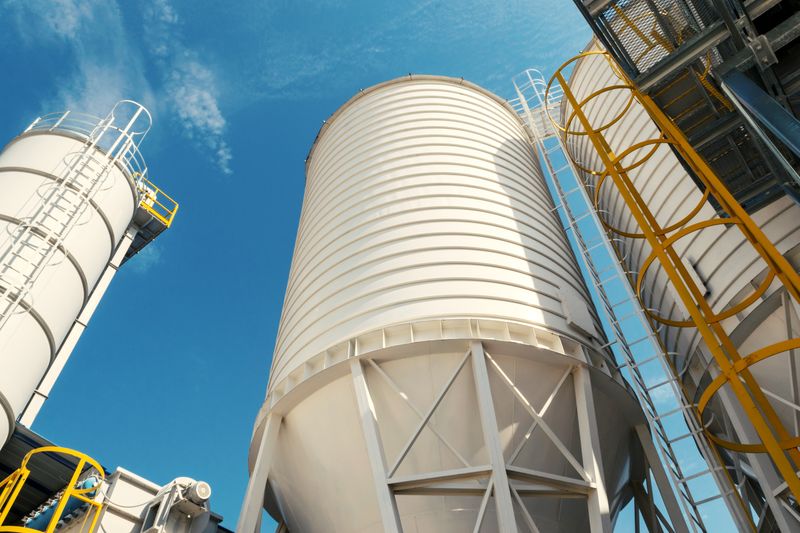
Cement is not just another powder. It behaves differently from fly ash, slag, or lime in three critical ways that directly affect silo design:
- Hygroscopic sensitivity: Portland cement begins hydrating on contact with moisture. Even ambient humidity above 60% RH causes surface agglomeration within weeks. This means your cement storage silo needs welded shell seams (not bolted with exposed gaskets), a proper vapor barrier on the roof, and pressure-relief valves that seal against rain ingress.
- Aeration-dependent flow: Freshly ground cement is highly aerated (bulk density ~1,000 kg/m3) and flows almost like a liquid. After 48 hours of storage, it de-aerates to ~1,200-1,400 kg/m3 and develops cohesive strength. This means the discharge system must handle both states - fluidized and consolidated.
- Heat of hydration: In large silos (>5,000 tonnes), the residual heat from grinding can raise internal temperatures to 80-90\u00b0C. Without proper ventilation, this creates condensation on the inner roof surface, which drips back into the cement and creates hard lumps.
Three Types of Cement Storage Silos Compared
Spiral Steel Silos
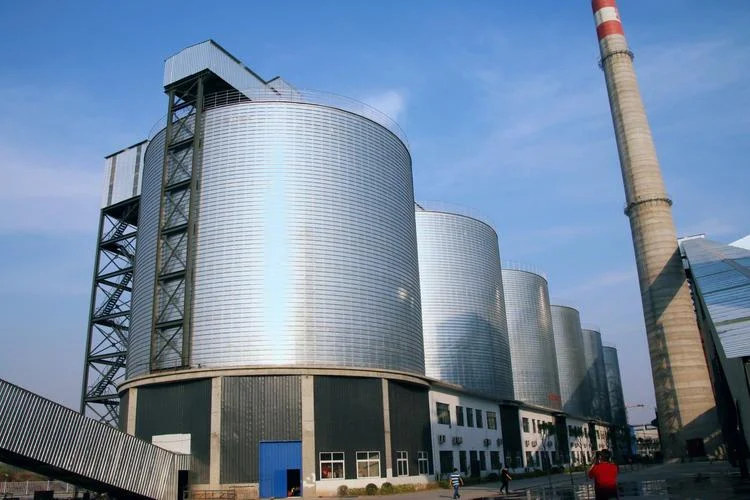
Spiral silos are formed by coiling a continuous steel strip into a helical seam. The seam itself provides structural stiffening, eliminating the need for external vertical stiffeners. For cement storage:
- Capacity range: 50-10,000 tonnes
- Wall thickness: Typically 3-6mm steel
- Sealing: Excellent - the continuous spiral seam has fewer leak paths than bolted panels
- Construction speed: A 3,000-tonne silo can be erected in 15-20 days
- Best for: Cement terminals, ready-mix plants, grinding stations
Welded Steel Silos
Welded silos use individual steel plates welded vertically and horizontally. They handle higher wall pressures and are preferred for large-capacity installations:
- Capacity range: 500-50,000+ tonnes
- Wall thickness: 6-16mm depending on height and diameter
- Sealing: Superior when properly welded and inspected
- Construction: 30-60 days for a 10,000-tonne silo
- Best for: Cement plants, large distribution hubs, port terminals
Bolted Steel Silos
Bolted silos use pre-punched panels assembled with bolts and sealant. They are modular and transportable but have limitations for cement:
- Capacity range: 50-5,000 tonnes
- Sealing: Dependent on gasket quality - higher maintenance in humid climates
- Advantage: Can be disassembled and relocated
- Limitation: Bolt holes are potential moisture ingress points
- Best for: Temporary sites, dry climates, batch plants
Design Standards That Matter
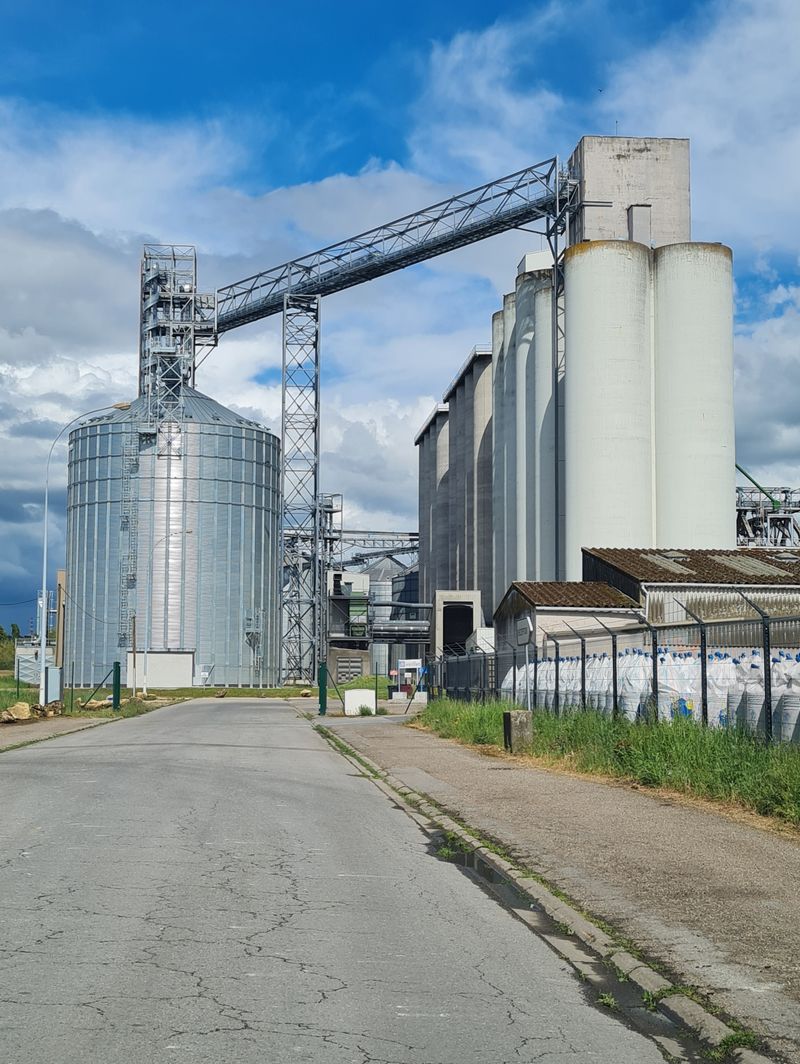
When evaluating cement storage silo manufacturers, ask for compliance with these specific standards:
| Standard | Scope | Why It Matters |
|---|---|---|
| Eurocode 1 (EN 1991-4) | Silos and tanks - loads | Defines wall friction, pressure distribution, and patch loads for cement |
| ACI 313 | Design of concrete silos | Relevant for concrete-steel hybrid designs |
| API 620 / ASME | Welded tank construction | Weld quality, NDE requirements, hydrostatic testing |
| NFPA 652 | Combustible dust | Cement dust explosion risk assessment and mitigation |
How to Evaluate Cement Silo Suppliers
The cement storage silo market has hundreds of suppliers, but only a handful deliver truly engineered solutions. Here is a practical evaluation framework:
- Engineering capability: Ask for a stamped structural calculation for your specific site conditions (seismic zone, wind load, snow load). Generic catalog specs are a red flag.
- Material traceability: Steel plate mill certificates with heat numbers. If the supplier cannot provide these, walk away.
- Welding certification: Welders certified to AWS D1.1 or EN ISO 9606. Automated welding for shell courses is preferred over manual welding.
- Commissioning support: The best cement silo suppliers provide on-site supervision during erection and a commissioning protocol that includes leak testing, load testing, and control system verification.
- References: Visit at least one installed facility that has been operating for 3+ years. Pay attention to shell condition, discharge consistency, and maintenance access.
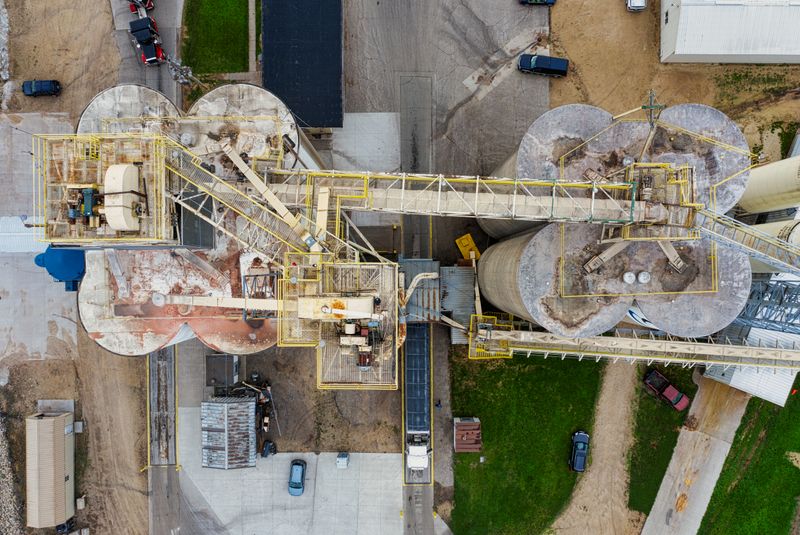
Cement Storage Silo Sizing Quick Reference
| Application | Typical Capacity | Silo Type | Diameter |
|---|---|---|---|
| Ready-mix plant | 200-500 tonnes | Spiral or bolted | 3-6m |
| Cement terminal | 2,000-10,000 tonnes | Spiral or welded | 8-15m |
| Cement plant finish mill | 10,000-50,000 tonnes | Welded | 15-30m |
| Port distribution | 5,000-20,000 tonnes | Welded | 12-25m |
Bottom Line
A cement storage silo is a 20-30 year investment. The cheapest option per tonne of capacity is rarely the cheapest over the silo's lifetime. Focus on sealing integrity, discharge reliability, and supplier engineering capability. The right cement silo supplier will challenge your assumptions, ask about your site conditions, and provide calculated solutions rather than catalog numbers. That is the difference between a silo that performs and one that merely stands.